


News
-
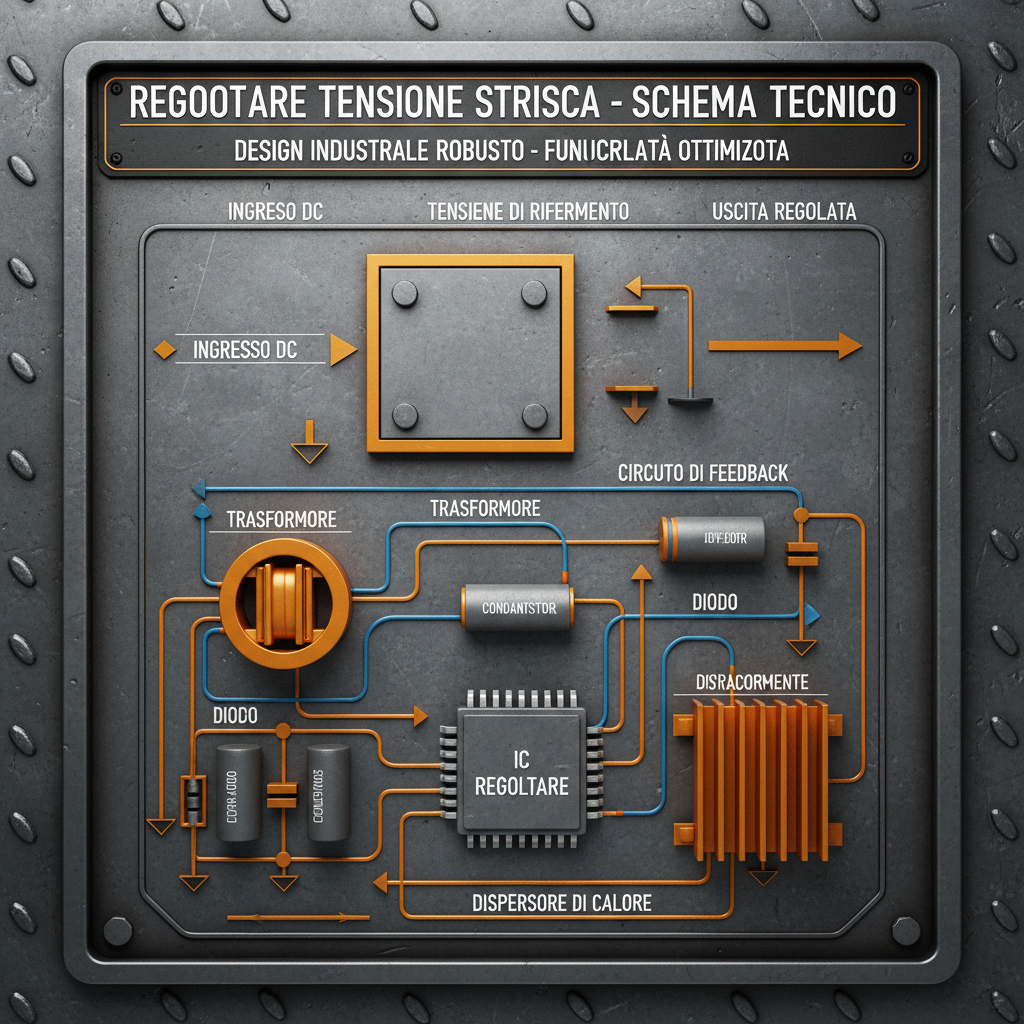 Maintaining optimal tension in LED strip lighting is crucial for a long-lasting and visually appealing installation. This is where the regolatore tensione striscia (LED strip tension regulator) comes into play. This essential component ensures stable voltage delivery, preventing flickering, premature LED failure, and maintaining consistent brightness. This article will delve into the intricacies of these regulators, exploring their function, benefits, types, and how to choose the right one for your project. Proper voltage regulation is the key to unlocking the full potential and longevity of your LED strip lighting systems. A regolatore tensione striscia, or LED strip tension regulator, is an electronic device designed to maintain a stable output voltage despite variations in input voltage or load current. LED strips are sensitive to voltage fluctuations; even small changes can noticeably affect brightness and color consistency. Without a regulator, voltage drops over long strip lengths can lead to dimming at the far end, while surges can damage the LEDs.Read more
 -
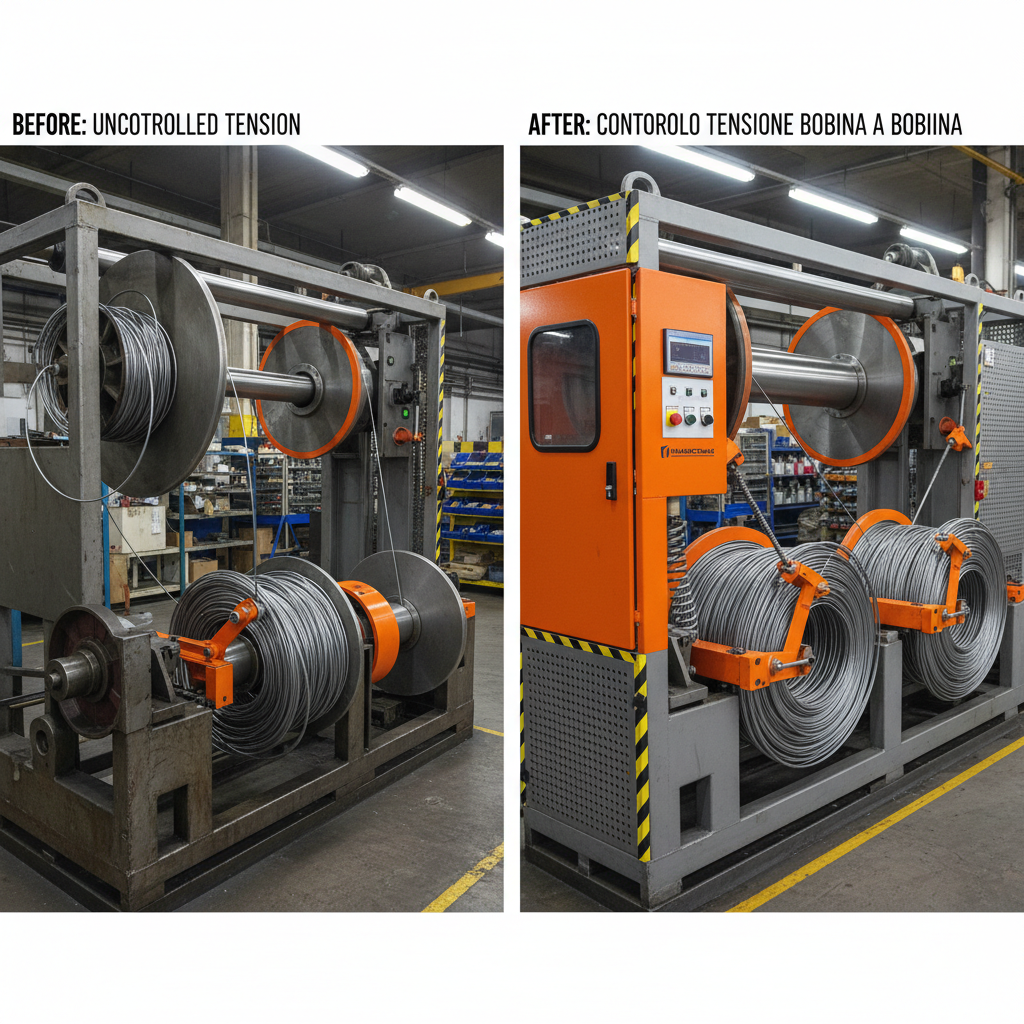 Maintaining consistent tension in coil winding is critical for producing high-quality inductors, transformers, and other magnetic components. The controllo tensione bobina a bobina (coil to coil tension control) systems offered by BJYWLX ensure precise and reliable tensioning throughout the winding process. This article will delve into the importance of coil tension control, the benefits of BJYWLX's systems, key features, applications, and frequently asked questions. Effective tension control minimizes defects, improves product performance, and increases production efficiency. We’ll explore how BJYWLX delivers innovative solutions for demanding winding applications. Consistent coil tension is paramount in the winding process. Too little tension can result in loose windings, leading to short circuits, increased noise, and reduced performance. Conversely, excessive tension can cause wire damage, deformation, and increased stress on winding machinery. Precise tension control ensures uniform layer packing, minimizes air gaps, and maximizes the efficiency of magnetic components. This is particularly crucial for high-frequency applications where even minor inconsistencies can significantly impact performance.Read more
 -
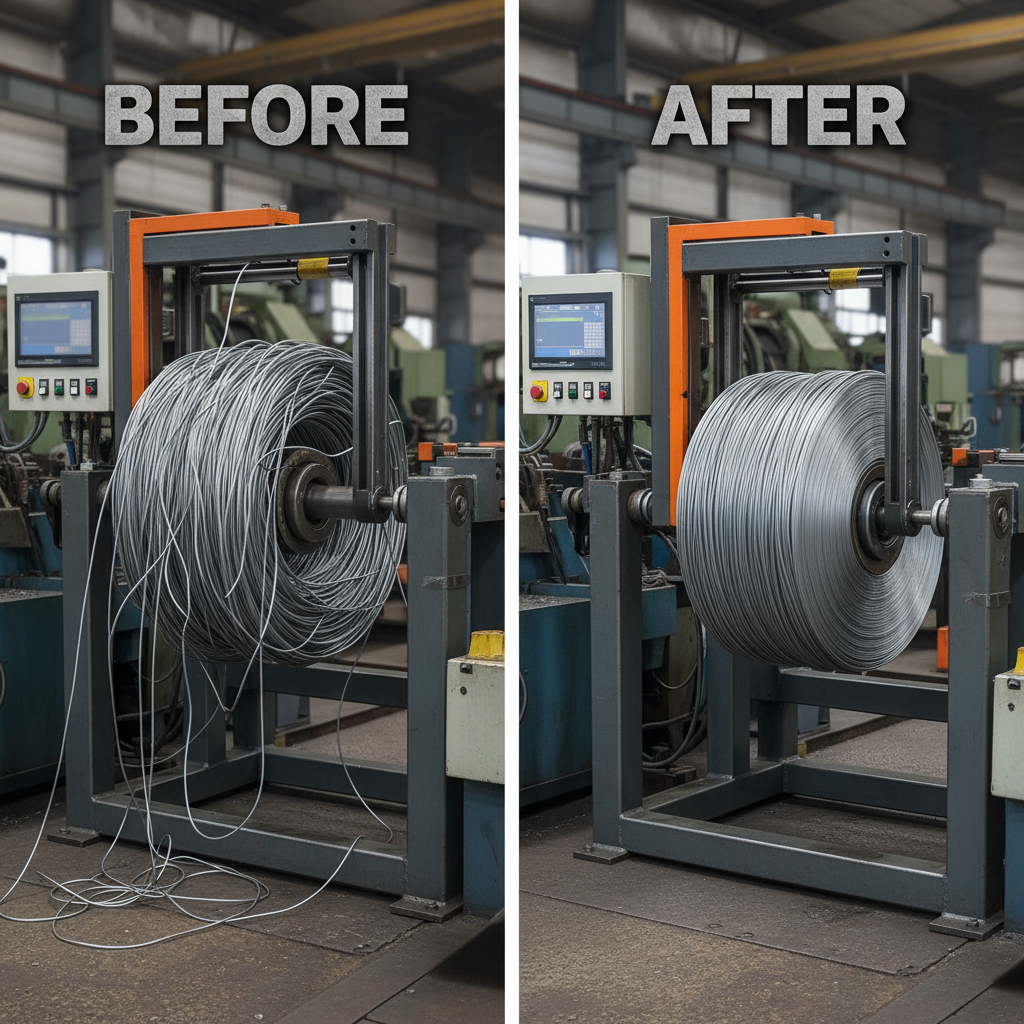 Coil tension control is a critical aspect of many industrial processes, especially those involving winding, unwinding, or transporting materials on coils. Maintaining optimal tension ensures product quality, prevents damage, and optimizes efficiency. This article will delve into the principles of coil tension control, explore common methods, and discuss the benefits of implementing robust tension control systems. Incorrect tension can lead to defects like wrinkles, uneven winding, and even coil breakage, resulting in significant downtime and material waste. Understanding these principles is paramount for maintaining productivity and reducing costs. Precise coil tension control isn't merely about preventing immediate issues. It profoundly impacts long-term operational efficiency. Consistent tension ensures uniform product quality, reducing the number of rejected products. It minimizes material stretching or compression, which can affect dimensional accuracy. Moreover, effective tension control reduces stress on machinery components, extending their lifespan and minimizing maintenance requirements. For industries like steel, aluminum, paper, and plastics, optimizing coil tension translates directly into higher profitability and a stronger competitive edge.Read more
 -
 Maintaining the correct tension in critical systems is paramount for safety and efficiency. Controllo Tensione, or tension control, is a vital process across numerous industries, from manufacturing and engineering to transportation and infrastructure. This article delves into the principles of tension control, its importance, effective methods, and the tools used to achieve precise and reliable results. Proper BJYWLX provides solutions for diverse tension control requirements. Ignoring tension control can lead to equipment failure, reduced performance, and potentially dangerous situations. Effective controllo tensione is crucial for a multitude of reasons. In conveyor systems, proper belt tension ensures efficient material handling and prevents slippage. For machinery involving belts, chains, or cables, accurate tension extends the lifespan of components and minimizes downtime. In structural applications like cable stays on bridges, precise tension is fundamental to the structural integrity of the entire system.Read more
 -
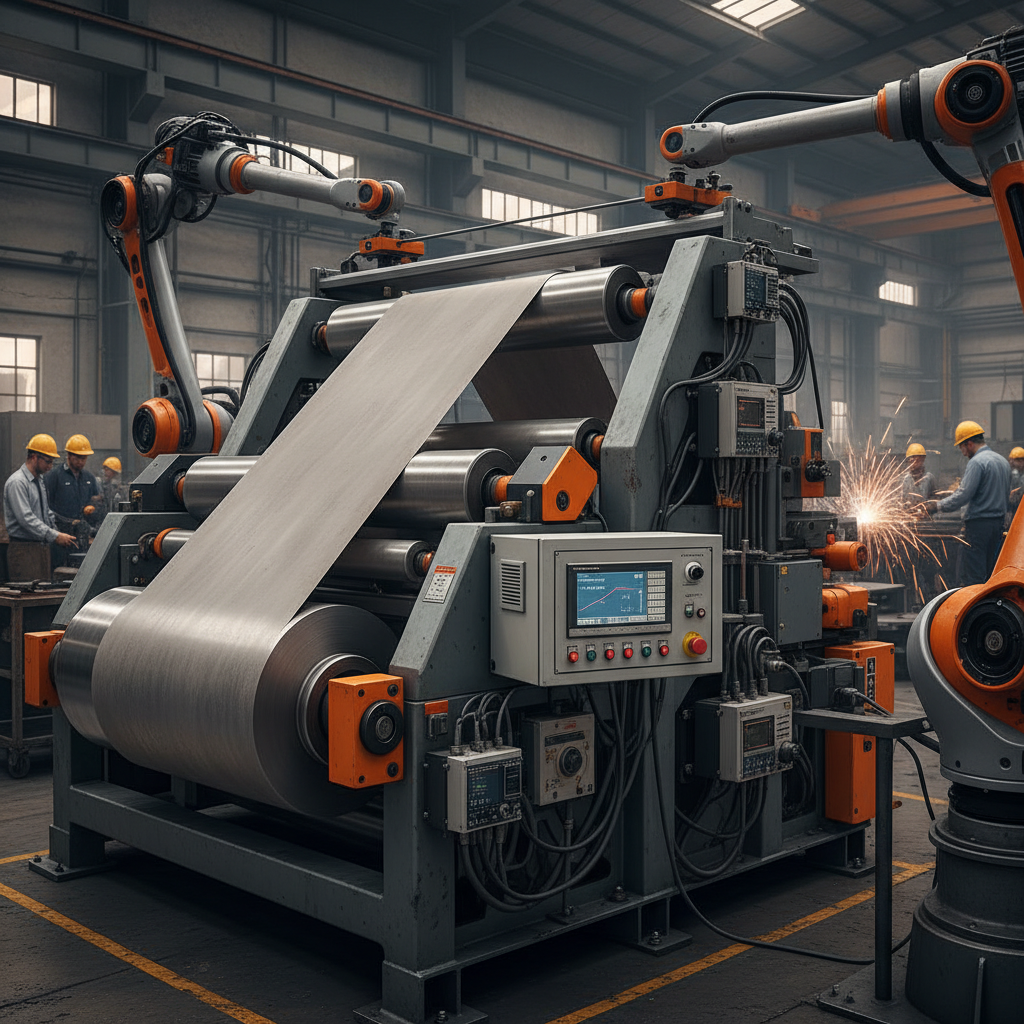 In industrial automation and materials processing, maintaining precise tension is crucial for achieving consistent product quality and preventing operational issues. Closed-loop tension control offers a sophisticated solution to this challenge. This article will explore the principles, components, benefits, and applications of closed-loop tension control systems, providing a thorough understanding for engineers, technicians, and anyone involved in web handling processes. Accurate tension control minimizes material waste, enhances production efficiency, and ultimately improves the bottom line. Closed-loop tension control is a dynamic system that continuously monitors and adjusts tension in a material web – such as paper, film, textiles, or metal foil – during processing. Unlike open-loop systems that rely on pre-set parameters, closed-loop systems utilize feedback from tension sensors to maintain the desired tension level. This feedback loop involves measuring the actual tension, comparing it to the setpoint (target tension), and then automatically adjusting a brake, clutch, or drive system to correct any deviations.Read more
 -
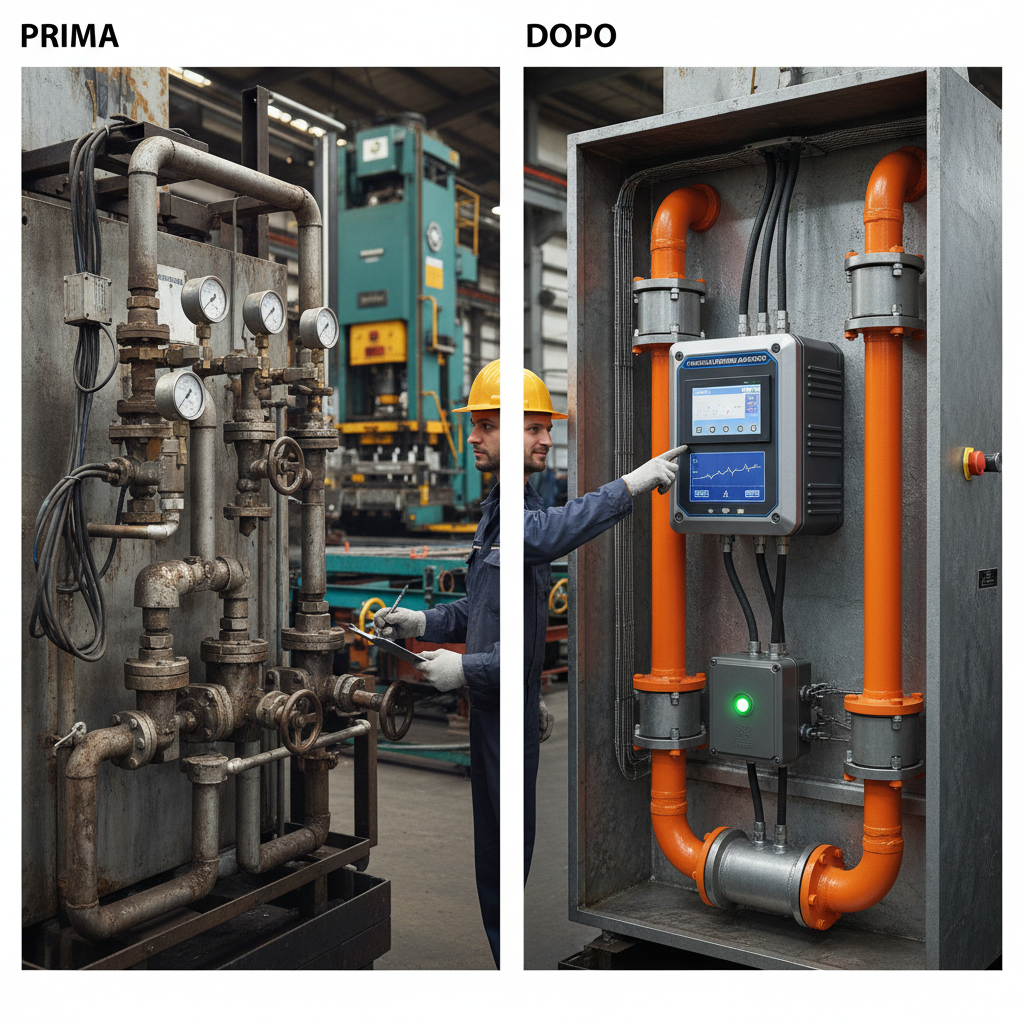 Automatic pressure control systems are vital in a multitude of industrial applications, ensuring efficiency, safety, and optimal performance. From regulating air compressors to maintaining consistent fluid delivery, these systems are designed to automate and refine pressure management. This article will delve into the core principles, benefits, components, and applications of automatic pressure controllers, providing a thorough overview for engineers, technicians, and anyone seeking to understand this critical technology. Proper pressure control is not just about operational efficiency, it directly impacts product quality and equipment longevity. Automatic pressure control involves the use of sensors, controllers, and actuators to automatically maintain a desired pressure level within a system. Unlike manual control, which relies on human intervention, automatic systems continuously monitor pressure and make adjustments as needed, compensating for fluctuations in demand or supply.Read more
 -
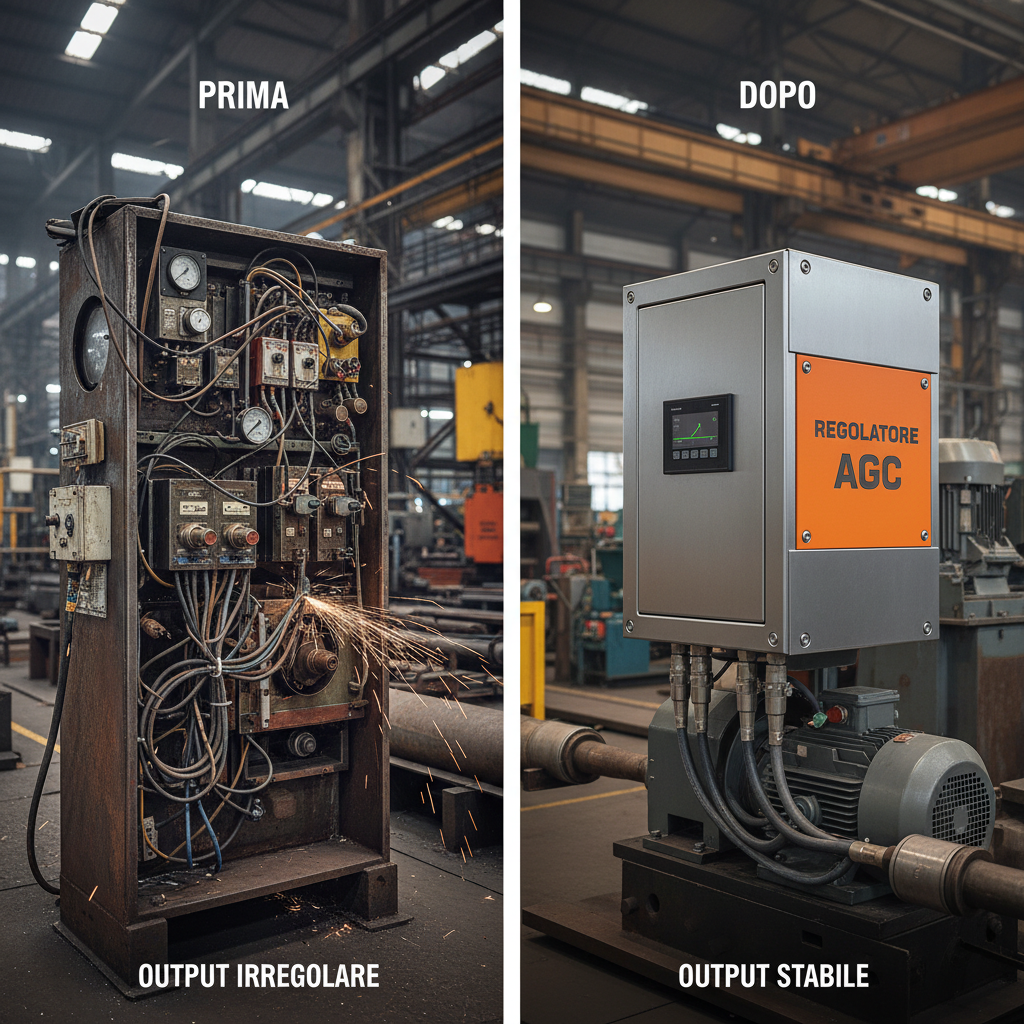 The Regolatore AGC (Automatic Gain Control) is a critical component in a wide range of signal processing applications. From telecommunications to audio engineering, understanding its function and capabilities is vital. This article will delve into the principles of AGC, its applications, key features to consider, and how BJYWLX provides high-quality AGC solutions. We'll cover how AGC maintains a consistent output level, even with varying input signal strengths, and why this is so important for optimal system performance. Automatic Gain Control (AGC) is a circuit that automatically adjusts the gain of an electronic amplifier based on the amplitude of the input signal. Essentially, it prevents the output signal from exceeding a predetermined level, even if the input signal fluctuates significantly.Read more
 -
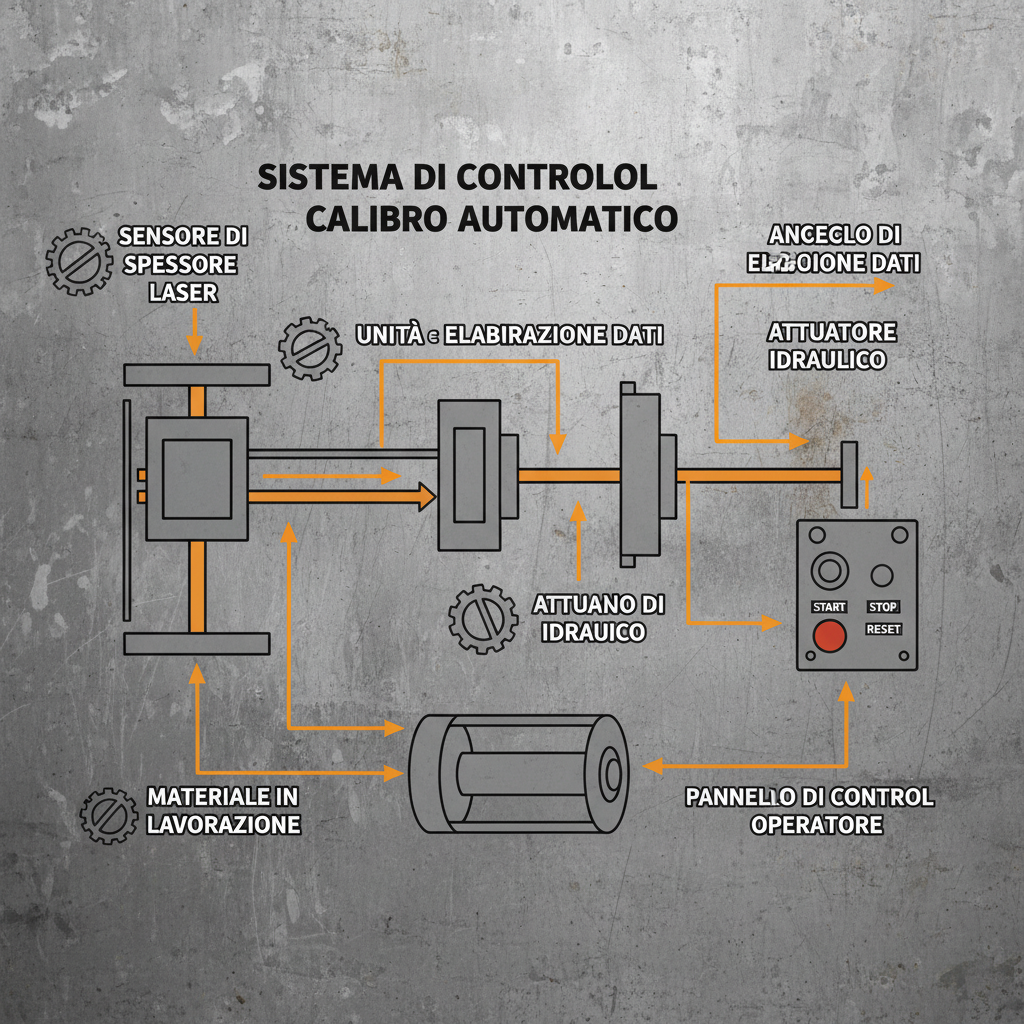 The sistema di controllo calibro automatico, or automatic gauge control system, is a crucial component in modern manufacturing, particularly in industries demanding high precision and repeatability. It’s a system designed to automatically measure and adjust machining processes, ensuring parts are produced to exact specifications. This article provides a detailed overview of these systems, their benefits, applications, and the latest advancements. A robust automatic gauge control system improves efficiency, reduces scrap rates, and enhances overall product quality. Let's delve deeper into how these systems work and why they're vital for competitive manufacturing. At its core, a sistema di controllo calibro automatico operates on a closed-loop feedback system. This means it constantly monitors the dimensions of the machined part, compares them to the desired specifications, and automatically adjusts the machining parameters to correct any deviations. Typical components include sensors (e.g., LVDTs, encoders, laser scanners) for measuring dimensions, a control unit (often a PLC or dedicated controller) for processing data and making adjustments, and actuators (e.g., servo motors) for modifying machine settings.Read more
 -
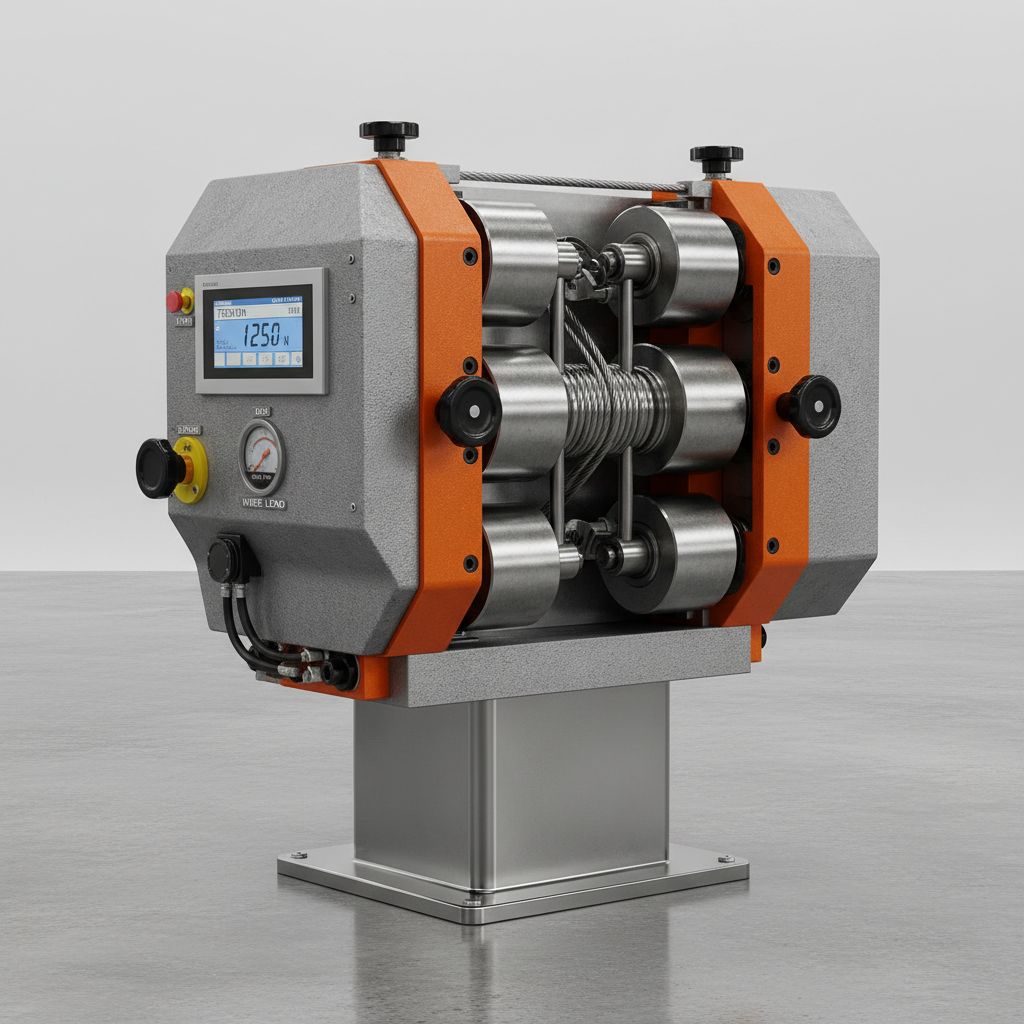 In numerous industries, precise control of wire tension is critical for ensuring product quality, operational efficiency, and safety. From manufacturing and construction to aerospace and telecommunications, maintaining optimal wire tension prevents issues like sagging, breakage, and inaccurate positioning. This article delves into the principles of ワイヤー張力制御 (wire tension control), exploring its importance, methods, technologies, and the benefits of implementing robust control systems. Properly managed tension is a cornerstone of reliable wire-based processes. Maintaining the correct wire tension is paramount across a wide spectrum of applications. Insufficient tension can lead to wire slack, resulting in inaccuracies in processes like winding, weaving, and drawing. Excessive tension, conversely, can cause wire breakage, equipment damage, and increased wear and tear.Read more
 -
 As the Lantern Festival arrives with the Spring Festival joy still lingering, most people are sRead more
 -
In modern industrial applications, maintaining precise control over tension is critical for efficiency, product quality, and safety. 張力制御システム (Tension Control Systems) are engineered to achieve this, offering solutions across a wide range of industries. This article will explore the core principles of tension control, its applications, key components, and how to select the right system for your needs. A well-implemented tension control system can significantly reduce waste, improve production speed, and enhance the reliability of your processes. A 張力制御システム is a sophisticated mechanism designed to maintain a consistent and desired level of tension in materials during processes such as winding, unwinding, coating, and printing. It dynamically adjusts to variations in material speed, diameter, or load, ensuring stable operation. These systems are crucial when working with materials like films, papers, textiles, metals, and wires. Without precise tension control, inconsistencies can arise, leading to defects, breaks, and inefficiencies.Read more
-
In modern industrial processes, particularly within web handling applications like printing, packaging, and converting, maintaining consistent strip tension is critical for quality control and operational efficiency. A strip tension controller is an essential component, ensuring the material moves smoothly and accurately. This article provides a thorough overview of strip tension controllers, their benefits, types, applications, and factors to consider when choosing the right system. Consistent tension minimizes defects, reduces waste, and optimizes production speeds. A strip tension controller is a sophisticated system designed to regulate the force applied to a moving strip of material – whether it's paper, film, foil, textiles, or other flexible materials. It works by continuously monitoring the tension and automatically adjusting brakes, drives, or clutches to maintain a desired tension level.Read more


