Comprehensive Guide to Strip Tension Controllers for Enhanced Industrial Processes
Understanding Strip Tension Controllers: A Comprehensive Guide
In modern industrial processes, particularly within web handling applications like printing, packaging, and converting, maintaining consistent strip tension is critical for quality control and operational efficiency. A strip tension controller is an essential component, ensuring the material moves smoothly and accurately. This article provides a thorough overview of strip tension controllers, their benefits, types, applications, and factors to consider when choosing the right system. Consistent tension minimizes defects, reduces waste, and optimizes production speeds.
What is a Strip Tension Controller?
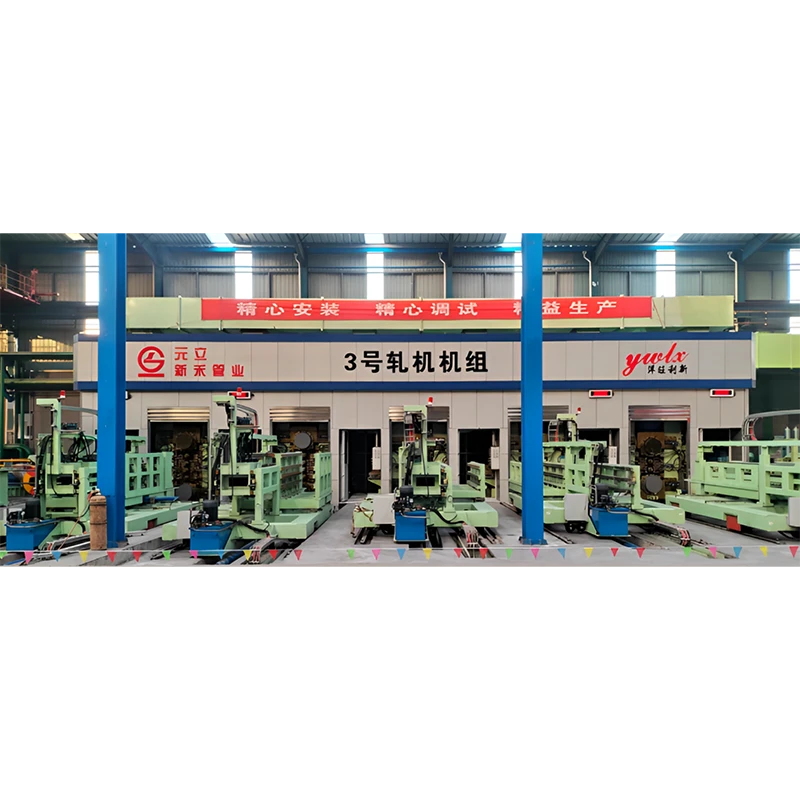
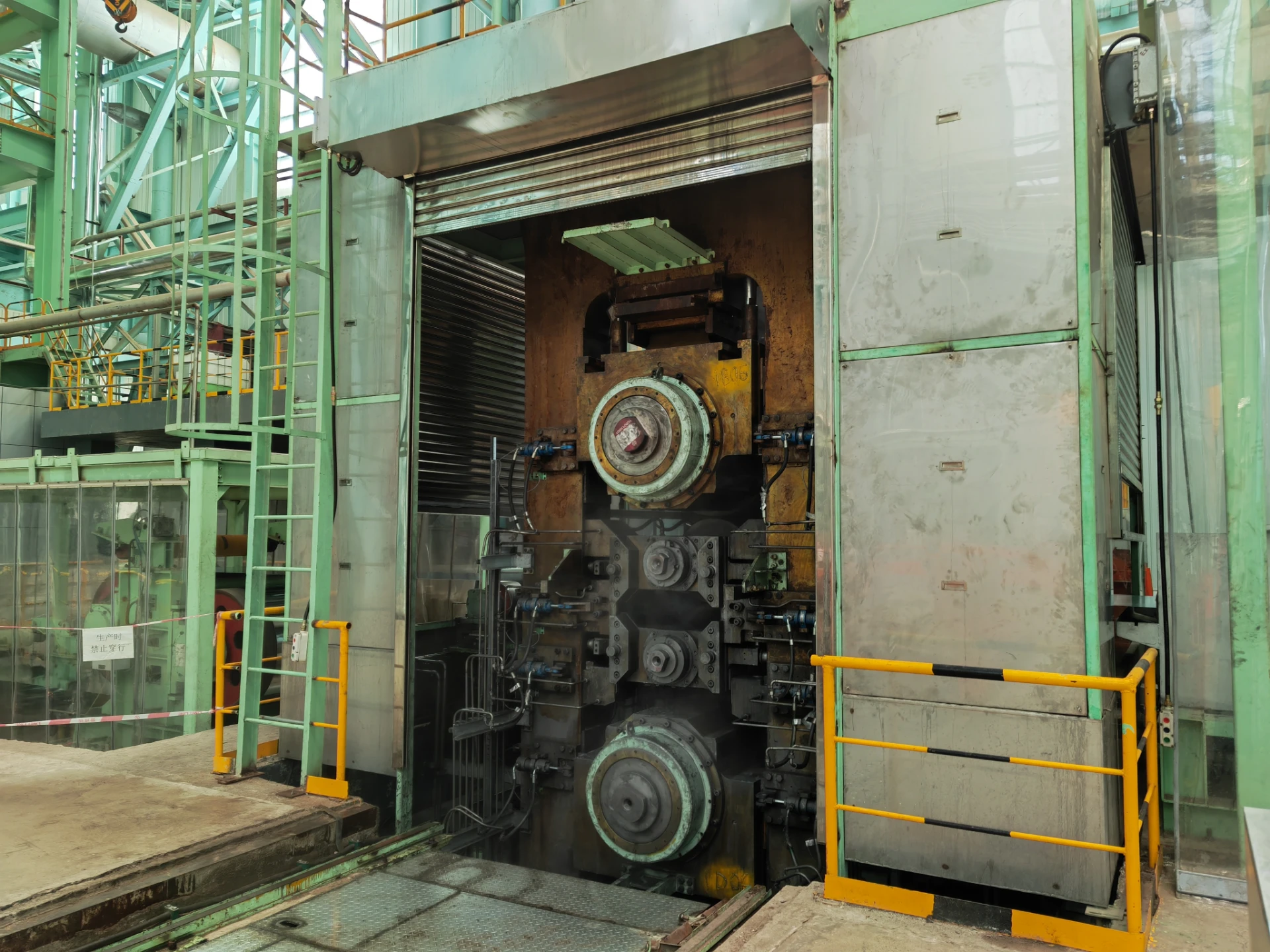
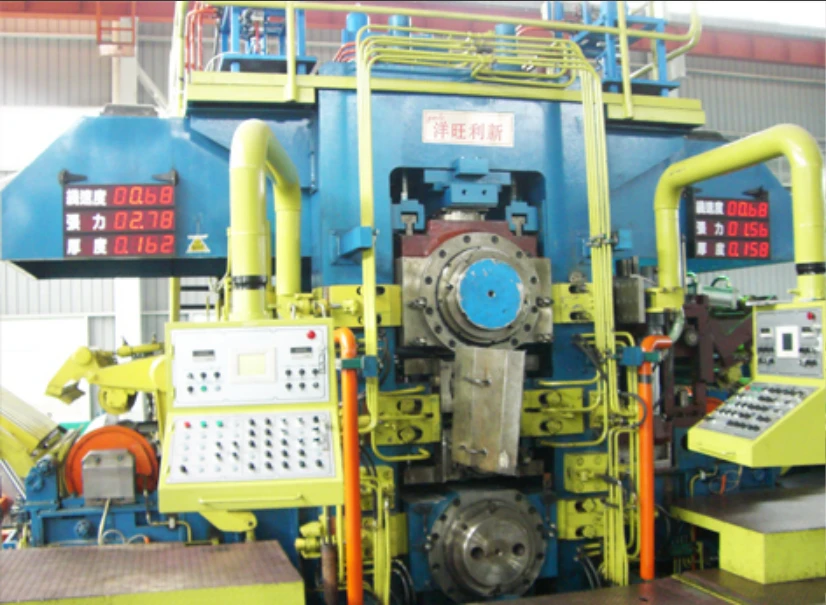
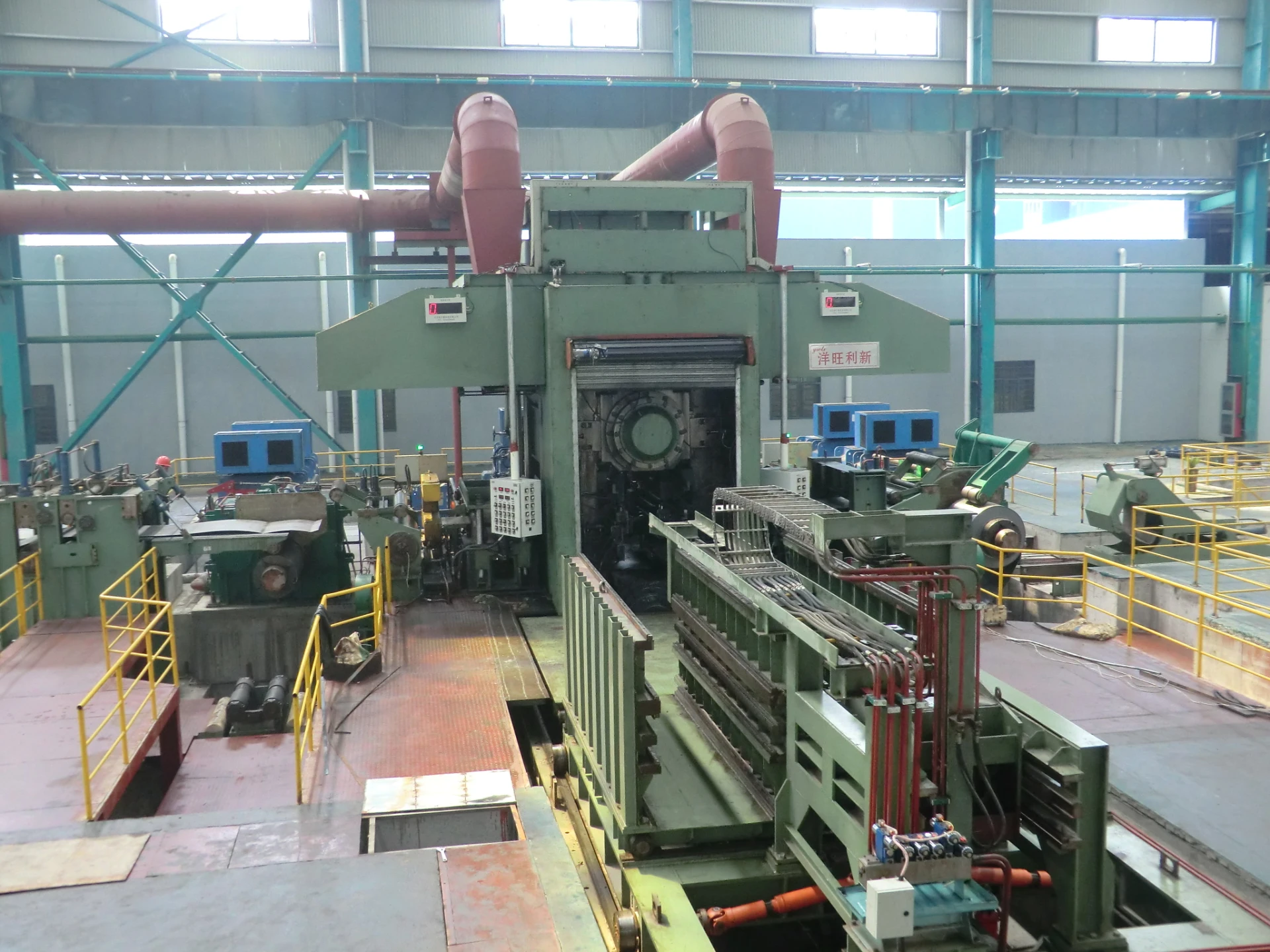
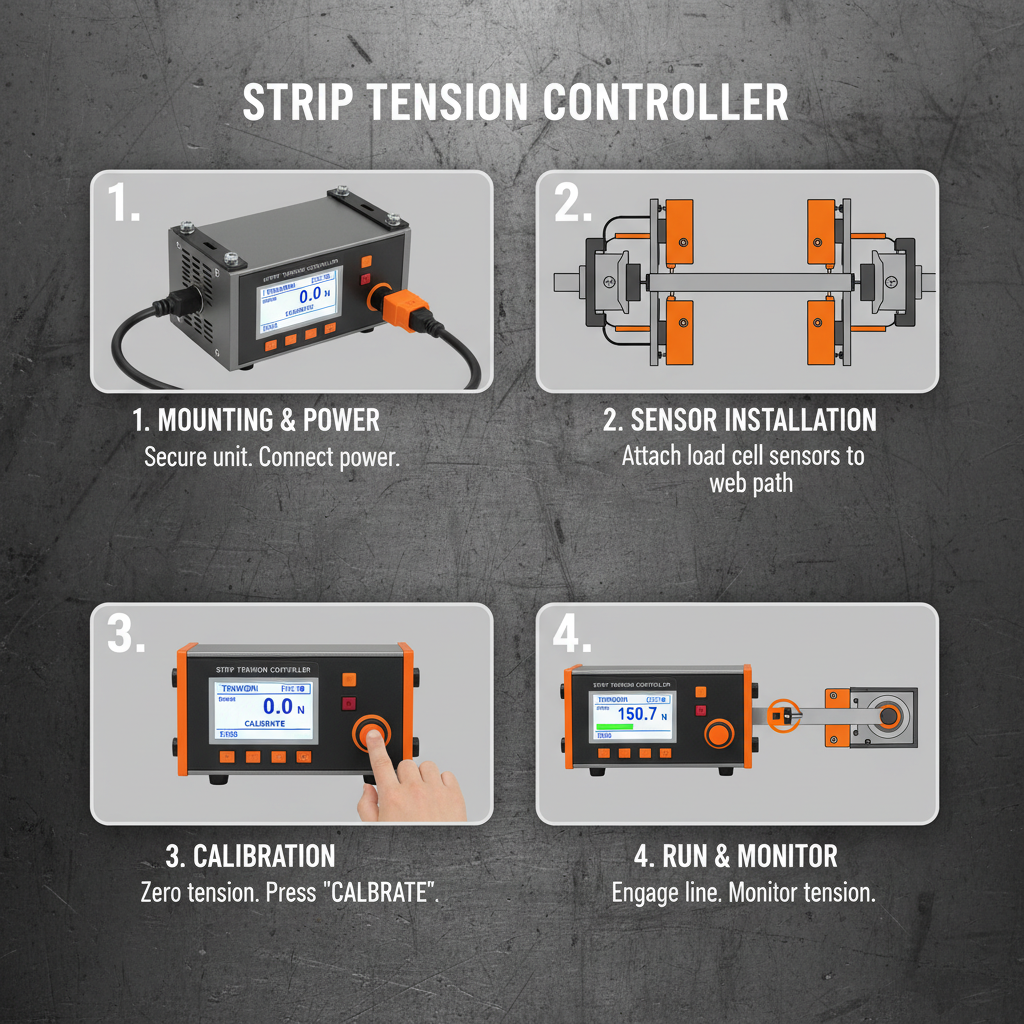
A strip tension controller is a sophisticated system designed to regulate the force applied to a moving strip of material – whether it's paper, film, foil, textiles, or other flexible materials. It works by continuously monitoring the tension and automatically adjusting brakes, drives, or clutches to maintain a desired tension level. These controllers are the brain of the tension control system, providing feedback and precise adjustments to maintain optimal performance. They are essential for preventing issues like wrinkling, tearing, or uneven winding. BJYWLX specializes in providing advanced strip tension controllers tailored for diverse industrial needs.
Key Benefits: Precise tension control improves product quality, minimizes waste, increases production speed, and extends the lifespan of machinery.
Types of Strip Tension Controllers
Strip tension controllers come in various configurations to suit different applications and budget requirements. Here’s a breakdown of the common types:
- Open-Loop Controllers: These controllers operate without feedback, relying on pre-set parameters. They are cost-effective but less accurate.
- Closed-Loop Controllers: Utilizing sensors to constantly monitor tension, these controllers offer precise adjustments for consistent performance.
- Programmable Logic Controllers (PLCs): PLCs provide advanced control capabilities, allowing for complex tension profiles and integration with other automation systems.
- Digital Controllers: Offer user-friendly interfaces and precise control, often with data logging and remote monitoring features.
Choosing the Right ストリップ張力コントローラー for Your Application
Selecting the appropriate strip tension controller depends on several factors. Consider the material type, web width, speed, desired tension range, and the complexity of your process. Key considerations include the required accuracy, responsiveness, and integration capabilities. A detailed application analysis is crucial to determine the best controller type. Understanding the specific demands of your process will ensure optimal performance and reliability. Don't hesitate to consult with experts like BJYWLX to receive personalized recommendations.
Key Selection Factors:
• Material Type & Width
• Desired Tension Range
• Process Speed
• Accuracy & Responsiveness
Strip Tension Controller vs. Traditional Tension Control Methods
Traditionally, tension control relied on manual adjustments or simple mechanical systems. However, these methods are prone to inconsistencies and require frequent operator intervention. Modern strip tension controllers offer significant advantages in precision, repeatability, and automation. The table below highlights the key differences:
Applications of Strip Tension Controllers
Strip tension controllers are integral to a wide range of industries, including:
- Printing: Ensuring consistent ink application and preventing smudging.
- Packaging: Maintaining precise film tension for accurate sealing and wrapping.
- Converting: Controlling tension during slitting, rewinding, and coating processes.
- Textile Manufacturing: Regulating yarn and fabric tension for optimal weaving and knitting.
- Paper Production: Maintaining consistent tension for smooth paper handling.
Conclusion: Optimizing Your Processes with Precise Tension Control
Investing in a quality strip tension controller from a reputable supplier like BJYWLX is a strategic move for any operation reliant on web handling. The benefits – improved quality, reduced waste, increased efficiency – translate directly into a stronger bottom line. Don't settle for inconsistent tension; embrace the precision and reliability of modern control technology.
Frequently Asked Questions (FAQs)
What are the common causes of strip tension variations?
Several factors can contribute to strip tension variations, including inconsistencies in material properties, fluctuations in web speed, uneven winding, and issues with the braking or driving systems. Maintaining proper equipment calibration and using a reliable strip tension controller can mitigate these issues. Regular inspection and maintenance are also crucial. A closed-loop system will actively compensate for these variations, providing stable tension.
How do I calibrate a strip tension controller?
Calibration typically involves setting the desired tension level and verifying the controller’s accuracy using a tension sensor. The process varies depending on the controller model. Refer to the manufacturer’s documentation for specific instructions. It's often recommended to perform calibration with a known weight or force applied to the strip. Regular calibration ensures the controller maintains its accuracy over time. BJYWLX provides comprehensive support and calibration services.
What is the role of sensors in strip tension control?
Sensors are critical components in closed-loop tension control systems. They continuously measure the strip tension and provide feedback to the controller. Common types of sensors include load cells, ultrasonic sensors, and magnetic sensors. The accuracy and responsiveness of the sensor directly impact the overall performance of the control system. Selecting the appropriate sensor for your application is essential.
Can a strip tension controller be integrated with other automation systems?
Yes, many strip tension controllers offer integration capabilities with PLCs, HMIs, and other automation systems. This allows for centralized control and monitoring of the entire process. Integration enables data logging, remote adjustment, and synchronization with other machine functions. BJYWLX controllers are designed for seamless integration with various industrial automation platforms.
-
Ship Multi-Project Equipment on the Lantern FestivalNewsMar.03,2026
-
YWLX Deep Dives into Cladding Line with Dubai ClientNewsDec.22,2025
-
1450mm 6-Hi Reversing Mill Goes Live in BangladeshNewsOct.28,2025
-
Sep. 3rd Parade: Carry Forward and Press OnNewsSep.03,2025
-
Indian Clients Visit YWLX to Inspect Skin-pass MillNewsJun.22,2025
-
Full- throttle! YWLX's Intense Production During May DayNewsMay.01,2025
-
YWLX Participated in the 2025 Chinese GAP Program Review ConferenceNewsApr.17,2025