Advanced 張力制御システム for Enhanced Industrial Efficiency and Quality Control
Understanding 張力制御システム: A Comprehensive Guide
In modern industrial applications, maintaining precise control over tension is critical for efficiency, product quality, and safety. 張力制御システム (Tension Control Systems) are engineered to achieve this, offering solutions across a wide range of industries. This article will explore the core principles of tension control, its applications, key components, and how to select the right system for your needs. A well-implemented tension control system can significantly reduce waste, improve production speed, and enhance the reliability of your processes.
What is a 張力制御システム?
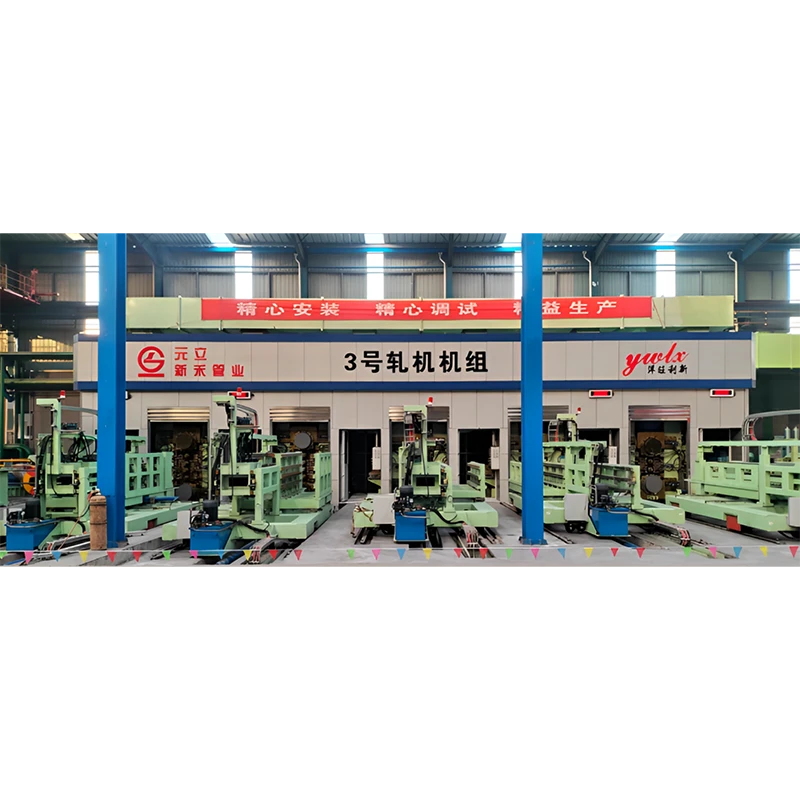
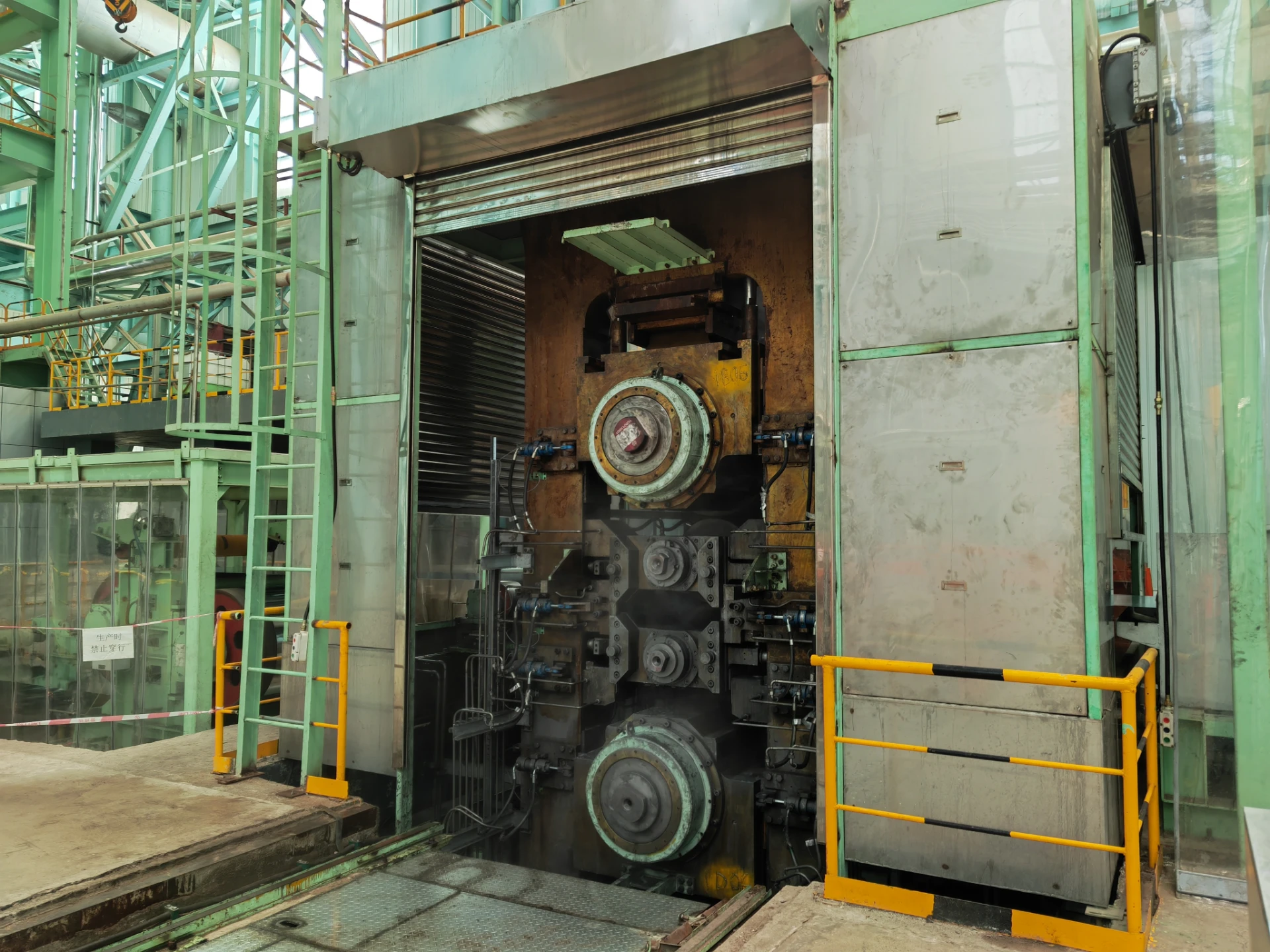
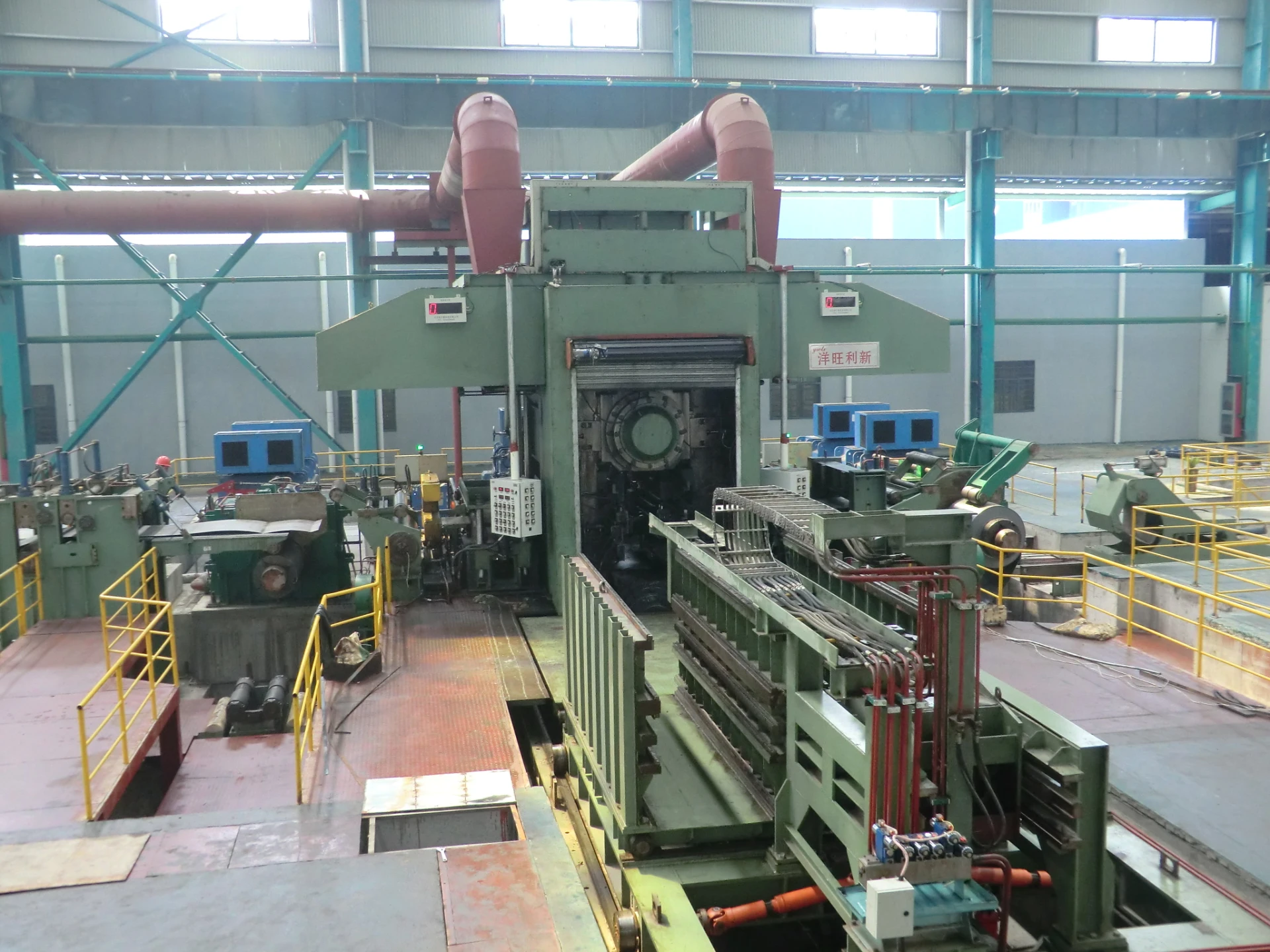
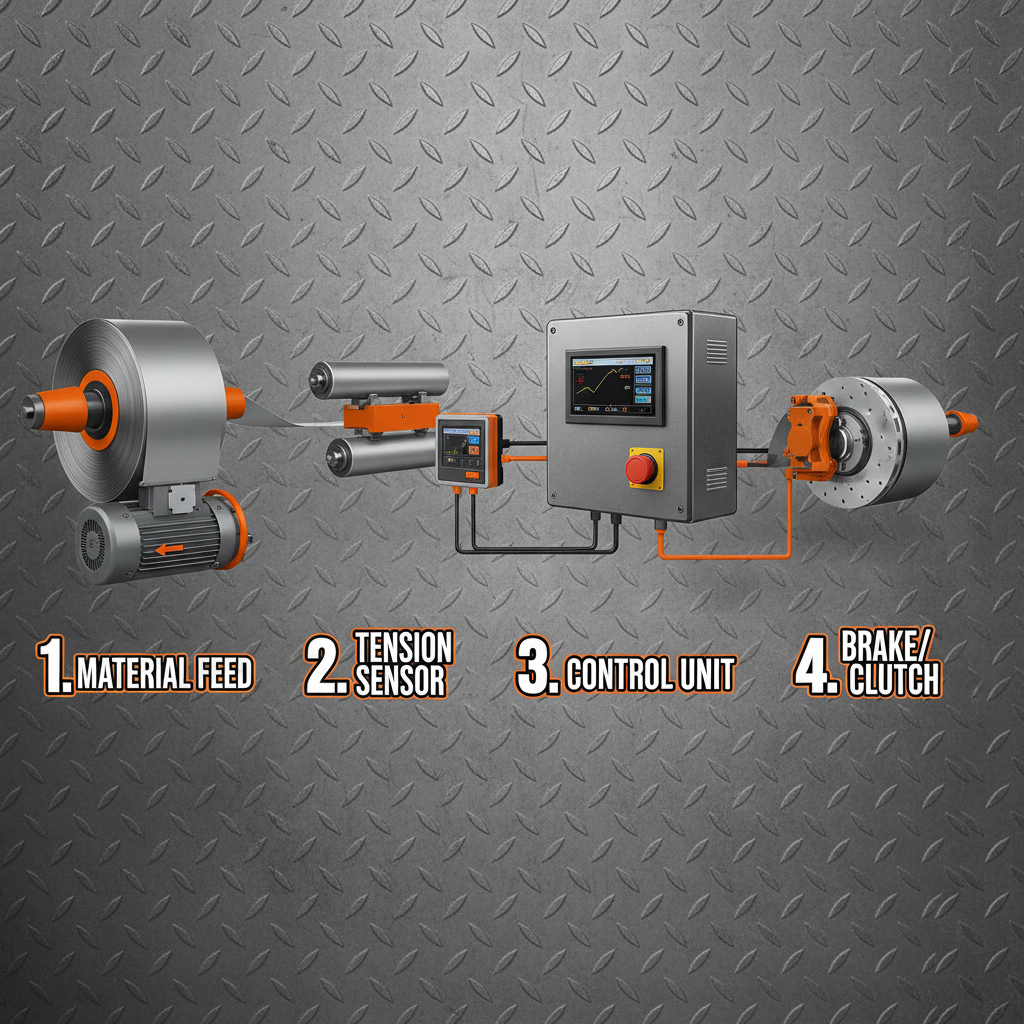
A 張力制御システム is a sophisticated mechanism designed to maintain a consistent and desired level of tension in materials during processes such as winding, unwinding, coating, and printing. It dynamically adjusts to variations in material speed, diameter, or load, ensuring stable operation. These systems are crucial when working with materials like films, papers, textiles, metals, and wires. Without precise tension control, inconsistencies can arise, leading to defects, breaks, and inefficiencies. BJYWLX specializes in the design and manufacture of advanced tension control systems tailored to various industrial applications.
Key Benefits: Improved product quality, reduced material waste, increased production efficiency, minimized downtime, and enhanced safety.
Core Components of a 張力制御システム
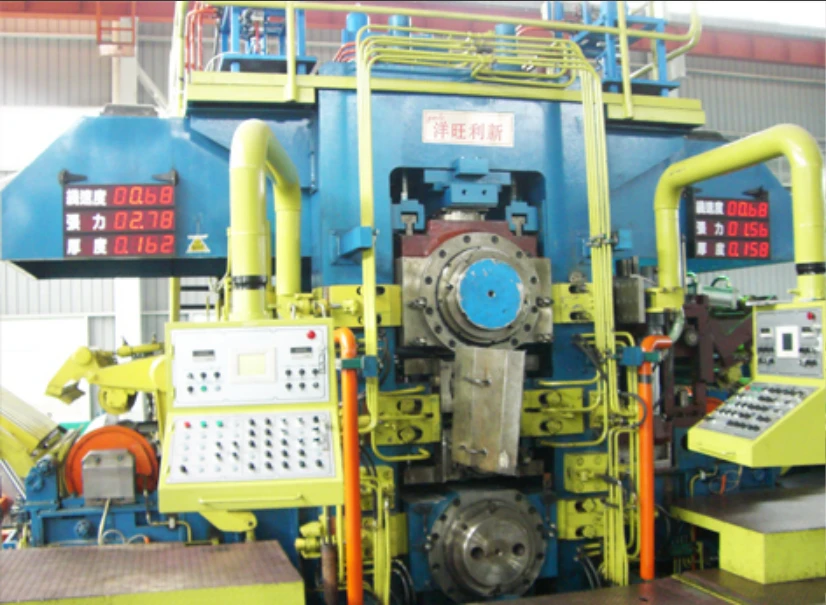
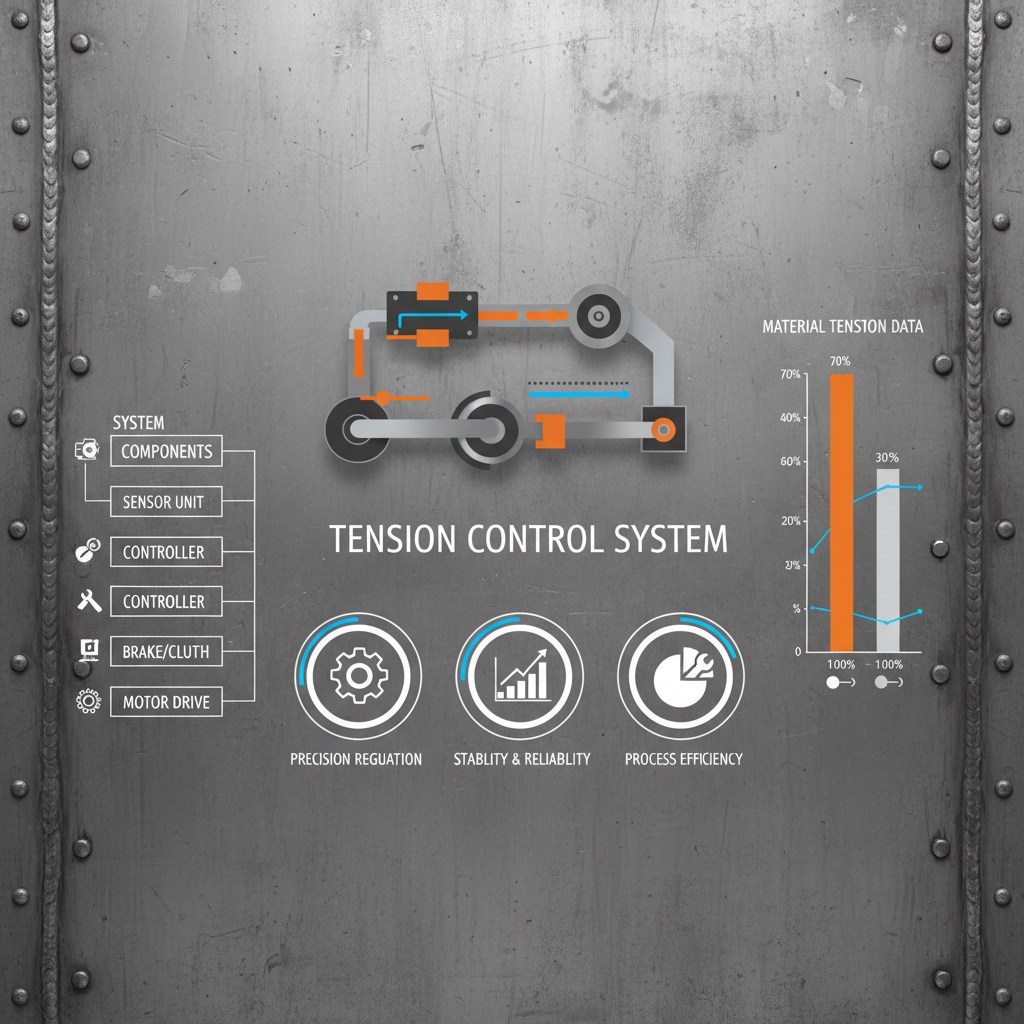
A typical 張力制御システム comprises several essential components working in harmony. These include: Tension Sensors (measuring web tension), Controllers (processing sensor data and generating control signals), Actuators (adjusting braking or driving forces), and Brakes/Drives (implementing tension changes). The controller acts as the ‘brain’ of the system, utilizing algorithms to maintain the desired tension. Different types of controllers are available, ranging from simple on/off control to more sophisticated PID (Proportional-Integral-Derivative) control for enhanced precision.
Essential Components:
• Tension Sensors: Provide real-time tension measurements.
• Controllers: Process data and adjust tension accordingly.
• Actuators: Implement tension adjustments (e.g., brakes, clutches).
• Drives: Provide the power to control web speed and tension.
Types of 張力制御システム – A Comparative Overview
Several types of tension control systems cater to diverse industrial needs. The most common include: Open-Loop Systems (simpler, relying on pre-set parameters), Closed-Loop Systems (more precise, using feedback from tension sensors), and Centerline Control Systems (maintaining a constant tension level, irrespective of material diameter changes). The choice depends on the application's required accuracy, material properties, and budget constraints. Closed-loop systems are generally preferred for critical applications where consistent tension is paramount. BJYWLX offers a range of systems to suit all application needs.
Applications of 張力制御システム Across Industries
The applications of 張力制御システム are vast. In the printing industry, precise tension control prevents web breaks and ensures consistent print quality. The film and foil converting industry uses these systems to maintain uniform material thickness during slitting and winding. Textile manufacturing relies on tension control for consistent yarn tension during weaving and knitting. Furthermore, industries like paper manufacturing, cable production, and non-woven fabric production all benefit from precise tension management.
Selecting the Right 張力制御システム: Key Considerations
Choosing the appropriate 張力制御システム requires careful evaluation. Factors to consider include the material type, web width, operating speed, required tension range, and application-specific requirements. It’s also crucial to assess the level of precision needed and the environmental conditions. BJYWLX offers expert consultation to help you select the optimal system for your specific application, ensuring maximum performance and reliability.
Conclusion: Optimize Your Processes with Precise Tension Control
Investing in a 張力制御システム is a strategic move towards enhanced production efficiency, improved product quality, and reduced operational costs. With a wide range of systems available, BJYWLX provides solutions tailored to meet your specific needs. Don't compromise on precision – choose a reliable tension control system to optimize your processes and gain a competitive edge.
Frequently Asked Questions (FAQs)
What maintenance is required for a 張力制御システム?
Regular maintenance is crucial for ensuring optimal performance and longevity. This includes periodic inspection of sensors, actuators, and controllers. Check for loose connections, worn components, and proper calibration. Lubricate moving parts as recommended by the manufacturer. Software updates for the controller may also be necessary to improve functionality and security. Following a preventative maintenance schedule can minimize downtime and extend the system's lifespan.
What are the common causes of tension fluctuations?
Several factors can contribute to tension fluctuations, including variations in material diameter, inconsistent web speed, and issues with the braking or driving system. Improperly calibrated sensors or controllers can also lead to inaccuracies. Environmental factors, such as temperature changes, can also affect tension. A systematic approach to troubleshooting, including checking sensor readings, actuator performance, and controller settings, is essential for identifying and resolving the root cause.
Can 張力制御システム be integrated with existing machinery?
Yes, most 張力制御システム can be integrated with existing machinery. However, careful planning and assessment are necessary to ensure compatibility. Factors to consider include the machine's control system, power requirements, and physical space constraints. BJYWLX offers customized integration services to seamlessly incorporate tension control systems into your existing production line.
-
Ship Multi-Project Equipment on the Lantern FestivalNewsMar.03,2026
-
YWLX Deep Dives into Cladding Line with Dubai ClientNewsDec.22,2025
-
1450mm 6-Hi Reversing Mill Goes Live in BangladeshNewsOct.28,2025
-
Sep. 3rd Parade: Carry Forward and Press OnNewsSep.03,2025
-
Indian Clients Visit YWLX to Inspect Skin-pass MillNewsJun.22,2025
-
Full- throttle! YWLX's Intense Production During May DayNewsMay.01,2025
-
YWLX Participated in the 2025 Chinese GAP Program Review ConferenceNewsApr.17,2025