Comprehensive Guide to Automatic Pressure Control and Its Industrial Applications
Understanding Automatic Pressure Control: A Comprehensive Guide
Automatic pressure control systems are vital in a multitude of industrial applications, ensuring efficiency, safety, and optimal performance. From regulating air compressors to maintaining consistent fluid delivery, these systems are designed to automate and refine pressure management. This article will delve into the core principles, benefits, components, and applications of automatic pressure controllers, providing a thorough overview for engineers, technicians, and anyone seeking to understand this critical technology. Proper pressure control is not just about operational efficiency, it directly impacts product quality and equipment longevity.
What is Automatic Pressure Control?
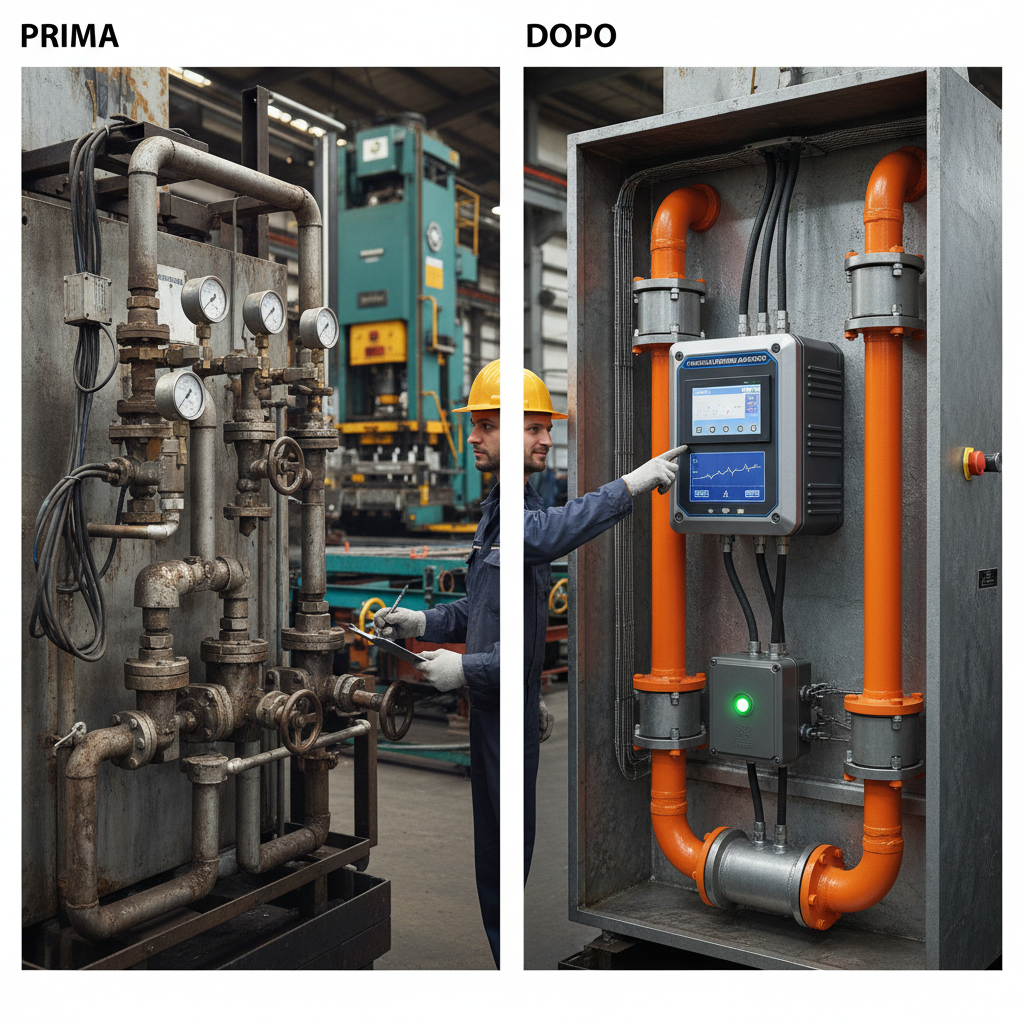
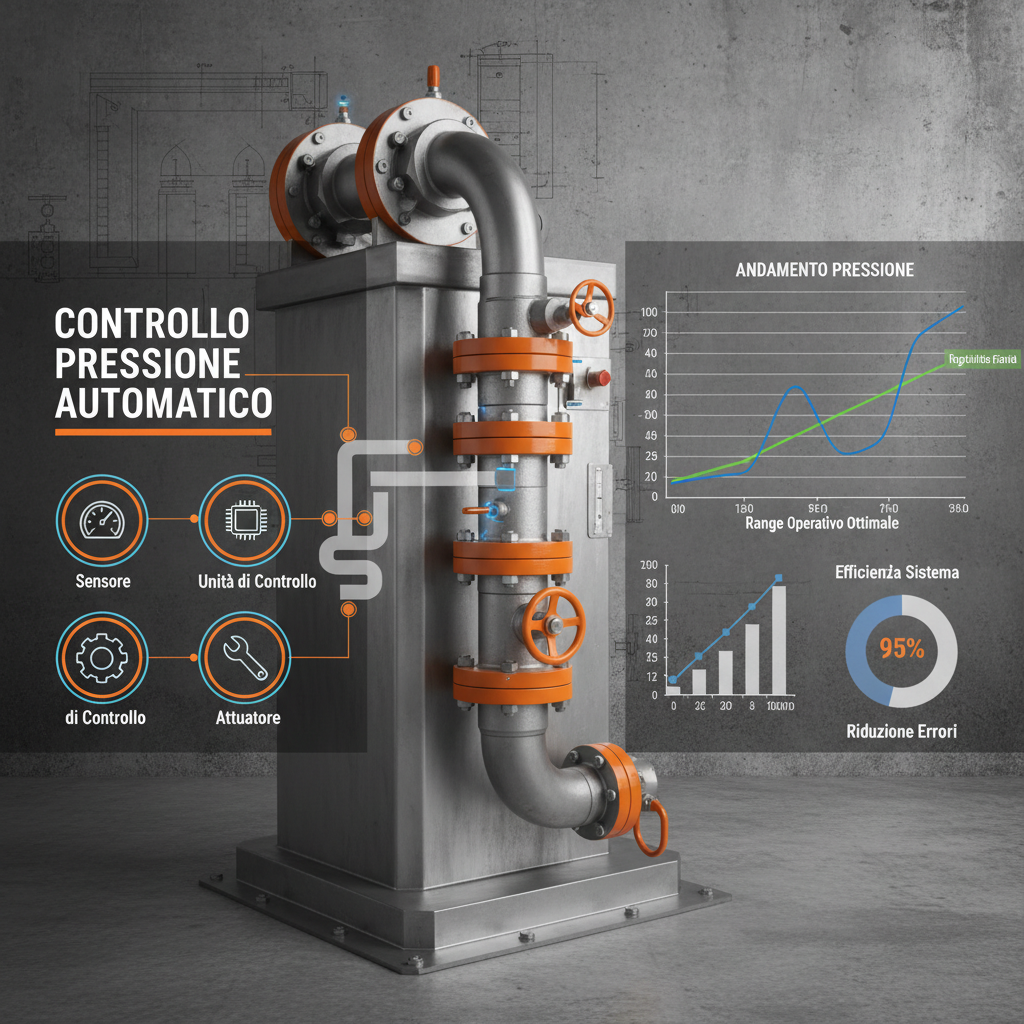
Automatic pressure control involves the use of sensors, controllers, and actuators to automatically maintain a desired pressure level within a system. Unlike manual control, which relies on human intervention, automatic systems continuously monitor pressure and make adjustments as needed, compensating for fluctuations in demand or supply. This precise regulation is achieved through a feedback loop, where the system compares the actual pressure to a setpoint and adjusts accordingly. This automated process minimizes deviations, maximizes efficiency, and enhances safety. BJYWLX offers a range of advanced automatic pressure control solutions.
Key Benefits: Increased efficiency, reduced energy consumption, improved product quality, enhanced safety, and minimized operator intervention.
Key Components of an Automatic Pressure Control System
A typical automatic pressure control system comprises several core components. These include a pressure sensor, which measures the actual pressure; a controller, which compares the measured pressure to the desired setpoint; an actuator (e.g., a control valve or pump speed regulator), which adjusts the pressure; and a feedback loop that transmits the measured pressure back to the controller. The choice of components depends on the specific application, pressure range, and fluid type. Modern controllers often incorporate advanced algorithms, such as PID (Proportional-Integral-Derivative) control, to optimize performance and minimize overshoot.
Component Breakdown:
• Pressure Sensor: Measures system pressure.
• Controller: Processes sensor data and calculates adjustment signals.
• Actuator: Modifies pressure based on controller signals.
• Feedback Loop: Continuously monitors and adjusts pressure.
Controllo Pressione Automatico: Applications Across Industries
The applications of automatic pressure control are incredibly diverse. In the chemical industry, precise pressure regulation is critical for safe and efficient reaction processes. In water treatment plants, these systems maintain optimal pressure for filtration and distribution. Manufacturing facilities utilize automatic pressure control for pneumatic and hydraulic systems, powering machinery and robots. The food and beverage industry relies on it for consistent filling and packaging. Furthermore, applications extend to HVAC systems, oil and gas pipelines, and medical equipment. BJYWLX caters to a wide range of these industrial needs with customizable solutions.
Selecting the Right Automatic Pressure Controller
Choosing the appropriate automatic pressure controller requires careful consideration of several factors. The pressure range, fluid type, accuracy requirements, and environmental conditions are all crucial. Furthermore, the control algorithm (e.g., PID) should be selected based on the dynamic characteristics of the system. BJYWLX offers expert consultation to help you select the optimal controller for your specific application. Consider also the communication protocols required for integration with existing control systems.
Future Trends in Automatic Pressure Control
The field of automatic pressure control is constantly evolving. Emerging trends include the integration of Artificial Intelligence (AI) and Machine Learning (ML) for predictive control and self-tuning algorithms. Wireless sensor networks and cloud-based monitoring are also gaining popularity, enabling remote control and data analysis. Furthermore, advancements in sensor technology are leading to more accurate and reliable pressure measurements. These innovations promise to further enhance the efficiency, safety, and performance of automatic pressure control systems.
Conclusion: Embracing Automation for Optimal Pressure Management
Investing in automatic pressure control systems is a strategic move for businesses seeking to improve efficiency, safety, and product quality. The benefits are substantial, and the technology is constantly evolving to meet the demands of modern industrial applications. BJYWLX is dedicated to providing cutting-edge solutions and expert support to help you optimize your pressure management processes.
Frequently Asked Questions (FAQs)
What is the typical response time of an automatic pressure control system?
The response time varies depending on the system's components, control algorithm, and the characteristics of the process being controlled. Typically, a well-tuned system can achieve response times ranging from fractions of a second to several seconds. Faster response times are often desirable for applications requiring tight pressure regulation, but they can also lead to instability if not properly configured. Factors influencing response time include sensor speed, actuator response, and the complexity of the control algorithm. Contact BJYWLX for detailed specifications.
How does PID control work in automatic pressure control?
PID (Proportional-Integral-Derivative) control is a widely used algorithm in automatic pressure control. It works by calculating an error signal, which is the difference between the desired setpoint and the measured pressure. The controller then adjusts the actuator based on three terms: Proportional (responds to the current error), Integral (corrects for accumulated error), and Derivative (predicts future error based on the rate of change). By tuning these three parameters, engineers can optimize the system's response, stability, and accuracy.
What maintenance is required for automatic pressure control systems?
Regular maintenance is crucial for ensuring reliable operation. This includes periodic calibration of pressure sensors, inspection of actuators for wear and tear, and cleaning of filters. Software updates for the controller may also be necessary to address bugs or improve performance. It's recommended to establish a preventative maintenance schedule based on the manufacturer's recommendations and the specific operating conditions.
-
Ship Multi-Project Equipment on the Lantern FestivalNewsMar.03,2026
-
YWLX Deep Dives into Cladding Line with Dubai ClientNewsDec.22,2025
-
1450mm 6-Hi Reversing Mill Goes Live in BangladeshNewsOct.28,2025
-
Sep. 3rd Parade: Carry Forward and Press OnNewsSep.03,2025
-
Indian Clients Visit YWLX to Inspect Skin-pass MillNewsJun.22,2025
-
Full- throttle! YWLX's Intense Production During May DayNewsMay.01,2025
-
YWLX Participated in the 2025 Chinese GAP Program Review ConferenceNewsApr.17,2025