


News
-
Maintaining consistent roll tension control is crucial for optimal performance across numerous industries, including printing, packaging, and textile manufacturing. Fluctuations in tension can lead to defects, waste, and reduced productivity. This article delves into the principles of roll tension control, its importance, common methods, and the solutions offered by BJYWLX. We’ll explore how precise tension control can enhance product quality, minimize downtime, and streamline your operations. Insufficient tension can cause wrinkles, slippage, and uneven winding. Excessive tension, conversely, can stretch the material, leading to distortions and potential breakage. BJYWLX specializes in providing advanced solutions for precise and reliable roll tension control, tailored to meet the unique needs of various industries. Key Benefits of Effective Tension Control: Improved product quality, reduced material waste, increased production efficiency, minimized downtime, and consistent performance. Several techniques are employed to achieve effective roll tension control. These include: Pneumatic Tension Control, Magnetic Tension Control, Eddy Current Tension Control, and Load Cell Based Control. BJYWLX offers a comprehensive range of tension control systems utilizing these technologies, ensuring optimal performance for your specific application.Read more
-
Closed-loop tension control is a vital technology in numerous industrial applications, ensuring precise and consistent material handling. This system dynamically adjusts tension based on real-time feedback, optimizing processes and minimizing waste. Understanding the principles and benefits of closed-loop tension control is crucial for improving efficiency and quality in sectors like web processing, printing, and packaging. We will explore its components, advantages, and how it compares to open-loop systems. Closed-loop tension control, also known as feedback tension control, is a system that maintains a desired tension level in a material—like paper, film, or fabric—by constantly monitoring and adjusting based on real-time measurements. Unlike open-loop systems which rely on pre-set parameters, closed-loop systems actively respond to variations, guaranteeing consistent tension even when external factors change.Read more
-
In numerous industrial applications, maintaining precise pressure is critical for efficient operation and product quality. 自動圧力制御 (Automatic Pressure Control) systems are designed to achieve this, offering reliable and consistent performance. This article will delve into the principles, benefits, applications, and key considerations of automatic pressure control, providing a thorough overview for engineers, technicians, and anyone involved in pressure management. Understanding these systems is paramount for optimizing processes and ensuring safety in a variety of industries. 自動圧力制御 systems operate based on a feedback loop. A pressure sensor continuously monitors the system's pressure, sending a signal to a controller. The controller compares the measured pressure to a pre-defined setpoint. If there is a deviation, the controller adjusts a control valve or pump to increase or decrease the pressure, bringing it back to the desired level. This continuous monitoring and adjustment ensure stable and accurate pressure control.Read more
-
In numerous industrial processes, precise tension management is crucial for ensuring product quality, operational efficiency, and overall system reliability. From web handling in printing and packaging to winding operations in textiles and plastics, controlling the tension of materials is paramount. This article provides a comprehensive overview of tension management principles, techniques, and the benefits of implementing effective systems. Mastering tension management can significantly reduce waste, improve production rates, and extend equipment lifespan. Effective tension management directly impacts several key areas of industrial operations. Inconsistent tension can lead to material defects, such as wrinkles, stretching, or breakage. These defects result in wasted materials, increased rework, and reduced product quality. Furthermore, improper tension places undue stress on machinery components, accelerating wear and tear, leading to costly downtime and maintenance. By implementing precise tension control systems, manufacturers can optimize their processes, minimize waste, and maximize profitability.Read more
-
 In the competitive global markets for automobile steel, high-grade plate, strip, and coil, the final surface and mechanical properties are not merely attributes—they are the definitive factors that determine commercial acceptance, performance, and value. Beyond primary hot and cold rollingRead more
 -
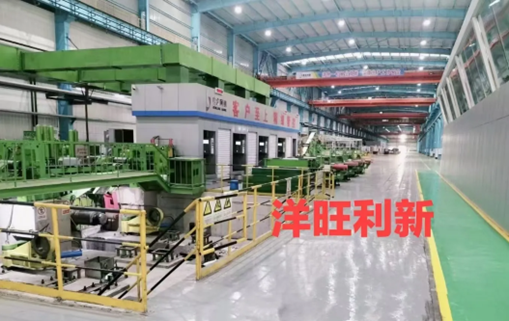 In the high-stakes world of metallurgical rolling for the automobile steel, plate, strip, and coil industries, equipment uptime is synonymous with profitability. The seamless transformation of raw metal into precise, high-strength automotive steel relies on the relentless operation of rolling millsRead more
 -
 In the precision-driven world of manufacturing automobile steel, plate, strip, and coil, consistency is not just a goal—it is the foundational requirement for quality, efficiency, and profitabilityRead more
 -
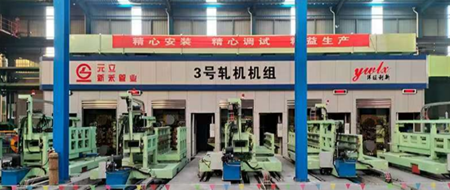 In the demanding world of metallurgical rolling, where precision dictates profit, the synergy between critical components determines the success of every production line. At the heart of this process lies the work roll, the direct architect of product dimensions and surface quality. Its performanceRead more
 -
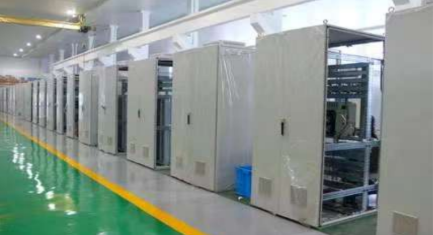 In the high-stakes world of metallurgical production for automobile steel, plate, strip, and coil, precision is the ultimate currencyRead more
 -
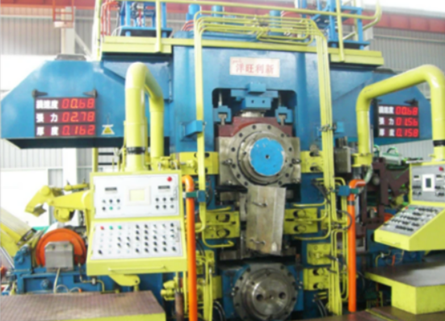 In the high-stakes production of automobile steel, plate, strip, and coil, achieving the precise mechanical properties and flawless surface quality demanded by global manufacturers is the ultimate benchmark of successRead more
 -
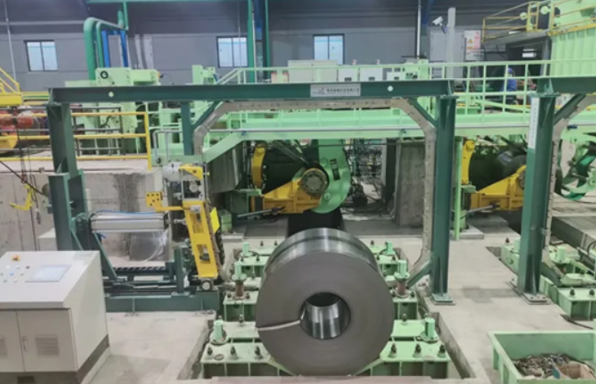 In the high-stakes production of Automobile steel, plate, strip, and coil, every component in the mill line carries immense responsibility. Yet, few are as critical as the work roll—the precise point of contact where raw material is transformed into a finished productRead more
 -
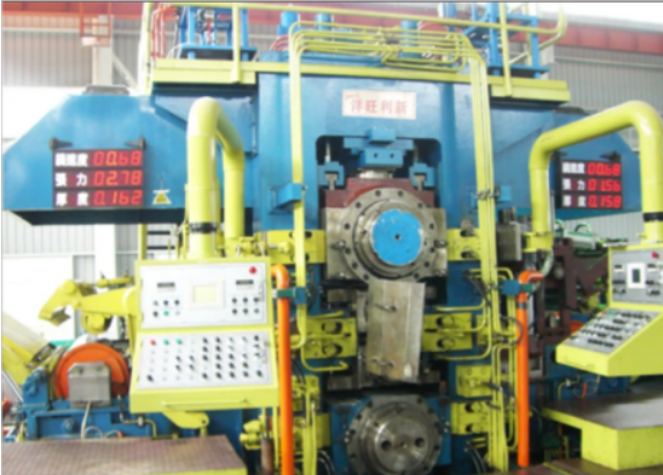 In the high-stakes production of Automobile steel, plate, strip, and coil, achieving the precise mechanical properties and flawless surface required by global markets is non-negotiable. The final arbiter of this quality is the temper millRead more


