Optimizing Safety and Performance with Advanced Controllo Tensione Systems
Understanding and Implementing Controllo Tensione for Optimal Safety
Maintaining the correct tension in critical systems is paramount for safety and efficiency. Controllo Tensione, or tension control, is a vital process across numerous industries, from manufacturing and engineering to transportation and infrastructure. This article delves into the principles of tension control, its importance, effective methods, and the tools used to achieve precise and reliable results. Proper BJYWLX provides solutions for diverse tension control requirements. Ignoring tension control can lead to equipment failure, reduced performance, and potentially dangerous situations.

The Importance of Controllo Tensione
Effective controllo tensione is crucial for a multitude of reasons. In conveyor systems, proper belt tension ensures efficient material handling and prevents slippage. For machinery involving belts, chains, or cables, accurate tension extends the lifespan of components and minimizes downtime. In structural applications like cable stays on bridges, precise tension is fundamental to the structural integrity of the entire system. Furthermore, consistent tension control leads to more predictable and reliable performance, reducing the risk of catastrophic failures and enhancing overall safety. Neglecting this aspect can result in increased maintenance costs and production losses.
Key Benefits: Extends component lifespan, minimizes downtime, enhances safety, improves performance predictability, and reduces maintenance costs.
Methods for Achieving Effective Controllo Tensione
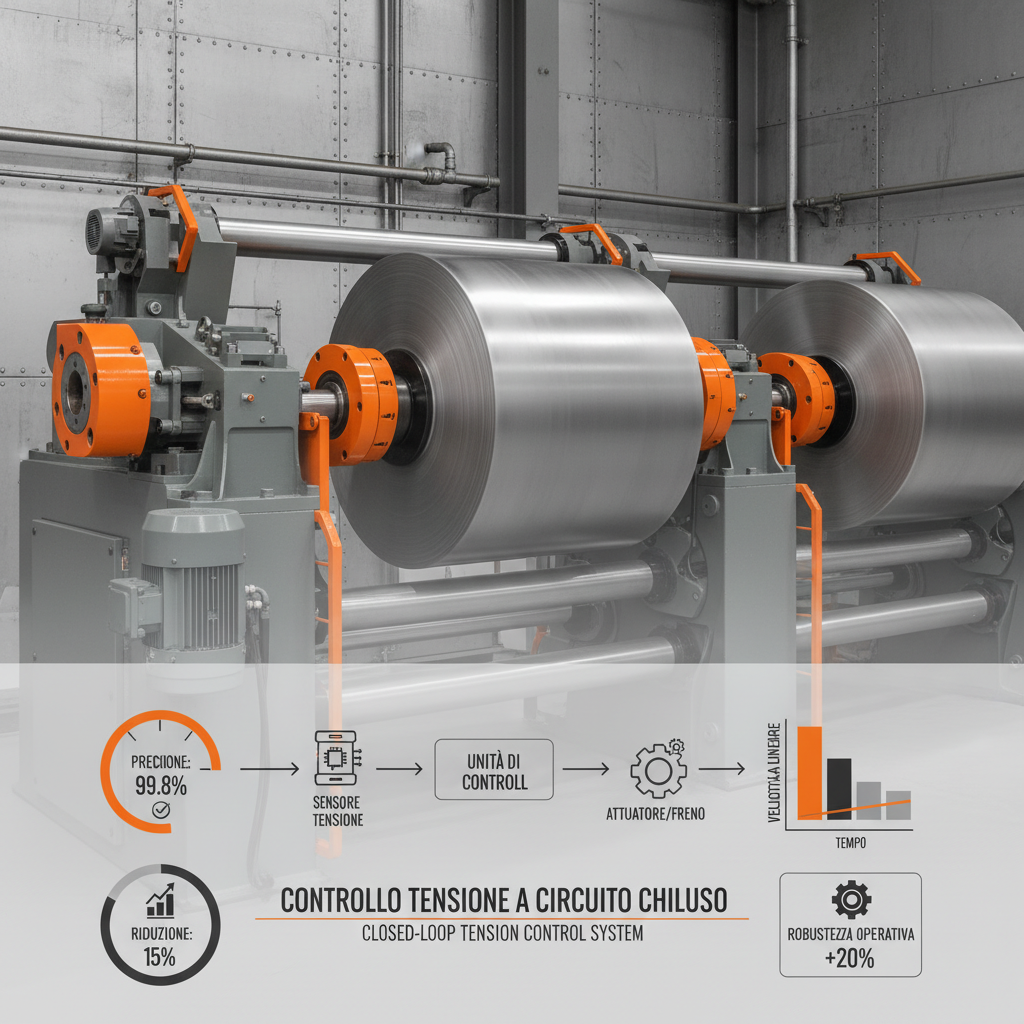
Several methods can be employed to achieve effective controllo tensione, depending on the application. These include manual tensioning using turnbuckles or adjustment screws, mechanical tensioning with springs or pneumatic cylinders, and electronic tensioning with load cells and automated control systems. Manual methods are suitable for less critical applications, while mechanical and electronic systems provide greater precision and reliability for demanding scenarios. Regular inspection and adjustment are vital regardless of the method used, ensuring tension remains within the specified range. BJYWLX can help you identify the optimal solution for your specific tension control needs.
Tension Control Techniques:
• Manual Adjustment (Turnbuckles, Screws)
• Mechanical Tensioning (Springs, Pneumatic Cylinders)
• Electronic Tensioning (Load Cells, Automated Control)
Comparing Tensioning Methods: A Practical Overview
Choosing the right tensioning method depends heavily on the application’s requirements and budget. Manual methods are cost-effective but lack precision and are time-consuming. Mechanical systems offer improved precision and are suitable for applications with moderate tension requirements. Electronic systems, while more expensive, provide the highest level of accuracy, real-time monitoring, and automated adjustment capabilities, making them ideal for critical applications demanding unwavering tension control.
Tools for Accurate Controllo Tensione
Several specialized tools aid in achieving and maintaining accurate tension. Tension meters measure the force applied to belts, cables, or chains. Dynamometers quantify tension levels in various applications. Load cells provide continuous monitoring and feedback for automated tension control systems. BJYWLX offers a comprehensive range of tension measurement and control equipment to meet diverse industry needs. Regular calibration of these tools is essential to ensure accuracy and reliability.
Industries Relying on Precise Controllo Tensione
Numerous industries depend on precise controllo tensione for optimal operation. Manufacturing utilizes it in conveyor systems and power transmission drives. Automotive engineering relies on accurate tension in timing belts and serpentine belts. Aerospace requires precise tensioning of control cables. Construction and infrastructure depend on it for cable-stayed bridges and hoisting systems. The energy sector employs it in power generation and transmission equipment. The need for reliable tension control spans a vast range of applications.
Conclusion: The Cornerstone of Reliable Systems
Implementing effective controllo tensione is not merely a best practice—it’s a foundational element for ensuring the reliability, safety, and longevity of critical systems. By understanding the principles, methods, and tools involved, organizations can optimize performance, minimize downtime, and prevent costly failures. BJYWLX is your partner in achieving optimal tension control solutions.
Frequently Asked Questions (FAQs)
What are the consequences of improper tension?
Improper tension can lead to a range of problems, including premature wear and failure of components, reduced efficiency, increased noise and vibration, and potentially dangerous system malfunctions. Too little tension can cause slippage, while excessive tension can overstress components and shorten their lifespan. Regular inspection and adjustment are critical to prevent these issues.
How often should tension be checked?
The frequency of tension checks depends on the application and the severity of the operating conditions. As a general guideline, tension should be checked during initial installation, after any major maintenance, and then periodically based on usage and environmental factors. For critical applications, continuous monitoring with load cells is recommended.
What is the role of load cells in tension control?
Load cells are transducers that measure force and convert it into an electrical signal. In tension control systems, they provide real-time feedback on tension levels, allowing for precise monitoring and automated adjustment. This is particularly valuable in applications requiring consistent and accurate tension, such as winding and unwinding processes.
-
Ship Multi-Project Equipment on the Lantern FestivalNewsMar.03,2026
-
YWLX Deep Dives into Cladding Line with Dubai ClientNewsDec.22,2025
-
1450mm 6-Hi Reversing Mill Goes Live in BangladeshNewsOct.28,2025
-
Sep. 3rd Parade: Carry Forward and Press OnNewsSep.03,2025
-
Indian Clients Visit YWLX to Inspect Skin-pass MillNewsJun.22,2025
-
Full- throttle! YWLX's Intense Production During May DayNewsMay.01,2025
-
YWLX Participated in the 2025 Chinese GAP Program Review ConferenceNewsApr.17,2025