Optimizing Industrial Processes with Precise Coil Tension Control Systems
Understanding Coil Tension Control: A Comprehensive Guide
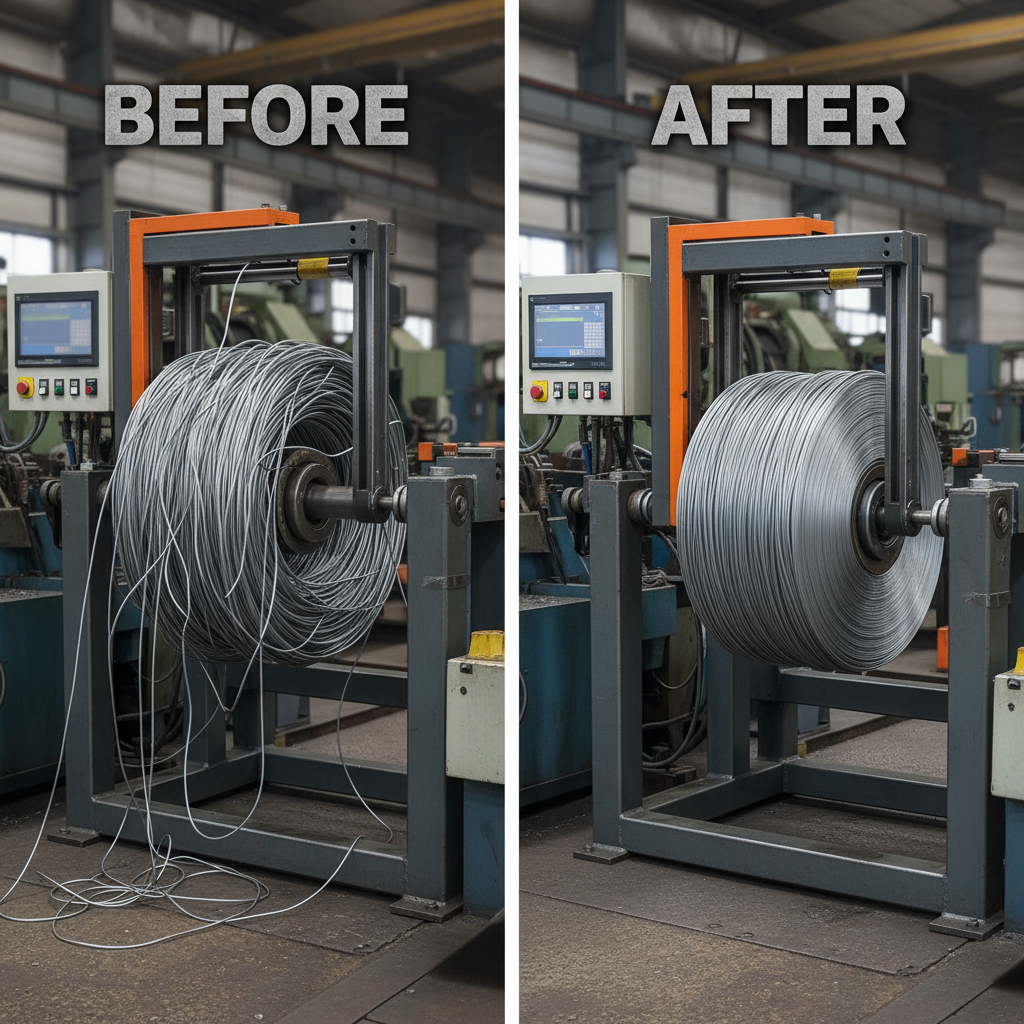
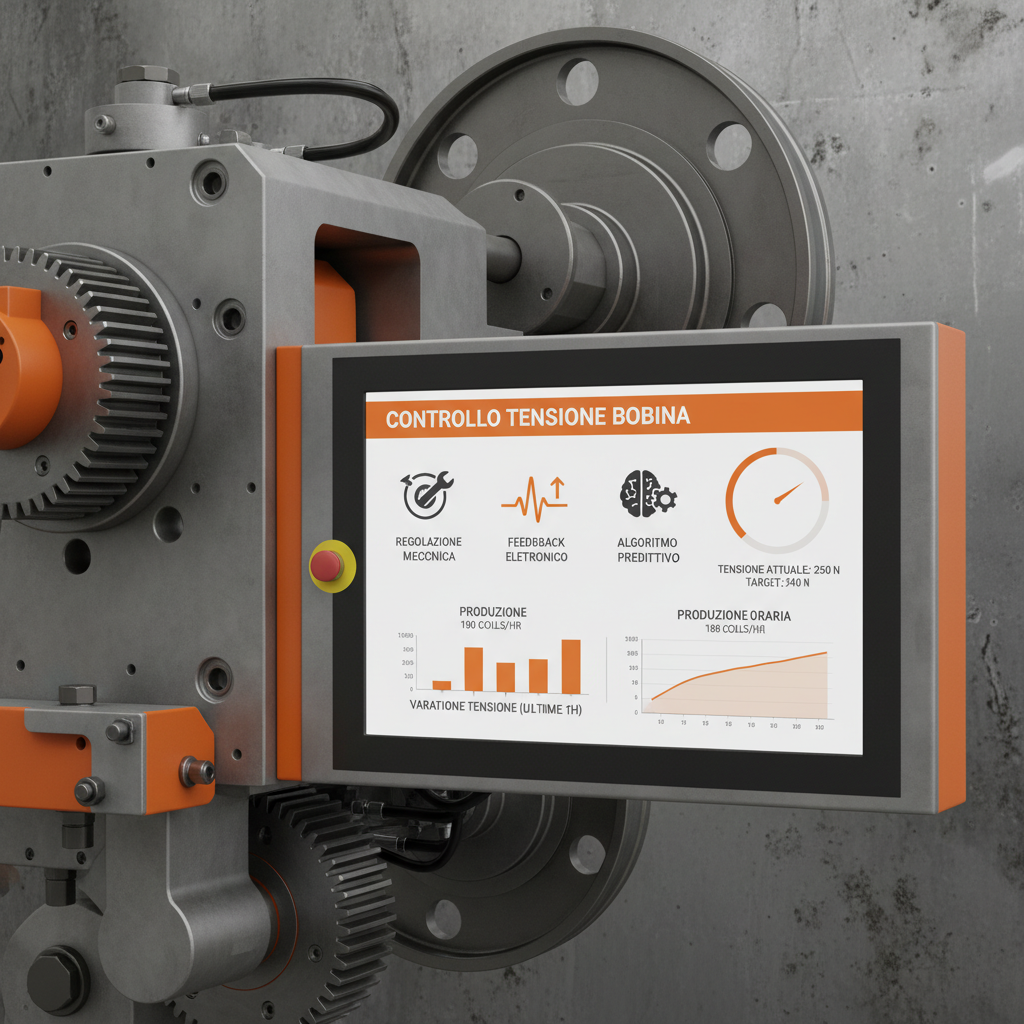
Coil tension control is a critical aspect of many industrial processes, especially those involving winding, unwinding, or transporting materials on coils. Maintaining optimal tension ensures product quality, prevents damage, and optimizes efficiency. This article will delve into the principles of coil tension control, explore common methods, and discuss the benefits of implementing robust tension control systems. Incorrect tension can lead to defects like wrinkles, uneven winding, and even coil breakage, resulting in significant downtime and material waste. Understanding these principles is paramount for maintaining productivity and reducing costs.
The Importance of Accurate Coil Tension Control
Precise coil tension control isn't merely about preventing immediate issues. It profoundly impacts long-term operational efficiency. Consistent tension ensures uniform product quality, reducing the number of rejected products. It minimizes material stretching or compression, which can affect dimensional accuracy. Moreover, effective tension control reduces stress on machinery components, extending their lifespan and minimizing maintenance requirements. For industries like steel, aluminum, paper, and plastics, optimizing coil tension translates directly into higher profitability and a stronger competitive edge.
Key Benefits: Improved product quality, reduced material waste, minimized machinery downtime, and increased operational efficiency.
Common Methods for Coil Tension Control
Several methods are employed for achieving effective coil tension control, each with its advantages and disadvantages. These include:
- Felt Rollers: Provide a consistent frictional force for tension control.
- Magnetic Tension Control: Uses magnetic fields to regulate tension, particularly effective with ferrous materials.
- Pneumatic Tension Control: Employs air pressure to apply braking force, offering precise and adjustable control.
- Eddy Current Brakes: Generate braking force through induced eddy currents, providing smooth and reliable tension control.
- Load Cells: Measure the tension directly, providing feedback for closed-loop control systems.
The optimal method depends on the specific material being handled, the required tension range, and the overall process requirements. BJYWLX specializes in providing customized tension control solutions tailored to diverse industrial needs.
Coil Tension Control Systems: Open-Loop vs. Closed-Loop
Coil tension control systems can be broadly categorized into open-loop and closed-loop configurations. Open-loop systems rely on pre-set parameters and lack feedback mechanisms. They are simpler and less expensive but are susceptible to inaccuracies due to variations in material properties or process conditions. Closed-loop systems, on the other hand, utilize sensors (such as load cells) to continuously monitor tension and automatically adjust the braking force to maintain the desired tension level. Closed-loop systems are more precise and reliable, particularly in applications requiring consistent tension control.
Open-Loop vs. Closed-Loop:
• Open-Loop: Simple, cost-effective, less accurate.
• Closed-Loop: Precise, reliable, more complex.
Comparing Tension Control Technologies
The selection of the right tension control technology hinges on specific application requirements. Here's a comparison of several popular options:
Selecting the Right Coil Tension Control System
Choosing the appropriate coil tension control system requires careful consideration of several factors. These include the type of material being processed, the desired tension range, the process speed, and the required level of accuracy. A thorough assessment of your specific needs is crucial. BJYWLX offers expert consultation services to help you identify the optimal solution for your application. Our engineers will work with you to analyze your requirements and recommend a customized system that delivers superior performance and reliability.
Conclusion: Optimizing Your Processes with Precision Tension Control
Implementing effective coil tension control is a strategic investment that yields significant returns. By improving product quality, reducing waste, and enhancing operational efficiency, you can gain a competitive edge in today's demanding market. Contact BJYWLX today to learn more about our comprehensive tension control solutions and how we can help you optimize your processes.
Frequently Asked Questions (FAQs)
What are the typical causes of inconsistent coil tension?
Inconsistent coil tension can stem from various factors, including variations in material properties (e.g., thickness, density), changes in process speed, wear and tear on braking components, and inadequate system calibration. Environmental factors, like temperature fluctuations, can also influence tension. Implementing a closed-loop control system with real-time feedback and regular maintenance can effectively mitigate these issues. Utilizing high-quality components and ensuring proper system setup are also crucial for maintaining consistent tension.
How do load cells contribute to precise tension control?
Load cells act as sensors that directly measure the force exerted on the coil. This real-time tension data is fed back to the control system, which then adjusts the braking force to maintain the desired tension level. Load cells provide accurate and reliable measurements, enabling precise control even in dynamic process conditions. Choosing the right load cell with appropriate capacity and accuracy is essential for optimal performance. Regular calibration ensures the load cell provides consistent and trustworthy readings.
What industries benefit most from advanced coil tension control systems?
Numerous industries benefit significantly from advanced coil tension control systems, including steel processing, aluminum production, paper manufacturing, plastics converting, and textiles. Any industry that involves winding, unwinding, or transporting materials on coils can improve efficiency, quality, and cost-effectiveness by implementing a robust tension control system. The specific requirements vary depending on the application, but the underlying principle of maintaining consistent tension remains crucial for optimal performance.
What maintenance is required for a coil tension control system?
Regular maintenance is essential for ensuring the long-term reliability of a coil tension control system. This includes inspecting braking components for wear, calibrating load cells, checking air filters (for pneumatic systems), and verifying the functionality of sensors and control units. Establishing a preventative maintenance schedule and adhering to the manufacturer's recommendations can minimize downtime and prevent costly repairs. Proper lubrication of moving parts is also crucial for smooth operation.
-
Ship Multi-Project Equipment on the Lantern FestivalNewsMar.03,2026
-
YWLX Deep Dives into Cladding Line with Dubai ClientNewsDec.22,2025
-
1450mm 6-Hi Reversing Mill Goes Live in BangladeshNewsOct.28,2025
-
Sep. 3rd Parade: Carry Forward and Press OnNewsSep.03,2025
-
Indian Clients Visit YWLX to Inspect Skin-pass MillNewsJun.22,2025
-
Full- throttle! YWLX's Intense Production During May DayNewsMay.01,2025
-
YWLX Participated in the 2025 Chinese GAP Program Review ConferenceNewsApr.17,2025