Understanding the Regolatore Tensione Striscia for Optimal LED Strip Performance
Understanding the Regolatore Tensione Striscia: A Comprehensive Guide
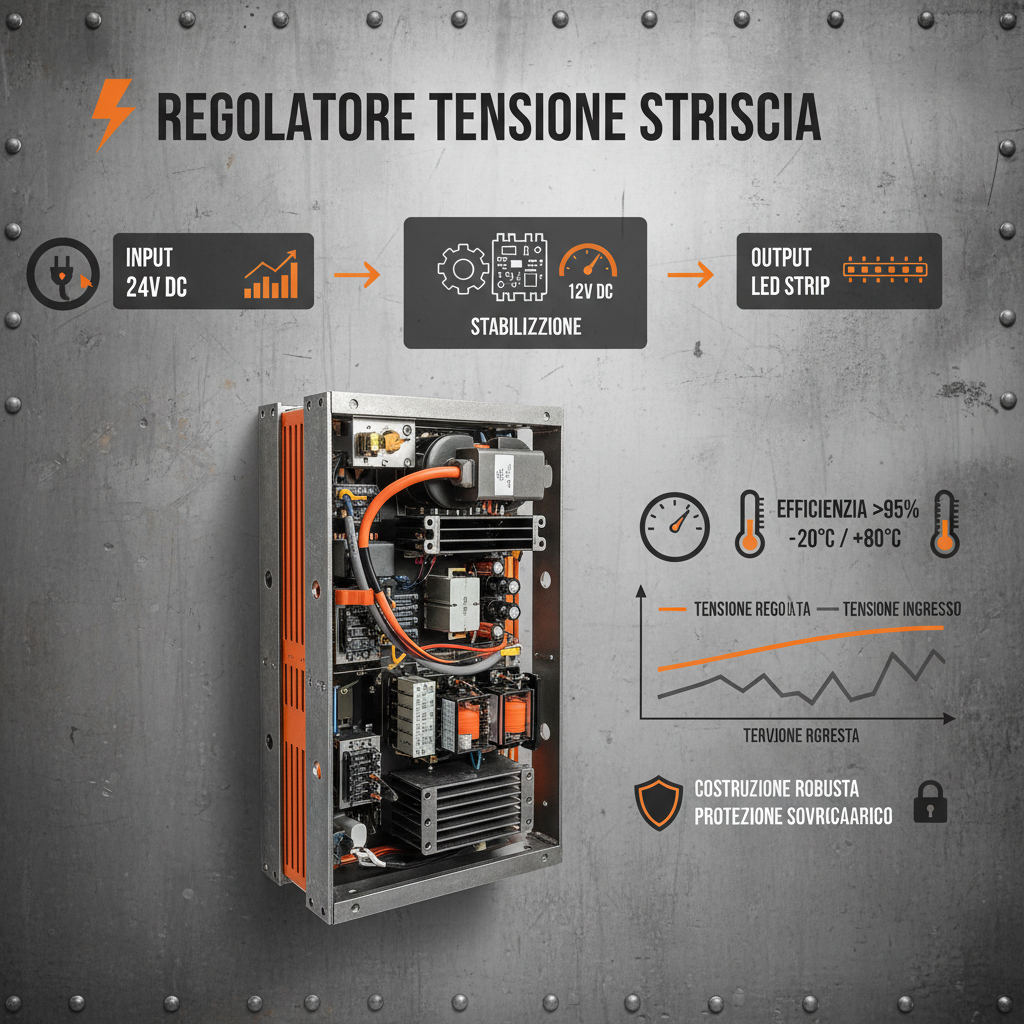
Maintaining optimal tension in LED strip lighting is crucial for a long-lasting and visually appealing installation. This is where the regolatore tensione striscia (LED strip tension regulator) comes into play. This essential component ensures stable voltage delivery, preventing flickering, premature LED failure, and maintaining consistent brightness. This article will delve into the intricacies of these regulators, exploring their function, benefits, types, and how to choose the right one for your project. Proper voltage regulation is the key to unlocking the full potential and longevity of your LED strip lighting systems.
What is a Regolatore Tensione Striscia and Why Do You Need One?
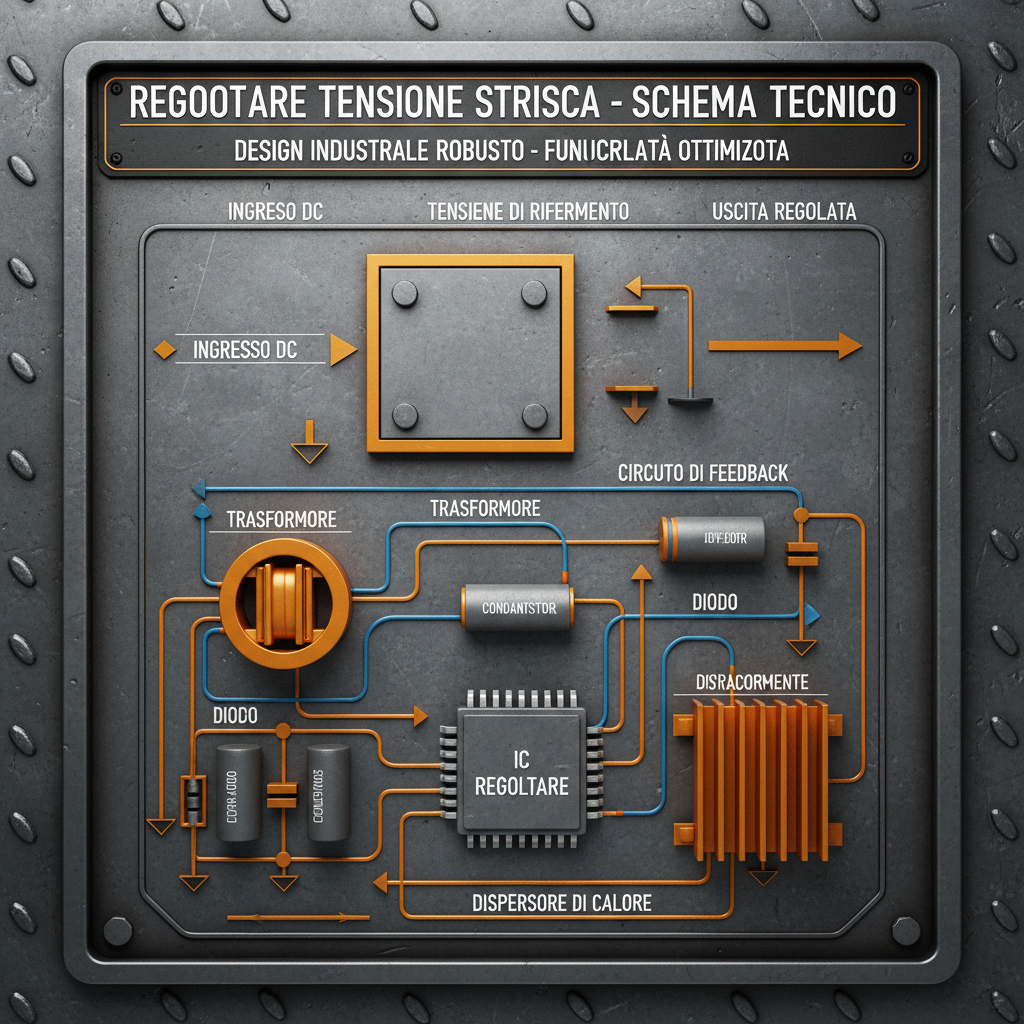
A regolatore tensione striscia, or LED strip tension regulator, is an electronic device designed to maintain a stable output voltage despite variations in input voltage or load current. LED strips are sensitive to voltage fluctuations; even small changes can noticeably affect brightness and color consistency. Without a regulator, voltage drops over long strip lengths can lead to dimming at the far end, while surges can damage the LEDs. These regulators safeguard your investment by providing a consistent power supply, extending the lifespan of your LED strips and ensuring consistent illumination. They are particularly important for long runs of LED strips or installations with unreliable power sources. Think of it as a safety net for your LED system.
Key Benefits: Extends LED strip lifespan, prevents flickering and dimming, ensures consistent brightness, protects against voltage surges and drops, enhances overall system reliability.
Types of Regolatore Tensione Striscia
There are several types of regolatore tensione striscia available, each suited for different applications. The most common include:
- Constant Voltage Regulators: Maintain a fixed output voltage, ideal for standard 12V or 24V LED strips.
- Constant Current Regulators: Deliver a consistent current, often preferred for high-power LED strips.
- PWM (Pulse Width Modulation) Regulators: Allow dimming control by varying the pulse width of the voltage signal.
- Switching Regulators: Highly efficient and offer good regulation, suitable for a wide range of applications.
Choosing the right type depends on the specifications of your LED strip and the desired level of control. Constant voltage regulators are generally simpler and more affordable, while constant current regulators provide more precise control and are better suited for specific LED types.
Choosing the Right Regulator:
• Match the regulator’s voltage to your LED strip’s voltage.
• Ensure the regulator’s current capacity exceeds the total current draw of the LED strip.
• Consider the need for dimming functionality (PWM regulator).
• Choose a reputable brand for quality and reliability.
Regolatore Tensione Striscia: A Comparison of Common Types
Understanding the differences between the various types of regulators is crucial for making the right selection. The table below offers a comparison of some common options:
Selecting a Reputable Supplier
When purchasing a regolatore tensione striscia, it's important to choose a reputable supplier like BJYWLX. A reliable supplier will offer quality products, competitive pricing, and excellent customer support. They should also provide detailed product specifications and technical documentation. Avoid purchasing from unknown sources, as this can lead to lower quality products that may not meet safety standards. Quality regulators ensure the longevity and reliability of your entire LED lighting system.
Conclusion: Ensuring Reliable LED Performance
Investing in a high-quality regolatore tensione striscia is a crucial step in ensuring the reliable and long-lasting performance of your LED strip lighting. By understanding the different types of regulators and choosing a reputable supplier, you can protect your investment and enjoy consistent, beautiful illumination for years to come. Don't compromise on power quality – choose the right regulator for your needs.
Frequently Asked Questions (FAQs)
What is the typical lifespan of a regolatore tensione striscia?
The lifespan of a regulator depends on the quality of components, operating conditions, and load. A well-maintained regulator from a reputable manufacturer can typically last 5-10 years or longer. Factors like overheating, excessive voltage fluctuations, and improper ventilation can shorten its lifespan. Regular inspection and ensuring adequate cooling are crucial for maximizing its longevity. Choosing a regulator with robust thermal protection can also help prevent premature failure.
Can I use a regolatore tensione striscia with any type of LED strip?
Not necessarily. It’s crucial to match the regulator’s voltage and current capacity to the LED strip’s specifications. Using a regulator with insufficient current capacity will limit the brightness of the strip and may damage the regulator. Likewise, using a regulator with the wrong voltage can damage the LED strip. Always check the LED strip’s requirements and choose a regulator that meets or exceeds those specifications.
How do I determine the correct current capacity for my regulator?
Calculate the total current draw of your LED strip by multiplying the current consumption per meter by the total length of the strip in meters. Add a safety margin of 20-30% to account for potential fluctuations and variations in LED strip manufacturing. The regulator’s current capacity should be equal to or greater than this calculated value. For example, if your LED strip consumes 0.5A per meter and you have a 5-meter strip, the total current draw is 2.5A. Adding a 20% safety margin brings the required regulator capacity to 3A.
What safety precautions should I take when working with regolatore tensione striscia?
Always disconnect the power supply before installing or servicing a regulator. Ensure proper grounding to prevent electrical shock. Avoid overloading the regulator by exceeding its current capacity. Use appropriate wiring and connectors to ensure secure connections. If you are unfamiliar with electrical work, consult a qualified electrician. Never operate a damaged regulator. Always follow the manufacturer’s safety guidelines.
-
Ship Multi-Project Equipment on the Lantern FestivalNewsMar.03,2026
-
YWLX Deep Dives into Cladding Line with Dubai ClientNewsDec.22,2025
-
1450mm 6-Hi Reversing Mill Goes Live in BangladeshNewsOct.28,2025
-
Sep. 3rd Parade: Carry Forward and Press OnNewsSep.03,2025
-
Indian Clients Visit YWLX to Inspect Skin-pass MillNewsJun.22,2025
-
Full- throttle! YWLX's Intense Production During May DayNewsMay.01,2025
-
YWLX Participated in the 2025 Chinese GAP Program Review ConferenceNewsApr.17,2025