
Understanding the Regolatore AGC for Optimal Signal Processing Performance
Understanding the Regolatore AGC: A Comprehensive Guide
The Regolatore AGC (Automatic Gain Control) is a critical component in a wide range of signal processing applications. From telecommunications to audio engineering, understanding its function and capabilities is vital. This article will delve into the principles of AGC, its applications, key features to consider, and how BJYWLX provides high-quality AGC solutions. We'll cover how AGC maintains a consistent output level, even with varying input signal strengths, and why this is so important for optimal system performance.
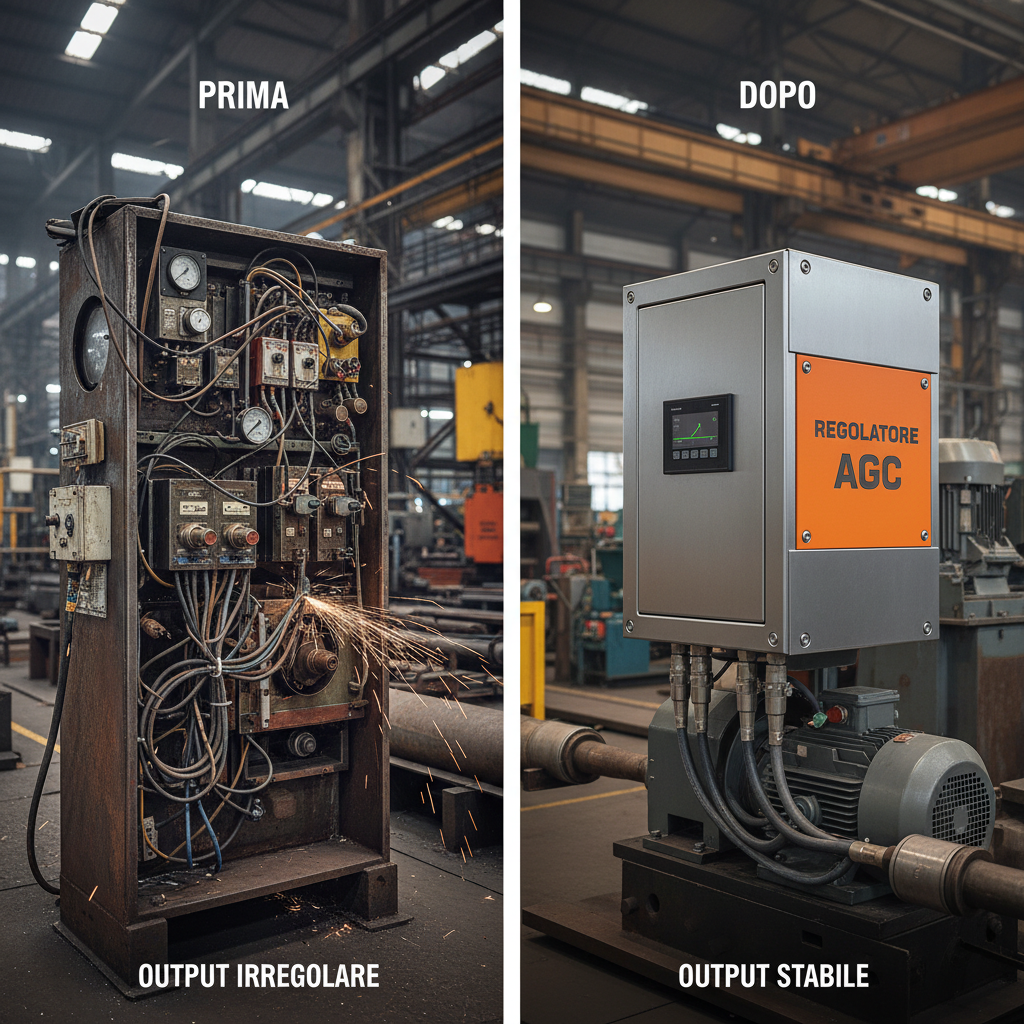
What is Automatic Gain Control (AGC)?
Automatic Gain Control (AGC) is a circuit that automatically adjusts the gain of an electronic amplifier based on the amplitude of the input signal. Essentially, it prevents the output signal from exceeding a predetermined level, even if the input signal fluctuates significantly. This is achieved by reducing the gain when the input signal is strong and increasing it when the input signal is weak. AGC is crucial for maintaining a consistent audio level, preventing distortion, and optimizing the signal-to-noise ratio. Without AGC, a strong input signal could overload the system, while a weak signal might be drowned out by noise.
Key Benefit: AGC ensures a consistent output level regardless of input signal fluctuations, optimizing signal quality and preventing distortion.
Applications of the Regolatore AGC
The applications of the Regolatore AGC are diverse and span numerous industries. In radio broadcasting, AGC prevents overly loud commercials from blasting listeners while ensuring quiet program segments are still audible. In telecommunications, AGC maintains a stable signal strength for clear voice communication. In audio recording, it prevents clipping and ensures consistent levels across different musical passages. Furthermore, AGC is found in mobile phones, hearing aids, and many other electronic devices where maintaining a stable output level is essential.
Common Application Areas:
• Radio Broadcasting
• Telecommunications
• Audio Recording & Mixing
• Mobile Communications
Regolatore AGC: Types and Comparison
There are several types of AGC circuits, each with its strengths and weaknesses. Peak AGC responds to the maximum amplitude of the signal, while RMS AGC responds to the average power of the signal. Instantaneous AGC reacts immediately to signal changes, whereas Attack and Release AGC incorporates time constants to smooth out the gain adjustments. Choosing the right type of AGC depends on the specific application and desired performance characteristics. BJYWLX offers a range of AGC solutions tailored to different needs.
Why Choose BJYWLX for Your Regolatore AGC Needs?
At BJYWLX, we specialize in providing high-performance Regolatore AGC solutions. We offer a wide range of products with varying specifications to meet your specific requirements. Our AGC circuits are designed for reliability, accuracy, and low noise. We pride ourselves on delivering exceptional customer service and technical support. We use quality materials and stringent quality control processes to ensure our products meet the highest standards.
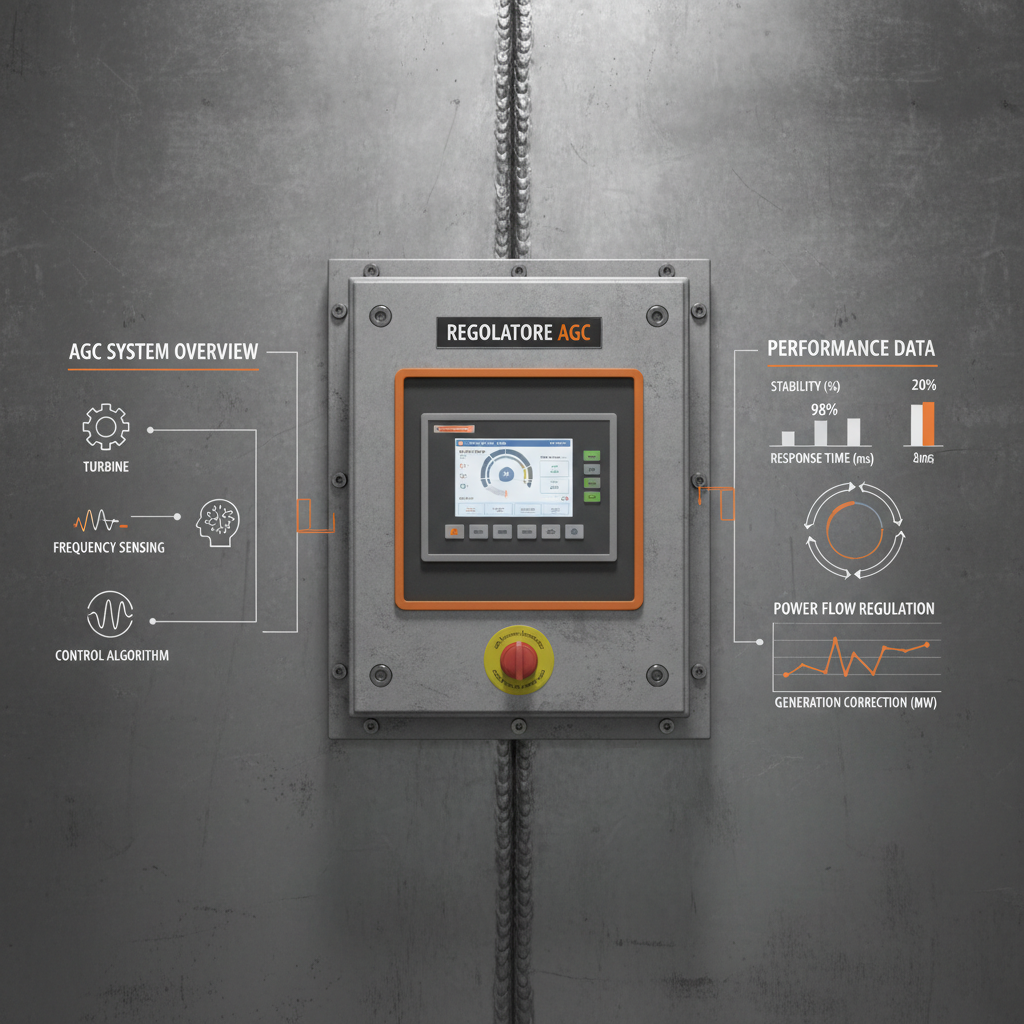
Key Features of BJYWLX Regolatore AGC Products
Our Regolatore AGC products boast several key features, including wide dynamic range, low distortion, fast attack and release times (adjustable options available), and excellent temperature stability. They are available in various package types to suit different mounting requirements. We also offer custom design services to tailor AGC solutions to your unique application.
Conclusion: Optimizing Signal Control with BJYWLX
Investing in a reliable Regolatore AGC from BJYWLX ensures optimal signal control, minimizes distortion, and improves overall system performance. Our commitment to quality, innovation, and customer satisfaction makes us a trusted partner for businesses across various industries. Contact us today to discuss your specific requirements and find the perfect AGC solution for your application.
Frequently Asked Questions (FAQs)
What factors should I consider when choosing a Regolatore AGC?
When selecting an AGC, consider the input signal range, desired output level, required accuracy, and response time. The type of signal (audio, RF, etc.) and the specific application also play a crucial role. For example, audio applications may prioritize low distortion, while RF applications might require fast response times. Also, think about the power supply requirements and the operating temperature range. BJYWLX can help you determine the best AGC for your specific needs.
What is the difference between attack and release time in AGC?
Attack time refers to how quickly the AGC reduces gain when the input signal increases, while release time refers to how quickly it increases gain when the input signal decreases. A fast attack time prevents clipping, but can cause distortion. A slow release time avoids "pumping" (audible gain fluctuations) but can result in a delayed response to signal changes. Optimizing these parameters is essential for achieving the desired audio or signal characteristics.
Does BJYWLX offer custom AGC solutions?
Yes, BJYWLX provides custom AGC design and manufacturing services. We can tailor AGC circuits to meet your specific performance requirements, including gain range, response time, and input/output impedance. Our experienced engineers work closely with you to understand your application and develop a solution that perfectly fits your needs.
-
Ship Multi-Project Equipment on the Lantern FestivalNewsMar.03,2026
-
YWLX Deep Dives into Cladding Line with Dubai ClientNewsDec.22,2025
-
1450mm 6-Hi Reversing Mill Goes Live in BangladeshNewsOct.28,2025
-
Sep. 3rd Parade: Carry Forward and Press OnNewsSep.03,2025
-
Indian Clients Visit YWLX to Inspect Skin-pass MillNewsJun.22,2025
-
Full- throttle! YWLX's Intense Production During May DayNewsMay.01,2025
-
YWLX Participated in the 2025 Chinese GAP Program Review ConferenceNewsApr.17,2025