Understanding ClosedLoop Tension Control for Enhanced Industrial Processes
Understanding Closed-Loop Tension Control: A Comprehensive Guide
In industrial automation and materials processing, maintaining precise tension is crucial for achieving consistent product quality and preventing operational issues. Closed-loop tension control offers a sophisticated solution to this challenge. This article will explore the principles, components, benefits, and applications of closed-loop tension control systems, providing a thorough understanding for engineers, technicians, and anyone involved in web handling processes. Accurate tension control minimizes material waste, enhances production efficiency, and ultimately improves the bottom line.
What is Closed-Loop Tension Control?
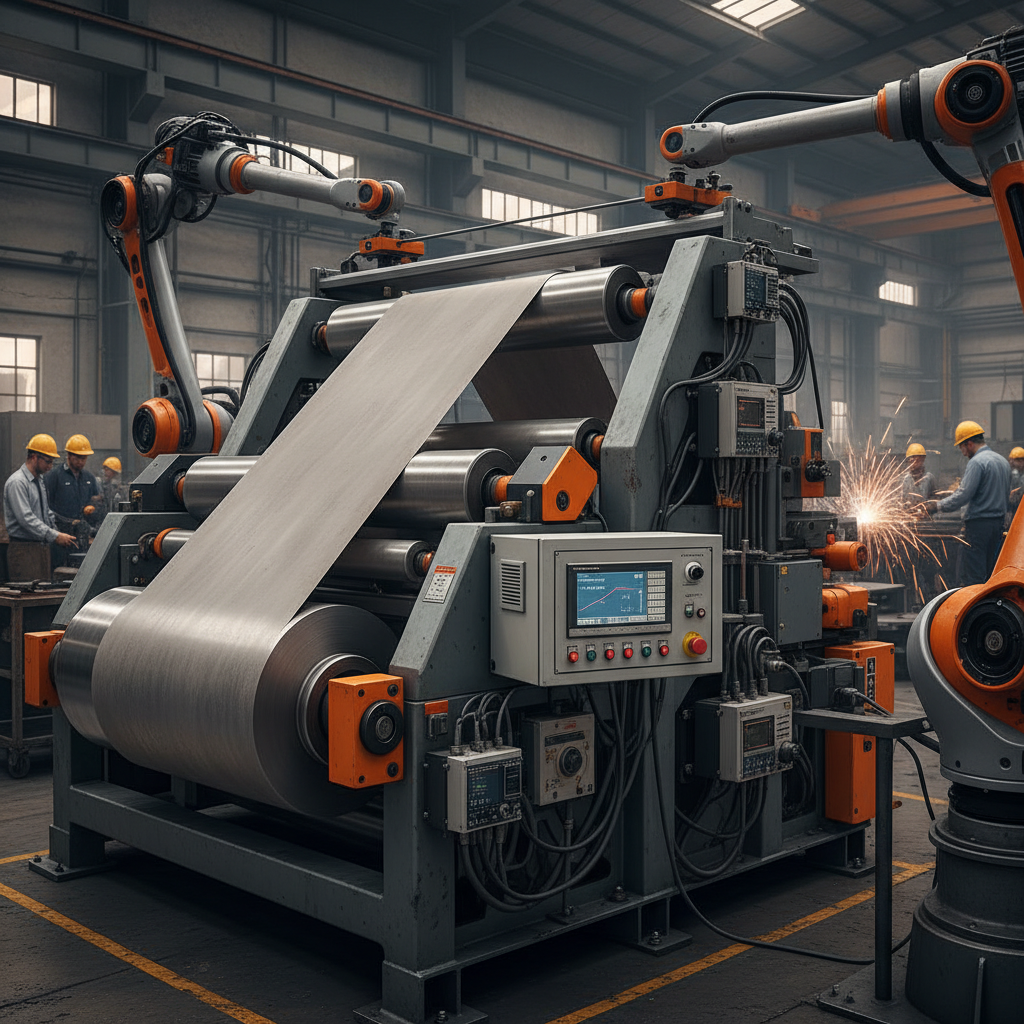
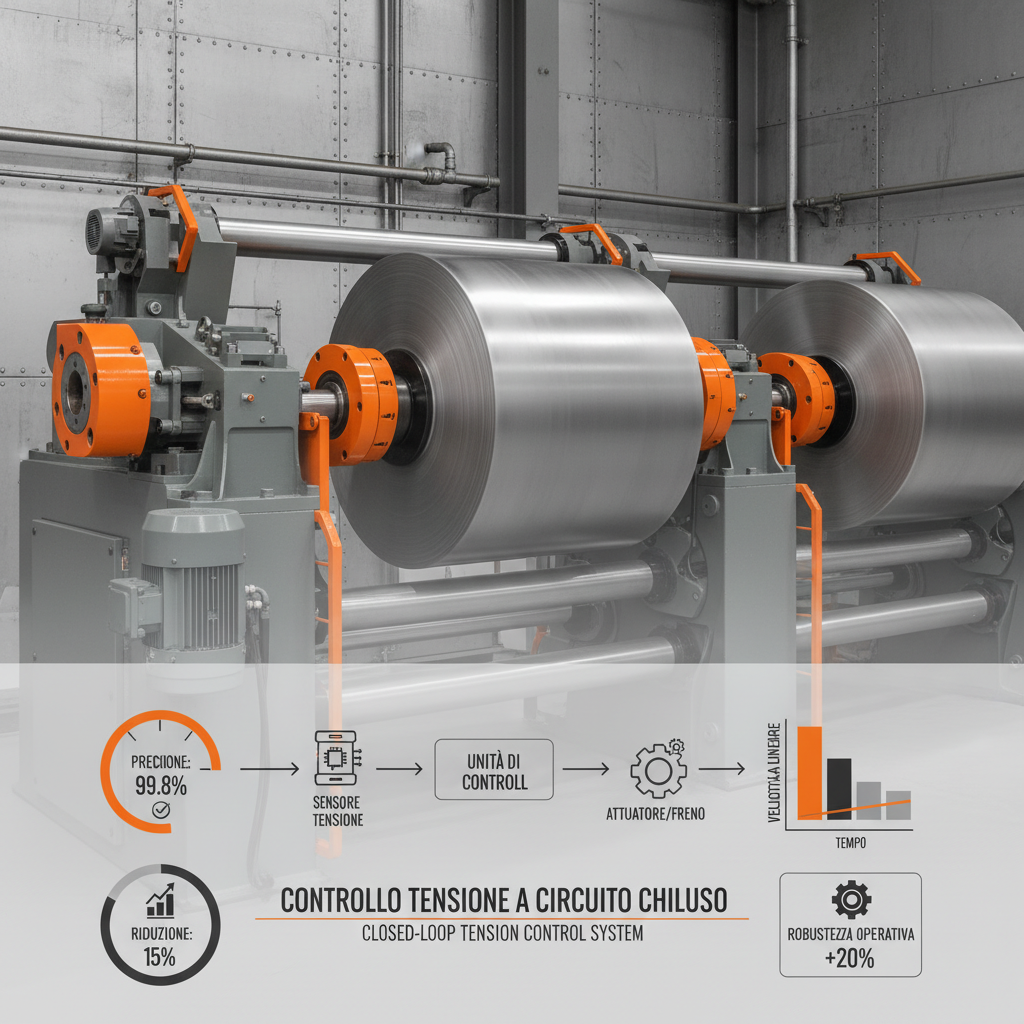
Closed-loop tension control is a dynamic system that continuously monitors and adjusts tension in a material web – such as paper, film, textiles, or metal foil – during processing. Unlike open-loop systems that rely on pre-set parameters, closed-loop systems utilize feedback from tension sensors to maintain the desired tension level. This feedback loop involves measuring the actual tension, comparing it to the setpoint (target tension), and then automatically adjusting a brake, clutch, or drive system to correct any deviations. This ensures consistent tension regardless of variations in material properties, speed, or load. Utilizing advanced tension controllers is key to maximizing performance.
Key Highlights: Closed-loop tension control dynamically adjusts tension based on real-time feedback, ensuring precise and consistent control, leading to improved product quality and reduced waste.
Components of a Closed-Loop Tension Control System
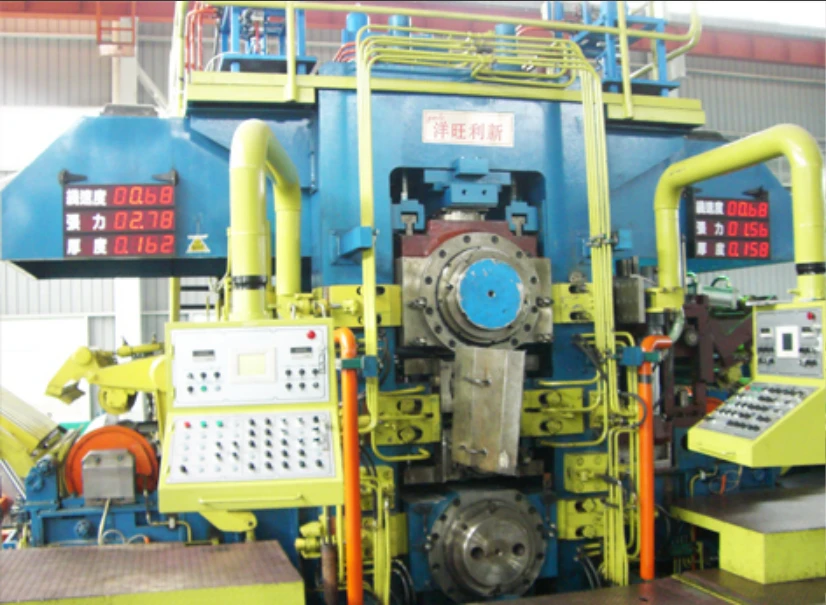
A typical closed-loop tension control system consists of several essential components: Tension Sensors (measuring web tension), a Controller (processing the feedback and generating control signals), an Actuator (brake, clutch, or drive system adjusting tension), and a User Interface (for setting parameters and monitoring performance). The selection of appropriate components depends on the specific application, material properties, and desired level of precision. Careful integration and calibration of these components are crucial for optimal system performance. BJYWLX offers a comprehensive range of components for building effective closed-loop systems.
Key Components:
• Tension Sensors
• Controller
• Actuator (Brake, Clutch, Drive)
• User Interface
Closed-Loop vs. Open-Loop Tension Control: A Comparison
Open-loop systems rely on pre-set values and lack feedback mechanisms. This makes them susceptible to inaccuracies caused by variations in material properties, speed changes, or environmental factors. Closed-loop systems, however, continuously adapt to these changes, ensuring consistent tension. The following table highlights the key differences between the two approaches. Investing in closed-loop tension control systems can significantly reduce material waste and improve production quality.
Applications of Closed-Loop Tension Control
Closed-loop tension control is essential in numerous industries. Some common applications include: Printing and Packaging (maintaining consistent tension for accurate registration and preventing web breaks), Textile Manufacturing (controlling tension during winding and unwinding processes), Paper and Film Production (ensuring uniform tension for consistent product quality), and Converting Operations (precise tension control for slitting, rewinding, and coating). Utilizing the right tension controller is paramount for optimal performance in these applications.
Selecting the Right Closed-Loop Tension Control System
Choosing the appropriate closed-loop tension control system requires careful consideration of several factors. These include the type of material being handled, the web width and speed, the desired level of accuracy, and the specific application requirements. It's important to select components that are compatible with each other and that are designed to withstand the environmental conditions of the operating environment. BJYWLX provides expert consultation to help you select the optimal system for your needs.
Conclusion: Optimizing Performance with Closed-Loop Control
Investing in closed-loop tension control systems is a strategic decision that can lead to significant improvements in product quality, production efficiency, and cost savings. By providing precise and consistent tension control, these systems help to minimize material waste, reduce downtime, and enhance overall operational performance. Contact us today to learn how we can help you optimize your web handling processes.
Frequently Asked Questions (FAQs)
What are the benefits of using a closed-loop system over an open-loop system?
Closed-loop systems offer significant advantages over open-loop systems due to their ability to dynamically adjust tension based on real-time feedback. This leads to more consistent tension, reduced material waste, fewer web breaks, and improved product quality. Open-loop systems are simpler and less expensive upfront, but they lack the precision and adaptability of closed-loop systems, making them unsuitable for applications requiring high accuracy and consistent performance. Ultimately, the benefits of a closed-loop system often outweigh the initial investment.
How often should tension sensors be calibrated?
The frequency of tension sensor calibration depends on the application, the operating environment, and the accuracy requirements. As a general guideline, sensors should be calibrated at least annually, or more frequently if they are exposed to harsh conditions, such as extreme temperatures or corrosive materials. Regular calibration ensures that the sensors provide accurate readings, which is essential for maintaining optimal tension control. BJYWLX offers calibration services to ensure your sensors are performing optimally.
What types of actuators are used in closed-loop tension control systems?
Common actuators used in closed-loop tension control systems include magnetic particle brakes, electromagnetic clutches, and variable frequency drives (VFDs). Magnetic particle brakes provide precise and responsive tension control, while electromagnetic clutches offer fast engagement and disengagement. VFDs are used to control the speed of motors driving the web, allowing for dynamic tension adjustments. The selection of the appropriate actuator depends on the specific application requirements, such as the desired level of precision, speed, and response time.
-
Ship Multi-Project Equipment on the Lantern FestivalNewsMar.03,2026
-
YWLX Deep Dives into Cladding Line with Dubai ClientNewsDec.22,2025
-
1450mm 6-Hi Reversing Mill Goes Live in BangladeshNewsOct.28,2025
-
Sep. 3rd Parade: Carry Forward and Press OnNewsSep.03,2025
-
Indian Clients Visit YWLX to Inspect Skin-pass MillNewsJun.22,2025
-
Full- throttle! YWLX's Intense Production During May DayNewsMay.01,2025
-
YWLX Participated in the 2025 Chinese GAP Program Review ConferenceNewsApr.17,2025