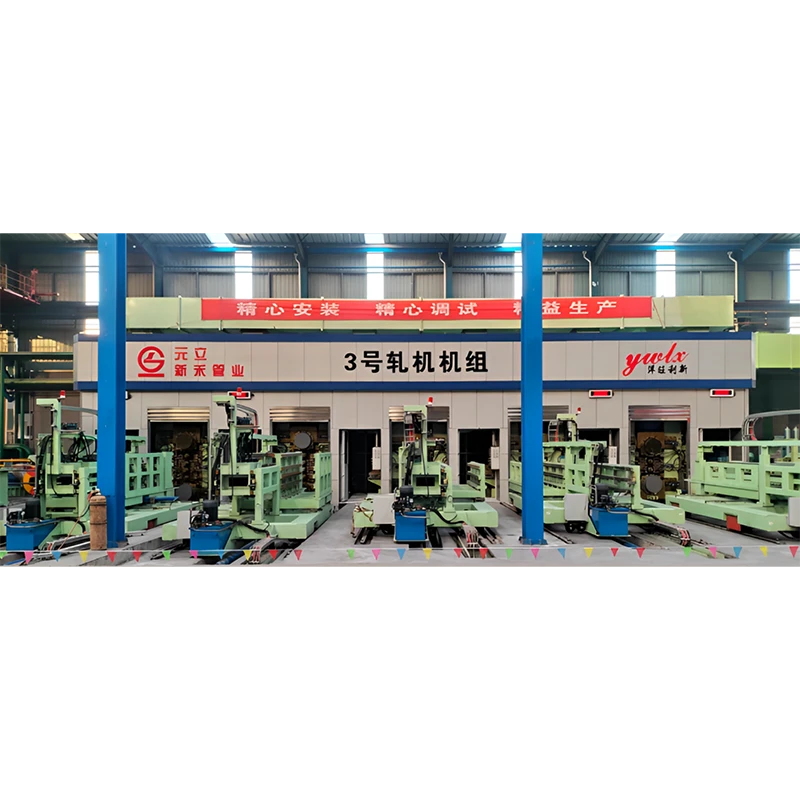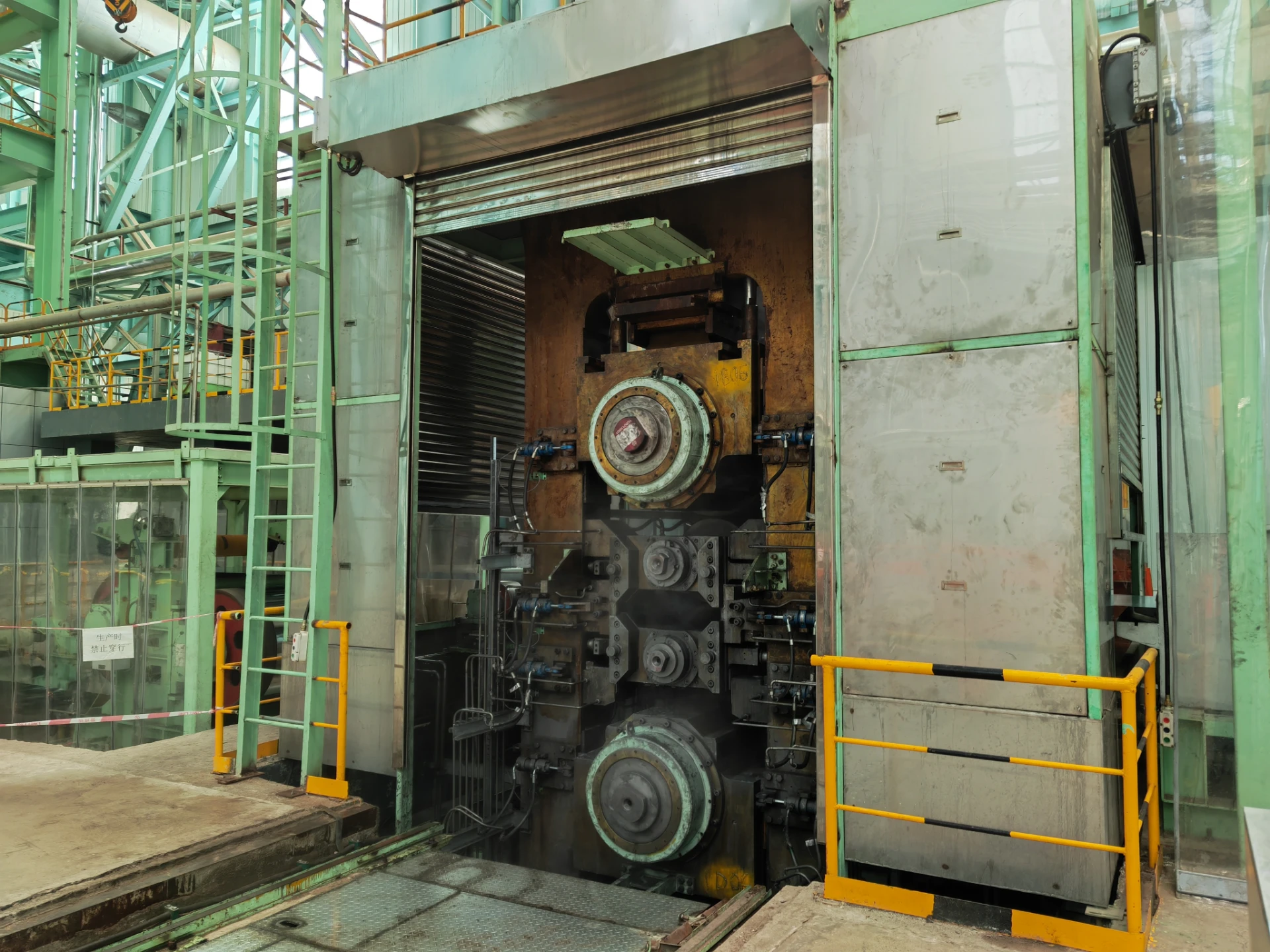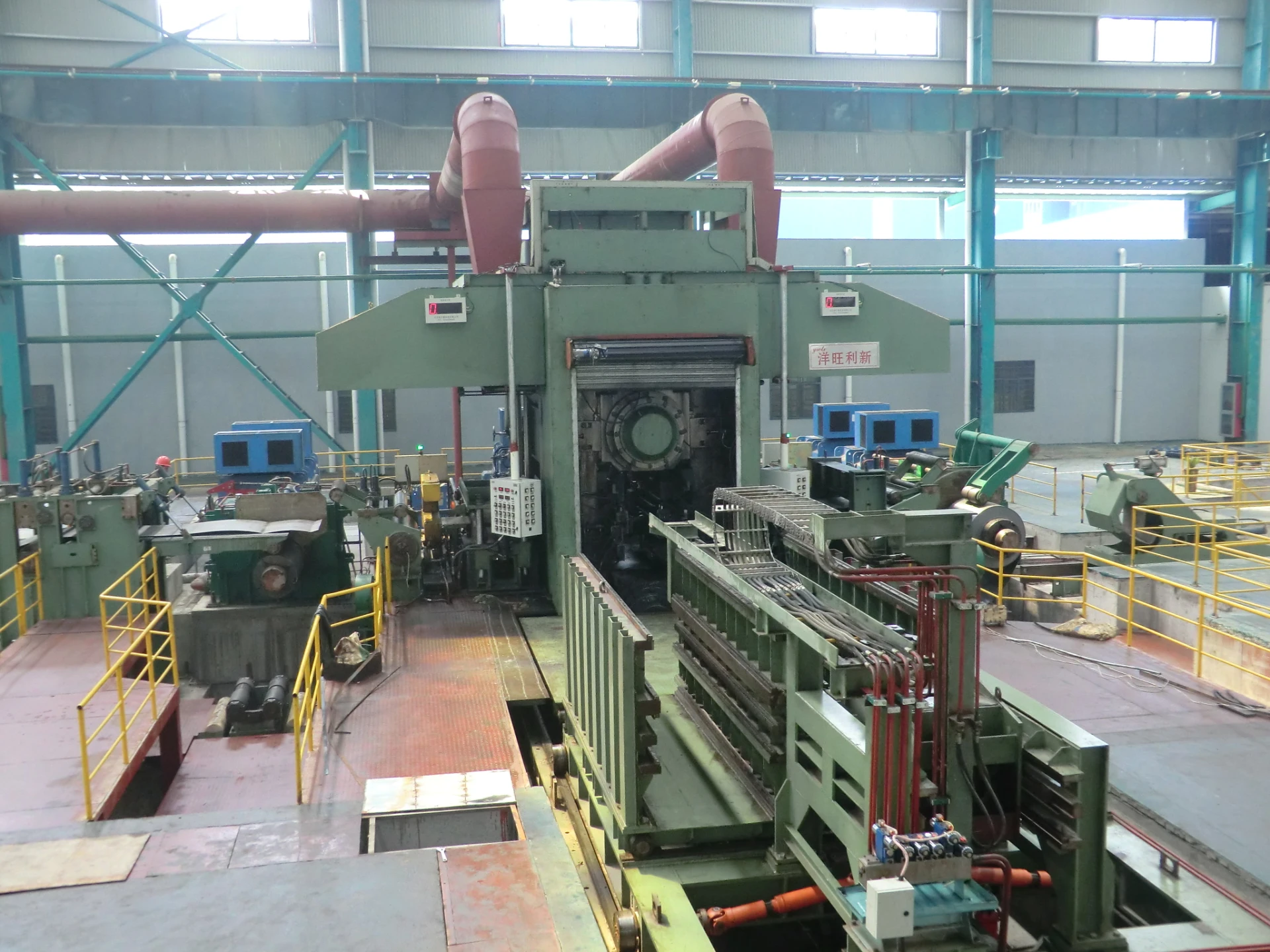
Understanding the Sistema di Controllo Calibro Automatico for Precision Manufacturing
Understanding the Sistema di Controllo Calibro Automatico: A Comprehensive Guide
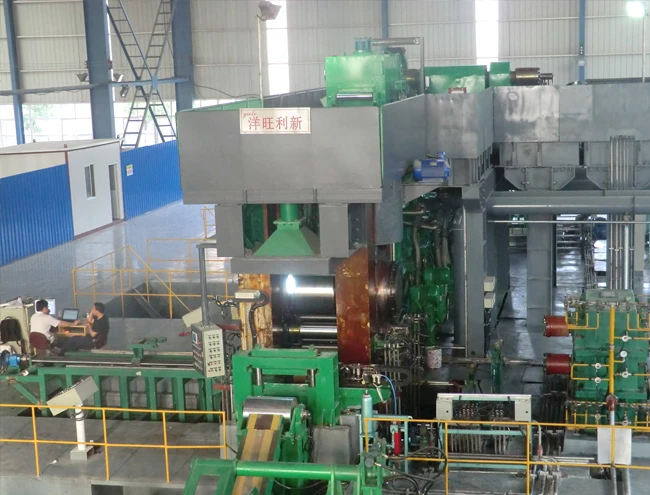
The sistema di controllo calibro automatico, or automatic gauge control system, is a crucial component in modern manufacturing, particularly in industries demanding high precision and repeatability. It’s a system designed to automatically measure and adjust machining processes, ensuring parts are produced to exact specifications. This article provides a detailed overview of these systems, their benefits, applications, and the latest advancements. A robust automatic gauge control system improves efficiency, reduces scrap rates, and enhances overall product quality. Let's delve deeper into how these systems work and why they're vital for competitive manufacturing.
How Does a Sistema di Controllo Calibro Automatico Work?
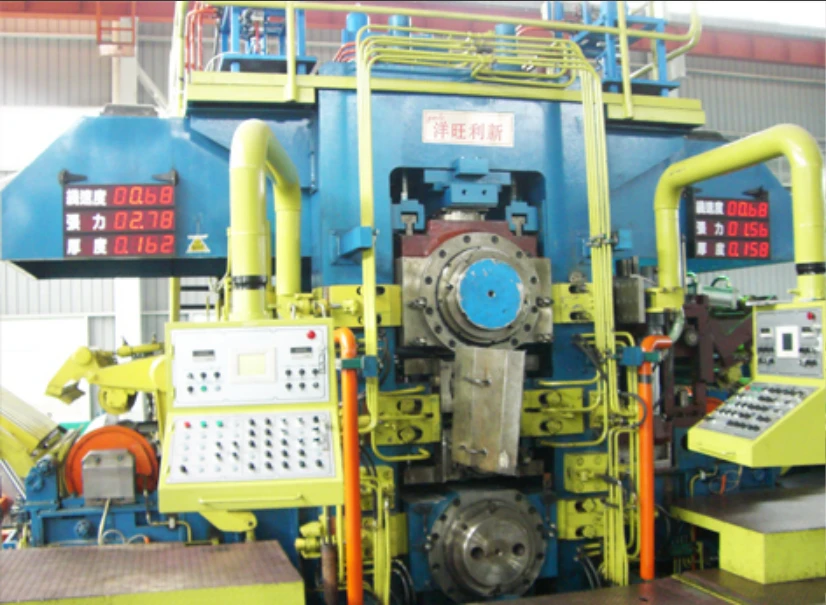
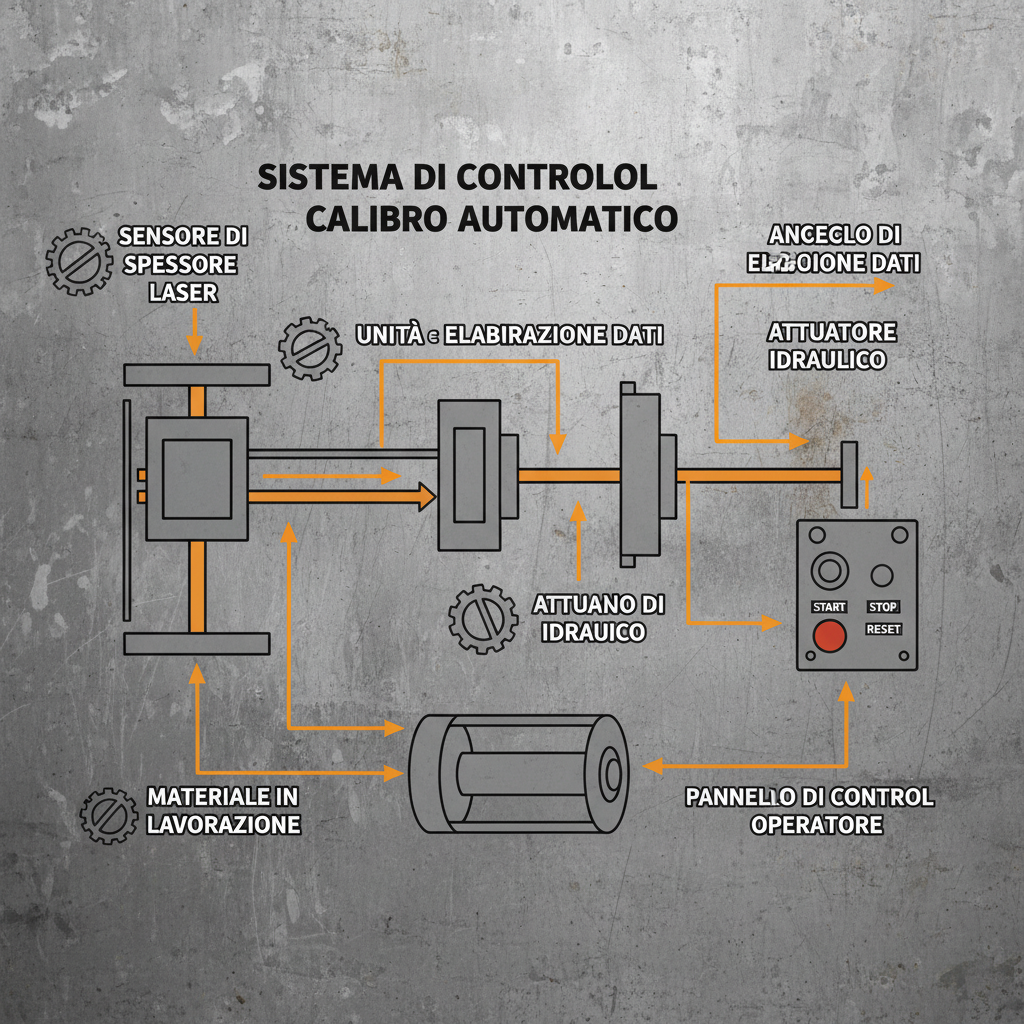
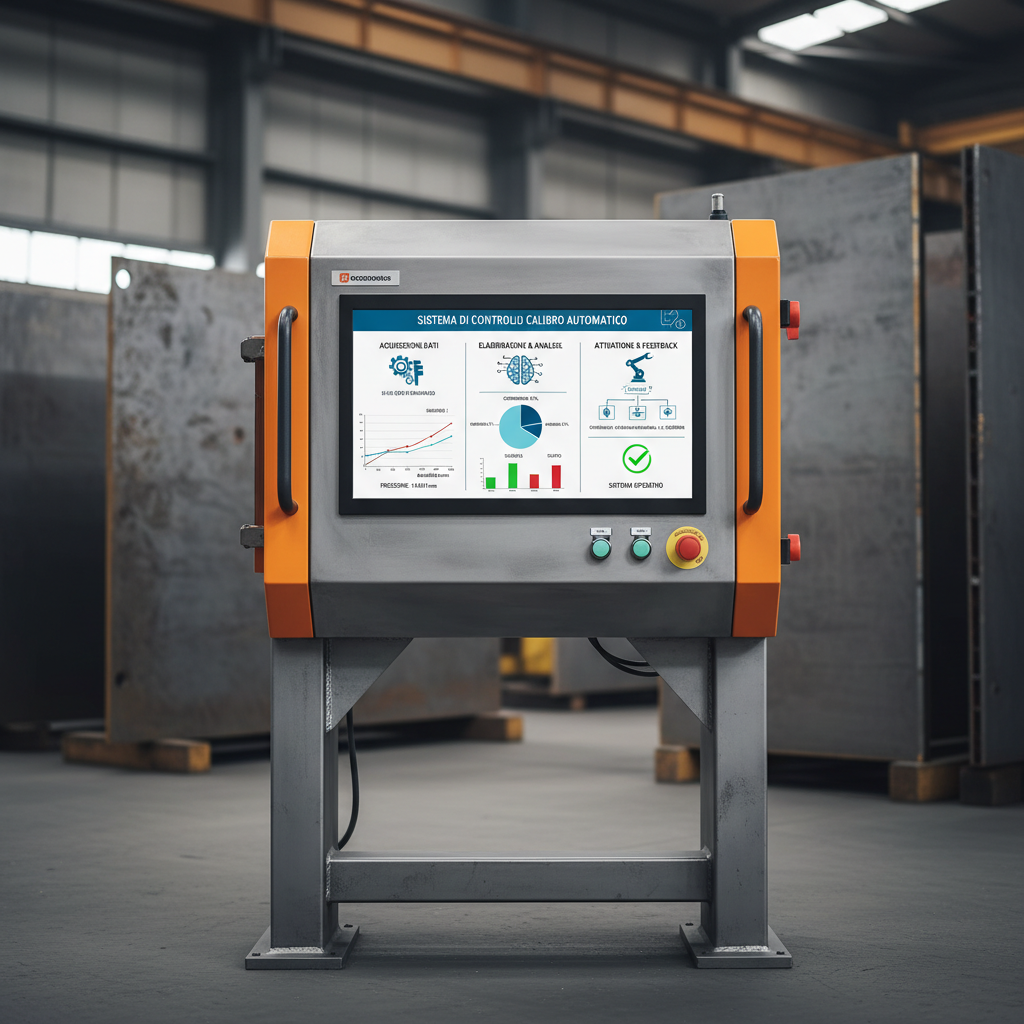
At its core, a sistema di controllo calibro automatico operates on a closed-loop feedback system. This means it constantly monitors the dimensions of the machined part, compares them to the desired specifications, and automatically adjusts the machining parameters to correct any deviations. Typical components include sensors (e.g., LVDTs, encoders, laser scanners) for measuring dimensions, a control unit (often a PLC or dedicated controller) for processing data and making adjustments, and actuators (e.g., servo motors) for modifying machine settings. This continuous monitoring and adjustment ensure that parts consistently meet stringent quality standards. The sophistication of the system dictates its capabilities and range of adjustments.
Key Highlights: Continuous monitoring of part dimensions, automatic adjustments to machining parameters, and improved part quality and consistency. The system reduces reliance on manual inspection and intervention.
Benefits of Implementing a Sistema di Controllo Calibro Automatico
Implementing a sistema di controllo calibro automatico offers a multitude of benefits. Firstly, it significantly reduces scrap rates by identifying and correcting deviations early in the process. This results in substantial cost savings and improved material utilization. Secondly, it increases production efficiency by minimizing downtime and eliminating the need for manual adjustments. Furthermore, it enhances product quality and consistency, leading to greater customer satisfaction. Finally, it provides valuable data for process optimization and continuous improvement.
Key Benefits:
• Reduced scrap rates and material waste
• Increased production efficiency and throughput
• Improved product quality and consistency
• Lower labor costs through automation
Sistema di Controllo Calibro Automatico vs. Manual Inspection: A Comparison
The contrast between using a sistema di controllo calibro automatico and relying on manual inspection is stark. Manual inspection is prone to human error, is time-consuming, and can only detect defects after they’ve occurred. In contrast, automatic gauge control offers real-time monitoring, immediate correction, and objective data. This leads to proactive quality control rather than reactive defect detection.
Applications of the Sistema di Controllo Calibro Automatico
The applications for a sistema di controllo calibro automatico are widespread across various manufacturing sectors. These include machining (turning, milling, grinding), injection molding, and metal forming. Industries benefiting include automotive, aerospace, medical device manufacturing, and electronics. Any process requiring tight tolerances and consistent quality can benefit from this technology. BJYWLX specializes in providing customized solutions for these diverse applications.
Technical Specifications and Selecting the Right System
When choosing a sistema di controllo calibro automatico, several factors need consideration. These include the required accuracy, the type of machining process, the size and complexity of the parts, and the level of automation desired. The system's compatibility with existing machinery and software is also crucial. Consider the following specifications:
Conclusion: Enhancing Manufacturing with Precision Control
Investing in a sistema di controllo calibro automatico is a strategic move for manufacturers aiming to improve quality, efficiency, and competitiveness. The ability to monitor and adjust processes in real-time translates to significant cost savings and enhanced product performance. By embracing this technology, businesses can ensure they meet the demands of today’s precision-driven market.
Frequently Asked Questions (FAQs)
What is the typical payback period for implementing a sistema di controllo calibro automatico?
The payback period varies depending on the specific application, the initial investment, and the existing production volume. However, many companies experience a payback period of 12-24 months due to reduced scrap rates, increased throughput, and lower labor costs. The most significant savings often come from the elimination of defective parts and the reduced need for manual rework. A detailed cost-benefit analysis, considering your specific circumstances, is recommended before implementation.
Is training required for operators to use the system?
Yes, training is essential for operators to effectively use and maintain the sistema di controllo calibro automatico. Training typically covers system operation, data interpretation, basic troubleshooting, and preventative maintenance procedures. BJYWLX offers comprehensive training programs to ensure your team is proficient in utilizing the system and maximizing its benefits. Proper training ensures accurate data analysis and optimal performance.
Can the sistema di controllo calibro automatico be retrofitted to existing machinery?
In many cases, yes. Retrofitting a sistema di controllo calibro automatico to existing machinery is often a cost-effective alternative to purchasing new equipment. However, a thorough assessment of the machine’s condition and compatibility is necessary. BJYWLX specializes in providing customized retrofit solutions tailored to your specific equipment and application.
What kind of maintenance is required for the system?
Regular maintenance is crucial for ensuring the long-term reliability and accuracy of the system. This includes periodic calibration of sensors, inspection of actuators, and software updates. Preventative maintenance schedules should be established and followed diligently to minimize downtime and prevent costly repairs. BJYWLX provides comprehensive maintenance services and support to keep your system operating at peak performance.
-
Ship Multi-Project Equipment on the Lantern FestivalNewsMar.03,2026
-
YWLX Deep Dives into Cladding Line with Dubai ClientNewsDec.22,2025
-
1450mm 6-Hi Reversing Mill Goes Live in BangladeshNewsOct.28,2025
-
Sep. 3rd Parade: Carry Forward and Press OnNewsSep.03,2025
-
Indian Clients Visit YWLX to Inspect Skin-pass MillNewsJun.22,2025
-
Full- throttle! YWLX's Intense Production During May DayNewsMay.01,2025
-
YWLX Participated in the 2025 Chinese GAP Program Review ConferenceNewsApr.17,2025