Achieving Precision and Reliability with ワイヤー張力制御 in Modern Industries
ワイヤー張力制御: Achieving Precision and Reliability in Wire Handling
In numerous industries, precise control of wire tension is critical for ensuring product quality, operational efficiency, and safety. From manufacturing and construction to aerospace and telecommunications, maintaining optimal wire tension prevents issues like sagging, breakage, and inaccurate positioning. This article delves into the principles of ワイヤー張力制御 (wire tension control), exploring its importance, methods, technologies, and the benefits of implementing robust control systems. Properly managed tension is a cornerstone of reliable wire-based processes.
Why is ワイヤー張力制御 Important?
Maintaining the correct wire tension is paramount across a wide spectrum of applications. Insufficient tension can lead to wire slack, resulting in inaccuracies in processes like winding, weaving, and drawing. Excessive tension, conversely, can cause wire breakage, equipment damage, and increased wear and tear. Effective wire tension control ensures consistent product quality, minimizes downtime, and extends the lifespan of machinery. It also significantly contributes to worker safety by preventing unexpected failures or hazards.
Key Benefits: Improved product quality, Reduced downtime, Extended equipment life, Enhanced worker safety, Increased process efficiency.
Methods of Achieving ワイヤー張力制御
Several methods are employed to control wire tension, ranging from simple mechanical systems to sophisticated automated technologies. Manual tensioning, relying on operator skill and visual assessment, is often used in low-volume applications. Mechanical tensioners utilize springs, weights, or dampers to maintain a specific tension level. Pneumatic and hydraulic tensioners provide more precise control and are suitable for applications requiring variable tension. Advanced closed-loop control systems, incorporating sensors and programmable logic controllers (PLCs), offer the highest level of accuracy and adaptability, dynamically adjusting tension based on real-time feedback.
Tension Control Methods:
• Manual Tensioning: Simple, low-cost, but less precise.
• Mechanical Tensioners: Moderate precision, suitable for consistent tension.
• Pneumatic/Hydraulic Tensioners: High precision, adjustable tension levels.
• Closed-Loop Control Systems: Maximum precision, dynamic adjustment, automated operation.
ワイヤー張力制御 Technologies and Components
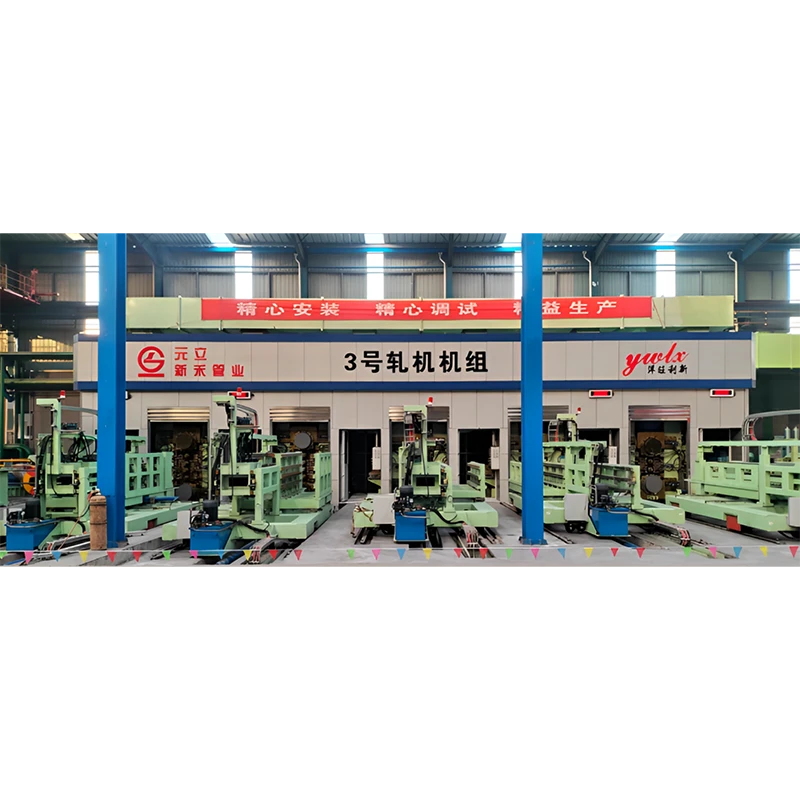
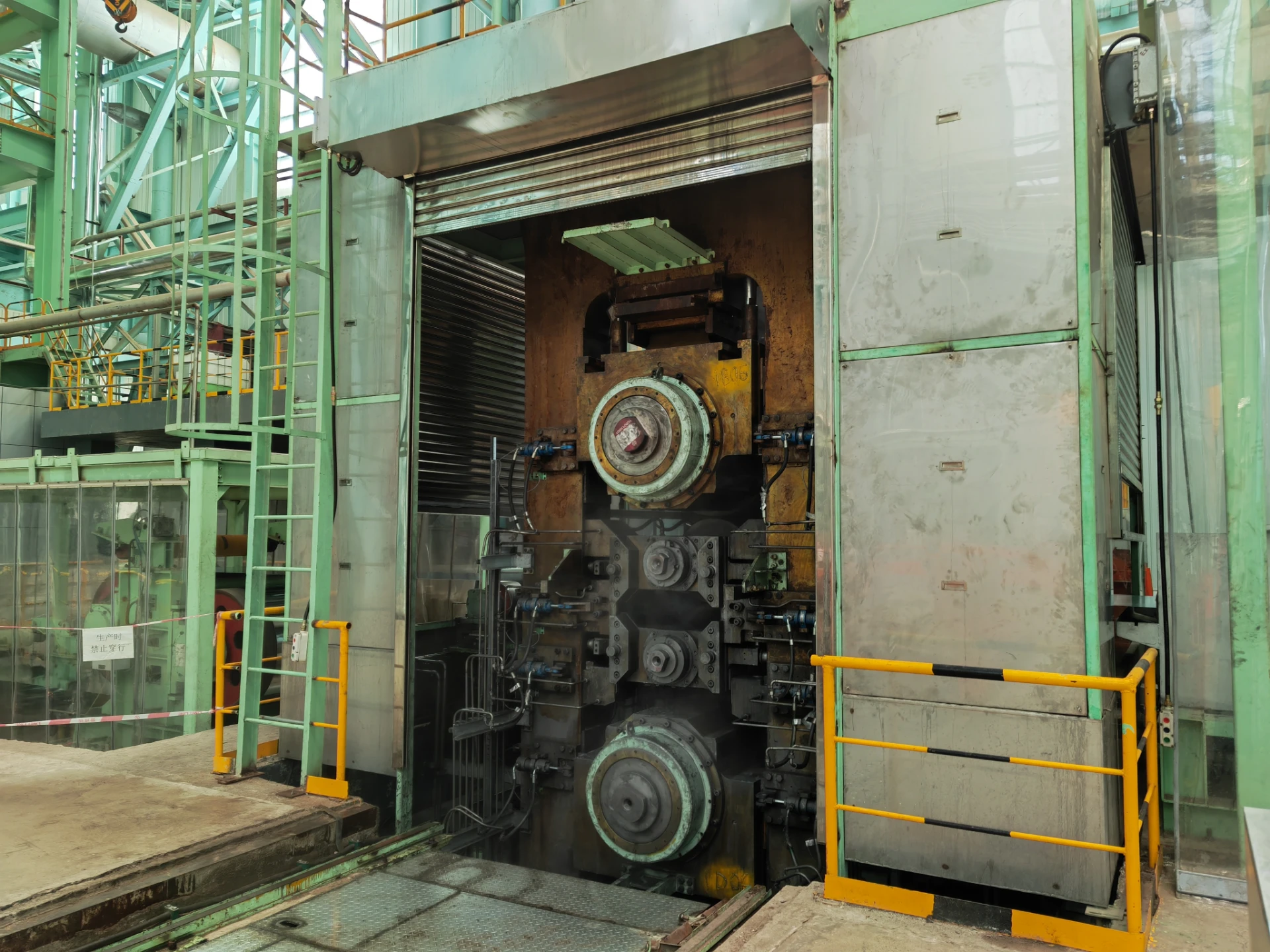
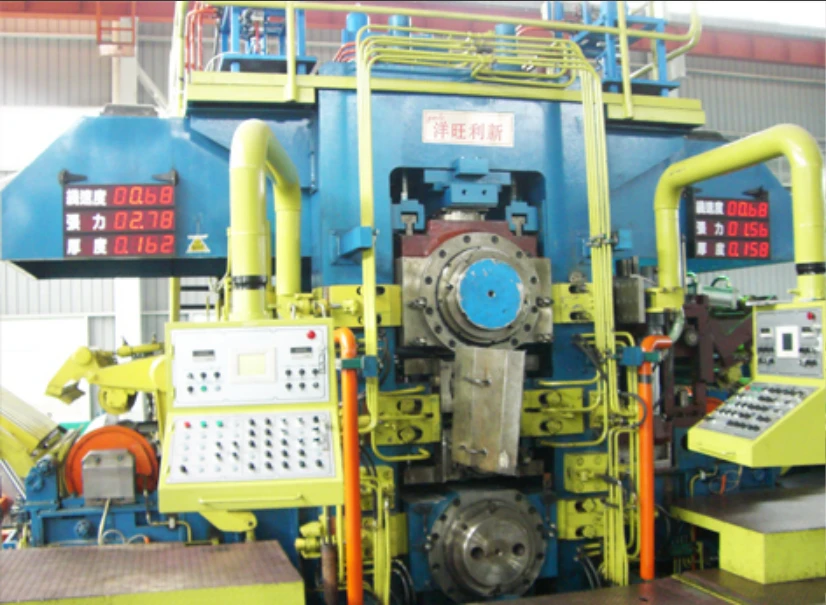
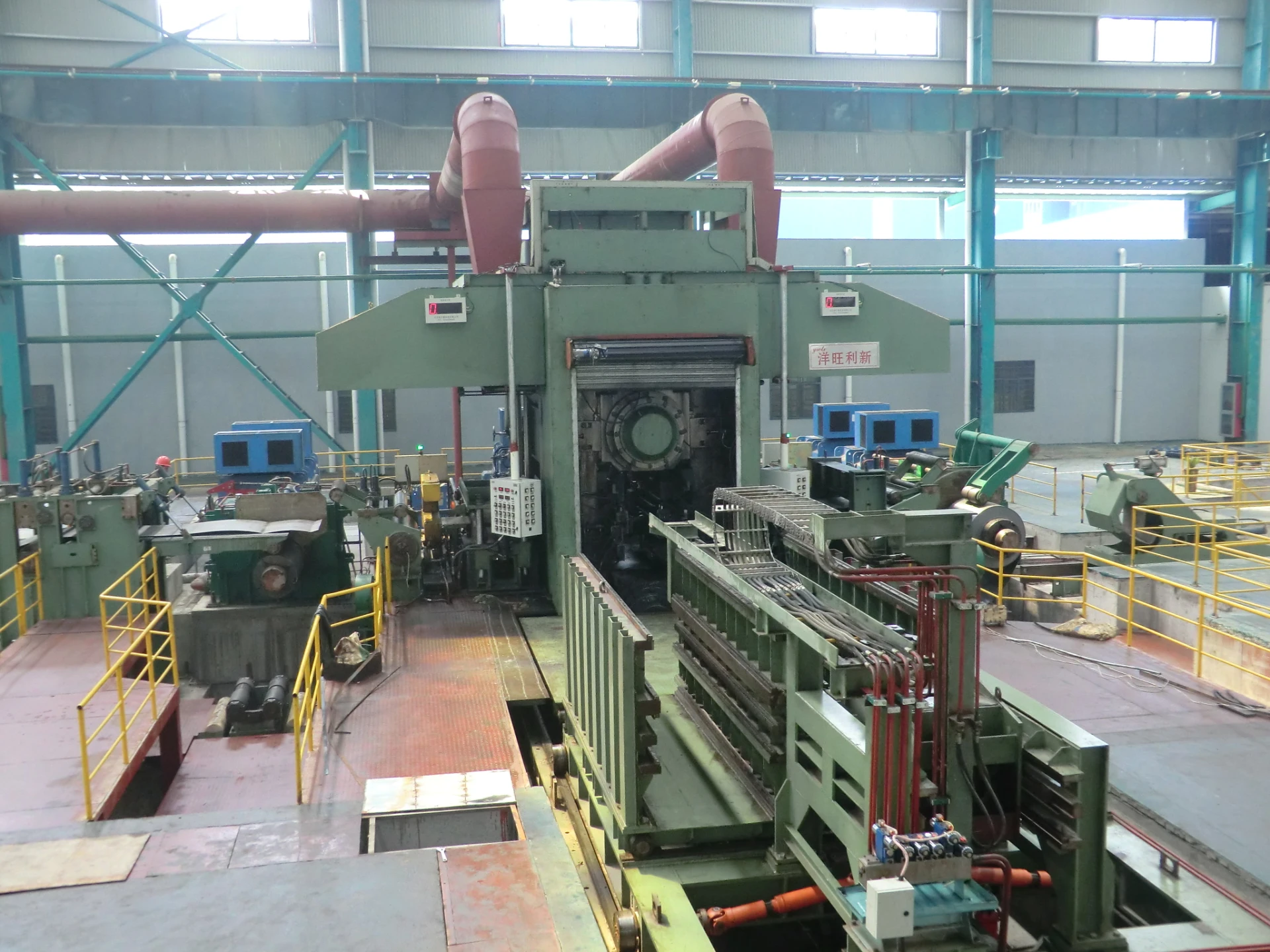
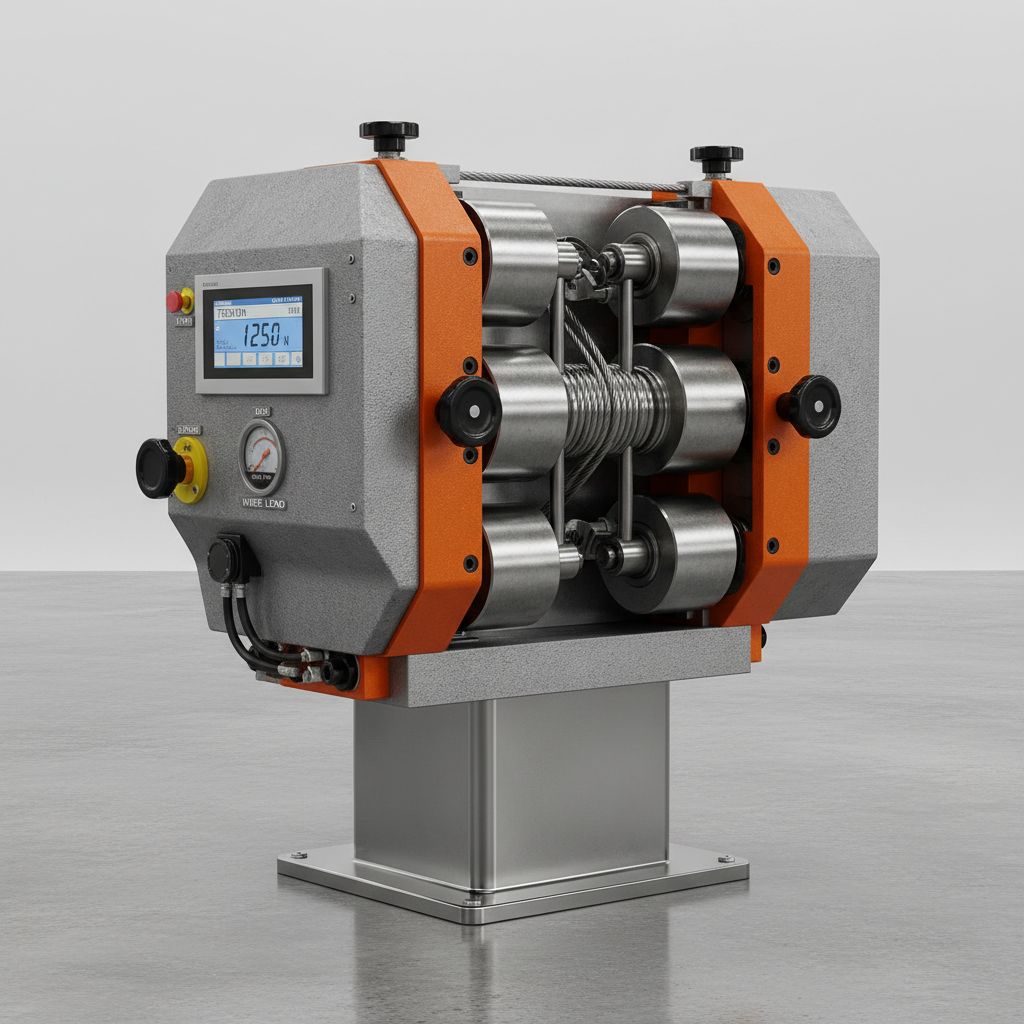
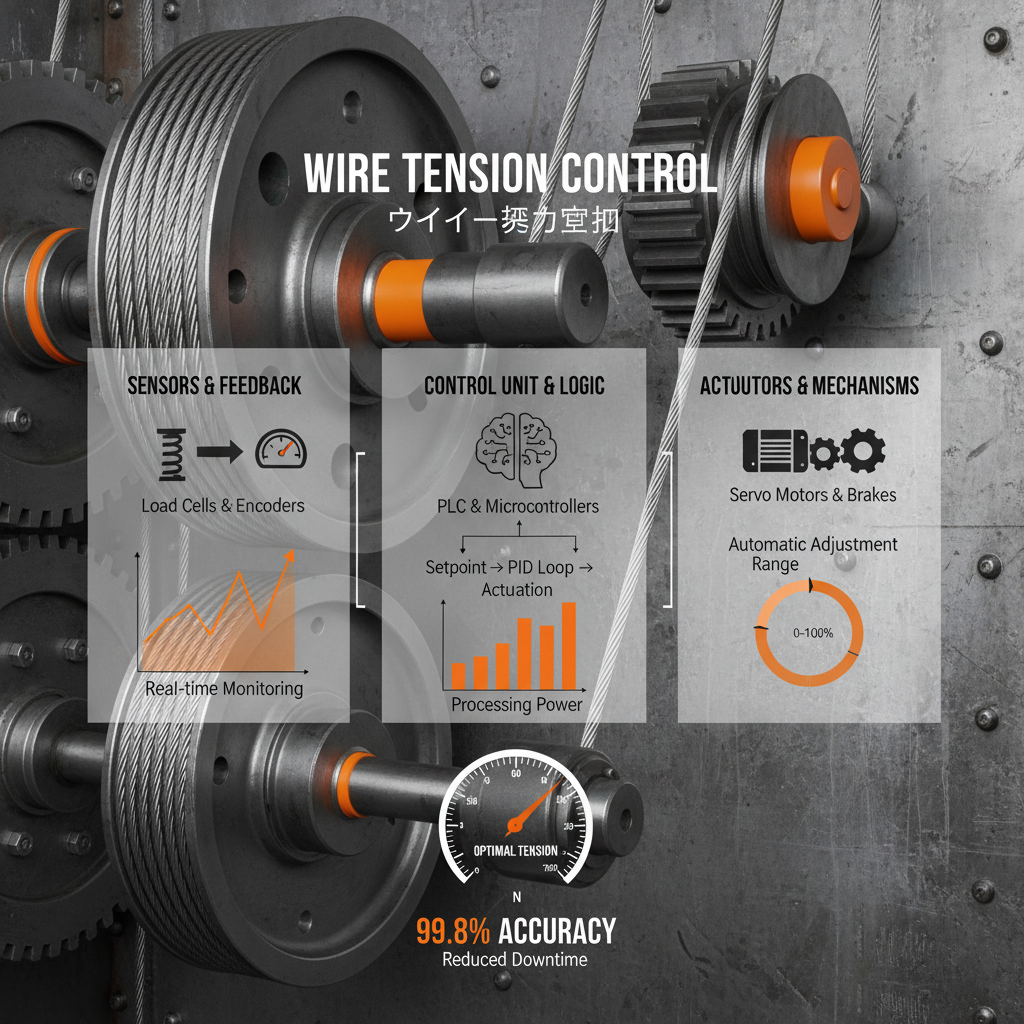
Modern wire tension control systems leverage a variety of technologies and components. Load cells are critical sensors that measure the force or tension in the wire. Tension controllers, often PLCs or dedicated control units, process the sensor data and adjust the tensioning mechanism accordingly. Brakes and clutches provide precise control over wire movement and tension. Dancers and idlers are used to compensate for variations in wire speed and tension. Sophisticated software algorithms enable advanced control strategies, such as predictive tension control and automatic tension profiling. BJYWLX offers a wide range of these components for optimized tension control.
Applications of ワイヤー張力制御 Across Industries
The demand for precise ワイヤー張力制御 spans numerous sectors. In the textile industry, consistent tension is essential for uniform weaving and knitting. In paper manufacturing, it ensures proper winding and prevents sheet breaks. The steel industry relies on accurate tension control during wire drawing and shaping. The aerospace industry requires stringent tension control for cable harnesses and composite materials. The telecommunications sector uses it for cable laying and fiber optic production. BJYWLX provides tailored solutions for each of these unique applications.
Choosing the Right ワイヤー張力制御 System
Selecting the optimal wire tension control system requires careful consideration of several factors, including the type of wire, the operating speed, the desired tension range, and the process requirements. A thorough assessment of the application's needs is crucial. Factors such as environmental conditions, maintenance requirements, and budget constraints should also be taken into account. BJYWLX offers expert consultation services to help customers identify the best solution for their specific needs.
Conclusion: Optimizing Processes with Precision Tension Control
Effective ワイヤー張力制御 is a vital component of efficient and reliable wire-based processes. By investing in the right technologies and solutions, companies can improve product quality, reduce costs, and enhance safety. BJYWLX is dedicated to providing innovative and dependable tension control solutions to meet the evolving needs of diverse industries.
Frequently Asked Questions (FAQs)
What are the common causes of wire tension fluctuations?
Wire tension fluctuations can arise from several sources, including variations in wire diameter, inconsistencies in winding speed, changes in ambient temperature, and wear and tear on tensioning components. Friction within the system and improper setup can also contribute to instability. Closed-loop control systems are particularly effective at mitigating these fluctuations by continuously monitoring and adjusting tension based on real-time feedback. Regular maintenance and calibration of tension control components are also crucial for preventing fluctuations.
How does a closed-loop tension control system work?
A closed-loop tension control system utilizes a feedback loop to maintain a precise tension level. A load cell measures the actual wire tension and sends this information to a controller (typically a PLC). The controller compares the measured tension to the desired setpoint and calculates the necessary adjustment. It then signals an actuator (e.g., a brake or clutch) to increase or decrease tension until the desired level is reached. This continuous monitoring and adjustment process ensures stable and accurate tension control.
What maintenance is required for wire tension control systems?
Regular maintenance is essential for ensuring the long-term reliability of wire tension control systems. This includes inspecting and cleaning load cells, checking and calibrating controllers, lubricating moving parts, and replacing worn components. Regularly checking the tightness of connections and verifying the integrity of wiring is also important. Following the manufacturer's recommended maintenance schedule will help prevent breakdowns and maintain optimal performance. BJYWLX offers comprehensive maintenance services and support.
Can ワイヤー張力制御 systems be integrated with other automation systems?
Yes, modern ワイヤー張力制御 systems are designed to be easily integrated with other automation systems, such as PLCs, SCADA systems, and MES platforms. This integration allows for centralized monitoring and control of the entire process, improved data collection and analysis, and enhanced automation capabilities. Standard communication protocols, such as Ethernet/IP and Profibus, facilitate seamless integration with other devices and systems.
-
Ship Multi-Project Equipment on the Lantern FestivalNewsMar.03,2026
-
YWLX Deep Dives into Cladding Line with Dubai ClientNewsDec.22,2025
-
1450mm 6-Hi Reversing Mill Goes Live in BangladeshNewsOct.28,2025
-
Sep. 3rd Parade: Carry Forward and Press OnNewsSep.03,2025
-
Indian Clients Visit YWLX to Inspect Skin-pass MillNewsJun.22,2025
-
Full- throttle! YWLX's Intense Production During May DayNewsMay.01,2025
-
YWLX Participated in the 2025 Chinese GAP Program Review ConferenceNewsApr.17,2025