Rolling machines are essential equipment in modern manufacturing, enabling the shaping of metal sheets and profiles with precision and efficiency. These machines, differing greatly in their designs and capabilities, are critical across industries ranging from steel production to automotive manufacturing. Understanding the different types of rolling machine is crucial for selecting the optimal solution for specific production needs, ensuring product quality, and maximizing operational efficiency.
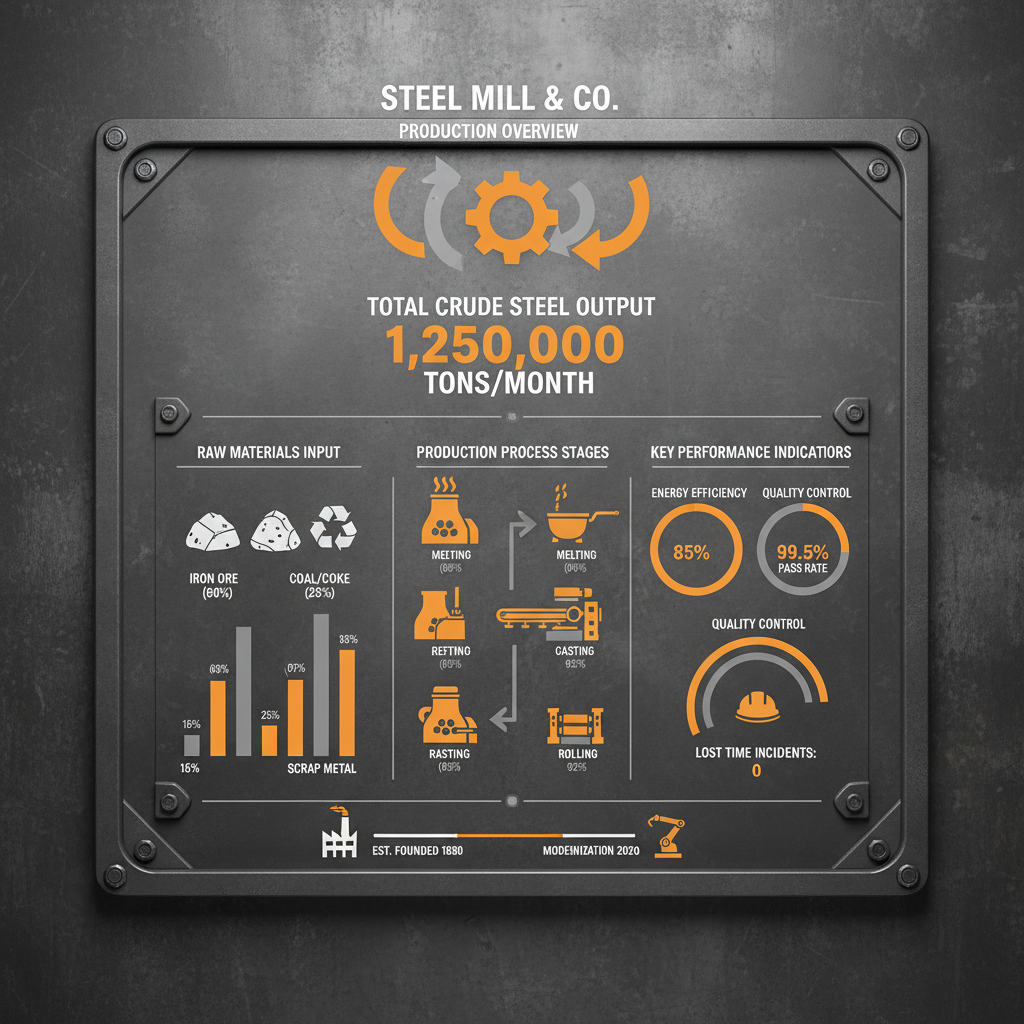
The global demand for rolled metal products continues to rise, driven by infrastructure development, manufacturing growth, and the increasing use of metal in various applications. According to the World Steel Association, global steel production reached over 1.8 billion tonnes in 2022, highlighting the significant role rolling machines play in meeting this demand. Efficient and reliable rolling processes are essential for keeping pace with this growth and maintaining competitive advantages in the global market.
The core challenge within the rolling machine industry is balancing the need for high production volumes with the demand for increasingly complex and customized metal products. Advancements in rolling machine technology, including automation and precision control systems, are constantly being developed to address this challenge and enable manufacturers to produce high-quality products efficiently and cost-effectively.
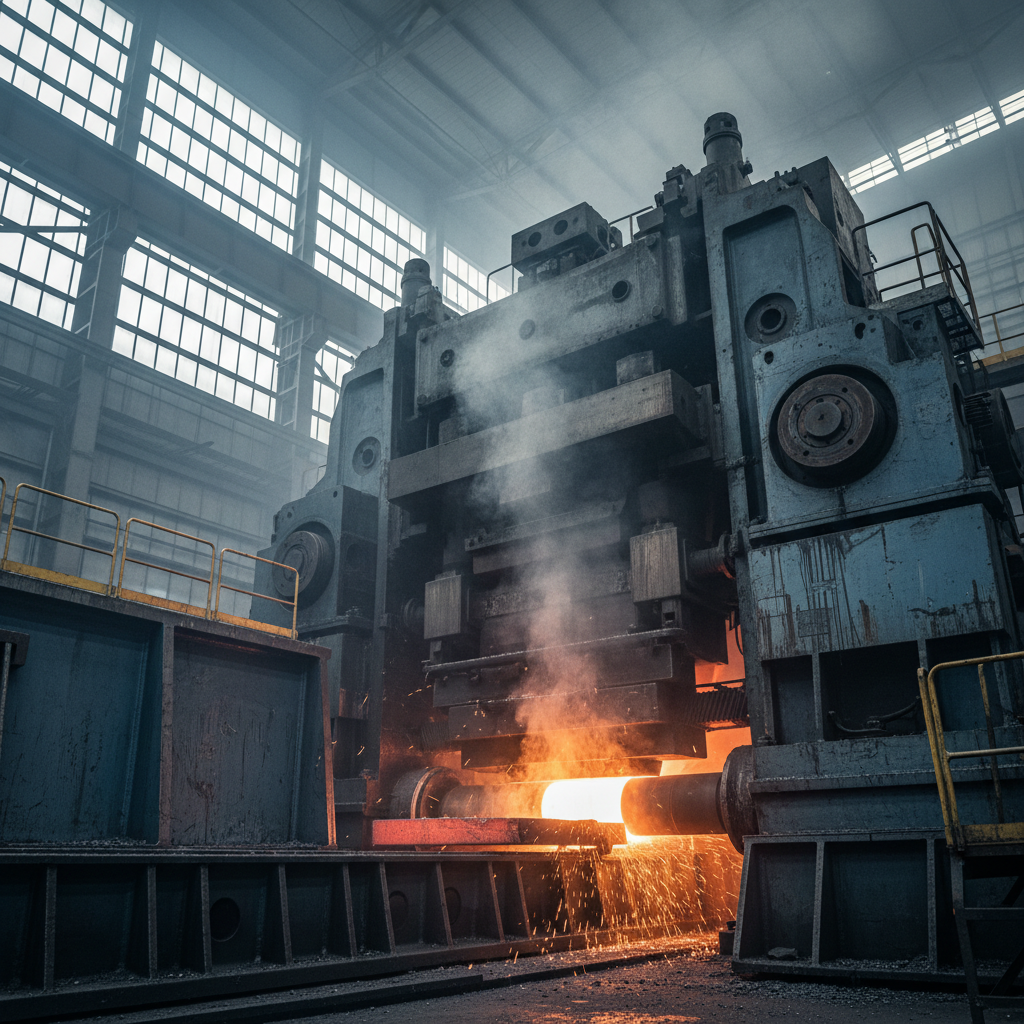
The Foundation of Rolling Technology
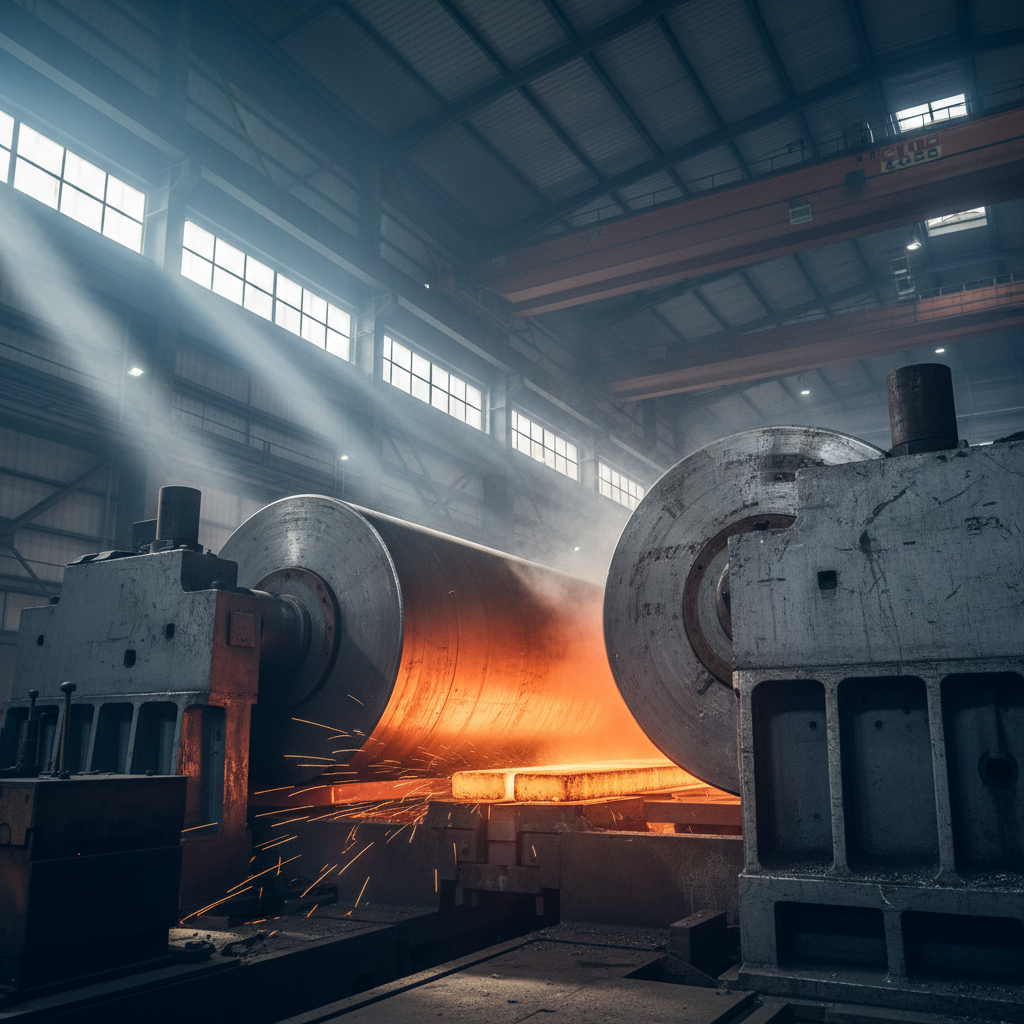
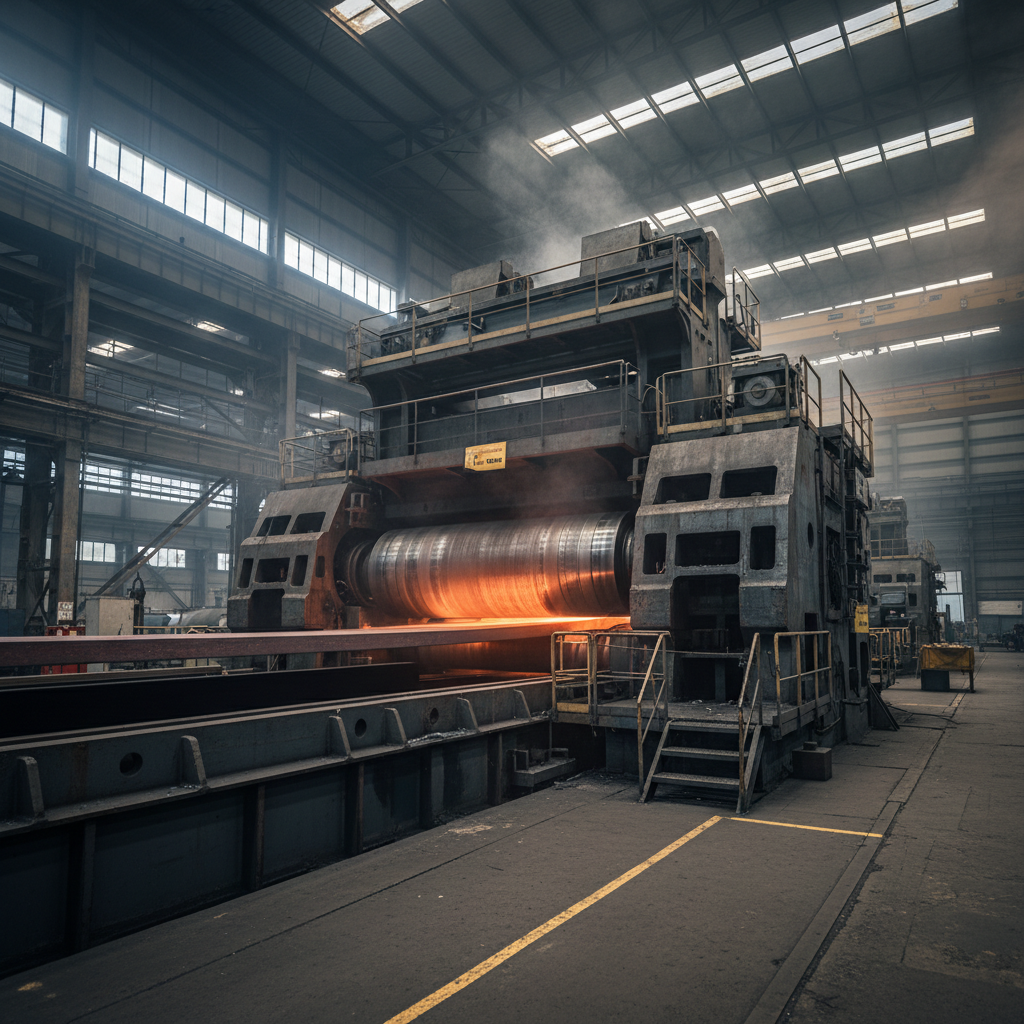
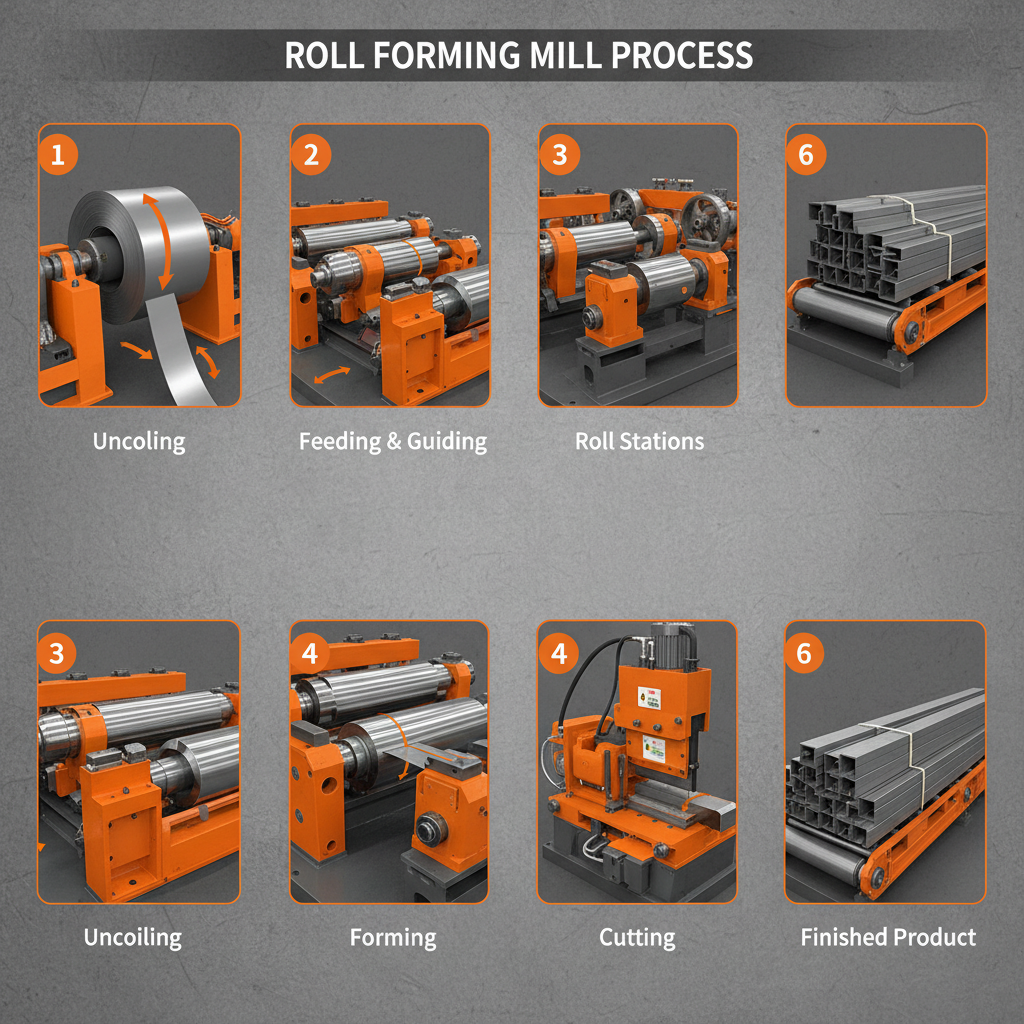
At its core, a rolling machine reduces the thickness of metal stock by passing it between rollers. The different types of rolling machine employed dictate the shape, size, and quality of the finished product. Understanding the fundamental principles of rolling – including concepts like roll draft, reduction ratio, and rolling force – is essential for optimizing the process.
The history of rolling machines dates back to the 18th century, with early versions relying on manual power. Over time, advancements in materials, engineering, and automation have led to the sophisticated machines we see today. These advancements have allowed for greater control, precision, and efficiency in the rolling process, making it a cornerstone of modern manufacturing.
FAQS
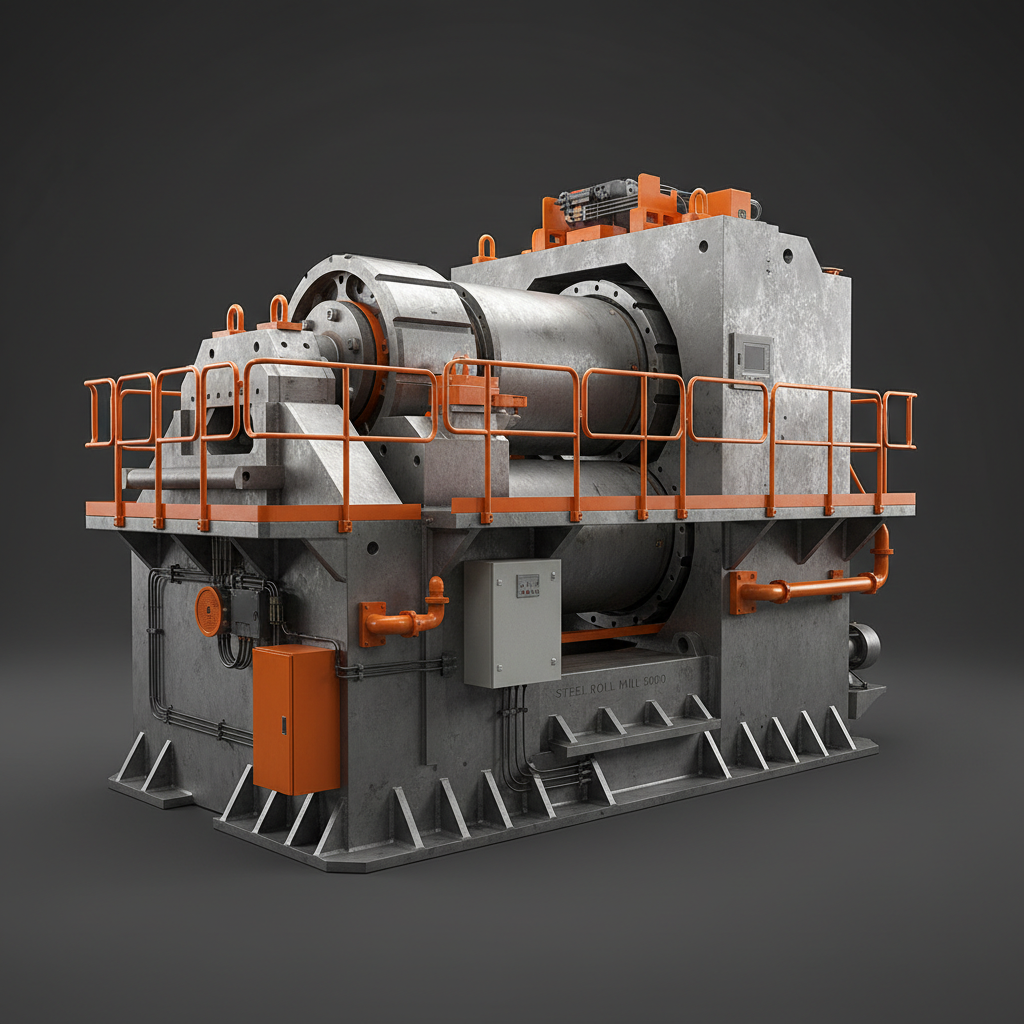
Two-high rolling mills use two rolls to reduce the material thickness, offering simplicity and lower cost. However, they are limited in the amount of reduction they can achieve in a single pass. Four-high mills utilize four rolls—two work rolls and two backup rolls—allowing for greater reduction ratios, increased accuracy, and the ability to process harder materials. This makes four-high mills ideal for applications demanding tighter tolerances and higher production volumes.
Roll material is critical. Different materials—like cast iron, steel, and chilled cast iron—offer varying levels of hardness, wear resistance, and thermal conductivity. Harder rolls are suitable for processing harder materials, but may also increase the risk of surface defects. The material's thermal conductivity impacts heat dissipation during rolling, affecting dimensional accuracy. Choosing the right roll material for the application is essential for optimizing the rolling process and achieving the desired product quality.
Regular maintenance is crucial. This includes daily inspections for wear and tear, lubrication of all moving parts, and periodic replacement of worn components like bearings and seals. Roll grinding and conditioning are essential for maintaining roll surface quality and dimensional accuracy. Implementing a predictive maintenance program, utilizing sensor data to identify potential failures before they occur, can significantly reduce downtime and maintenance costs.
Automation, through Programmable Logic Controllers (PLCs) and advanced control systems, optimizes rolling parameters like speed, tension, and gap control. Automated systems minimize human error, ensuring consistent product quality and reducing material waste. Real-time monitoring and data analysis enable process optimization and predictive maintenance, further enhancing efficiency and reducing downtime. Integration with other manufacturing systems, such as ERP and MES, streamlines operations and improves overall productivity.
Safety is paramount. Operators must receive comprehensive training on machine operation, emergency procedures, and personal protective equipment (PPE) requirements. Guards and safety interlocks must be properly maintained and functioning. Regular safety inspections should be conducted to identify and address potential hazards. Strict adherence to lockout/tagout procedures is essential during maintenance and repair activities. Proper ventilation and noise control measures are also important.
Lubrication plays a vital role in reducing friction between the rolls and the material being processed, minimizing wear and preventing surface defects. It also helps to dissipate heat generated during the rolling process. The type of lubricant used depends on the material being rolled, the rolling speed, and the desired surface finish. Proper lubrication is essential for maintaining roll quality, extending machine life, and achieving consistent product quality.
Conclusion
In conclusion, understanding the diverse types of rolling machine, their applications, and the factors influencing their performance is critical for manufacturers seeking to optimize their production processes. From basic two-high mills to sophisticated automated systems, each type offers unique advantages and capabilities. Investing in the right rolling machine, coupled with proper maintenance and operator training, yields significant long-term benefits, including reduced costs, improved quality, and increased competitiveness.
Looking ahead, the rolling machine industry is poised for continued innovation, driven by advancements in automation, materials science, and artificial intelligence. Embracing these technologies and prioritizing sustainability will be crucial for navigating the challenges and opportunities of the future. Visit our website at www.bjywlx.com to explore our full range of rolling machine solutions and learn how we can help you meet your manufacturing needs.