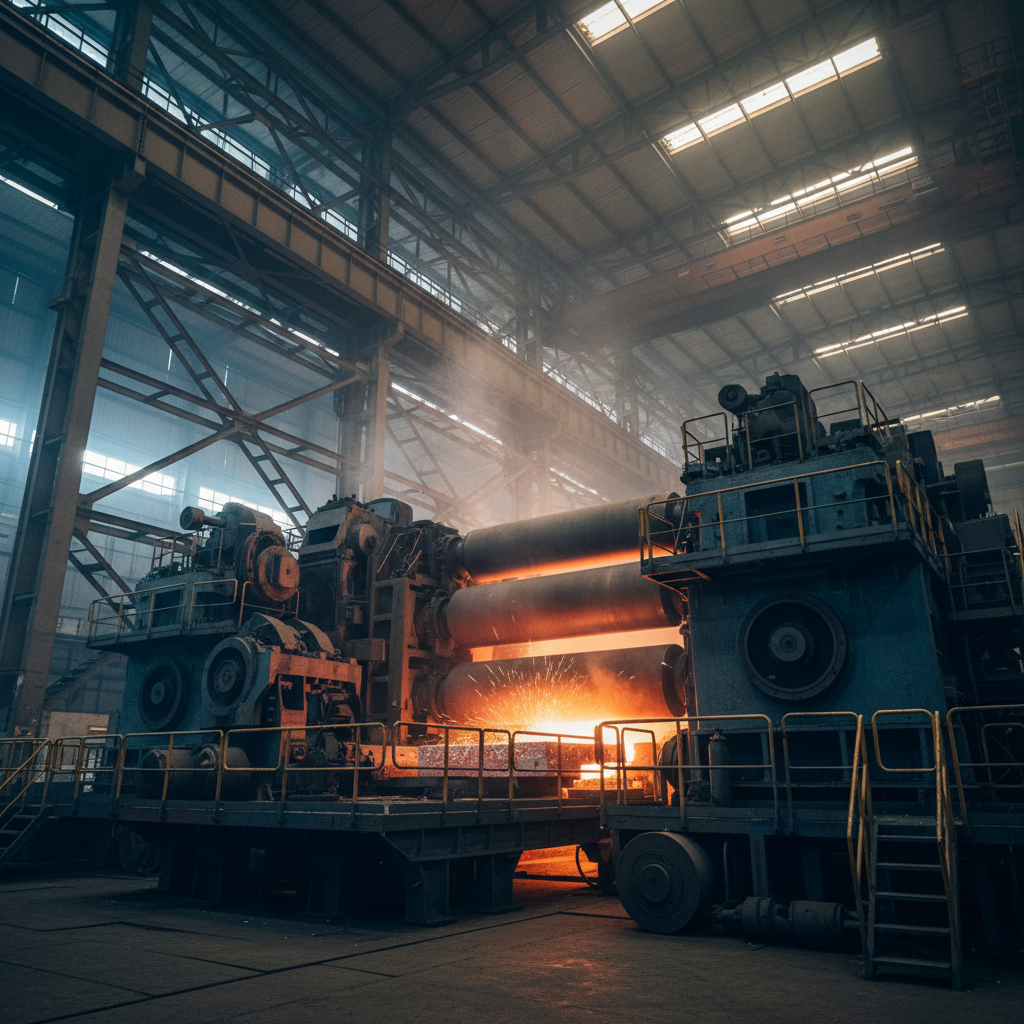
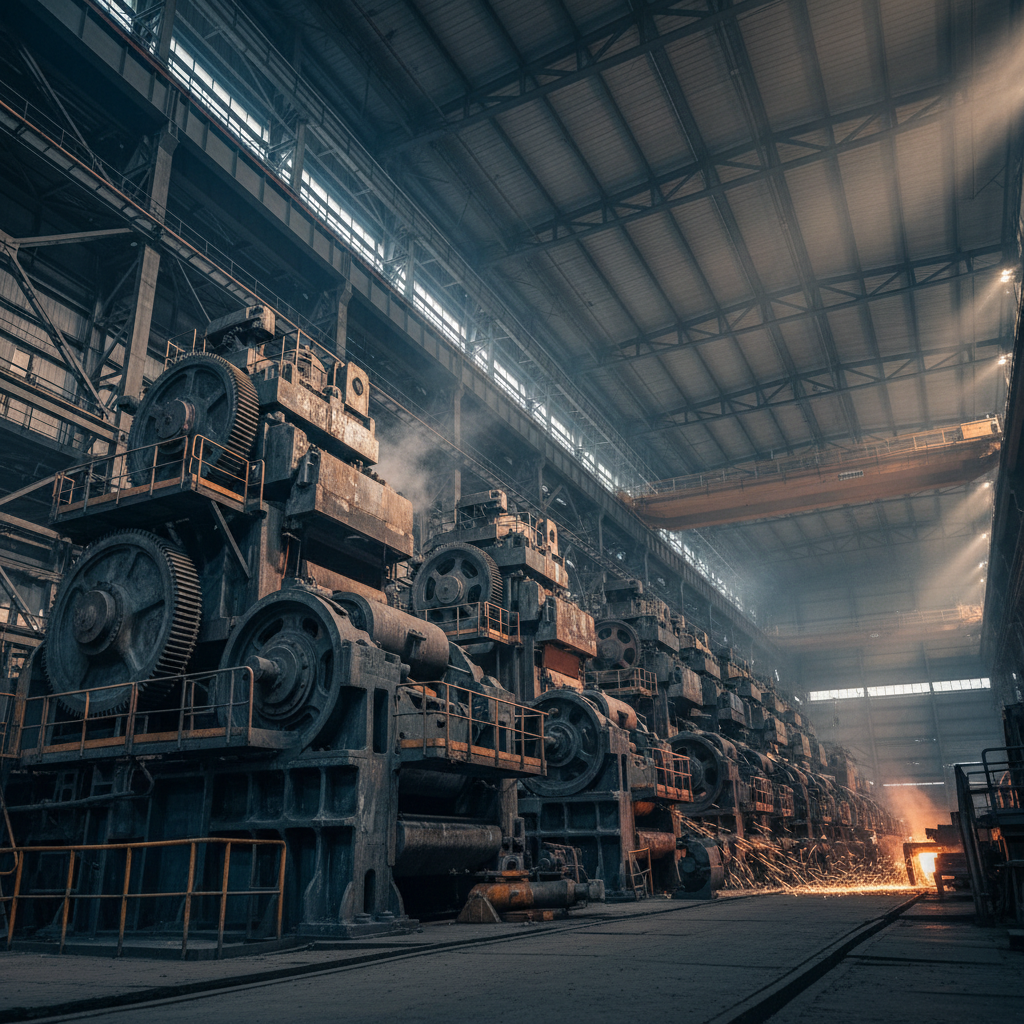
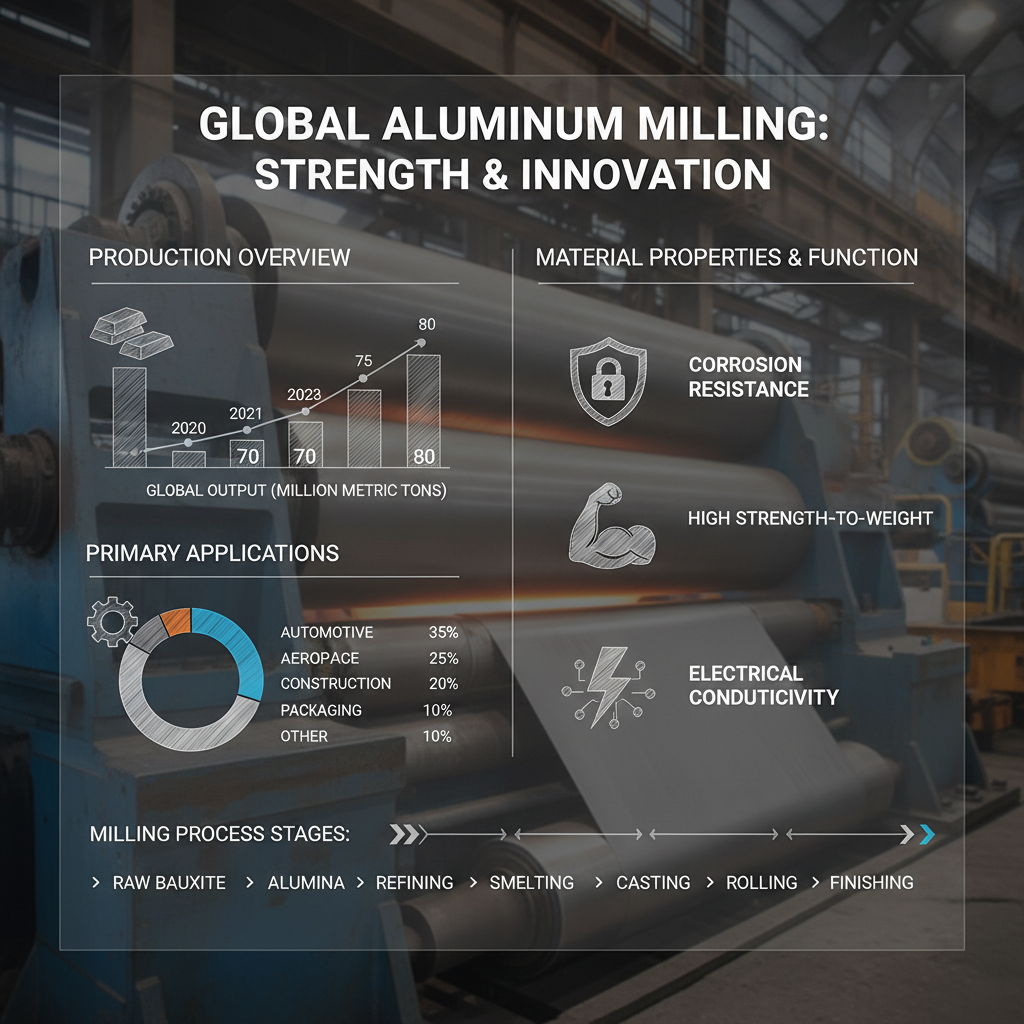
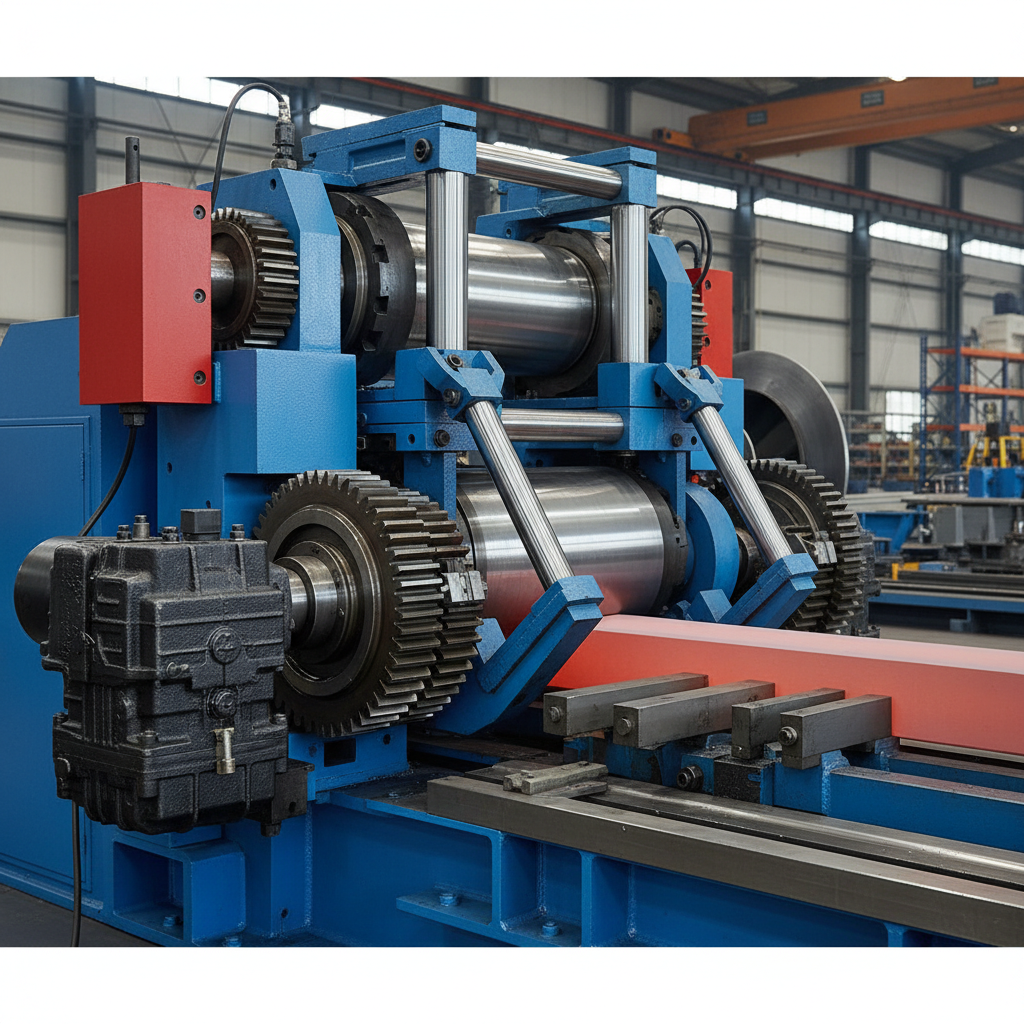
Steel rolling mills are fundamental to modern infrastructure and manufacturing, transforming raw steel into usable forms. These mills, varying greatly in their design and capability, are essential for producing the steel used in construction, automotive manufacturing, pipelines, and countless other applications. Understanding the different types of steel rolling mills is crucial for optimizing production processes, ensuring product quality, and meeting the diverse demands of global industries.
Globally, the steel industry is a massive economic force, with production exceeding 1.8 billion metric tons annually. The United Nations Industrial Development Organization (UNIDO) highlights steel’s pivotal role in sustainable industrialization, particularly in developing nations. Efficient steel production, driven by advancements in rolling mill technology, directly impacts infrastructure development, economic growth, and the availability of essential materials. The demand for specialized steel products, produced by sophisticated rolling mills, is consistently increasing.
The core function of types of steel rolling mills is to reduce the cross-section of a steel billet or bloom while simultaneously shaping it into desired products like sheets, plates, bars, and structural sections. This process is achieved by passing the steel between rotating rolls, applying compressive forces. The various types of mills differ in their configuration, the number of stands (sets of rolls), and the specific methods employed to achieve desired material properties and dimensions. This technology is vital for meeting the building block needs of modern society.
The Global Significance of Types of Steel Rolling Mills
The production and distribution of steel are directly linked to global economic health. Types of steel rolling mills represent a critical node in this supply chain. Regions with robust steel rolling capabilities, like China, India, and the European Union, often demonstrate greater industrial strength. The World Steel Association reports a close correlation between steel demand and GDP growth, highlighting the essential role of these mills in supporting infrastructural projects and manufacturing sectors worldwide.
The demand for more sophisticated steel products, driven by the automotive, aerospace, and energy industries, is pushing innovation in rolling mill technology. The ability to produce high-strength, lightweight steel, for example, is crucial for improving fuel efficiency in vehicles and reducing carbon emissions. The continued development of advanced rolling mill techniques is therefore vital for addressing global sustainability challenges.
Defining Steel Rolling Mills
Steel rolling mills are facilities housing specialized machinery used to shape and refine steel. These mills don't create steel – that's the domain of steelmaking plants – but rather take semi-finished steel products (billets, blooms, slabs) and process them into finished goods. The process involves passing the steel between rollers to reduce its thickness and achieve the desired shape. Types of steel rolling mills vary based on the configuration of these rollers and the specific products they're designed to manufacture.
This process is profoundly important for supplying materials essential to modern life. From the steel reinforcing bars within concrete structures to the sheet metal used in appliances, and the specialized alloys needed for aircraft components, rolling mills provide the foundation for countless industries and innovations. The versatility of steel and its relative affordability make it an indispensable material globally.
Essentially, a steel rolling mill transforms raw potential into tangible infrastructure and consumer goods. It's a crucial step in the value chain, bridging the gap between resource extraction and finished product, serving as a cornerstone of modern industrial economies.
Core Components & Operational Aspects
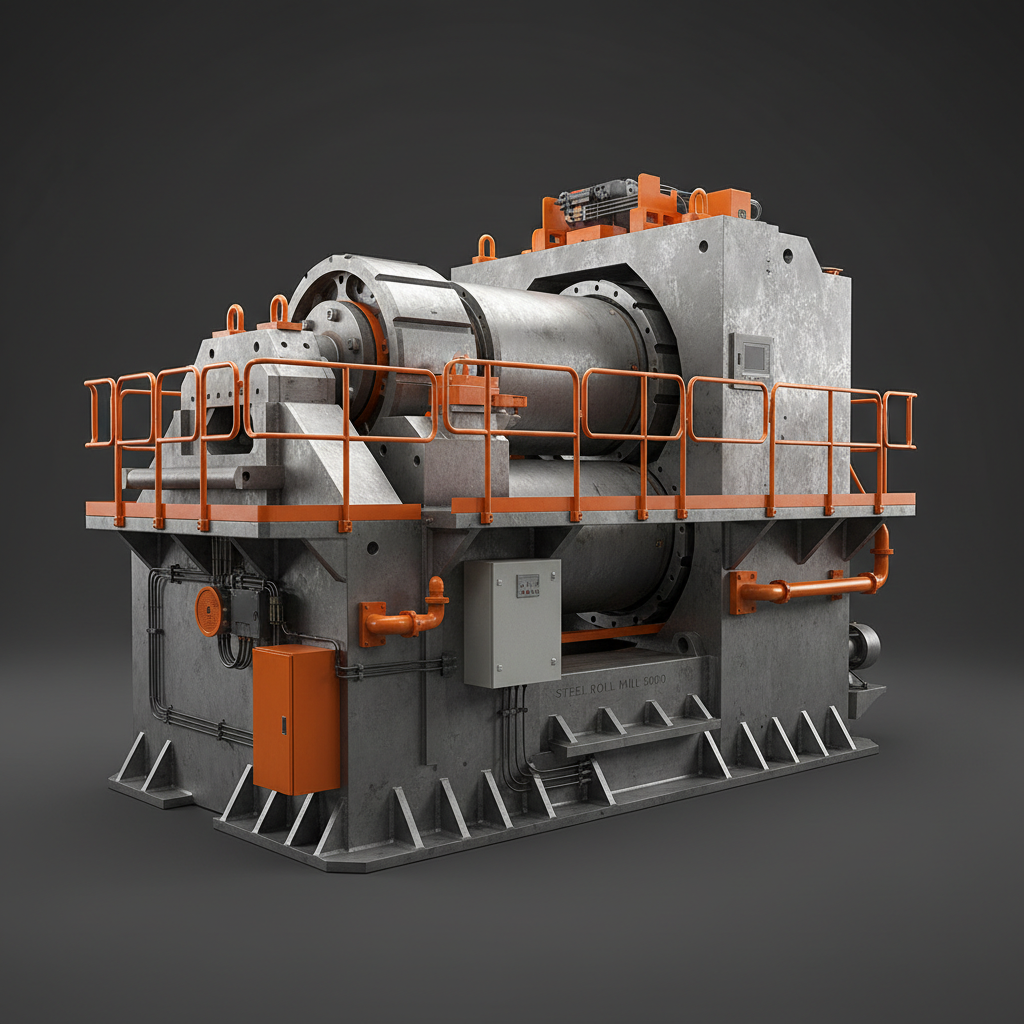
Key factors influencing the performance of types of steel rolling mills include roll material, roll profile, rolling speed, and reduction ratio. Roll material needs to be extremely durable to withstand the immense pressure and temperature, often using alloys with high hardness and wear resistance. Roll profile is carefully designed to achieve the specific shape of the final product. Precise control of rolling speed and the amount of thickness reduction per pass are vital for maintaining quality.
Another critical aspect is the heating system. Steel needs to be heated to a specific temperature range for effective rolling, which affects its ductility and workability. Modern mills employ sophisticated heating techniques, including induction heating and radiant tube furnaces, to ensure uniform temperature distribution and minimize energy consumption. Maintaining precise temperature control is critical for achieving desired material properties.
Lubrication is also a crucial operational component. Roll lubricants reduce friction between the rolls and the steel, minimizing wear and tear and improving surface finish. These lubricants must be able to withstand extreme temperatures and pressures, and often contain specialized additives to enhance their performance. Effective lubrication significantly extends the lifespan of the rolls and improves the quality of the finished product.
Practical Applications Across Industries
The applications of steel products produced by various types of steel rolling mills are incredibly diverse. The construction industry relies heavily on reinforcing bars (rebar), structural steel shapes (I-beams, angles, channels), and steel plates for building construction, bridges, and infrastructure projects. The automotive industry uses high-strength steel sheets and components for vehicle bodies, chassis, and engine parts.
The energy sector utilizes steel pipes for oil and gas pipelines, as well as steel plates for constructing pressure vessels and offshore platforms. The packaging industry relies on steel sheets for producing cans and containers. Furthermore, the manufacturing of machinery and equipment across numerous sectors depends on steel components produced by these mills.
For example, in post-disaster relief operations, rapidly deployable steel shelters provide immediate housing solutions. In remote industrial zones, mobile rolling mills can support on-site production of essential steel components, reducing transportation costs and lead times. Steel’s versatility ensures its continuous demand and pivotal role in global development.
Performance Metrics for Different Types of Steel Rolling Mills
Advantages and Long-Term Value Proposition
Investing in advanced types of steel rolling mills translates into significant cost savings through increased efficiency, reduced material waste, and lower energy consumption. Improved product quality leads to fewer defects and higher customer satisfaction. The enhanced precision and control offered by modern mills allow for the production of specialized steel grades with superior mechanical properties, unlocking new market opportunities.
The long-term sustainability benefits are substantial. Modern mills are designed to minimize environmental impact through reduced emissions, optimized water usage, and the incorporation of recycled steel. Adopting advanced technologies fosters innovation and strengthens the competitiveness of steel producers, contributing to economic growth and job creation. Moreover, high-quality steel products enhance safety and durability in various applications, providing a lasting return on investment.
Future Trends & Technological Advancements
The future of types of steel rolling mills is increasingly driven by digitalization and automation. The integration of Artificial Intelligence (AI) and Machine Learning (ML) algorithms optimizes process control, predicts equipment failures, and enhances product quality. Digital twins, virtual representations of physical mills, allow for real-time monitoring and simulation, enabling proactive maintenance and improved operational efficiency.
Green energy solutions are also gaining traction. Electrification of rolling mill processes, coupled with the use of renewable energy sources, reduces carbon emissions and promotes sustainable steel production. The development of new steel alloys with enhanced properties, and the adoption of additive manufacturing techniques (3D printing) are further expanding the capabilities of steel rolling mills.
Challenges and Innovative Solutions
One significant challenge facing types of steel rolling mills is the high initial investment cost associated with upgrading to advanced technologies. Another challenge is the need for skilled personnel to operate and maintain these complex systems. Fluctuations in raw material prices and global market demand also pose operational risks.
Innovative solutions include government incentives and financial assistance programs to encourage investment in modernization. Investing in workforce training and development programs ensures a skilled labor pool. Implementing robust supply chain management strategies mitigates the impact of raw material price volatility. Collaboration between research institutions, steel producers, and technology providers is crucial for driving innovation and addressing these challenges.
Furthermore, adopting circular economy principles, such as maximizing steel scrap recycling and minimizing waste generation, promotes sustainability and resource efficiency, ensuring the long-term viability of the steel rolling industry.
Key Performance Indicators for Different Steel Rolling Mill Technologies
| Mill Type |
Production Capacity (tons/year) |
Energy Efficiency (kWh/ton) |
Maintenance Cost (USD/year) |
| Horizontal Rolling Mill |
500,000 |
80 |
250,000 |
| Vertical Rolling Mill |
300,000 |
75 |
180,000 |
| Skew Rolling Mill |
400,000 |
85 |
200,000 |
| Universal Rolling Mill |
600,000 |
70 |
300,000 |
| Sendzimir Mill |
800,000 |
65 |
350,000 |
| Continuous Rolling Mill |
1,000,000 |
60 |
400,000 |
FAQS
Horizontal rolling mills are more common for high-volume production of standard shapes due to their simpler design and ease of maintenance. Vertical rolling mills, while offering greater flexibility in shaping complex profiles, generally have lower production rates. The choice depends on the specific product requirements and production volume needs. They cater to different scale productions and shapes.
Automation significantly boosts efficiency by reducing human error, optimizing process parameters, and enabling continuous operation. Automated control systems precisely regulate rolling speed, temperature, and reduction ratios, resulting in higher product quality and lower material waste. Furthermore, automated inspection systems identify defects early in the process, minimizing rework and ensuring consistent product standards.
Lubrication is paramount in minimizing friction between the rolls and the steel, which dramatically reduces wear and tear on both components. High-performance lubricants also dissipate heat generated during the rolling process, preventing thermal damage. Regular lubrication with appropriate fluids extends the lifespan of the rolls and maintains the precision of the rolling operation, resulting in smoother surfaces.
Factors include the desired product shape and dimensions, production volume, budget constraints, and available infrastructure. Considerations should be given to the energy efficiency of the mill, the complexity of maintenance, and the level of automation offered. The types of steel being processed, from carbon steel to alloyed steels, will also dictate the appropriate mill type selection.
Modern steel rolling mills are increasingly incorporating sustainable practices such as utilizing recycled steel, optimizing energy consumption, and reducing water usage. Electrification powered by renewable energy sources further minimizes carbon emissions. Embracing circular economy principles, by recovering and reusing steel waste, are actively reducing the environmental footprint of steel production.
Future trends include the integration of AI and ML for predictive maintenance and process optimization, the use of digital twins for real-time monitoring and simulation, and the development of advanced rolling techniques for producing high-strength, lightweight steel. Increased focus on automation, electrification, and sustainable materials will also shape the evolution of steel rolling mills.
Conclusion
Types of steel rolling mills are fundamental to modern industrial infrastructure, enabling the transformation of raw materials into essential products across diverse sectors. From enhancing construction and automotive manufacturing to bolstering energy infrastructure, these mills play a vital role in global economic progress. Understanding the various mill types, their core components, and emerging trends is crucial for optimizing production efficiency, fostering sustainability, and meeting evolving market demands.
Looking ahead, continued innovation in automation, digitalization, and green technologies will be essential for maintaining the competitiveness and environmental responsibility of the steel rolling industry. By embracing these advancements and prioritizing workforce development, the industry can unlock new opportunities for growth and contribute to a more sustainable future. Visit our website at www.bjywlx.com to learn more about our steel rolling mill solutions.