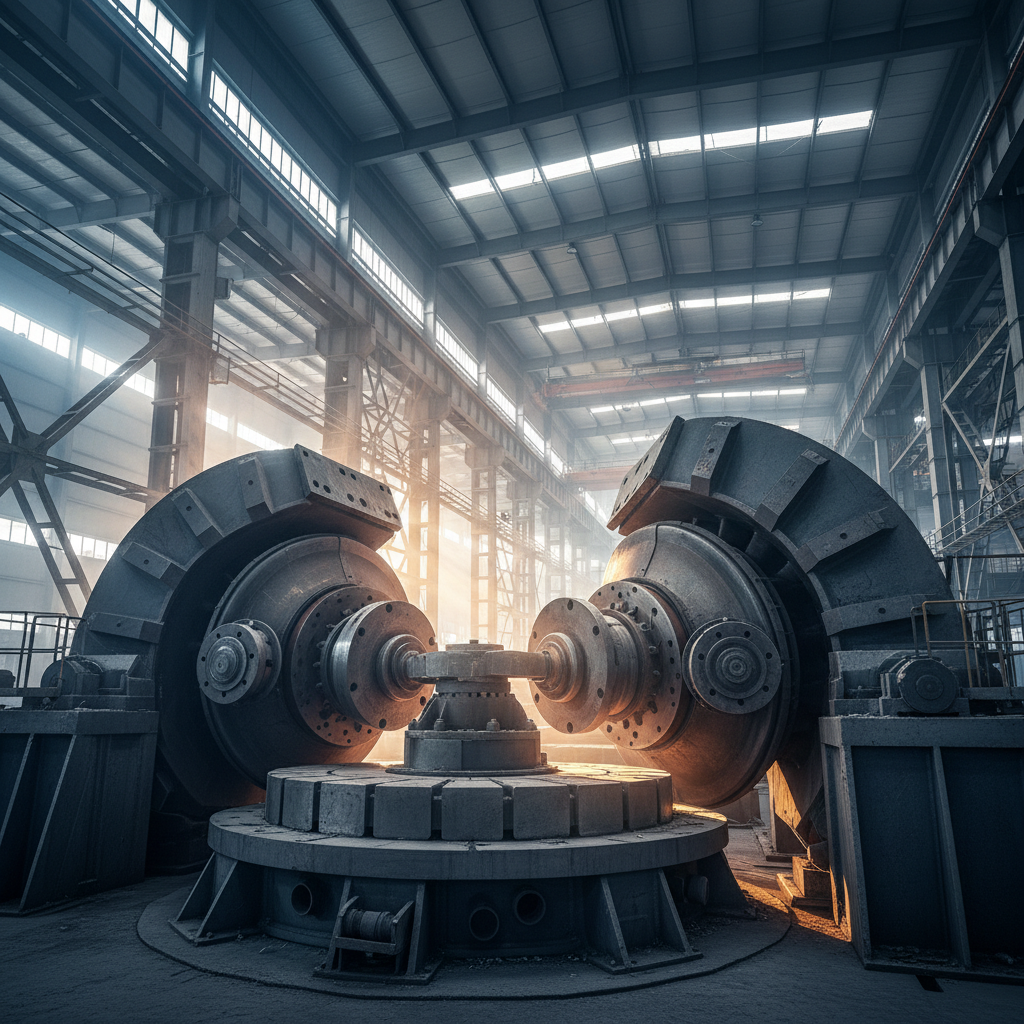
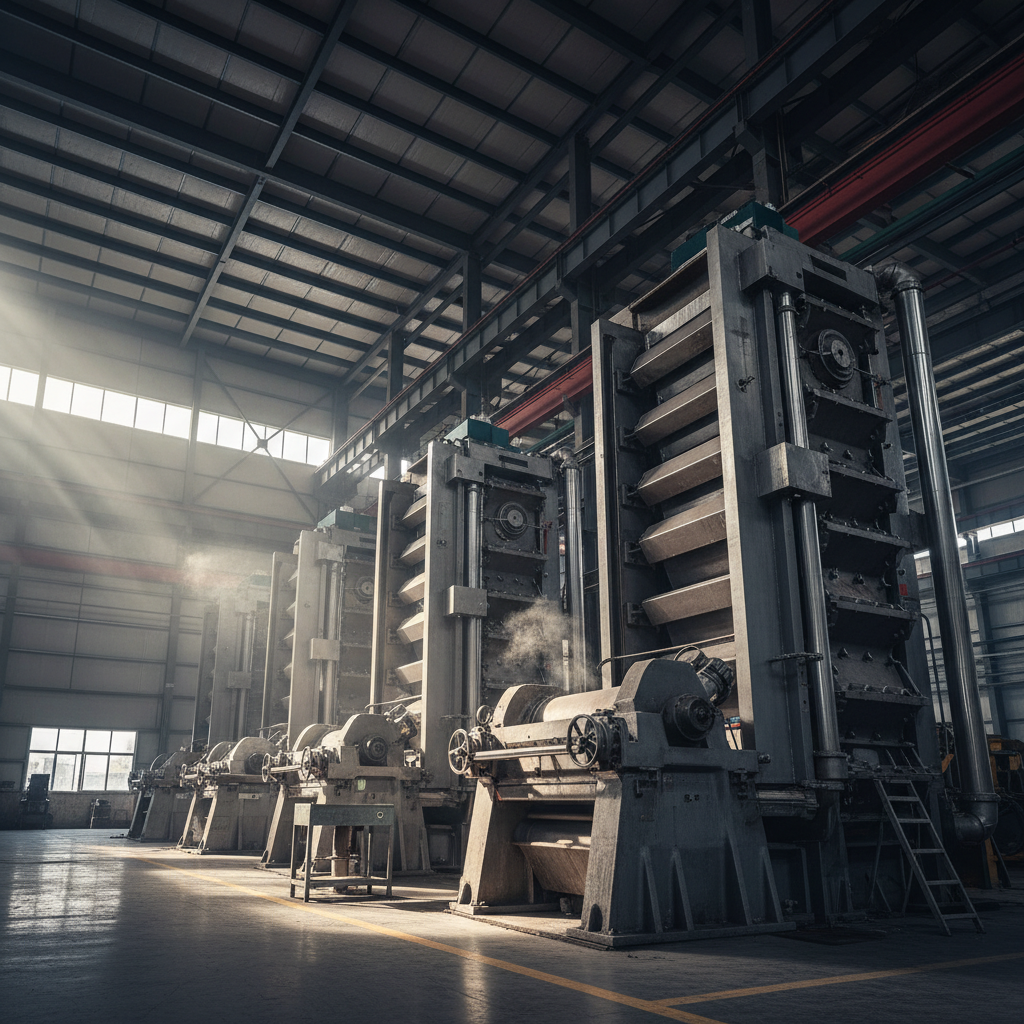
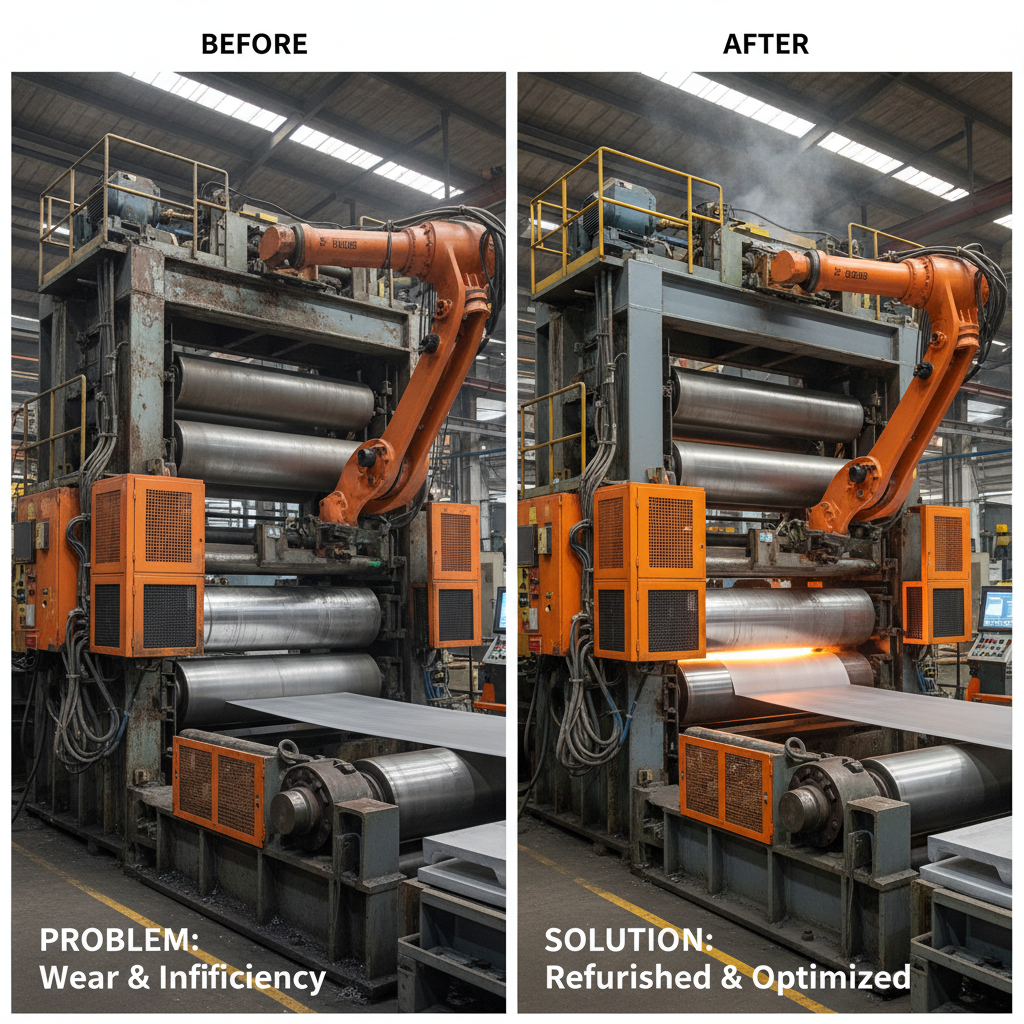
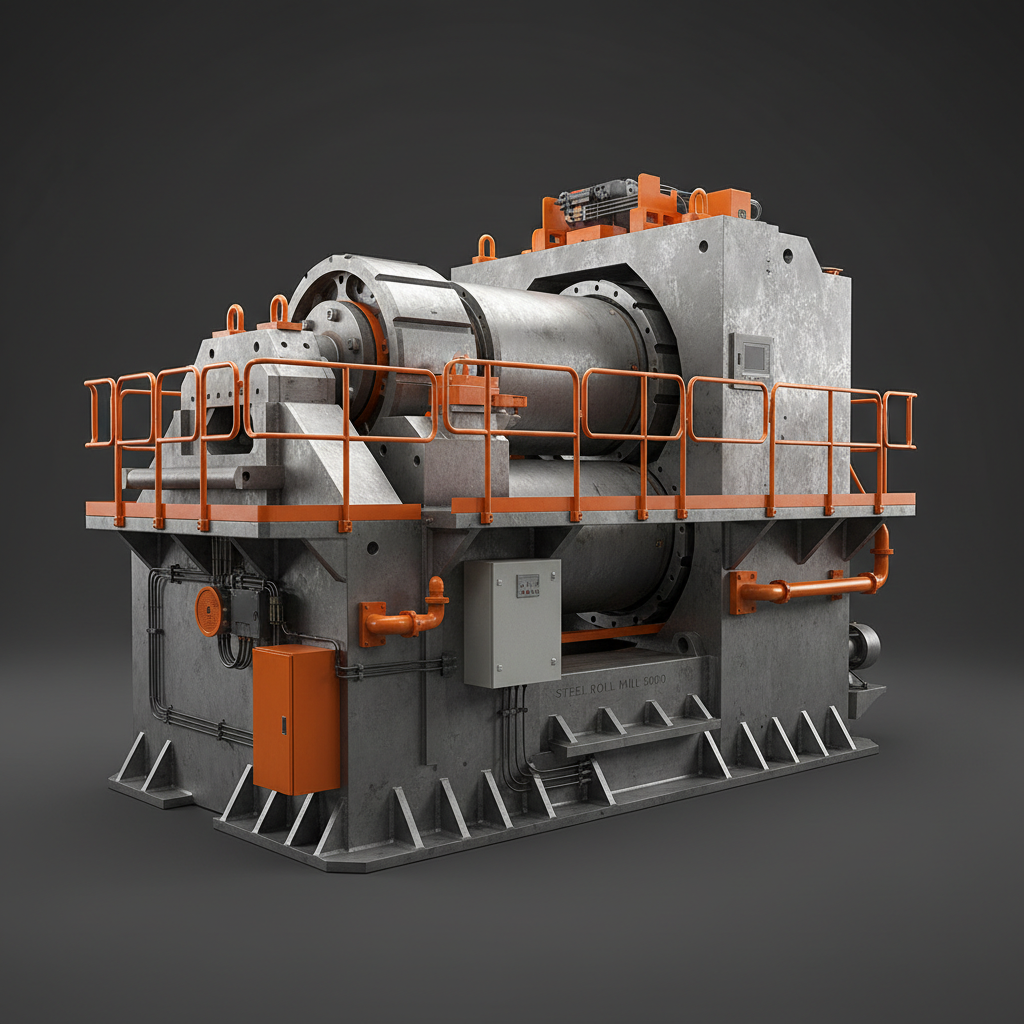
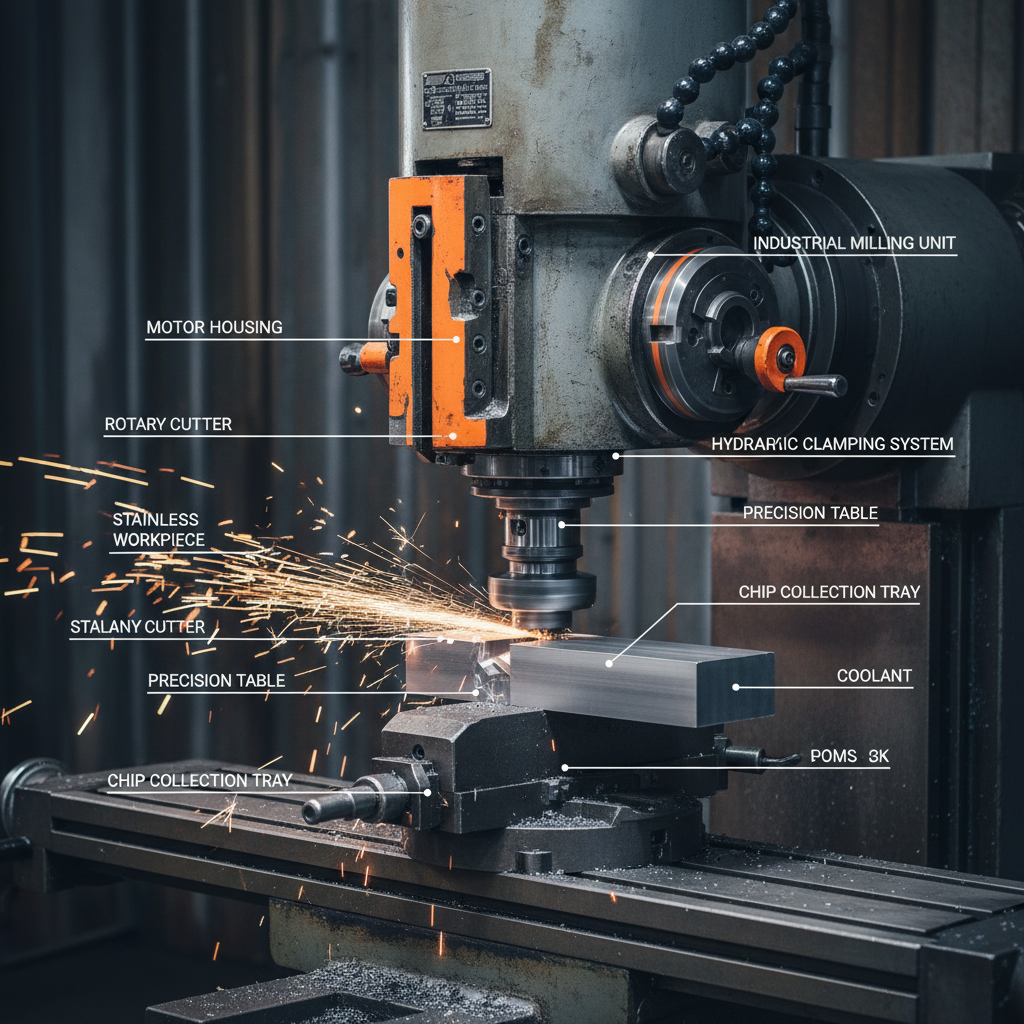
Roller mills are essential machinery across a vast range of industries, from food processing and pharmaceuticals to mining and cement production. These machines utilize cylindrical rollers to crush, grind, or mill materials, reducing their particle size and altering their physical properties. Understanding the different types of roller mill is crucial for optimizing production processes, ensuring product quality, and achieving cost-effectiveness. The global market for roller mills is substantial and continues to grow, driven by increasing demand in these key sectors.
The relevance of roller mills extends globally, impacting supply chains and manufacturing capabilities worldwide. According to industry reports, the global roller mill market is projected to reach significant values in the coming years, fueled by modernization in agriculture and growing demand for processed foods. Efficient and reliable milling processes are paramount for ensuring food security, supporting pharmaceutical innovation, and enabling efficient resource extraction. Addressing challenges like energy consumption and maintenance downtime in roller mill operations is essential for sustainable industrial growth.
Ultimately, a clear understanding of the various types of roller mill available empowers businesses and industries to make informed decisions, enhancing their operational efficiency and competitiveness in today's dynamic global landscape. This knowledge translates to better product quality, reduced costs, and a more sustainable approach to manufacturing.
Defining and Categorizing Types of Roller Mill
At their core, types of roller mill are machines designed to reduce the size of materials through compression between rotating rollers. However, the specific design and operational principles vary significantly, leading to a diverse range of roller mill categories. These categories are often defined by the arrangement of rollers, the materials used in construction, and the intended application.
Common classifications include smooth roller mills, corrugated roller mills, and roller mills with specialized surface treatments. Smooth roller mills are generally used for producing fine powders, while corrugated roller mills excel at crushing and grinding harder materials. The choice of the right type of roller mill is dictated by the desired particle size, the material’s properties, and the required throughput.
Key Operational Characteristics
The efficiency of types of roller mill depends heavily on several key operational characteristics. Roller speed is a crucial factor, influencing the grinding rate and the fineness of the final product. Adjusting the gap between the rollers controls the compression force and, consequently, the particle size reduction. Feeding rate and material distribution also play significant roles – consistent feeding ensures uniform grinding and prevents overloading the mill.
Temperature control is another critical aspect, particularly when processing heat-sensitive materials. Excessive heat can degrade product quality or even damage the mill itself. Furthermore, proper lubrication of the rollers is essential for minimizing friction, reducing wear, and ensuring smooth operation.
The power consumption of roller mills varies depending on the mill type, material being processed, and operational parameters. Minimizing energy usage is a growing concern, driving innovation in motor efficiency and process optimization.
Material Considerations in Roller Mill Design
The selection of materials for constructing types of roller mill is paramount, directly impacting durability, resistance to abrasion, and suitability for specific applications. Rollers are commonly made from hardened steel, chilled cast iron, or ceramic materials, depending on the hardness and abrasiveness of the material being processed.
For highly abrasive materials like cement clinker or minerals, hardened steel alloys with high chromium content are favored for their exceptional wear resistance. In food and pharmaceutical applications, stainless steel is preferred to ensure hygiene and prevent contamination. Ceramic rollers offer excellent resistance to corrosion and wear but are often more brittle than steel.
The mill housing and supporting structure are typically constructed from robust materials like cast iron or steel to withstand the stresses generated during operation. Careful consideration of material compatibility is crucial to prevent corrosion and ensure long-term reliability.
Performance Metrics and Efficiency Analysis of Types of Roller Mill
Evaluating the performance of types of roller mill requires assessing several key metrics. Particle size distribution is a primary indicator of grinding efficiency, reflecting the uniformity and fineness of the processed material. Throughput, measured in tons per hour, determines the mill's production capacity.
Energy efficiency is a critical metric, calculated as the ratio of output energy to input energy. Lower energy consumption translates to reduced operating costs and a smaller environmental footprint.
Performance Comparison of Types of Roller Mill
Global Applications Across Industries
Types of roller mill find widespread application across diverse industries globally. In the food processing industry, they are used to grind grains into flour, produce cocoa powder, and process sugar. The pharmaceutical industry utilizes roller mills for micronizing active pharmaceutical ingredients (APIs) and excipients.
In the cement industry, roller mills are critical for grinding clinker into cement powder. Mining and mineral processing rely on these mills for crushing and grinding ores and minerals. In remote industrial zones, robust and reliable roller mills are essential for processing raw materials.
The Economic and Environmental Advantages
Employing efficient types of roller mill translates to significant economic benefits. Reduced energy consumption lowers operating costs, while increased throughput boosts production capacity. Minimizing material waste reduces raw material expenses.
Environmentally, modern roller mill technologies contribute to sustainability through reduced energy usage and lower emissions. Optimized grinding processes minimize dust generation, improving air quality. The use of durable materials and extended mill lifespans reduces the need for frequent replacements, minimizing waste.
These advantages lead to improved profitability, enhanced environmental responsibility, and a strengthened brand reputation.
Emerging Trends and Future Innovations
The future of types of roller mill is shaped by several emerging trends. Automation and digitalization are playing an increasingly significant role, with advanced control systems optimizing grinding processes and minimizing downtime. The integration of sensors and data analytics allows for predictive maintenance, reducing unexpected failures.
Research into new materials, such as advanced ceramics and composite materials, is leading to the development of more durable and efficient rollers. Emphasis on energy efficiency is driving the adoption of variable-frequency drives (VFDs) and optimized motor designs.
Sustainable milling practices, including the use of recycled materials and closed-loop systems, are gaining prominence as industries strive to reduce their environmental impact.
Summary of Emerging Trends in Roller Mill Technology
| Trend Category |
Description |
Potential Impact |
Adoption Rate (1-10) |
| Automation & Control Systems |
Integration of PLCs and SCADA for process monitoring and control. |
Increased efficiency, reduced labor costs, improved product consistency. |
7 |
| Advanced Materials |
Use of ceramics, composites, and high-strength alloys for rollers. |
Enhanced wear resistance, extended lifespan, reduced maintenance. |
6 |
| Predictive Maintenance |
Sensor-based monitoring and data analytics for early fault detection. |
Minimized downtime, reduced repair costs, improved reliability. |
8 |
| Energy Efficiency Technologies |
Implementation of VFDs and high-efficiency motors. |
Lower energy consumption, reduced operating costs, environmental benefits. |
9 |
| Digital Twin Technology |
Creation of virtual models for process optimization and simulation. |
Improved process control, optimized performance, reduced risk. |
5 |
| Sustainable Milling Practices |
Use of recycled materials and closed-loop systems for waste reduction. |
Reduced environmental impact, resource conservation, circular economy principles. |
7 |
FAQS
Smooth roller mills are ideal for fine grinding and producing powders, utilizing a shearing action between the rollers. Corrugated roller mills, on the other hand, employ a crushing action suitable for harder materials and larger particle size reduction. The corrugations increase the surface area and gripping force, allowing for more efficient fracturing of the material. Choosing the correct type hinges on the material properties and desired final particle size.
The optimal roller gap depends heavily on the material being processed and the desired fineness. A smaller gap results in finer grinding but can increase energy consumption and wear. Start with a wider gap and gradually reduce it while monitoring the output particle size and power draw. Consider conducting pilot tests to determine the ideal setting for your specific material and application. Regular adjustment may be required to maintain consistent results.
Regular lubrication of the rollers and bearings is paramount. Inspect rollers for wear and damage, and replace them as needed. Monitor the alignment of the rollers to prevent uneven wear and vibration. Clean the mill regularly to remove accumulated dust and debris. Implement a preventative maintenance schedule based on operating hours and material processed. Following manufacturer recommendations is vital for optimal performance and longevity.
Consider installing variable-frequency drives (VFDs) to control motor speed and optimize energy consumption. Ensure proper material feeding to avoid overloading the mill. Minimize the roller gap only to the extent necessary for the desired fineness. Regularly inspect and maintain the mill to prevent inefficiencies caused by wear and misalignment. Evaluate the feasibility of implementing energy recovery systems to capture and reuse waste heat.
Always wear appropriate personal protective equipment (PPE), including safety glasses, dust masks, and hearing protection. Ensure the mill is properly guarded to prevent access to moving parts. Follow lockout/tagout procedures before performing any maintenance. Train operators on safe operating procedures and emergency shutdown procedures. Regularly inspect safety devices and ensure they are functioning correctly.
Yes, utilizing recycled materials for mill construction and implementing closed-loop systems to minimize waste are beneficial. Selecting energy-efficient motors and optimizing operational parameters can significantly reduce the carbon footprint. Exploring alternative grinding media and lubricants with lower environmental impact is also advisable. Adopting sustainable practices demonstrates a commitment to environmental responsibility.
Conclusion
Understanding the nuances of types of roller mill is crucial for maximizing efficiency, ensuring product quality, and promoting sustainable practices across a multitude of industries. From the careful selection of materials and operating parameters to the adoption of emerging technologies like automation and predictive maintenance, optimizing roller mill performance delivers significant economic and environmental benefits.
As industries continue to evolve and demand for processed materials increases, investing in advanced roller mill technologies and embracing innovative approaches will be vital for maintaining competitiveness and meeting the challenges of a rapidly changing world. To learn more about our range of roller mill solutions and how we can help you optimize your operations, visit our website at www.bjywlx.com.