Understanding rolling mill plant cost is critical in today’s global manufacturing landscape. These plants are foundational for producing metals used in countless industries, from construction and automotive to aerospace and packaging. Accurately assessing and managing these costs is not simply about profitability; it impacts a nation’s industrial competitiveness, the affordability of essential materials, and the feasibility of large-scale infrastructure projects. Therefore, a thorough understanding of the components contributing to rolling mill plant cost is essential for investors, engineers, and policymakers alike.
The global steel industry, a major driver for rolling mill plant demand, is currently undergoing significant transformations. Increasing demand from emerging economies, coupled with a growing focus on sustainable and efficient production methods, are reshaping investment strategies. The fluctuating prices of raw materials like iron ore and the complexities of international trade further emphasize the need for precise cost analysis. Ultimately, a robust comprehension of rolling mill plant cost enables informed decision-making in a dynamic and competitive market.
The benefits of understanding rolling mill plant cost extend beyond financial considerations. Optimized cost management allows for the implementation of advanced technologies, enhancing productivity and reducing environmental impact. Furthermore, it fosters innovation in plant design and operation, leading to improved product quality and increased efficiency. This contributes not only to economic growth but also to a more sustainable and responsible industrial sector.
Introduction: Global or Industry Context
The rolling mill plant cost is significantly influenced by global steel demand, which reached approximately 1.869 billion metric tons in 2023 (World Steel Association). This demand is largely driven by infrastructure development in countries like China and India, as well as the automotive and construction sectors globally. Understanding these market dynamics is crucial when estimating the initial investment required for a new rolling mill plant.
Fluctuations in raw material prices – iron ore, coal, and alloys – represent a major component of rolling mill plant cost. These prices are susceptible to geopolitical events, supply chain disruptions, and changes in global economic conditions. The United Nations Conference on Trade and Development (UNCTAD) highlights the vulnerability of developing nations to commodity price volatility, emphasizing the need for careful cost planning and risk mitigation strategies.
A significant challenge currently facing the industry is balancing cost efficiency with environmental sustainability. Increasingly stringent environmental regulations (as outlined by ISO 14001 standards) require investments in pollution control technologies and energy-efficient equipment, directly impacting rolling mill plant cost. Failure to comply with these regulations can result in substantial penalties and reputational damage.
Definition & Meaning
Rolling mill plant cost encompasses all expenses associated with establishing and operating a facility that processes metal by passing it through rollers to reduce its thickness and/or modify its shape. This includes not only the capital expenditure (CAPEX) for land, buildings, machinery, and equipment, but also the operational expenditure (OPEX) related to raw materials, energy, labor, maintenance, and administrative costs.
In the modern industrial context, the definition extends to include lifecycle costs, considering decommissioning and environmental remediation. A comprehensive understanding of rolling mill plant cost is vital for securing funding, optimizing production processes, and maintaining competitiveness. Effective cost management impacts everything from product pricing to long-term profitability.
The connection to humanitarian needs arises from the crucial role of steel in infrastructure development. Affordable steel production, facilitated by optimized rolling mill plant cost, directly supports the construction of housing, transportation networks, and essential public facilities, particularly in developing regions. Therefore, understanding and controlling these costs contributes to improved living standards and societal well-being.
Key Factors or Core Components
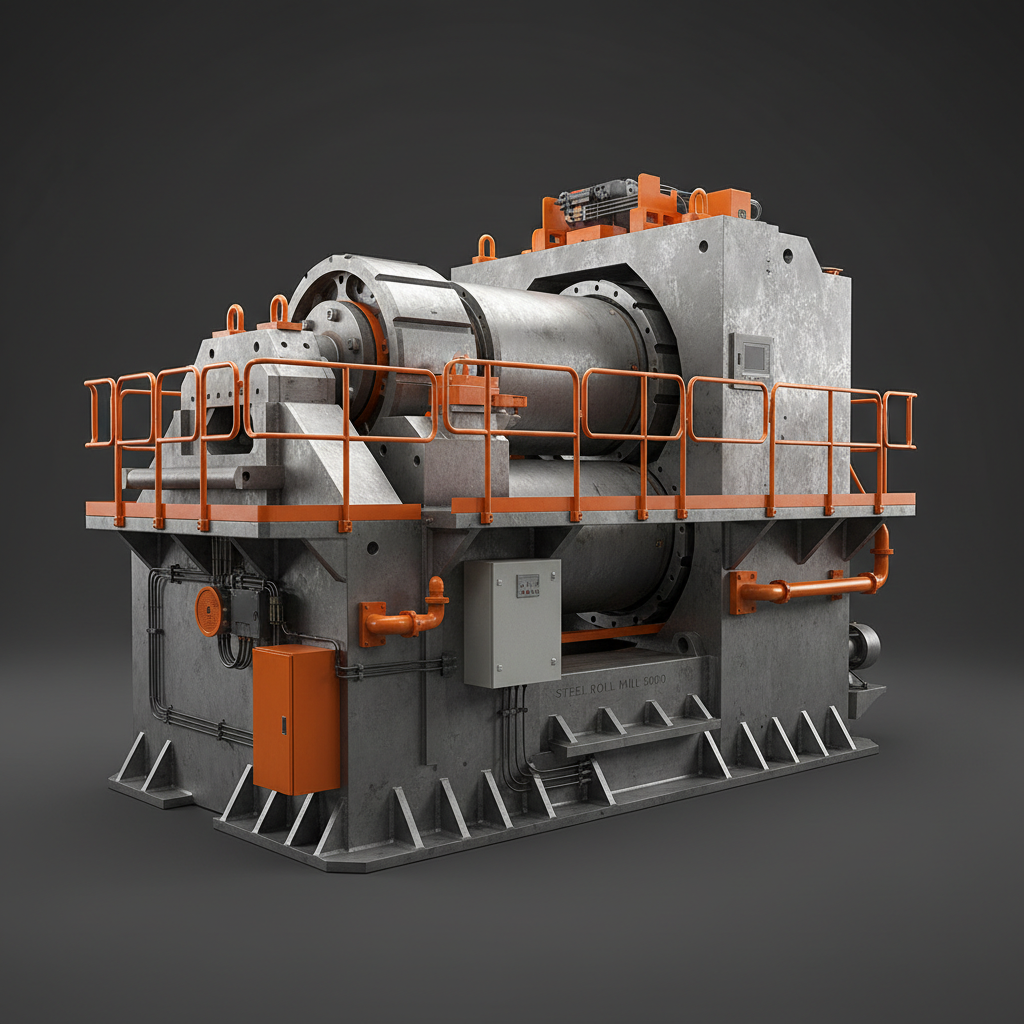
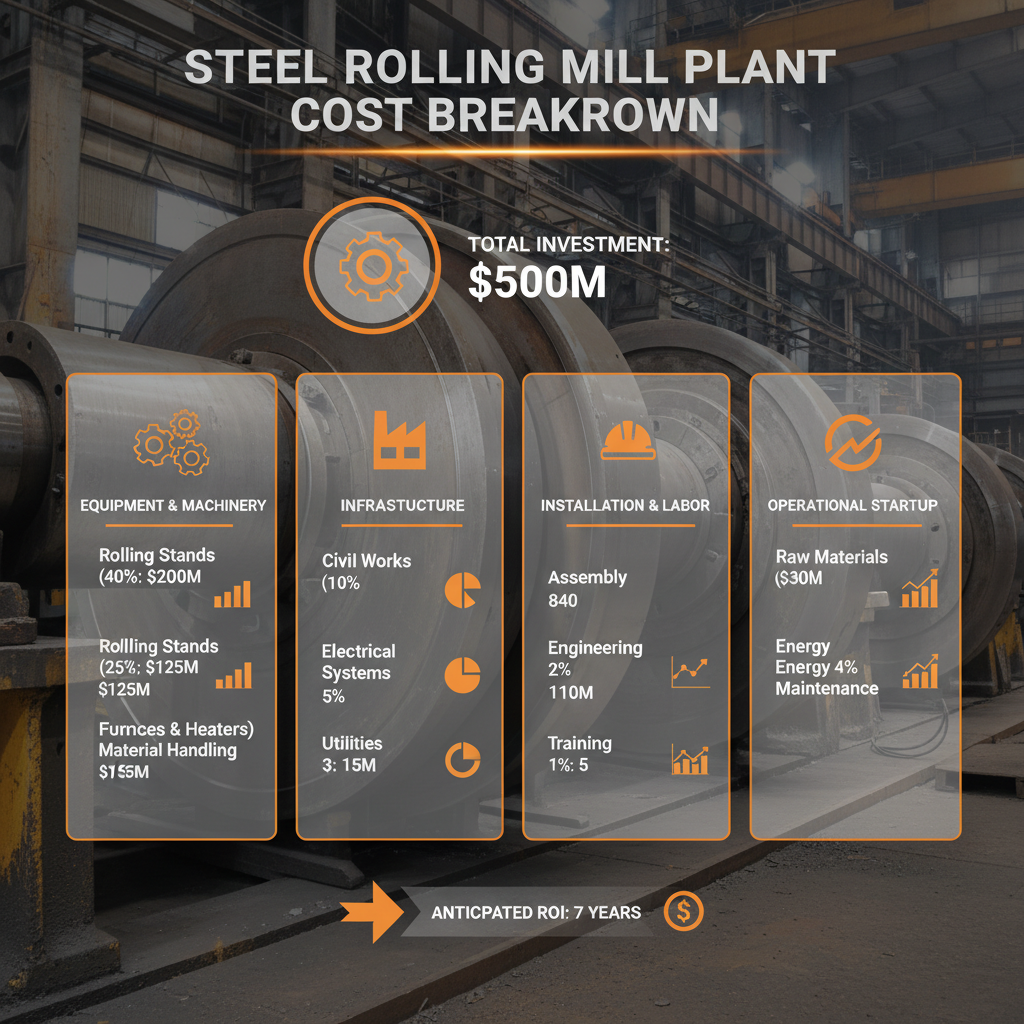
Equipment Cost: This represents the largest portion of rolling mill plant cost, including the rolling mills themselves (various types like roughing, finishing, and breakdown mills), auxiliary equipment (shears, coilers, cooling systems), and automation systems. The selection of equipment, based on production capacity and product specifications, significantly impacts the overall investment.
Civil & Structural Work: The cost of land acquisition, site preparation, foundation construction, and building erection can be substantial, particularly in urban areas or regions with challenging geological conditions. This also includes costs associated with utility connections (power, water, gas) and waste management systems.
Installation & Commissioning: Skilled labor is required to install, calibrate, and commission the rolling mill equipment. This often involves specialized expertise and can be a significant cost driver. Proper installation is crucial for ensuring optimal performance and minimizing downtime.
Raw Material Handling: Efficient handling of raw materials like steel billets or slabs is essential for continuous operation. This involves infrastructure for unloading, storage, and transportation to the rolling mills, adding to the overall rolling mill plant cost.
Environmental Compliance: Investment in pollution control equipment (dust collectors, wastewater treatment plants) and adherence to environmental regulations significantly impact the cost. Failing to meet these standards can lead to hefty fines and operational disruptions.
Automation & Control Systems: Implementing advanced automation and control systems enhances efficiency, reduces labor costs, and improves product quality. However, the initial investment in these systems can be considerable.
Global Applications & Use Cases
Rolling mill plants are integral to steel production across the globe. In China, the world’s largest steel producer, massive rolling mill complexes cater to the demands of its booming construction and manufacturing sectors. Similarly, in India, rapid infrastructure development drives the need for increased steel production capacity, leading to significant investment in new rolling mill plants.
In Europe and North America, older rolling mill plants are undergoing modernization and automation to enhance efficiency and competitiveness. These upgrades often focus on improving energy efficiency, reducing emissions, and increasing product quality. In remote industrial zones of Australia, strategically located rolling mill plants serve the mining and resource extraction industries.
Emerging economies in Southeast Asia and Africa are also witnessing growth in the steel industry, fueled by increasing demand for infrastructure and consumer goods. Smaller, specialized rolling mill plants cater to niche markets and specific product requirements. In post-disaster relief operations, mobile or rapidly deployable rolling mills can provide essential steel products for reconstruction efforts.
Rolling Mill Plant Cost Breakdown (Estimated)
Advantages & Long-Term Value
Lowering rolling mill plant cost through efficient planning and technology adoption translates to direct cost savings in steel production, enhancing the competitiveness of manufacturers. Furthermore, investments in energy-efficient equipment and pollution control technologies contribute to sustainable operations, reducing environmental impact and enhancing corporate social responsibility.
A well-planned rolling mill plant, optimized for cost-effectiveness, provides a reliable and long-term source of high-quality steel products, ensuring supply chain stability and minimizing disruptions. The use of automated systems enhances workplace safety by reducing human intervention in hazardous processes.
The long-term value extends beyond economic benefits. Contributing to infrastructure development and providing essential materials for societal needs fosters trust and builds a positive brand reputation. Innovation in plant design and operation promotes technological advancements within the steel industry, driving progress and creating new opportunities.
Future Trends & Innovations
The integration of Industry 4.0 technologies, such as artificial intelligence (AI) and machine learning (ML), is poised to revolutionize rolling mill plant operations. These technologies enable predictive maintenance, optimized process control, and improved product quality, ultimately reducing rolling mill plant cost and enhancing efficiency.
A growing trend is the adoption of green energy sources, such as solar and wind power, to reduce the carbon footprint of steel production. Investing in energy-efficient equipment and implementing circular economy principles, such as steel recycling, are also key aspects of sustainable development.
Challenges & Solutions
One major challenge is the fluctuating cost of raw materials, particularly iron ore and coal. Solutions include diversifying sourcing strategies, negotiating long-term contracts with suppliers, and investing in technologies that reduce raw material consumption. rolling mill plant cost can be significantly impacted by these factors.
Another challenge is the increasing complexity of environmental regulations. Compliance requires significant investment in pollution control equipment and ongoing monitoring. Solutions include adopting best available technologies (BAT) and implementing robust environmental management systems.
Skilled labor shortages pose a challenge to the operation and maintenance of sophisticated rolling mill plants. Solutions include investing in training programs, attracting talent through competitive compensation packages, and automating tasks to reduce reliance on manual labor.
Table Summarizing Key Challenges & Solutions to Optimize Rolling Mill Plant Cost
| Challenge |
Impact on Cost |
Solution |
Cost Reduction Potential |
| Raw Material Price Volatility |
Increased production costs, reduced profitability |
Long-term contracts, diversified sourcing |
5-10% |
| Environmental Regulations |
Investment in pollution control, potential fines |
BAT implementation, environmental management systems |
3-7% |
| Labor Shortages |
Increased labor costs, reduced productivity |
Automation, training programs |
8-12% |
| Energy Consumption |
High operating expenses |
Energy-efficient equipment, renewable energy sources |
4-9% |
| Equipment Maintenance |
Downtime, repair costs |
Predictive maintenance, robust maintenance schedules |
2-5% |
| Supply Chain Disruptions |
Delayed projects, increased costs |
Strategic partnerships, inventory management |
3-6% |
FAQS
The most significant cost drivers are typically the cost of the rolling mill equipment itself (including the mill stands, automation systems, and auxiliary equipment), civil and structural engineering works (land acquisition, foundations, buildings), and installation & commissioning. Raw material handling systems and environmental compliance measures also contribute substantially to the overall rolling mill plant cost. Careful planning and negotiation are vital to managing these expenses.
While initial investment in automation increases rolling mill plant cost, it often leads to significant long-term savings. Automation reduces labor costs, improves production efficiency, enhances product quality, and minimizes errors. Furthermore, automated systems can optimize energy consumption and reduce waste, contributing to a lower overall operational cost and a faster return on investment.
The payback period for a rolling mill plant investment varies widely depending on factors like plant capacity, production efficiency, raw material costs, and market demand. Typically, payback periods range from 5 to 10 years. A detailed feasibility study, including a thorough cost-benefit analysis, is crucial for accurately estimating the payback period for a specific project.
Stringent environmental regulations necessitate investments in pollution control technologies, such as dust collectors, wastewater treatment plants, and noise reduction systems. Compliance monitoring and reporting also add to the operational costs. Failure to adhere to these regulations can result in significant penalties, further increasing the overall rolling mill plant cost.
Yes, implementing sustainable practices can lead to significant cost reductions. This includes utilizing recycled steel, optimizing energy consumption through efficient equipment and renewable energy sources, and minimizing waste generation. Reducing reliance on virgin raw materials and lowering environmental impact can create long-term financial benefits.
Global steel prices directly influence the economic viability of a rolling mill plant. High steel prices can increase profitability, while low prices can squeeze margins and potentially impact the plant’s ability to recover its initial investment. Therefore, a thorough market analysis and risk assessment are essential when evaluating rolling mill plant cost and potential returns.
Conclusion
In conclusion, understanding rolling mill plant cost is paramount for successful investment and operation within the steel industry. From initial capital expenditure to ongoing operational expenses and long-term sustainability considerations, a holistic approach to cost management is critical. Factors such as equipment selection, environmental compliance, automation, and raw material sourcing all play a significant role in determining the overall economic viability of a plant.
Looking ahead, technological advancements and a growing emphasis on sustainable practices will continue to shape the landscape of rolling mill plant cost. Embracing innovation, adopting circular economy principles, and prioritizing energy efficiency will not only reduce costs but also enhance the environmental and social responsibility of the steel industry. For detailed information and customized solutions regarding rolling mill plant cost, visit our website: www.bjywlx.com.