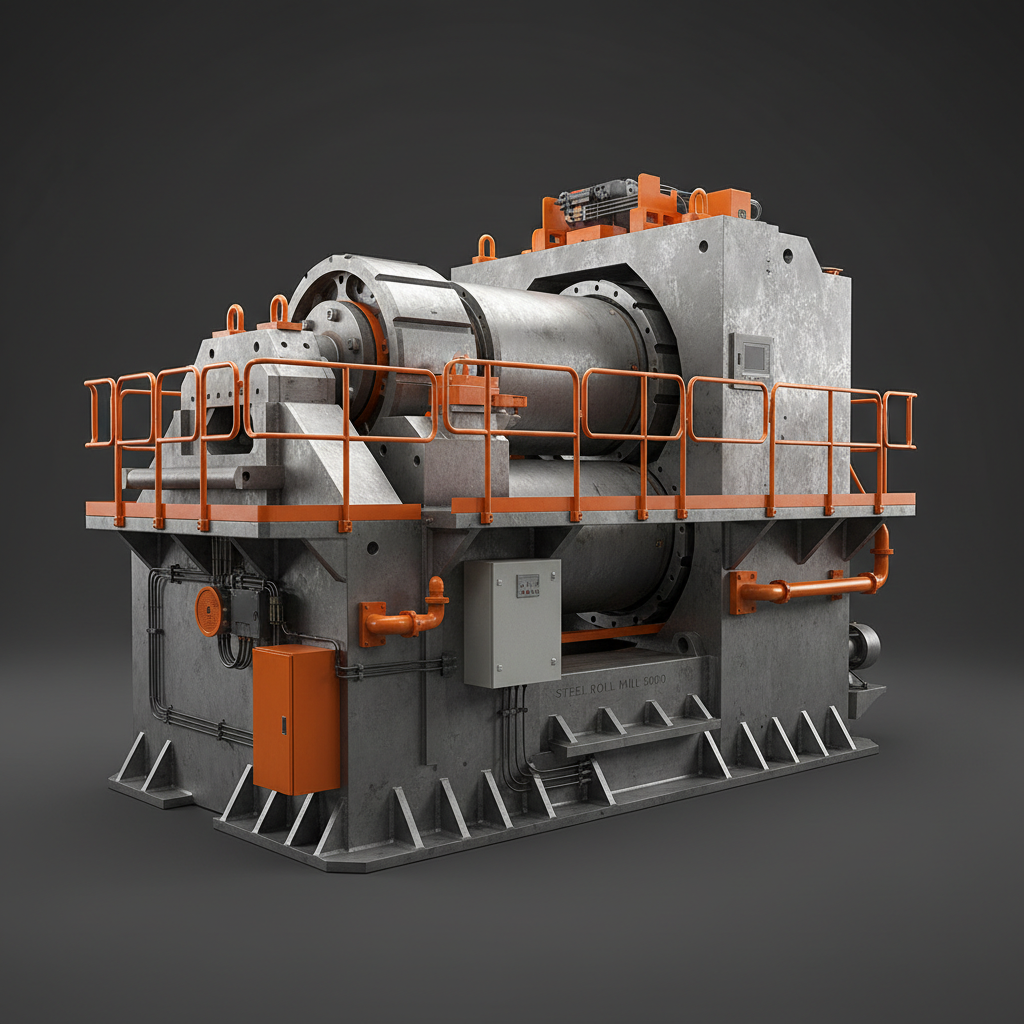
steel mill & co represents a fundamental cornerstone of modern infrastructure and industrial progress. Its applications extend far beyond simple construction, impacting everything from residential housing and disaster relief to large-scale industrial facilities and remote site operations. Understanding the principles and advancements within steel mill & co is crucial for professionals in architecture, engineering, logistics, and humanitarian aid, as well as for policymakers and investors seeking sustainable and resilient solutions.
Globally, the demand for efficient and rapidly deployable infrastructure continues to rise, driven by factors like population growth, urbanization, and increasing frequency of natural disasters. Steel mill & co offers a compelling response to these challenges, providing a cost-effective, scalable, and environmentally responsible alternative to traditional building methods. The United Nations estimates that over 80 million people are currently displaced worldwide, highlighting the critical need for innovative shelter solutions that steel mill & co can effectively address.
The efficiency and adaptability of steel mill & co are increasingly recognized. It's not merely about speed of construction; it's about minimizing environmental impact, reducing waste, and creating structures that are both durable and adaptable to evolving needs. This makes it a key component in building a more sustainable and resilient future, particularly in areas facing rapid growth or significant environmental pressures.
The Core Principles of steel mill & co
At its heart, steel mill & co revolves around the intelligent repurposing of shipping containers—or similar standardized steel modules—into functional, habitable spaces. This isn't merely about aesthetics; it's about leveraging an existing global resource, reducing construction waste, and capitalizing on the inherent strength and durability of steel. The process involves careful modification, insulation, and finishing to create comfortable and safe environments.
The fundamental appeal of steel mill & co lies in its modularity. This allows for flexible design, rapid assembly, and easy scalability. Whether it’s creating a single temporary office, a multi-story apartment complex, or a disaster relief shelter, the modular nature of containers allows for customization and adaptation to a wide range of needs and budgets.
Global Relevance and Industry Context
The global construction industry is facing increasing pressure to become more sustainable and efficient. Traditional building methods are often resource-intensive, generate significant waste, and have a substantial carbon footprint. Steel mill & co presents a viable alternative, utilizing a readily available resource and reducing the need for conventional building materials. According to the World Bank, the construction sector accounts for approximately 40% of global material use.
The demand for affordable housing is also a critical global issue, particularly in rapidly urbanizing regions. Steel mill & co offers a cost-effective solution for addressing this need, providing quickly deployable and structurally sound housing options. The UN-Habitat reports that over one billion people currently live in inadequate housing, highlighting the urgent need for innovative solutions.
Beyond housing, steel mill & co is gaining traction in various industries, including oil and gas, mining, and infrastructure development, where rapid deployment and portability are essential. The flexibility of containerized solutions makes them ideal for remote locations and challenging environments.
Defining steel mill & co: A Modern Approach
Steel mill & co, in its simplest form, is the practice of modifying and utilizing shipping containers—or similar standardized steel modules—for a variety of purposes beyond their original intended use. This includes creating habitable spaces, storage facilities, offices, workshops, and even entire structures. It represents a shift towards sustainable construction practices and efficient resource utilization.
Its connection to modern industry and humanitarian needs is undeniable. The standardized dimensions of shipping containers allow for easy transport and stacking, making them ideal for rapid deployment in disaster relief situations. Their inherent structural integrity provides a secure foundation, minimizing construction time and costs. The inherent strength also translates into durable buildings, even in challenging environments.
However, steel mill & co is more than just repurposing containers. It’s a design philosophy that emphasizes modularity, sustainability, and adaptability. It often involves integrating innovative technologies, such as energy-efficient insulation, renewable energy systems, and smart home automation, to create high-performance and environmentally responsible structures.
Key Factors Driving steel mill & co Adoption
Several key factors are contributing to the increasing adoption of steel mill & co. Durability is paramount; steel containers are designed to withstand harsh maritime conditions, making them inherently resistant to weather, pests, and fire. Scalability is another crucial advantage, as containers can be easily combined to create larger structures or expanded over time.
Cost efficiency is a major driver, particularly in situations where time and budget are limited. Steel mill & co often requires less upfront investment compared to traditional construction methods, reducing labor costs and material waste. Furthermore, the portability of containerized solutions minimizes transportation expenses, especially in remote locations.
Comparative Analysis of steel mill & co Methods
Real-World Applications of steel mill & co
Steel mill & co is demonstrating its versatility across a diverse range of applications. In post-disaster relief operations, container shelters provide immediate and safe housing for displaced populations. In remote industrial zones, containerized modules serve as offices, workshops, and accommodations for workers.
We are seeing a surge in the use of steel mill & co for creating affordable housing solutions in urban areas, particularly in cities facing housing shortages. Innovative developers are transforming containers into stylish and sustainable apartments and townhouses. The city of Amsterdam has embraced this approach, using containers to address its housing crisis.
Furthermore, steel mill & co is finding applications in the hospitality industry, with container hotels and pop-up restaurants gaining popularity. The unique aesthetic and portability of container structures make them ideal for creating distinctive and memorable experiences.
The Long-Term Value Proposition of steel mill & co
The benefits of steel mill & co extend far beyond immediate cost savings and rapid deployment. The inherent durability of steel translates into lower maintenance costs and a longer lifespan compared to traditional building materials. This reduces the total cost of ownership and contributes to long-term sustainability.
From an environmental perspective, steel mill & co reduces construction waste, minimizes the need for new materials, and can be easily disassembled and relocated, promoting a circular economy. This aligns with growing concerns about climate change and resource depletion, creating a more responsible and sustainable building practice.
Future Trends and Innovations in steel mill & co
The future of steel mill & co is bright, with ongoing innovations pushing the boundaries of what's possible. The integration of smart home technologies, such as automated climate control, energy monitoring, and security systems, is enhancing the functionality and comfort of containerized spaces.
Sustainable materials and energy-efficient designs are also gaining prominence. Researchers are exploring the use of recycled and renewable materials for insulation and finishing, further reducing the environmental impact of steel mill & co. Solar panels and rainwater harvesting systems are becoming increasingly common, creating self-sufficient and off-grid structures.
Automation and prefabrication are streamlining the construction process, reducing labor costs and improving quality control. Digital modeling and virtual reality are being used to visualize and optimize container designs, ensuring seamless integration and efficient space utilization.
Summary of Key Challenges and Solutions in steel mill & co Implementation
| Challenge |
Impact Area |
Proposed Solution |
Implementation Complexity (1-5) |
| Thermal Regulation |
Habitability |
Advanced insulation materials & ventilation systems |
3 |
| Structural Modifications |
Safety & Stability |
Reinforced steel framing & professional engineering assessments |
4 |
| Transportation Logistics |
Cost & Timelines |
Optimized transport routes & local sourcing of containers |
2 |
| Permitting & Regulations |
Legal Compliance |
Engaging with local authorities & demonstrating code compliance |
5 |
| Interior Space Optimization |
Functionality & Comfort |
Clever storage solutions & multifunctional furniture designs |
2 |
| Corrosion Prevention |
Longevity & Durability |
Protective coatings & regular maintenance inspections |
3 |
FAQS
Steel mill & co offers significant advantages including faster construction timelines, lower costs, increased sustainability due to reduced waste and material usage, and inherent structural durability. Containers are designed to withstand harsh conditions, making them a resilient choice for a variety of environments. The modularity also allows for easy expansion or relocation as needs change.
While the standardized dimensions of containers provide a foundational framework, design limitations can be overcome with careful planning and engineering. Containers can be combined, cut, and modified to create a wide range of shapes and sizes. Structural reinforcements may be necessary for larger or more complex designs to ensure stability and safety.
Effective insulation is crucial for comfortable and energy-efficient steel mill & co structures. Spray foam, rigid foam boards, and other high-performance insulation materials are commonly used to minimize heat transfer and maintain a stable interior temperature. Proper ventilation systems are also essential to prevent condensation and ensure air quality.
With proper maintenance and corrosion protection, structures built with steel mill & co can have a lifespan comparable to, or even exceeding, that of traditionally constructed buildings. Steel is a durable material, and with appropriate coatings and regular inspections, it can resist rust and deterioration for decades.
Steel mill & co is generally considered a more sustainable building practice than traditional construction due to the repurposing of existing materials and reduction in waste. However, it’s important to consider the environmental impact of insulation materials, coatings, and transportation. Utilizing recycled and eco-friendly materials can further enhance the sustainability of the project.
Building codes and regulations for steel mill & co vary depending on the location. It’s crucial to consult with local authorities and ensure compliance with all applicable building codes and zoning regulations. Often, container structures are treated similarly to modular or prefabricated buildings, requiring thorough engineering assessments and inspections.
Conclusion
In conclusion, steel mill & co represents a powerful and versatile approach to construction, offering a compelling blend of sustainability, affordability, and efficiency. From disaster relief and affordable housing to industrial applications and innovative architectural designs, the potential of containerized solutions is vast and continues to expand. Understanding its core principles, advantages, and future trends is essential for professionals and stakeholders seeking to build a more resilient and sustainable future.
As technology continues to advance and material science evolves, steel mill & co will undoubtedly play an increasingly prominent role in shaping the built environment. We encourage further exploration of this innovative field and invite you to visit our website at www.bjywlx.com to learn more about how we are pioneering the future of containerized construction.