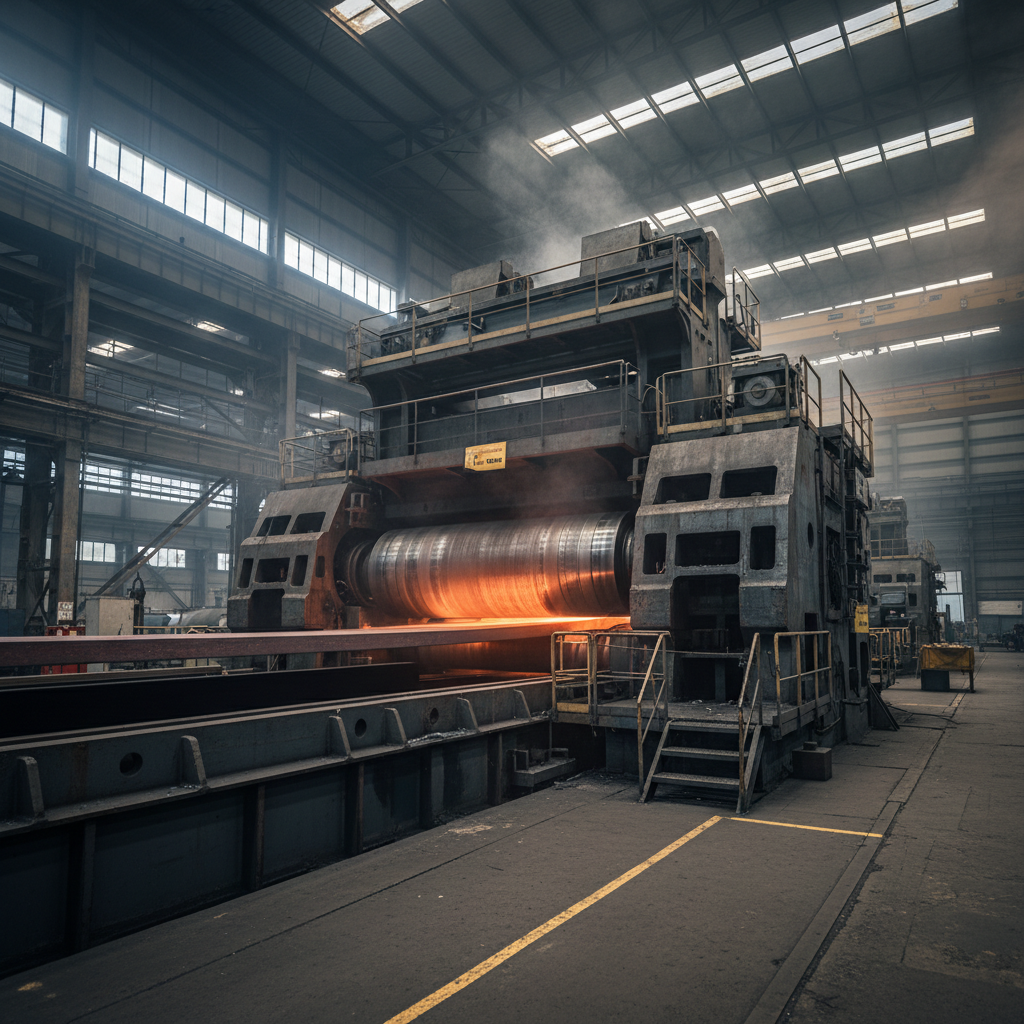
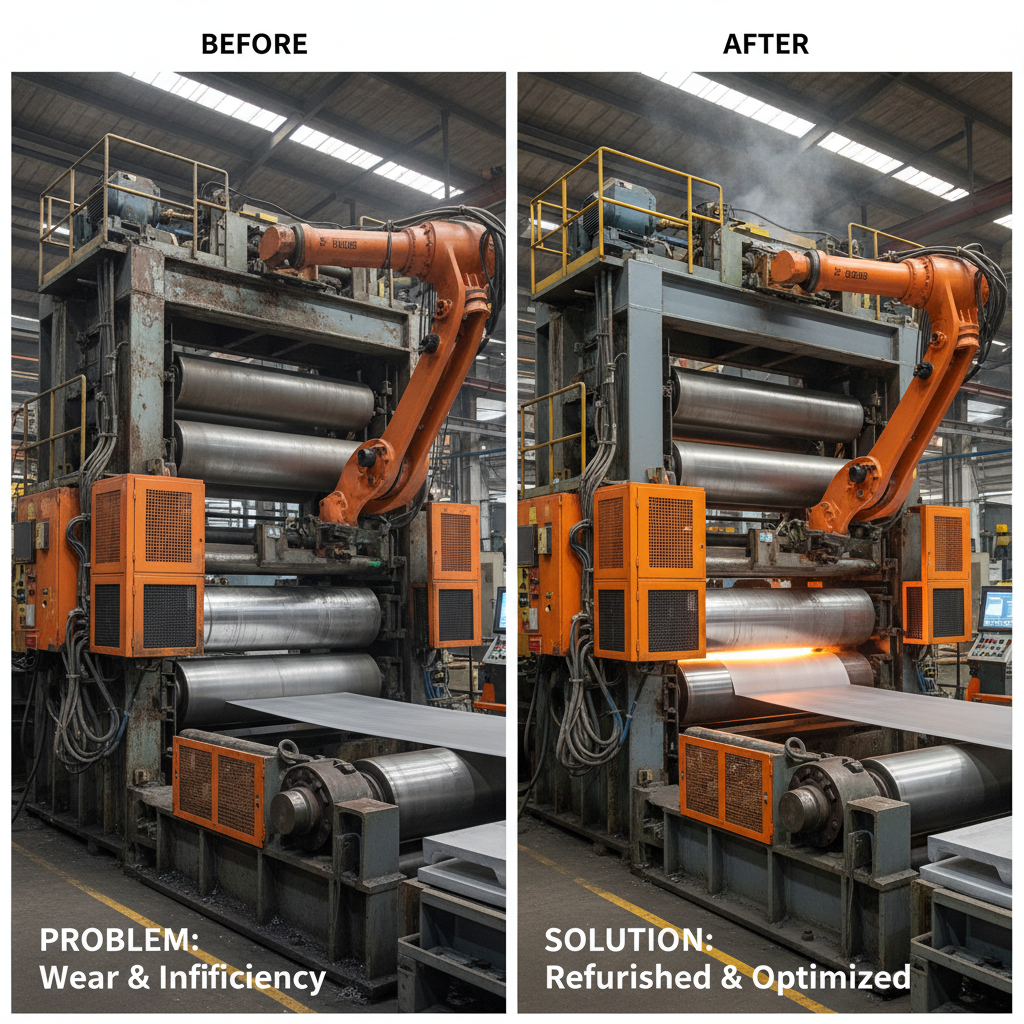
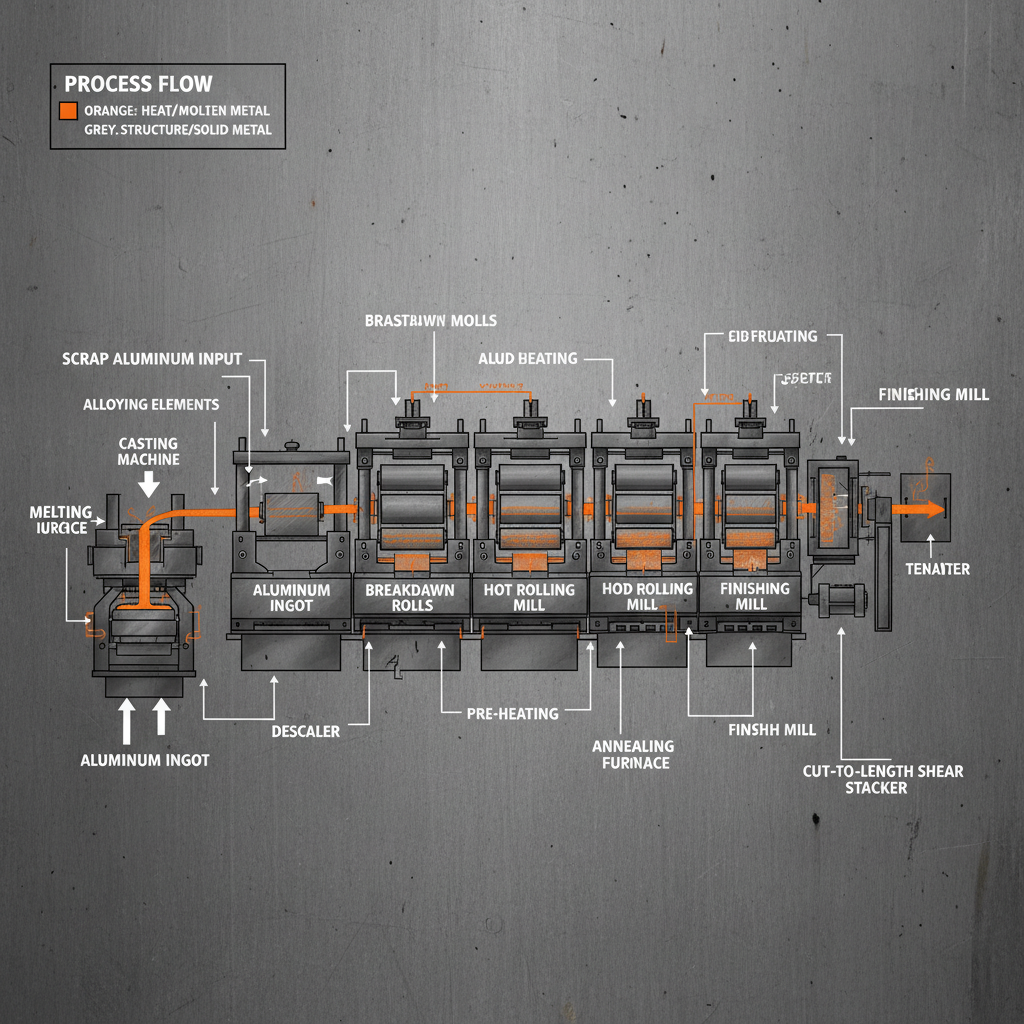
Look, I've spent the last twenty years breathing concrete dust and arguing with engineers on job sites. When it comes to getting steel where it needs to be, efficiently and reliably, a good steel rolling machine is the backbone of any serious operation. It’s not glamorous, but it’s the difference between a project running on time and budget, and a complete disaster. We're talking about shaping the very bones of infrastructure, from bridges to skyscrapers.
These aren’t just machines; they’re investments. A properly spec'd steel rolling machine pays for itself quickly by cutting down on labor costs, minimizing material waste, and improving the quality of the finished product. You see a lot of guys trying to cut corners, buying cheap, and ending up with headaches down the line. I've been there, fixing those messes. It's always cheaper to do it right the first time.
I’ve seen a lot of evolution in this space, from the old manual rollers to the fully automated, computer-controlled systems. The key is finding the right balance between capability, durability, and cost for your specific needs. There's no one-size-fits-all answer, and that's what I'll be covering here - what matters, what you need to look for, and what kind of headaches you can avoid.
The Importance of Steel Rolling Machines in Modern Construction
Steel is the backbone of modern infrastructure. From the tallest skyscrapers to the longest bridges, it's the material we rely on for strength and durability. But steel doesn't just magically appear in the shapes we need. That’s where a steel rolling machine comes in. It allows us to precisely form steel into the necessary profiles – angles, channels, beams – efficiently and consistently.
Globally, the demand for steel continues to grow, particularly in developing nations undergoing rapid urbanization. The World Steel Association reports consistent increases in steel production and consumption, highlighting the critical role this material plays in economic development. Without reliable steel forming capabilities, projects stall, costs escalate, and the quality suffers. It's a simple equation, really.
Defining a Steel Rolling Machine: What Does it Actually Do?
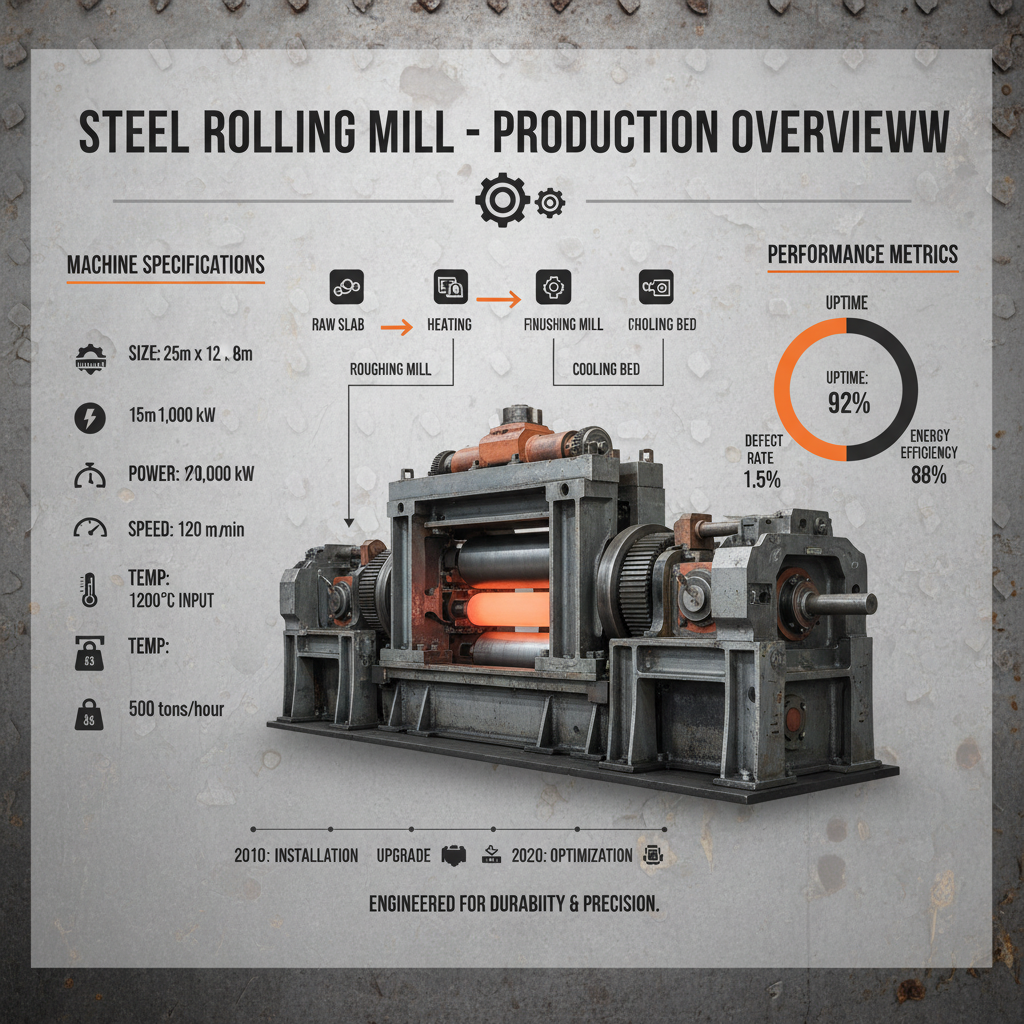
Simply put, a steel rolling machine is a piece of equipment designed to bend and shape steel plates, beams, and other steel sections. It's not always about making something new; often, it’s about adapting standard steel profiles to meet specific project requirements. Different types exist – plate rollers for curved sections, section bending machines for beams and channels, and even combination machines that can handle multiple tasks.
The connection to modern industry and even humanitarian needs is direct. Think about constructing temporary shelters after a natural disaster. Formed steel is lightweight, strong, and can be rapidly deployed. Or consider the fabrication of specialized components for renewable energy projects like wind turbines. Steel rolling is fundamental to both scenarios.
I’ve seen operations where guys are still trying to form steel with hammers and makeshift jigs. It’s slow, dangerous, and the results are inconsistent. A dedicated machine takes the guesswork out of the process and delivers repeatable, high-quality results.
Core Components and Key Factors to Consider
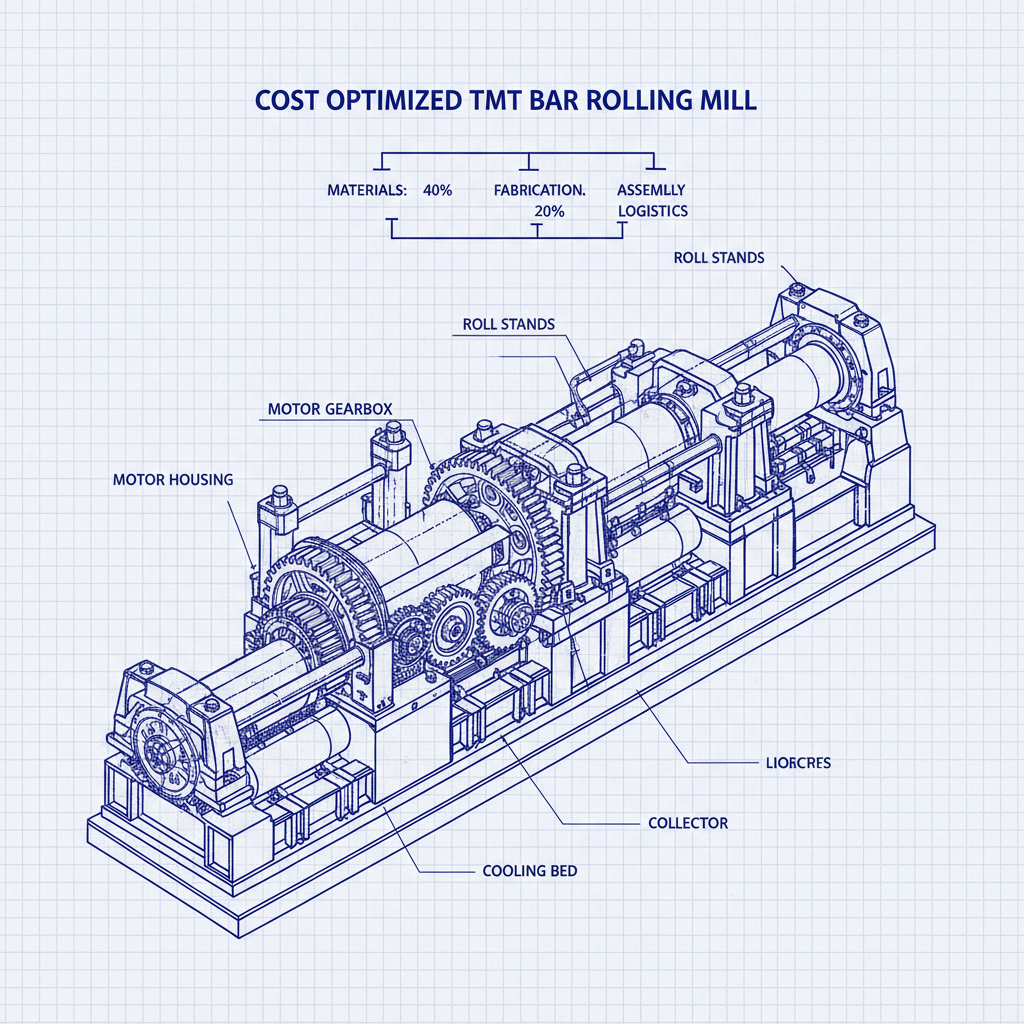
When I’m looking at a steel rolling machine, there are a few things I’m always checking. First, the roll material. You want hardened steel rolls that can withstand the stress and wear of continuous use. Next, the frame – it needs to be robust and rigid to prevent deflection during bending. A flimsy frame means inaccurate results and a shorter machine lifespan.
Then you’ve got the drive system. Hydraulic drives are common, offering plenty of power and control, but electric drives are becoming more prevalent, especially for precision applications. Control systems are another critical factor. Modern machines offer programmable logic controllers (PLCs) that allow you to store bending parameters and repeat complex shapes consistently. This saves time and reduces errors, which is a big deal on a busy job site.
Finally, consider the capacity – the maximum thickness and width of steel the machine can handle. Don't buy a machine that's just big enough for your current projects; think about future needs and potential expansion. It's always better to have a little extra capacity than to be constantly bumping up against limitations.
Real-World Applications of Steel Rolling Machines
You’ll find steel rolling machines on job sites all over the world. In the construction of large-scale infrastructure projects – bridges, tunnels, stadiums – they’re essential for creating curved steel sections and complex structural components. I’ve worked on projects in the Middle East where these machines were constantly running, 24/7, to keep up with the demand for steel.
Steel Rolling Machine Performance by Method
Advantages and Long-Term Value Proposition
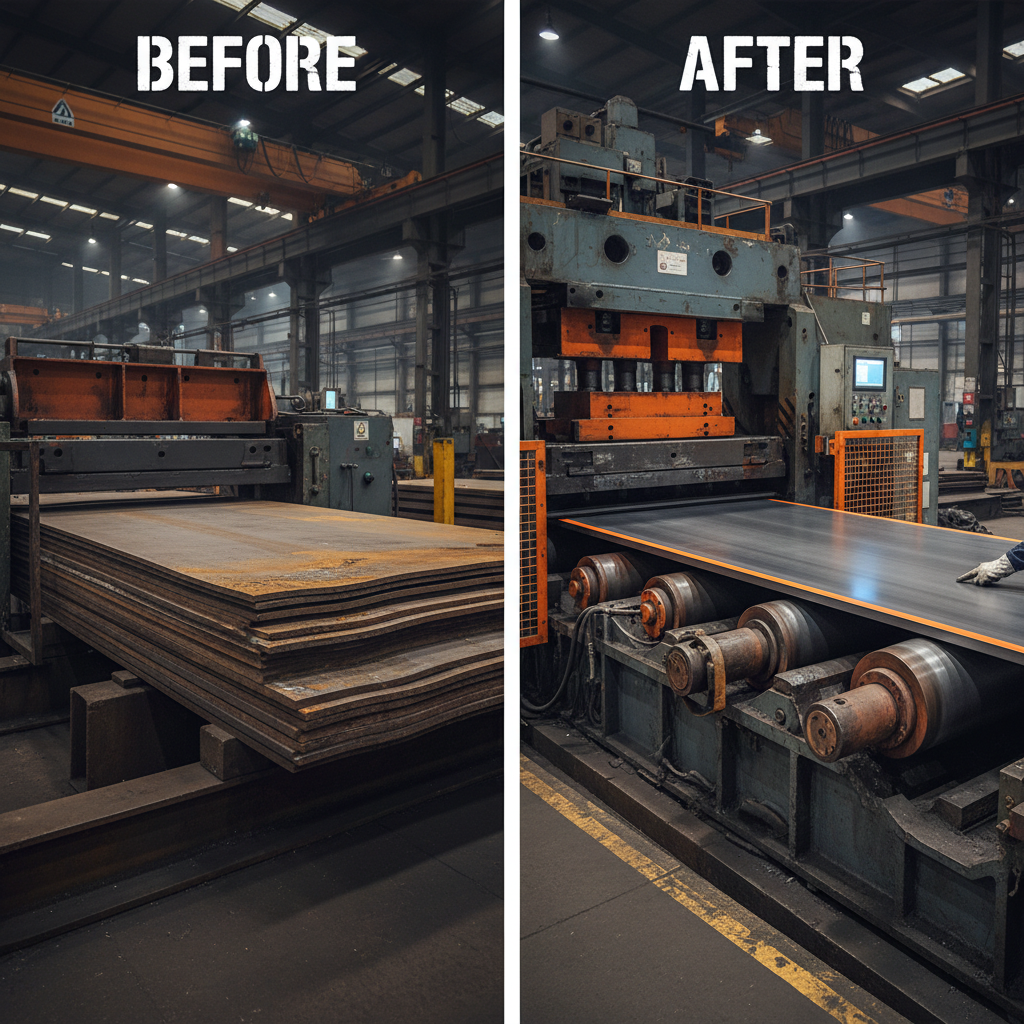
The biggest advantage is, frankly, time savings. A good steel rolling machine reduces the time it takes to form steel significantly, allowing crews to move on to other tasks. This translates directly into lower labor costs and faster project completion. And less time on site means less disruption and fewer potential safety hazards.
Beyond that, you're looking at improved quality and reduced material waste. Accurate bending minimizes the need for rework and ensures that steel components fit properly. A well-maintained machine will deliver consistent results for years, making it a worthwhile long-term investment.
Future Trends and Innovations in Steel Rolling Technology
Automation is the big one. We’re seeing more and more machines with robotic loading and unloading systems, and even fully automated bending cycles. This reduces the need for manual intervention, improves precision, and allows for continuous operation.
Another trend is the use of advanced materials in machine construction – lighter, stronger alloys that improve performance and reduce energy consumption. And, of course, the integration of digital technology – remote monitoring, predictive maintenance, and data analytics – is becoming increasingly common, allowing operators to optimize machine performance and prevent costly downtime.
Common Challenges and Practical Solutions
One of the biggest challenges is finding skilled operators. These machines aren’t plug-and-play. They require trained personnel who understand the principles of steel bending and can operate the controls effectively. Investing in proper training is essential.
Another issue is maintenance. Steel rolling machines operate under heavy loads and are subject to significant wear and tear. Regular lubrication, inspection, and component replacement are crucial to prevent breakdowns and ensure reliable operation. And finally, choosing the right machine for your specific needs is critical. Don't be swayed by fancy features if they don't address your core requirements.
Overview of Steel Rolling Machine Maintenance and Performance
| Maintenance Category |
Frequency |
Typical Cost (USD) |
Impact on Performance |
| Lubrication |
Daily/Weekly |
$50 - $200 |
High - Prevents wear and tear, maintains smooth operation |
| Roll Inspection |
Monthly |
$100 - $500 |
Medium - Detects damage and ensures accurate bending |
| Hydraulic System Check |
Quarterly |
$200 - $800 |
High - Ensures proper pressure and prevents leaks |
| Drive System Maintenance |
Semi-Annually |
$500 - $1500 |
High - Maintains consistent power and speed |
| PLC Calibration |
Annually |
$300 - $1000 |
Medium - Ensures accurate programming and repeatable results |
| Major Component Replacement |
As Needed (5-10 years) |
$2000+ |
Critical - Restores full functionality and extends machine lifespan |
FAQS
Hydraulic machines are typically more powerful and better suited for heavy-duty applications, offering a lot of force for thicker steel. Electric machines, on the other hand, offer greater precision and efficiency, and are often quieter. They're a good choice for projects where accuracy is paramount, and you’re not dealing with extremely thick material. The initial cost for electric can be higher, but long-term operating costs are often lower.
Preventative maintenance is key. Daily checks for lubrication are essential. Weekly inspections should include a visual check for wear and tear. Monthly checks should include roll condition. Quarterly and semi-annual inspections should be more in-depth, involving hydraulic system checks and drive system evaluations. Ignoring maintenance leads to costly breakdowns and shorter machine life.
Safety first. Always wear appropriate PPE – safety glasses, gloves, and steel-toed boots. Never operate the machine without proper training. Keep hands and other body parts clear of the rolling area. Ensure all guards and safety devices are in place and functioning correctly. And never attempt to adjust or repair the machine while it’s running.
It starts with understanding your specific requirements. What type of steel are you working with? What thickness and width are you rolling? What volume of material are you processing? Consider your budget and available space. Talk to experienced operators and get their input. Don’t just go for the cheapest option; invest in a machine that will deliver reliable performance for years to come.
Absolutely. Advances in materials science are creating more durable components. Digital monitoring systems allow for predictive maintenance, minimizing downtime. And automation is reducing the stress on machine parts, extending their lifespan. These technologies are making modern steel rolling machines more reliable and cost-effective.
The ROI varies depending on usage and operating costs, but typically a well-maintained steel rolling machine will pay for itself within 2-5 years. The biggest savings come from reduced labor costs, minimized material waste, and improved product quality. A machine that’s constantly running and producing high-quality steel is a valuable asset.
Conclusion
A steel rolling machine is more than just a piece of equipment; it’s a critical component of any operation dealing with steel fabrication. From boosting efficiency and quality to reducing costs and enhancing safety, the benefits are undeniable. Investing in the right machine, coupled with proper maintenance and training, is a decision that will pay dividends for years to come.
The future of steel rolling is undoubtedly linked to automation and digitalization. Embracing these technologies will be crucial for staying competitive and maximizing the return on your investment. Don’t hesitate to consult with experts and carefully evaluate your specific needs before making a purchase. For reliable machines and expert advice, visit our website: www.bjywlx.com