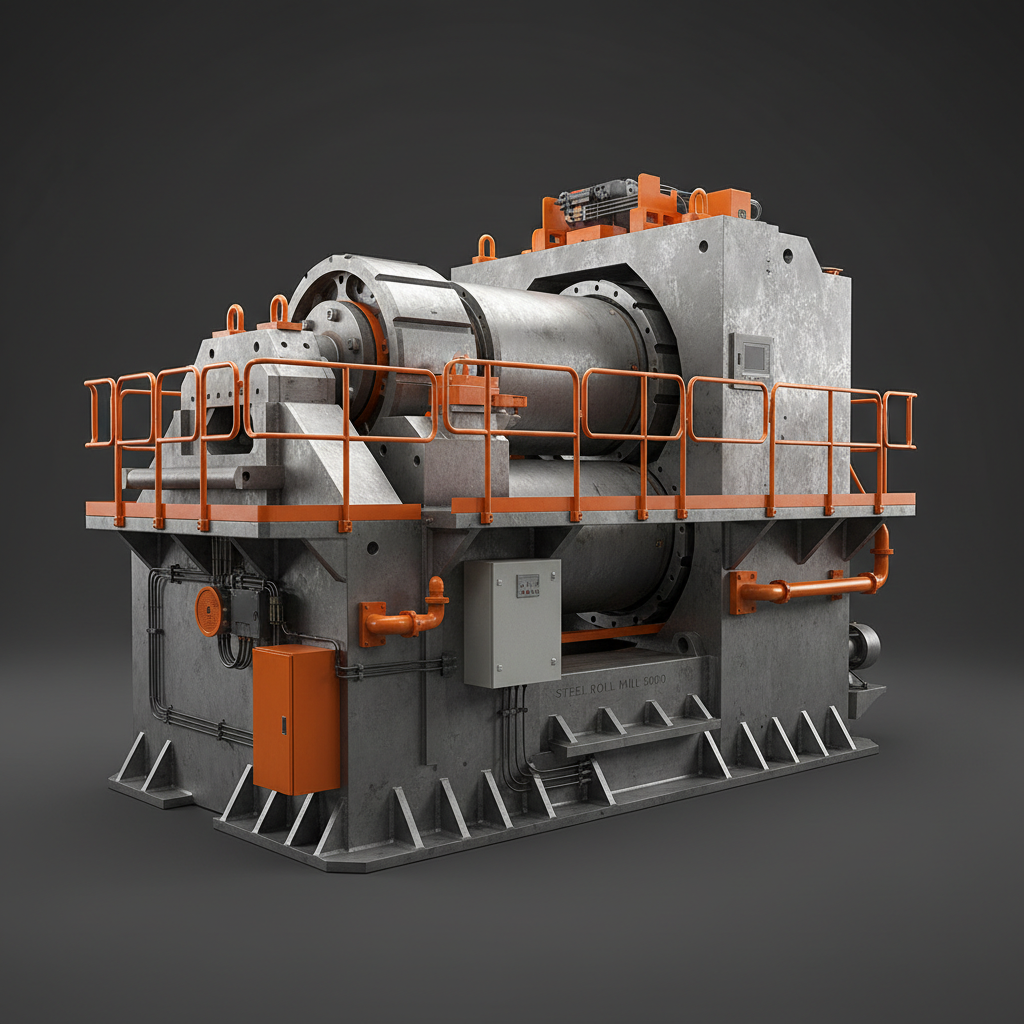
The modern industrial landscape relies heavily on the precision and efficiency of metal shaping, where the roll forming mill stands as a cornerstone of high-volume production. By continuously bending a long strip of metal as it passes through successive sets of rollers, these systems transform flat coils into complex, consistent profiles with unmatched speed. Understanding the nuances of this technology is essential for any manufacturer aiming to optimize material usage and reduce labor costs in the competitive metal products sector.
Globally, the demand for structural components—ranging from automotive chassis to industrial roofing—has pushed the roll forming mill to evolve beyond simple bending. Today's systems integrate advanced automation and metallurgy to handle high-strength steels and lightweight alloys, ensuring that infrastructure can be built faster and more sustainably. The ability to produce long, seamless sections without the waste associated with stamping or cutting makes this process a critical driver of industrial efficiency.
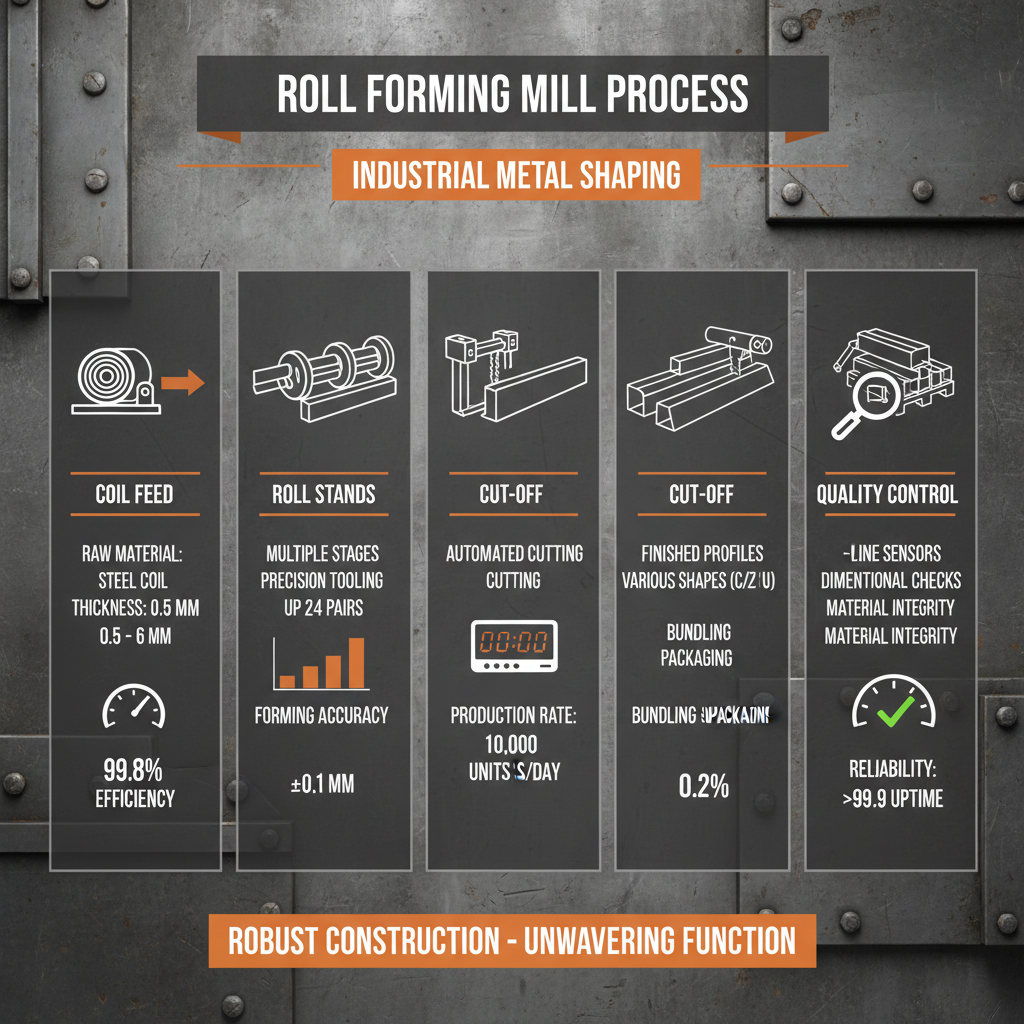
For decision-makers in the manufacturing sector, investing in a high-performance roll forming mill is not just about increasing output; it is about ensuring long-term reliability and precision. From the initial coil feeding to the final cut-off, every stage of the milling process must be calibrated to eliminate spring-back and dimensional variance. This guide explores the technical foundations, global applications, and future innovations that define the state-of-the-art in roll forming technology.
Global Relevance of Roll Forming Mill Technology
The global adoption of the roll forming mill has been accelerated by the rise of rapid urbanization and the necessity for sustainable building materials. According to industry standards and ISO quality benchmarks, the transition from traditional press-braking to continuous roll forming has reduced material scrap by up to 15% in large-scale architectural projects. This shift is particularly evident in emerging markets where the need for rapid deployment of warehouses and infrastructure is paramount.
However, the industry faces a significant challenge: the increasing complexity of alloy compositions. As manufacturers move toward ultra-high-strength steels (UHSS) to reduce weight in automotive and aerospace applications, the traditional roll forming mill must be redesigned to handle higher pressures without compromising the structural integrity of the metal. This drive for precision is what separates standard production from world-class engineering.
Defining the Mechanics of a Roll Forming Mill
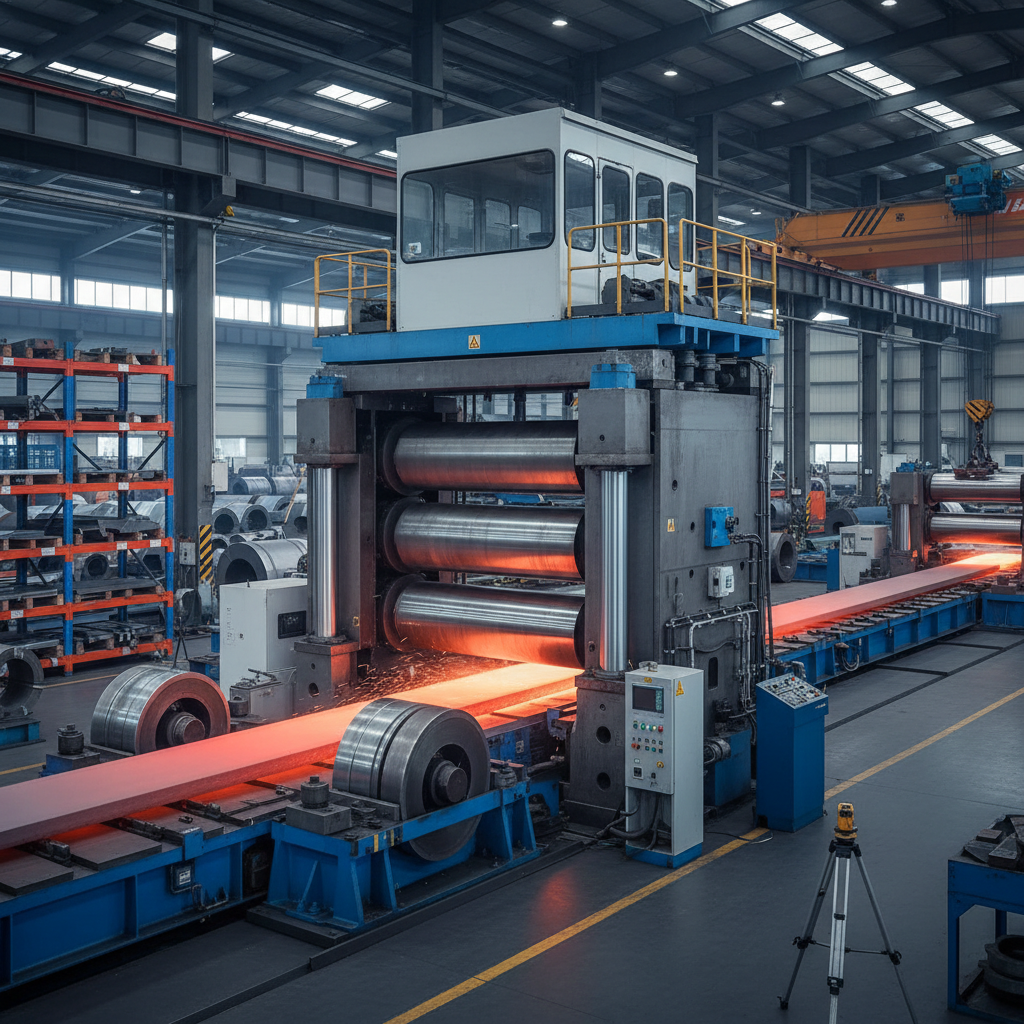
At its core, a roll forming mill is a sophisticated assembly of rotating rollers that progressively bends a metal strip into a desired cross-sectional profile. Unlike stamping, which forms a part in a single stroke, roll forming distributes the deformation over multiple stations. This gradual process minimizes internal stress within the material, preventing cracks and ensuring that the final product maintains high dimensional stability over long lengths.
In the context of modern industry, this technology is the bridge between raw material coils and finished structural elements. Whether it is producing C-channels, Z-purlins, or complex automotive frames, the mill operates as a continuous flow system. This connection to "just-in-time" manufacturing allows plants to produce exact lengths on demand, drastically reducing inventory costs and logistical bottlenecks.
Furthermore, the roll forming mill addresses humanitarian and urban needs by enabling the mass production of affordable, durable housing frames and emergency shelters. The speed of production means that critical infrastructure can be deployed in disaster-prone areas or remote industrial zones far more quickly than traditional construction methods would allow.
Core Components for Operational Excellence
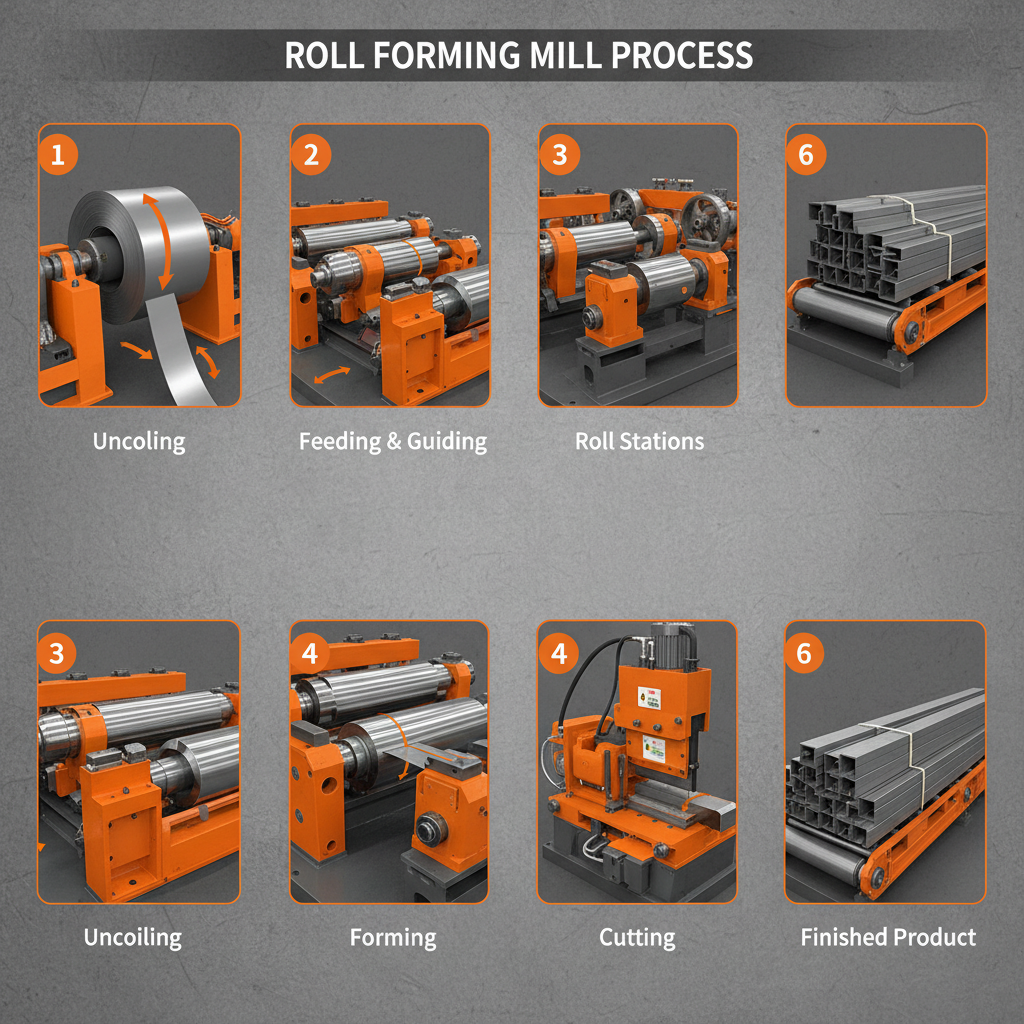
The foundation of any reliable roll forming mill begins with the decoiler and feeding system. This component ensures that the metal coil is unwound smoothly and fed into the mill without tension spikes, which is critical for maintaining the geometric accuracy of the profile. Without a precision-engineered feeding mechanism, the entire downstream process is susceptible to "walking" or twisting of the strip.
The heart of the system lies in the forming rollers, often crafted from high-grade tool steel and treated with specialized coatings for durability. In a high-performance roll forming mill, the sequence and spacing of these rollers are calculated using advanced simulation software to manage the material's "spring-back" effect, ensuring that the final angle is exactly as specified in the design.
Finally, the cutting and exit systems—including hydraulic shears and fly-cutters—define the final quality of the part. A modern roll forming mill integrates CNC controllers to synchronize the cutting speed with the line speed, eliminating deformation at the ends of the profile and ensuring a clean, burr-free edge that requires no secondary finishing.
Industrial Applications and Global Use Cases
The versatility of the roll forming mill allows it to serve a vast array of sectors. In the construction industry, these mills are indispensable for creating roof decking and wall cladding, which provide the primary structural envelope for millions of commercial buildings worldwide. In the automotive sector, they are used to create high-strength chassis components that improve vehicle safety while reducing overall weight for better fuel efficiency.
Beyond urban centers, these systems are deployed in remote industrial zones to create customized racking and shelving for logistics hubs. In post-disaster relief operations, mobile roll forming mill units can be used to produce rapid-assembly framing for temporary clinics and shelters, demonstrating the technology's ability to provide immediate, tangible value in high-pressure environments.
Efficiency Comparison of Roll Forming Mill Configurations
Tangible Advantages and Long-Term Value
The primary logical advantage of the roll forming mill is the drastic reduction in waste. Because the process is additive in terms of shape but continuous in terms of flow, it eliminates the "skeleton" scrap typical of stamping processes. This sustainability not only lowers the cost per part but also aligns with global green manufacturing initiatives by reducing the carbon footprint associated with raw material extraction and recycling.
From an emotional and strategic perspective, investing in a high-precision roll forming mill builds trust with clients. The consistency of the output—where the 1,000th part is identical to the first—provides a level of reliability that is essential for safety-critical applications. This consistency fosters innovation, as designers can push the limits of lightweighting, knowing the production process can maintain tight tolerances without fail.
Future Trends in Roll Forming Automation
The future of the roll forming mill is inextricably linked to the Digital Transformation (Industry 4.0). We are seeing the integration of IoT sensors that monitor roller wear in real-time, allowing for predictive maintenance before a defect ever occurs. This shift from reactive to proactive maintenance ensures that production lines can run 24/7 with minimal unplanned downtime, maximizing the ROI of the machinery.
Furthermore, AI-driven simulation is revolutionizing the design phase. Instead of expensive trial-and-error roller prototypes, engineers can now use digital twins to predict exactly how a specific alloy will behave in a roll forming mill. This reduces the time-to-market for new products and allows for the rapid prototyping of complex profiles that were previously thought impossible to roll.
Sustainability is also driving the adoption of "green" energy motors and regenerative braking systems within the mill's drive trains. As global policies push for carbon neutrality, the roll forming mill is evolving to be more energy-efficient, utilizing variable-frequency drives (VFDs) to optimize power consumption based on the material thickness and production speed.
Overcoming Technical Challenges in Milling
One of the most persistent challenges in operating a roll forming mill is managing material spring-back. Every metal has an elastic limit; when the pressure of the rollers is released, the material tends to partially return to its original shape. Overcoming this requires a deep understanding of metallurgy and the implementation of "over-bending" strategies, where the rollers are designed to bend the metal slightly beyond the target angle.
Another common limitation is roller wear, especially when processing abrasive materials or high-strength alloys. To solve this, manufacturers are turning to advanced surface treatments such as Tungsten Carbide coating and PVD (Physical Vapor Deposition). These innovations extend the life of the rollers in the roll forming mill, ensuring that precision is maintained over millions of cycles without the need for frequent replacements.
Finally, synchronization between the feeding speed and the cutting mechanism can often lead to "edge wave" or length inaccuracies. The solution lies in the adoption of high-resolution encoders and closed-loop feedback systems. By constantly measuring the actual speed of the strip and adjusting the motor output in milliseconds, the roll forming mill can achieve tolerances within fractions of a millimeter.
Comparative Analysis of Roll Forming Mill Optimization Strategies
| Optimization Method |
Primary Benefit |
Implementation Cost |
Effectiveness Score (1-10) |
| PVD Roller Coating |
Reduced Tool Wear |
Moderate |
9 |
| Digital Twin Simulation |
Zero-Waste Prototyping |
High |
10 |
| Closed-Loop Feedback |
Length Precision |
Moderate |
8 |
| VFD Motor Integration |
Energy Efficiency |
Low |
7 |
| Automated Oil Spray |
Reduced Friction |
Low |
6 |
| Modular Roller Setup |
Quick Profile Change |
High |
9 |
FAQS
A press brake bends a sheet of metal in a single operation, which is ideal for short runs and custom parts. In contrast, a roll forming mill bends the metal gradually through a series of rollers, allowing for the continuous production of long, identical profiles at much higher speeds. This makes the roll forming mill far more cost-effective for mass production and results in less material waste.
Material thickness dictates the number of forming stations and the diameter of the rollers. Thicker materials require more gradual bending stages to avoid cracking or excessive stress, meaning a longer mill. It also requires more robust motor power and higher-strength roller materials to withstand the increased pressure exerted during the forming process.
Yes, but it requires specific adjustments. Aluminum has different spring-back characteristics and is more prone to surface scratching than steel. A specialized roll forming mill for aluminum will often feature rollers with different surface finishes (like chrome plating) and a carefully calculated over-bend sequence to ensure dimensional accuracy.
Replacement frequency depends on the material being processed and the coating of the rollers. For standard mild steel, rollers can last for millions of meters. However, for abrasive or high-strength alloys, wear occurs faster. Implementing predictive maintenance sensors and using PVD coatings can significantly extend the lifespan of the rollers.
Yes, if the mill is designed with a modular architecture. By replacing the roller sets and updating the CNC programming, a single mill can be adapted to produce different profiles. However, the maximum width and thickness the mill can handle are limited by the original frame and motor capacity.
The most common defects are "twist" and "bow," which usually result from uneven tension in the decoiler or misalignment of the rollers. "Edge wave" is another common issue caused by excessive longitudinal stretching. These are typically solved by calibrating the roller gaps and ensuring the material is fed perfectly perpendicular to the mill entrance.
Conclusion
The roll forming mill represents a pinnacle of industrial efficiency, merging the precision of mechanical engineering with the speed of continuous production. By transforming flat metal into complex structural profiles with minimal waste, it provides an indispensable solution for the construction, automotive, and aerospace industries. From the critical importance of roller metallurgy to the integration of Industry 4.0 automation, the technology continues to evolve, offering manufacturers a pathway toward higher productivity and greater sustainability.
Looking ahead, the shift toward smarter, more adaptive milling systems will allow for unprecedented flexibility in manufacturing. For companies seeking to maintain a competitive edge, the focus should remain on integrating digital twins and sustainable energy practices into their production lines. Embracing these innovations not only ensures operational excellence but also secures a future where high-quality infrastructure can be built more rapidly and responsibly. Visit our website for more professional solutions: www.bjywlx.com