The plate mill industry is a cornerstone of modern infrastructure, providing the essential steel plates used in countless applications, from shipbuilding and construction to energy pipelines and heavy machinery. Its significance extends globally, underpinning economic development and enabling crucial projects worldwide. Understanding the nuances of plate mill processes, technologies, and applications is vital for engineers, policymakers, and anyone involved in related industries.
The demand for high-quality steel plates continues to rise, driven by rapid urbanization, expanding energy infrastructure, and growing industrialization in emerging markets. However, the industry faces challenges related to sustainability, efficiency, and the need for specialized materials. Innovations in plate mill technology are crucial for addressing these challenges and ensuring a reliable and environmentally responsible supply of steel.
Investing in advanced plate mill technologies isn't merely about producing steel; it’s about building a more resilient and sustainable future. This understanding is critical for strategic planning and effective implementation across diverse sectors relying on these foundational materials.
Understanding the Core of plate mill
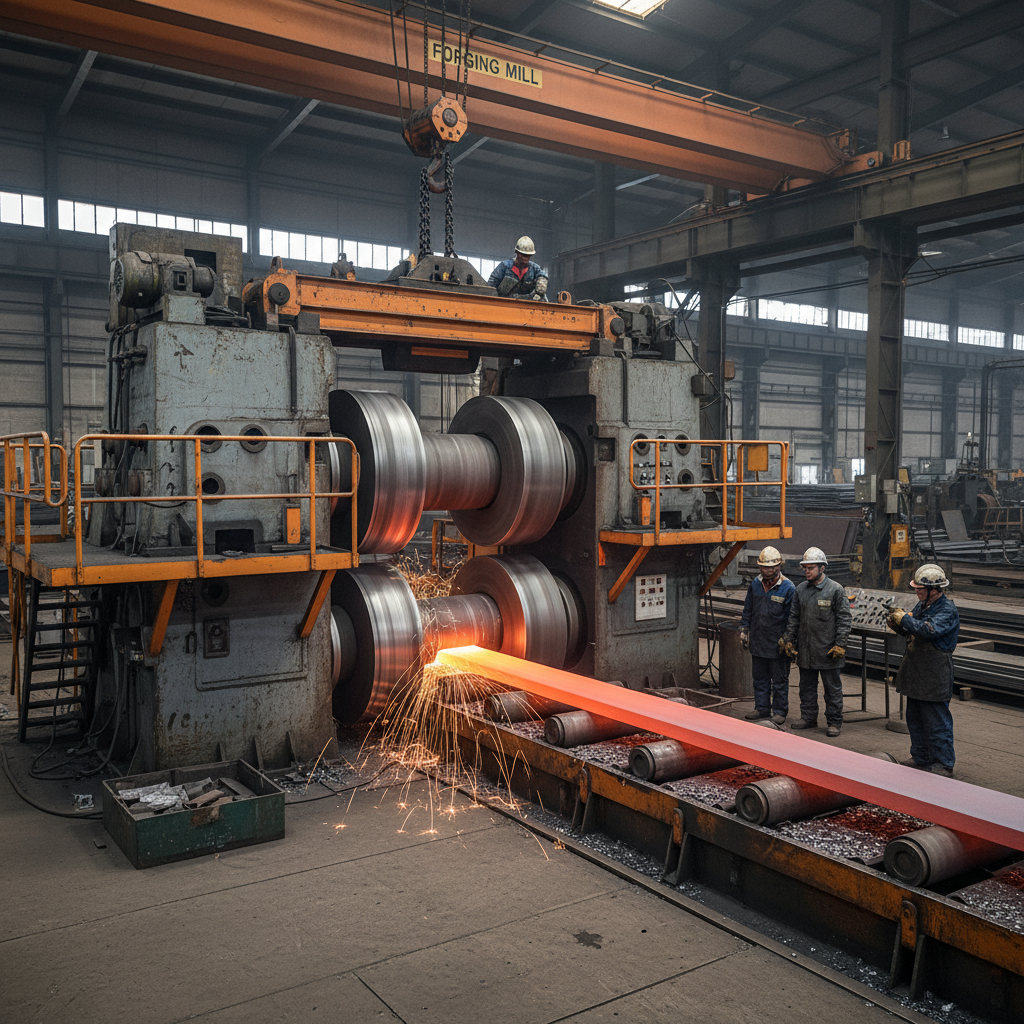
At its heart, a plate mill is a specialized facility designed to process semi-finished steel products, such as slabs or blooms, into large, flat steel plates. This process involves a series of rolling stands that progressively reduce the thickness of the steel while increasing its length and width. The resulting plates are then subjected to various finishing operations to achieve the desired surface quality and mechanical properties.
The quality and characteristics of the final steel plate are determined by several factors, including the chemical composition of the steel, the rolling parameters, and the cooling process. Modern plate mills utilize advanced control systems and automation technologies to optimize these factors and ensure consistent product quality.
Global Relevance and Industry Context of plate mill
The plate mill industry plays a crucial role in the global economy, supplying essential materials to a diverse range of sectors. According to the World Steel Association, global steel production reached over 1.83 billion tonnes in 2022, with a significant portion destined for plate manufacturing. This demand is fueled by infrastructure projects, shipbuilding, oil and gas pipelines, and the automotive industry.
China remains the dominant force in steel production and plate mill capacity, followed by India, Japan, and the United States. However, emerging economies in Southeast Asia and Africa are experiencing rapid growth in steel demand, creating opportunities for investment and expansion in the plate mill sector. The UN's Sustainable Development Goals, particularly those related to infrastructure and industrialization, rely heavily on the availability of affordable and high-quality steel plates.
A current challenge facing the industry is fluctuating raw material prices, particularly iron ore and scrap metal. Geopolitical instability and trade disputes can also disrupt supply chains and impact the cost of steel plates. Addressing these vulnerabilities requires diversification of sourcing and investment in innovative production technologies.
Defining the plate mill Process
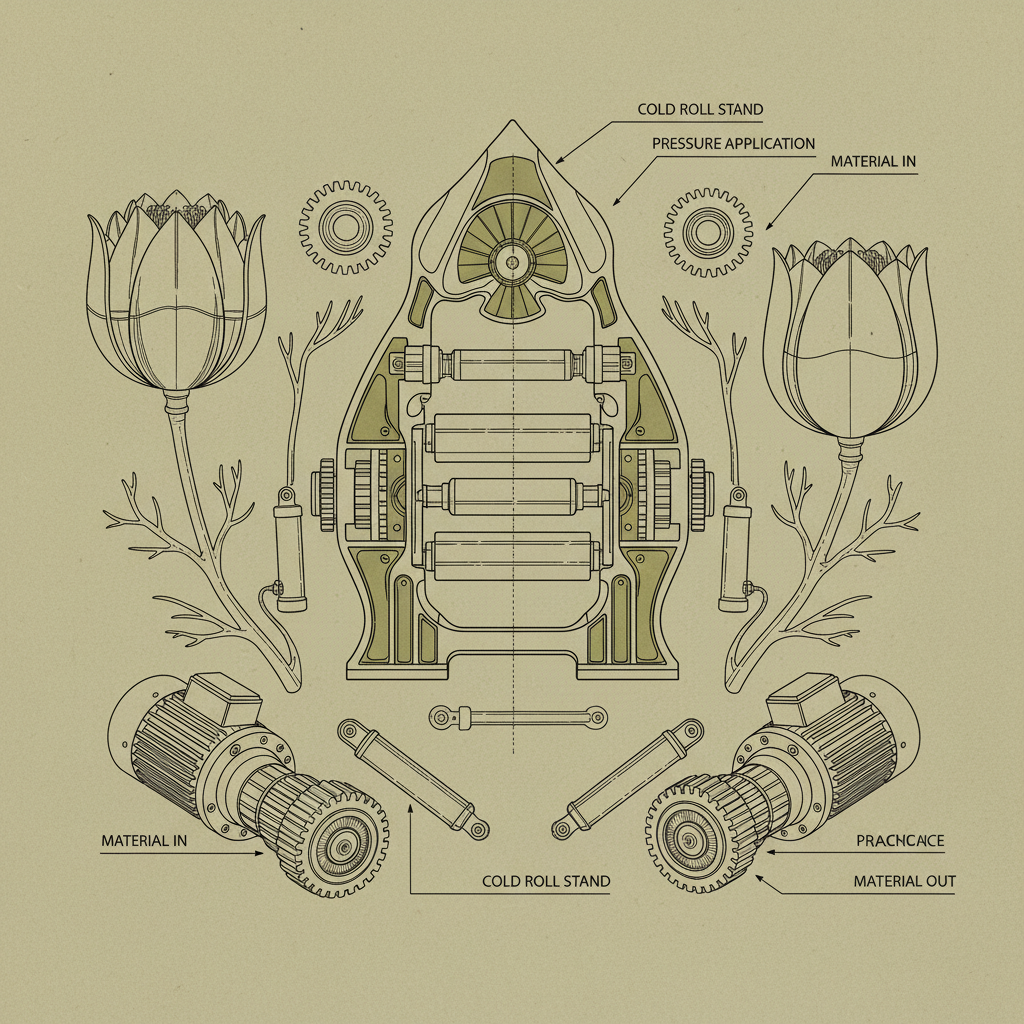
The core of a plate mill process involves hot rolling, where heated steel slabs are passed through a series of rollers to achieve the desired thickness and dimensions. This is often followed by controlled cooling to refine the material's microstructure and mechanical properties. Modern plate mills often incorporate technologies like quenching and tempering to further enhance these characteristics.
Understanding the nuances of each stage—from slab preparation and reheating to rolling, cooling, and finishing—is critical. Precise control over temperature, rolling speed, and reduction ratios ensures the production of plates meeting stringent quality standards. Quality control involves rigorous testing for chemical composition, mechanical strength, and surface finish.
The process doesn’t end with the rolling; leveling, cutting, and surface treatment are also integral. Surface treatments, such as painting, coating, and galvanizing, provide corrosion resistance and enhance the plate’s durability for specific applications. Efficient plate mills prioritize minimizing waste and maximizing yield throughout the entire production chain.
Key Factors Influencing plate mill Performance
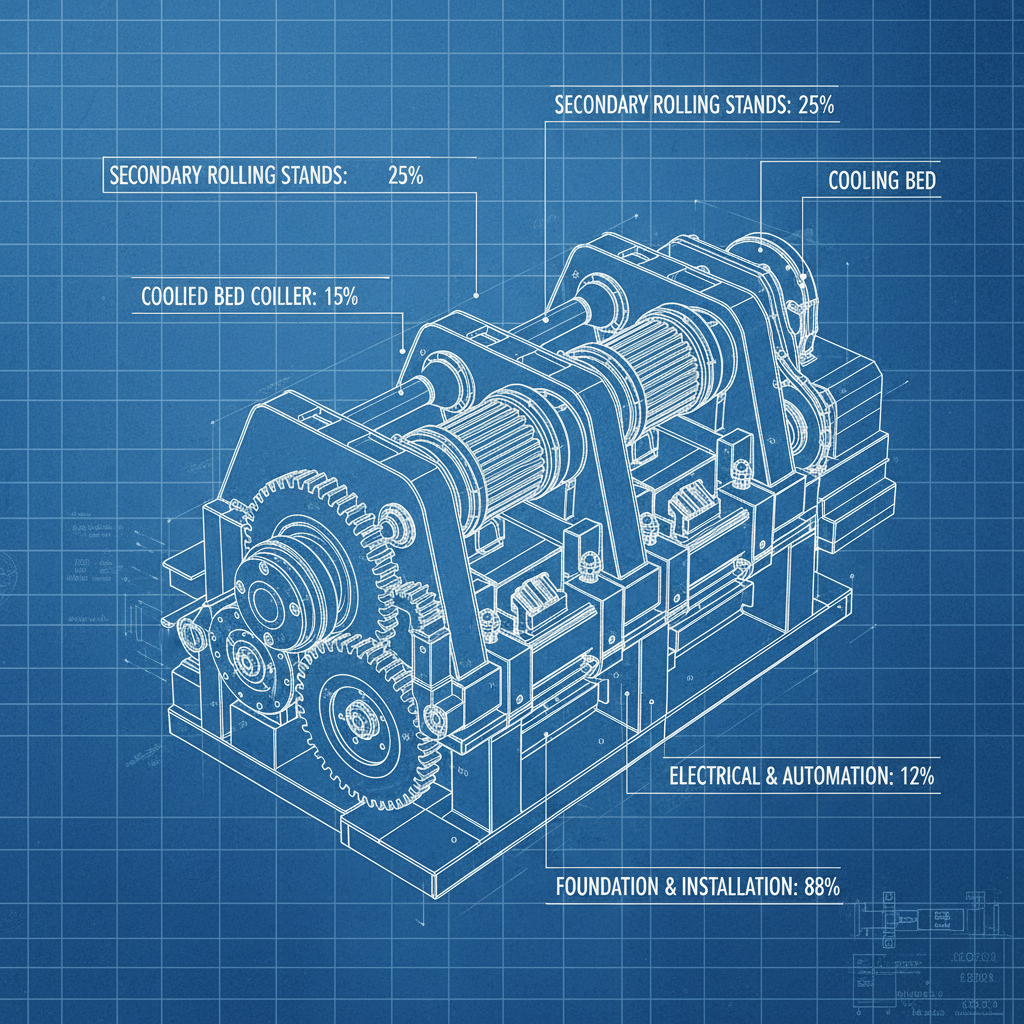
Several critical factors influence the efficiency and effectiveness of a plate mill. First is steel quality, encompassing chemical composition, purity, and consistency. Second, rolling technology – the sophistication of the rolling stands, automation systems, and control algorithms directly impacts output and precision.
Third, cooling efficiency—the speed and uniformity of cooling are paramount in determining the steel’s final microstructure and mechanical properties. Fourth, maintenance and reliability – minimizing downtime through preventative maintenance and proactive repairs is vital for maximizing production capacity.
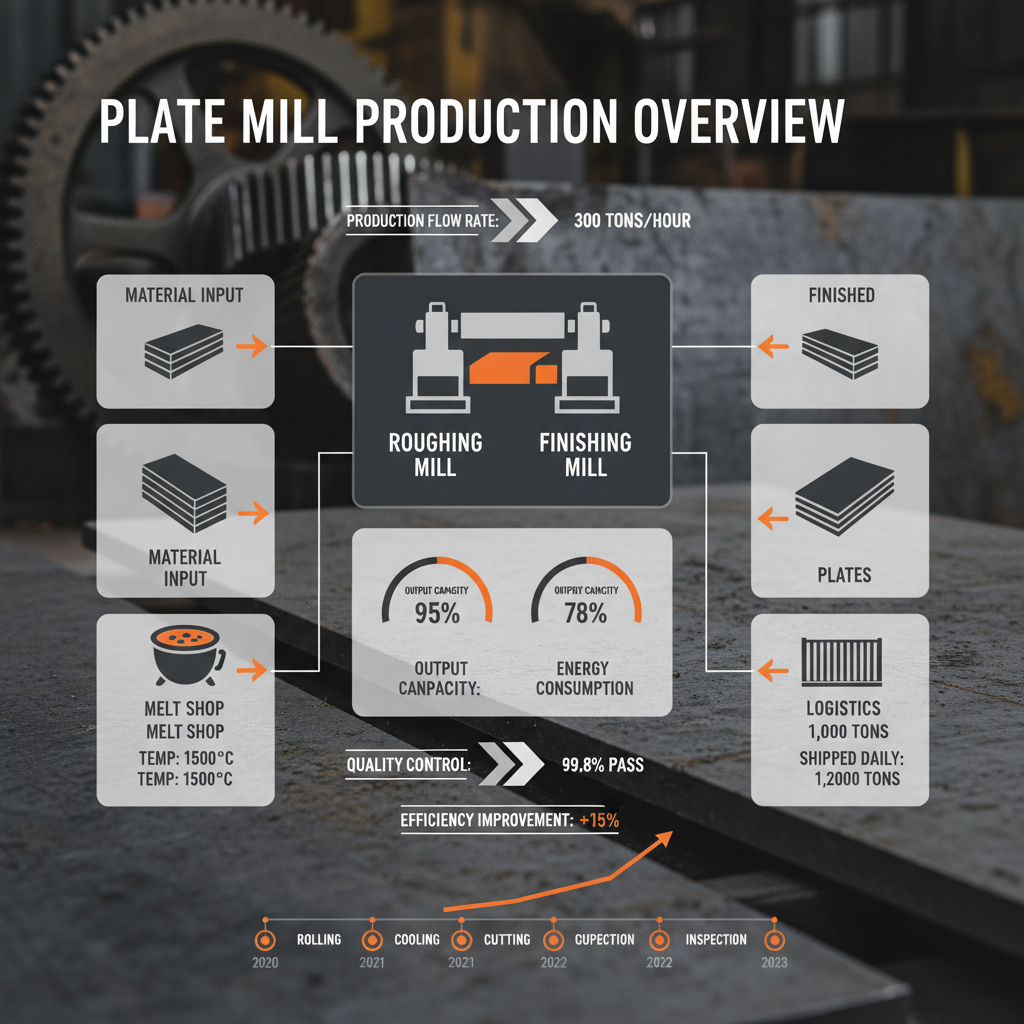
Plate Mill Performance Metrics
Real-World Applications of plate mill Steel
Steel plates produced by a plate mill find extensive use in shipbuilding, providing the structural integrity for vessels ranging from cargo ships to tankers. They are also indispensable in the construction of bridges, buildings, and other infrastructure projects, offering strength and durability.
The energy sector relies heavily on plate mill steel for constructing pipelines transporting oil and gas, as well as for pressure vessels and storage tanks. Furthermore, the automotive industry utilizes steel plates in the manufacturing of vehicle frames and chassis components, enhancing safety and performance.
Advantages and Long-Term Value of plate mill Technology
Investing in advanced plate mill technology offers substantial benefits. Economically, it translates to reduced production costs, increased efficiency, and improved product quality, leading to higher profitability. Environmentally, modern mills prioritize energy conservation and waste reduction, contributing to sustainable practices.
Socially, reliable steel plate supply supports essential infrastructure development, creating jobs and fostering economic growth. From a logistical standpoint, consistent quality builds trust with customers and secures long-term partnerships. The durability and longevity of steel plates contribute to the long-term value and resilience of the structures they form.
Future Trends and Challenges in plate mill Operations
The future of plate mill technology is intertwined with several emerging trends. Automation and digitalization, including the use of artificial intelligence and machine learning, are optimizing production processes and improving quality control. The demand for high-strength, low-alloy (HSLA) steels and advanced materials like weathering steel is growing, driving innovation in alloy development and processing techniques.
Sustainability remains a key focus, with efforts to reduce carbon emissions and minimize environmental impact. The integration of renewable energy sources and the adoption of circular economy principles, such as steel recycling, are becoming increasingly important. However, challenges remain, including the need for skilled labor, the rising cost of raw materials, and the geopolitical uncertainties impacting global supply chains.
Embracing these trends proactively is vital for plate mills to remain competitive and contribute to a more sustainable future. Collaboration between industry stakeholders, research institutions, and policymakers is crucial for overcoming these challenges and unlocking the full potential of plate mill technology.
Summary of Key Challenges and Solutions for plate mill
| Challenge Area |
Impact on plate mill Performance |
Potential Solutions |
Implementation Cost (1-10) |
| Raw Material Price Volatility |
Increased production costs, reduced profitability |
Diversified sourcing, long-term contracts, strategic stockpiling |
6 |
| Energy Consumption |
High operational expenses, environmental impact |
Energy-efficient technologies, renewable energy integration, waste heat recovery |
8 |
| Skilled Labor Shortage |
Reduced productivity, increased errors, difficulty adopting new technologies |
Training programs, apprenticeship initiatives, automation adoption |
7 |
| Quality Control Issues |
Defective products, customer dissatisfaction, increased scrap rates |
Advanced inspection systems, real-time data analysis, process optimization |
5 |
| Environmental Regulations |
Increased compliance costs, potential operational restrictions |
Emission control technologies, waste management systems, sustainable practices |
9 |
| Supply Chain Disruptions |
Production delays, inventory shortages, increased costs |
Diversified suppliers, regionalization, resilient logistics networks |
7 |
FAQS
The demand for steel plates is largely driven by industries like shipbuilding, construction (bridges, buildings), energy (pipelines, tanks), and heavy equipment manufacturing. The scale of infrastructure projects, particularly in developing nations, has a significant impact. Moreover, specialized applications in defense and renewable energy sectors are also key demand drivers.
Automation is integral to modern plate mills, improving efficiency, precision, and safety. Automated systems control rolling processes, cooling rates, and quality inspection. Advanced sensors and data analytics optimize parameters in real-time, reducing defects and minimizing waste. This also leads to reduced labor costs and increased production capacity.
Sustainability is becoming increasingly important. Plate mills are adopting practices like utilizing recycled steel scrap, optimizing energy consumption through efficient technologies, reducing water usage, and minimizing emissions. Implementing circular economy models to recover and reuse byproducts is also a growing trend. Compliance with environmental regulations is a key factor.
Rigorous quality control is essential. Measures include chemical analysis to verify steel composition, mechanical testing (tensile strength, yield strength, impact resistance), ultrasonic testing for detecting internal flaws, and surface inspection for defects. Statistical process control (SPC) is used to monitor and maintain consistent quality throughout the production process.
Producing high-strength steel plates requires precise control over the alloying elements, rolling parameters, and cooling processes. The risk of cracking and hydrogen embrittlement is higher with higher strength steels. Careful attention to cleanliness and inclusion control is critical. Advanced welding techniques may also be required for fabrication.
Geopolitical factors like trade wars, sanctions, and political instability can significantly disrupt supply chains and impact raw material prices, particularly iron ore and scrap metal. These disruptions can lead to price volatility and uncertainty for plate mill operators. Increased protectionism can also limit market access.
Conclusion
In conclusion, the plate mill industry remains a vital component of global infrastructure and industrial development. Its ability to provide high-quality steel plates is essential for sectors ranging from shipbuilding and construction to energy and manufacturing. The industry’s long-term success hinges on embracing innovation, prioritizing sustainability, and adapting to evolving market demands.
Looking ahead, investments in automation, advanced materials, and green technologies will be crucial for maintaining competitiveness and addressing the challenges of a rapidly changing world. Continued collaboration between industry stakeholders, research institutions, and policymakers is essential to unlock the full potential of the plate mill industry and ensure a resilient and sustainable future. For more information about our plate mill capabilities, visit our website: www.bjywlx.com