0%

Table of Contents

Plate mill plate is a fundamental material in modern construction and manufacturing, offering a robust and versatile solution for a wide range of applications. From large-scale infrastructure projects to specialized industrial components, its strength, durability, and adaptability make it an indispensable element in building a resilient and efficient world. Understanding the nuances of plate mill plate—its production, properties, and applications—is crucial for engineers, architects, and anyone involved in material selection and project planning.

The global demand for plate mill plate is significantly driven by infrastructure development in emerging economies, particularly in Asia and South America. According to the World Steel Association, steel demand continues to grow, and plate mill plate constitutes a substantial portion of this demand. This demand necessitates constant innovation in production techniques and material science to meet evolving industry standards and environmental concerns. Addressing the challenges of sustainable production and material longevity is paramount.

Plate mill plate serves as a cornerstone for numerous industries, from shipbuilding and pressure vessel fabrication to heavy equipment manufacturing and structural engineering. Its ability to withstand extreme conditions and provide long-term performance makes it vital to sectors that prioritize safety, reliability, and cost-effectiveness. Continued research and development in alloy compositions and processing methods promise to expand the applications of plate mill plate even further.
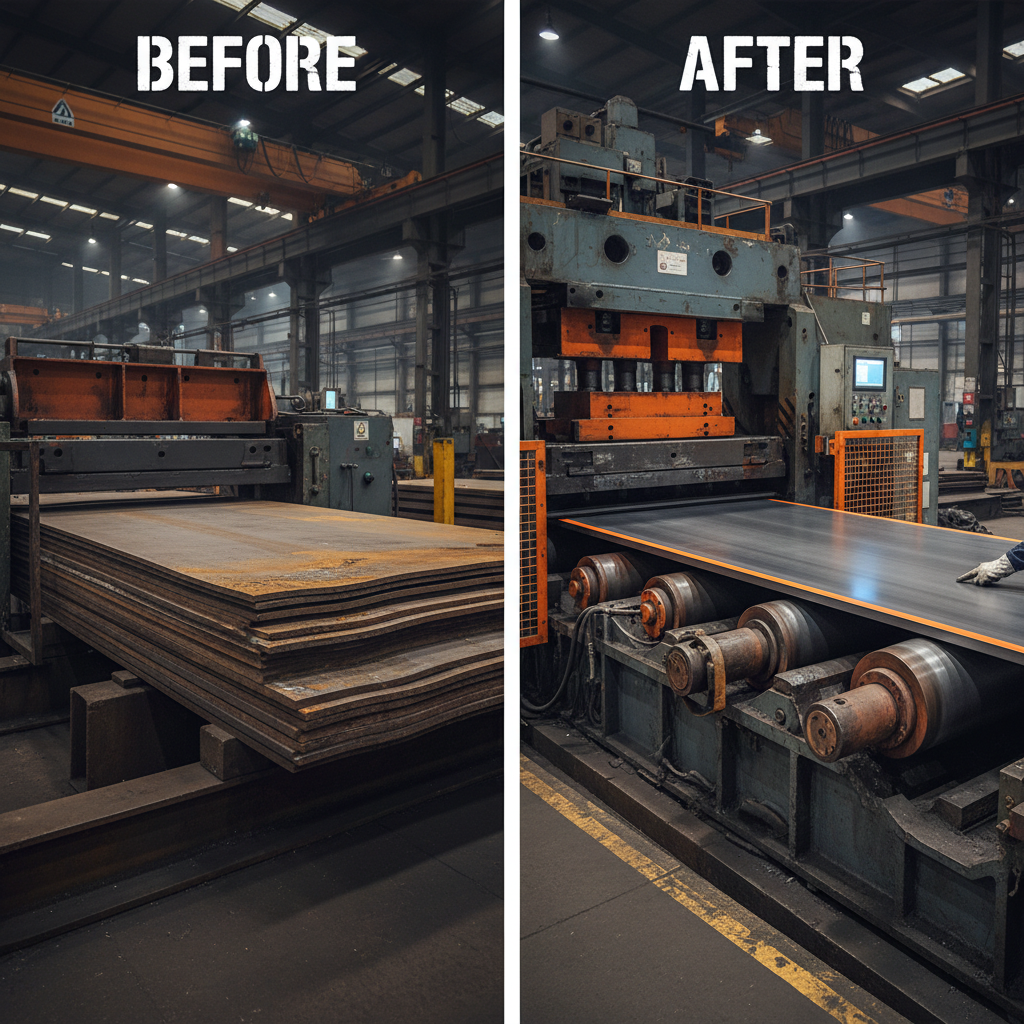
The Essential Role of Plate Mill Plate in Modern Construction and Manufacturing

The Significance of Plate Mill Plate

The Essential Role of Plate Mill Plate in Modern Construction and Manufacturing

Plate mill plate is a vital component in countless industrial applications, serving as the foundation for robust structures and critical equipment. Its widespread use is a testament to its superior mechanical properties and cost-effectiveness. This material underpins essential infrastructure globally, ensuring the longevity and safety of vital systems.

The strategic importance of plate mill plate extends beyond basic construction. It is integral to advancements in renewable energy, automotive manufacturing, and defense technologies. Its role in facilitating innovation and sustainable development solidifies its position as a key material for the 21st century.

Defining Plate Mill Plate

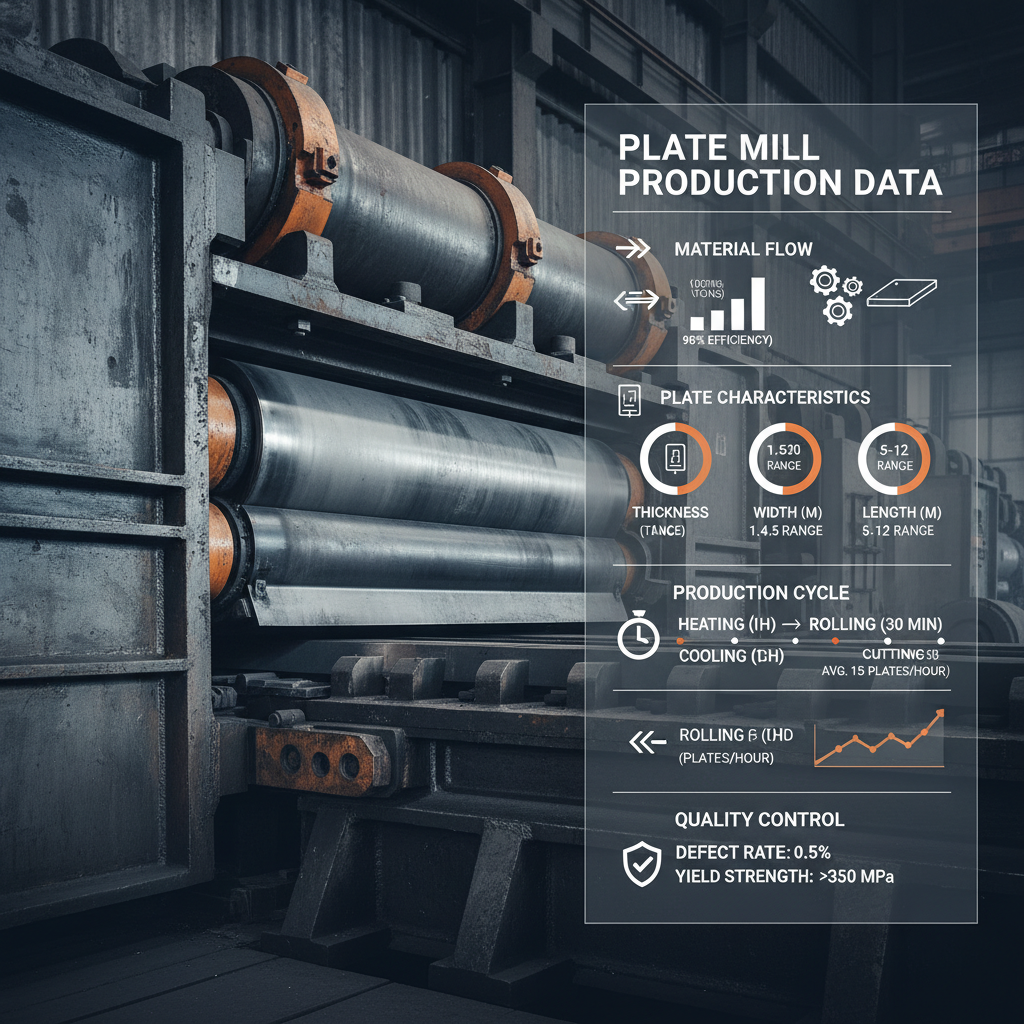
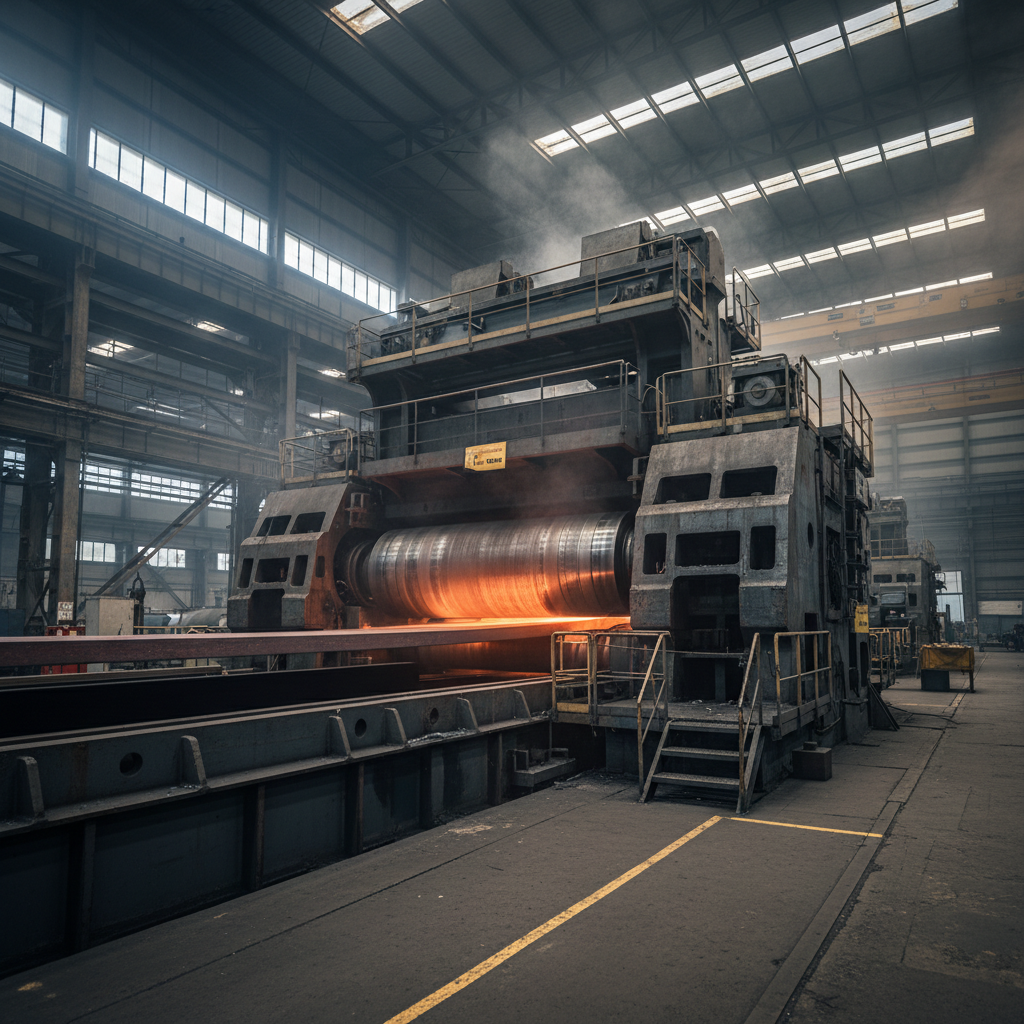
Plate mill plate refers to rolled steel products with a thickness typically ranging from 6mm to over 150mm. It’s manufactured through a hot or cold rolling process, resulting in a flat, rectangular shape with precise dimensions and consistent properties. This process differentiates it from sheet metal, which is generally thinner.

This steel product is fundamental to modern industry. Its durability and strength make it suitable for applications where structural integrity is paramount, such as shipbuilding, bridge construction, and the fabrication of pressure vessels. Understanding its production and characteristics is critical for ensuring optimal performance in these demanding applications.

The production of plate mill plate requires sophisticated metallurgical processes and quality control measures to achieve the desired mechanical properties and ensure consistent material performance. The type of steel used (carbon steel, alloy steel, stainless steel, etc.) dictates the final properties and application suitability.

Core Characteristics of Plate Mill Plate

One of the defining characteristics of plate mill plate is its high tensile strength, which allows it to withstand significant stress and deformation without fracturing. This property is essential for applications where structural integrity is paramount, such as bridges, buildings, and pressure vessels.

Another crucial attribute is its excellent weldability, facilitating the fabrication of complex structures. Proper welding techniques are essential to maintain the material’s strength and prevent corrosion, but the inherent weldability of plate mill plate simplifies the manufacturing process.

Finally, plate mill plate offers superior impact resistance, meaning it can absorb significant energy from sudden impacts without permanent deformation. This makes it ideal for applications exposed to harsh environments or potential collisions, such as offshore platforms and protective barriers.

Key Factors Influencing Plate Mill Plate Performance

The chemical composition of plate mill plate significantly affects its mechanical properties and corrosion resistance. Variations in alloy content, such as the addition of manganese, chromium, or nickel, can tailor the material to specific application requirements.

Processing methods, including rolling temperature and cooling rate, also play a vital role in determining the final microstructure and properties of the plate. Controlled cooling processes can enhance strength and toughness, while minimizing internal stresses.

Plate Mill Plate Performance Based on Processing Method


Global Applications of Plate Mill Plate

Plate mill plate is extensively used in the construction of large-scale infrastructure projects, including bridges, tunnels, and high-rise buildings. Its strength and durability ensure the long-term safety and stability of these critical structures.

The shipbuilding industry relies heavily on plate mill plate for the construction of ship hulls, decks, and internal structures. The material’s resistance to corrosion and fatigue is essential for withstanding the harsh marine environment.

The Long-Term Value of Plate Mill Plate

Investing in plate mill plate offers significant long-term cost savings due to its exceptional durability and minimal maintenance requirements. Reduced repair and replacement costs translate to substantial economic benefits over the lifespan of a project.

Beyond economic advantages, plate mill plate contributes to enhanced safety and reliability in critical applications. Its ability to withstand extreme conditions and maintain structural integrity minimizes the risk of failure and protects lives and property.

Future Trends and Innovations in Plate Mill Plate

Research and development are focused on creating higher-strength, lighter-weight plate mill plate alloys with improved corrosion resistance. These advancements will expand the range of applications and reduce material consumption.

The integration of digital technologies, such as machine learning and artificial intelligence, is optimizing the production process and enhancing quality control. Predictive maintenance algorithms can identify potential defects before they occur, minimizing downtime and maximizing efficiency.

Sustainable manufacturing practices, including the use of recycled steel and reduced energy consumption, are becoming increasingly important. The industry is committed to minimizing its environmental footprint and promoting a circular economy.

Analysis of Plate Mill Plate Production Methods

Production Method Material Cost Strength Rating (1-10) Environmental Impact
Hot Rolling Low 7 Moderate
Cold Rolling Medium 8 Low
Quenching & Tempering High 9 Moderate
Thermo-Mechanical Rolling Medium 9 Low
Controlled Cooling Medium 8 Moderate
Laser Surface Treatment Very High 10 Low

FAQS

What are the primary differences between plate mill plate and structural steel?

While both are steel products, plate mill plate is generally thicker (6mm+) than structural steel shapes (angles, channels, beams). This difference in thickness dictates their applications. Plate mill plate is ideal for large, flat surfaces like ship hulls, while structural steel is designed for building frameworks and load-bearing structures. They often work in conjunction; structural steel might be welded onto a plate mill plate base.

How does the carbon content affect the properties of plate mill plate?

Carbon content is a crucial factor. Higher carbon content generally increases strength and hardness but decreases weldability and ductility. Lower carbon content offers better weldability and impact resistance but lower strength. Selecting the appropriate carbon content is vital for matching the plate to the intended application and required properties.

What are the common corrosion prevention methods for plate mill plate?

Several methods are employed, including applying protective coatings like paint, galvanizing (zinc coating), or epoxy. Another approach is using weathering steel, which forms a protective rust layer. Cathodic protection, which uses electrical currents, can also be implemented, particularly in marine environments. The choice depends on the severity of the environment and cost considerations.

What types of welding processes are best suited for plate mill plate?

Submerged Arc Welding (SAW) and Flux-Cored Arc Welding (FCAW) are commonly used for thicker plate mill plate due to their high deposition rates and deep penetration. Shielded Metal Arc Welding (SMAW) is also used, particularly for repair work. The specific process choice depends on the material type, joint design, and welding position.

How can I determine the appropriate grade of plate mill plate for my project?

Consulting with a metallurgist or materials engineer is highly recommended. Factors to consider include the required tensile strength, yield strength, impact toughness, corrosion resistance, and weldability. Relevant industry standards (ASTM, ISO) should also be followed to ensure compliance and safety.

What is the typical lead time for ordering custom-sized plate mill plate?

Lead times vary significantly based on plate thickness, size, quantity, and steel grade. Standard sizes are often readily available, but custom sizes can require several weeks to months for production and delivery. It’s crucial to plan ahead and obtain quotes from suppliers to accurately estimate lead times and manage project schedules.

Conclusion

Plate mill plate remains an indispensable material in modern industry, offering a unique combination of strength, durability, and versatility. Its applications span a vast range of sectors, from construction and shipbuilding to energy and manufacturing. Understanding its properties, production methods, and emerging trends is critical for optimizing performance and sustainability.

Looking ahead, continued innovation in alloy composition, processing techniques, and digital technologies will further enhance the capabilities of plate mill plate. By embracing sustainable manufacturing practices and prioritizing quality control, the industry can ensure that this essential material continues to meet the evolving needs of a rapidly changing world. For further information and to explore our range of products, visit our website: www.bjywlx.com

Michael Davis

Michael Davis

Michael Davis is a dedicated Electrical Engineer at Yang Wang Li Xin, specializing in the integration of advanced electrical systems within our rolling mill equipment. He has extensive experience in PLC programming, automation, and control systems. Michael was a key contributor to the development of the AFC system used in
Previous Revolutionizing Infrastructure with Sustainable and Rapid minimill Solutions

Next Advancements in Plate Mill Technology for Modern Infrastructure Development