Bar mills represent a crucial technology in modern material processing, extending their influence across diverse industries from metal fabrication to mining and beyond. Their ability to efficiently reduce the size of materials, improve their properties, and prepare them for further processing makes them indispensable in numerous manufacturing chains. Understanding the nuances of bar mills – their operational principles, applications, and emerging trends – is vital for engineers, materials scientists, and industry professionals seeking to optimize processes and innovate within their respective fields.
The global demand for processed materials continues to rise, driven by infrastructural development, technological advancements, and increasing consumer needs. This escalating demand necessitates efficient and reliable size reduction technologies like bar mills. However, challenges such as energy consumption, environmental impact, and the need for specialized expertise pose significant hurdles. Addressing these challenges requires continuous innovation in bar mill design, operation, and sustainable practices.
Consequently, mastering the functionalities of bar mills offers substantial benefits, leading to improved production efficiency, reduced operational costs, and enhanced product quality. As industries increasingly prioritize sustainability and responsible manufacturing, the role of advanced bar mill technologies will only become more prominent in shaping the future of material processing.
Introduction to Bar Mills
Bar mills, distinguished by their robust construction and efficient grinding capabilities, are essential tools in numerous industrial processes. These mills utilize rotating bars, often made of hardened steel, to impact and shear materials, reducing their particle size. Their versatility allows for handling a wide range of materials, from coarse aggregates to finer powders, making them integral to sectors like cement production, mineral processing, and chemical manufacturing.
The prevalence of bar mills stems from their adaptability and relatively simple operating principle. Unlike some complex grinding systems, bar mills are known for their ease of maintenance and reliability. This makes them particularly attractive for continuous operation in demanding industrial settings. As material science advances, continuous refinement of bar mill designs continues to push performance boundaries and optimize energy efficiency.
Defining Bar Mills and Their Relevance
A bar mill is a mechanical device specifically designed for size reduction through impact and shear forces. It consists of a rotating drum or cylinder fitted with numerous steel bars or rods. The material to be ground is fed into the mill, where it is repeatedly struck by the rotating bars, causing it to fracture and reduce in size. Bar mills are differentiated by their capacity to handle abrasive materials and their ability to produce relatively uniform particle sizes.
The relevance of bar mills extends beyond simple material processing. They play a vital role in preparing raw materials for subsequent stages in manufacturing, such as blending, mixing, or chemical reactions. For example, in the cement industry, bar mills are used to pre-grind raw materials like limestone and clay before they are fed into ball mills for final clinker production. This tiered approach optimizes the overall grinding process and reduces energy consumption.
In the modern industry landscape, the ability to efficiently and effectively manage material size is paramount. Bar mills contribute directly to process optimization, quality control, and overall production efficiency, fulfilling critical needs in diverse industrial contexts and becoming essential for humanitarian purposes, such as preparing materials for construction after natural disasters.
Core Components of Bar Mills
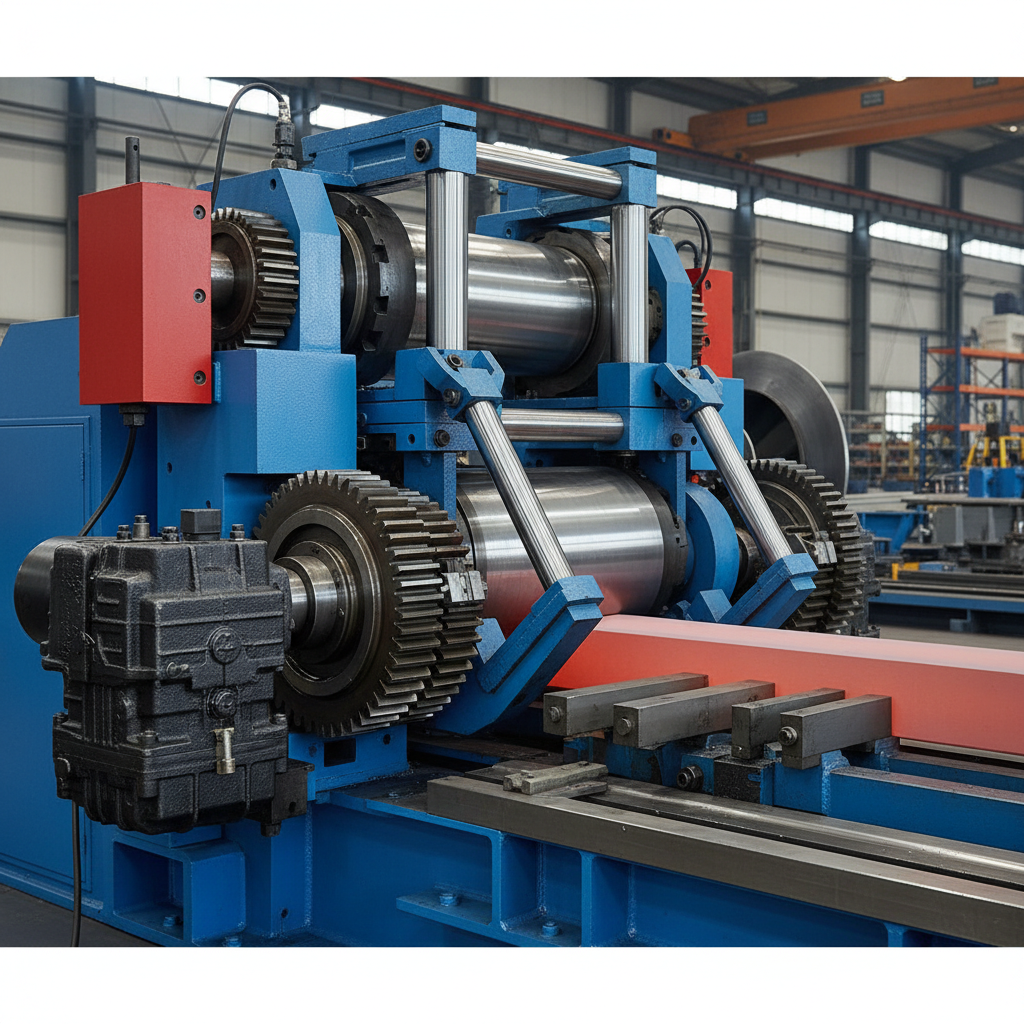
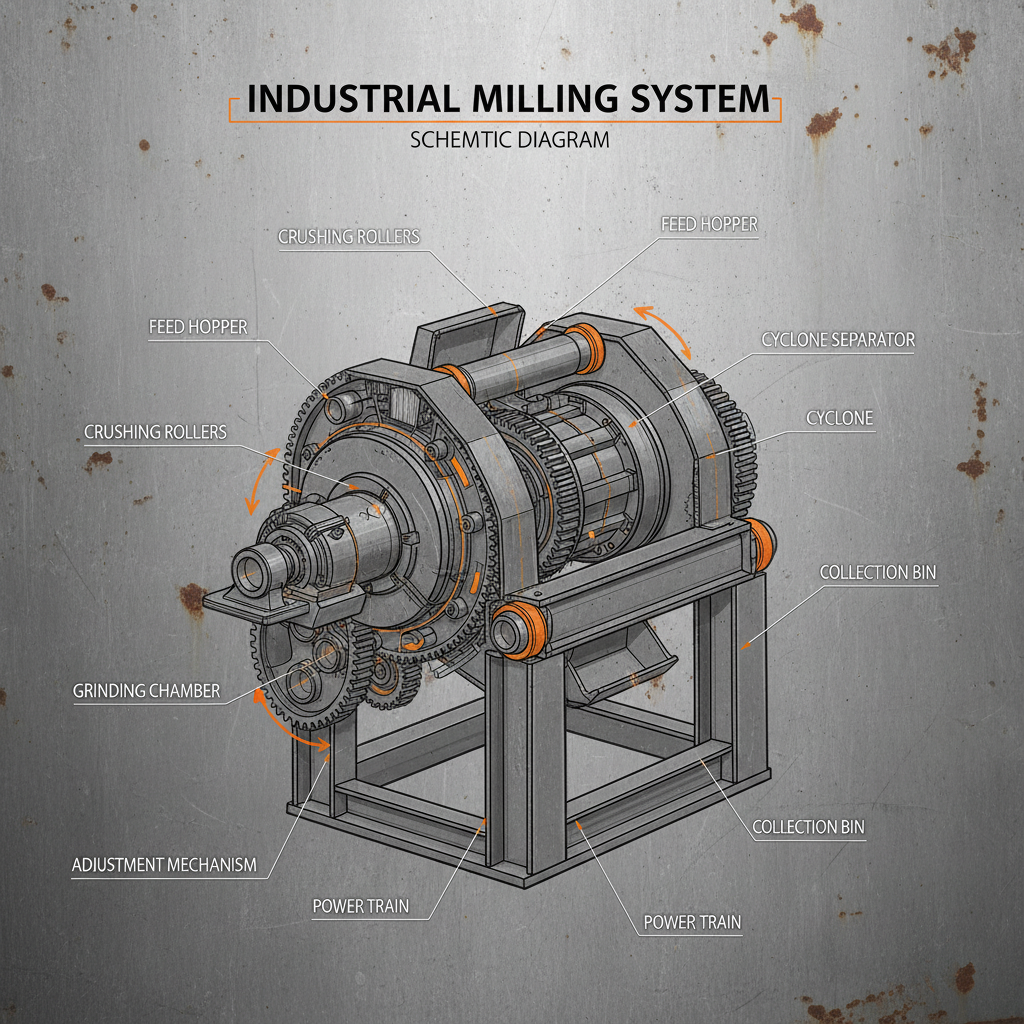
The fundamental components of a bar mill include the grinding chamber, rotating bars, feeding system, discharge system, and drive mechanism. The grinding chamber, typically constructed from durable steel, houses the rotating bars which are the primary size-reduction elements. The feeding system regulates the inflow of material, while the discharge system removes the ground product. The drive mechanism, usually an electric motor, provides the power necessary to rotate the bars.
Beyond the core components, the effectiveness of a bar mill depends significantly on factors like bar arrangement, rotation speed, and internal liner design. Different bar arrangements – such as staggered or parallel configurations – influence the grinding action and particle size distribution. Similarly, adjusting the rotation speed and optimizing the liner material can fine-tune the mill's performance for specific applications. Careful selection and optimization of these elements determine a bar mill's efficacy.
The material composition of the bars themselves is also critical. Typically constructed from hardened steel alloys, the bars must withstand constant impact and abrasion. Regular inspection and replacement of worn bars are essential for maintaining optimal grinding performance and preventing contamination of the final product. The durability and lifespan of the bars directly contribute to the bar mills’ operational efficiency and overall cost-effectiveness.
Key Performance Indicators of Bar Mills
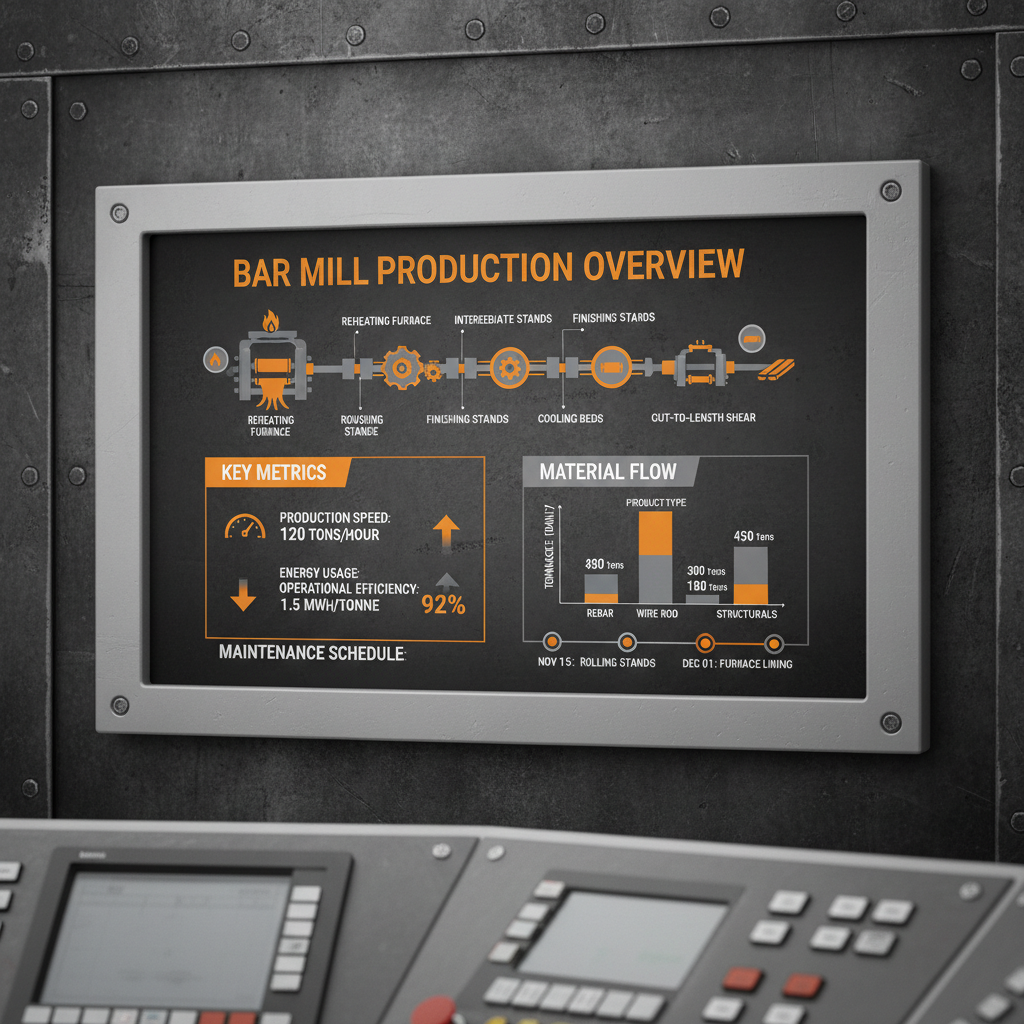
Evaluating the performance of bar mills involves several key metrics, including throughput, particle size distribution, energy consumption, and wear rate. Throughput refers to the quantity of material processed per unit of time, a critical indicator of overall efficiency. Particle size distribution, measured using sieve analysis or laser diffraction, determines the uniformity and fineness of the ground product.
Energy consumption, expressed as kilowatt-hours per ton of material ground, is a crucial factor in assessing operational costs and environmental impact. Minimizing energy usage is a primary goal in modern bar mill design and operation. Finally, wear rate, measuring the loss of material from the grinding bars over time, provides insights into the mill’s durability and maintenance requirements.
Bar Mill Performance Metrics Comparison
Global Applications of Bar Mills
Bar mills find widespread application across numerous industries worldwide. The cement industry relies heavily on bar mills for pre-grinding raw materials, enhancing the efficiency of subsequent clinker production. In mining operations, they’re used for processing ores and minerals, preparing them for extraction and refining. Chemical processing facilities utilize bar mills for grinding pigments, catalysts, and other additives.
Geographically, regions with significant industrial activity, such as China, India, and Europe, represent key markets for bar mills. Developing countries undergoing rapid infrastructural development often see increased demand for bar mills to support construction and manufacturing efforts. In post-disaster relief operations, mobile bar mills can be deployed to process rubble and create aggregates for rebuilding efforts.
Advantages and Long-Term Value of Bar Mills
The advantages of employing bar mills are multifaceted. They offer a cost-effective solution for size reduction, particularly when handling abrasive materials. Their relatively simple design translates to lower maintenance requirements and reduced downtime, enhancing operational reliability. Furthermore, bar mills can be scaled to accommodate varying production volumes, making them adaptable to diverse industrial needs.
The long-term value of investing in bar mills stems from their durability, efficiency, and potential for optimization. A well-maintained bar mill can provide years of reliable service, contributing to sustained production efficiency. Continuous improvements in bar mill technology, such as advanced bar materials and optimized grinding chamber designs, further enhance their long-term value and solidify their position as a vital component of modern industrial infrastructure.
Future Trends and Innovations in Bar Mills
The future of bar mills lies in integrating advanced technologies and sustainable practices. One key trend is the development of energy-efficient bar mill designs that minimize power consumption. This includes optimizing bar geometries, incorporating variable speed drives, and implementing advanced control systems. Another promising area is the utilization of smart sensors and data analytics to monitor mill performance and predict maintenance needs.
The integration of automation and digital twin technology will revolutionize bar mill operations. Digital twins – virtual replicas of physical mills – will allow operators to simulate different operating conditions, optimize grinding parameters, and predict potential failures. Furthermore, the incorporation of sustainable materials and closed-loop water systems will reduce the environmental impact of bar mill operations, aligning with the growing global focus on responsible manufacturing.
Finally, research into novel bar materials with enhanced wear resistance is ongoing, promising to extend the lifespan of grinding bars and reduce maintenance costs. These innovations will solidify the role of bar mills as essential tools in the material processing landscape, driving efficiency and sustainability for years to come.
FAQS
Bar mills excel at handling abrasive materials with minimal wear and tear. They are cost-effective for pre-grinding stages, offering lower maintenance compared to ball mills and a simpler design that ensures consistent performance. Furthermore, bar mills often produce a more uniform particle size distribution, advantageous for specific applications.
The frequency of bar replacement depends heavily on the material being processed and the operating conditions. Routine inspections are critical to assess wear patterns. As a general guideline, bars should be replaced when they’ve lost a significant portion of their original mass or exhibit signs of cracking. Predictive maintenance programs, utilizing vibration analysis, can also help determine optimal replacement intervals.
While versatile, bar mills are less effective with extremely sticky or fibrous materials, as these can wrap around the bars and impede grinding. Highly volatile or explosive materials also pose safety risks and require specialized handling equipment. In these cases, alternative grinding methods such as hammer mills or impact crushers may be more appropriate.
Several strategies can reduce energy consumption. Optimizing feed rate, adjusting rotor speed to match material characteristics, and ensuring proper alignment of the grinding chamber are crucial. Installing variable frequency drives (VFDs) allows for precise control of motor speed, reducing energy waste during periods of low demand. Implementing a preventative maintenance schedule to ensure efficient operation of all components also helps.
Dust generation is a primary environmental concern. Implementing effective dust collection systems, such as baghouses or cyclones, is essential for maintaining air quality. Noise pollution can also be an issue; proper soundproofing and regular maintenance of the mill’s enclosure can mitigate this. Proper disposal of worn grinding bars and lubricating oils is also critical for minimizing environmental impact.
Always adhere to lockout/tagout procedures before performing any maintenance. Wear appropriate personal protective equipment (PPE), including safety glasses, ear protection, and dust masks. Ensure that all safety guards and interlocks are functioning correctly. Regularly inspect the mill for signs of wear or damage. Implement a comprehensive safety training program for all operators and maintenance personnel.
Conclusion
In summary, bar mills represent a cornerstone technology in the world of material processing. Their combination of efficiency, durability, and adaptability makes them indispensable across a vast range of industries. From pre-grinding raw materials in cement production to processing ores in mining operations, bar mills contribute significantly to enhancing production efficiency, reducing operational costs, and improving product quality. Understanding their core components, performance metrics, and future trends is vital for professionals seeking to optimize their processes and stay ahead in a rapidly evolving industrial landscape.
Looking ahead, continued innovation in bar mill technology will focus on sustainability, automation, and data analytics. The integration of smart sensors, digital twins, and advanced control systems promises to further enhance their performance and reduce their environmental impact. By embracing these advancements, we can unlock the full potential of bar mills and ensure their continued relevance in shaping the future of material processing. Visit our website: www.bjywlx.com for more information.