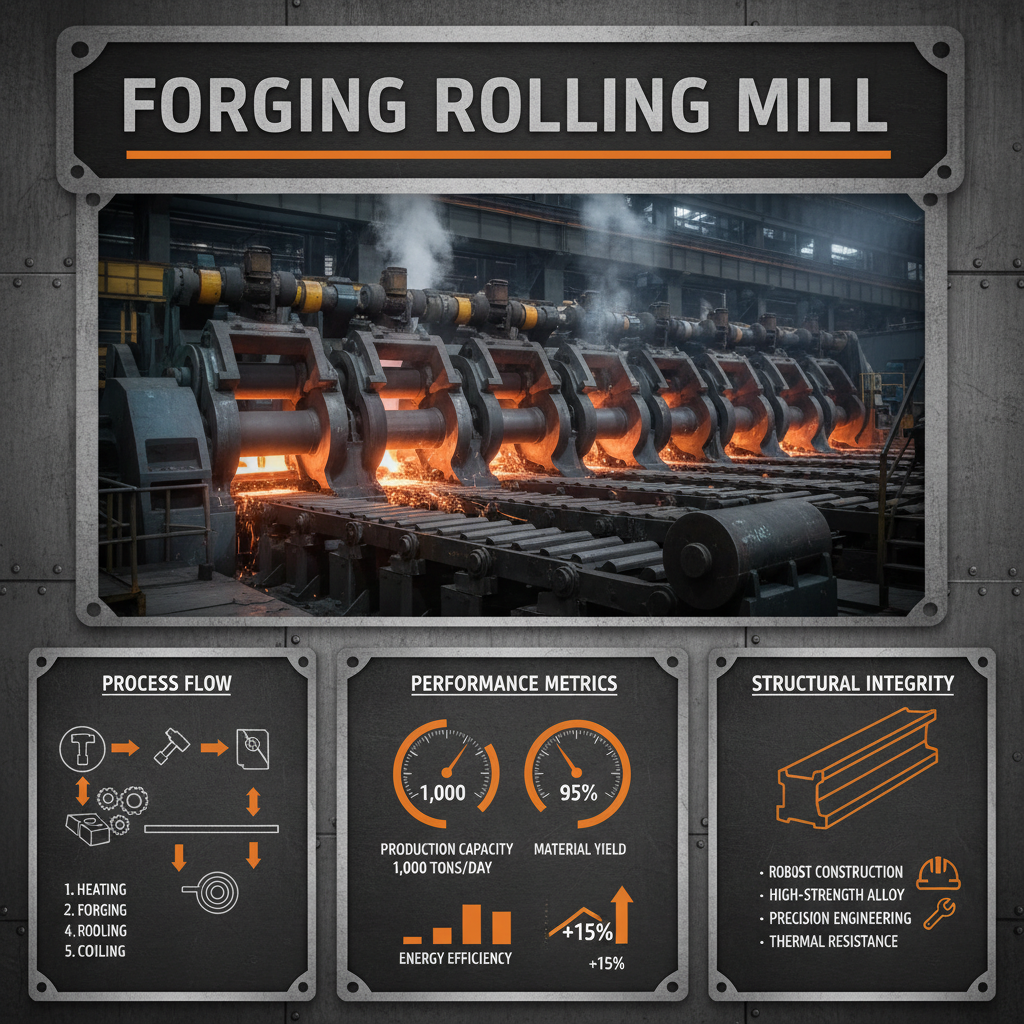
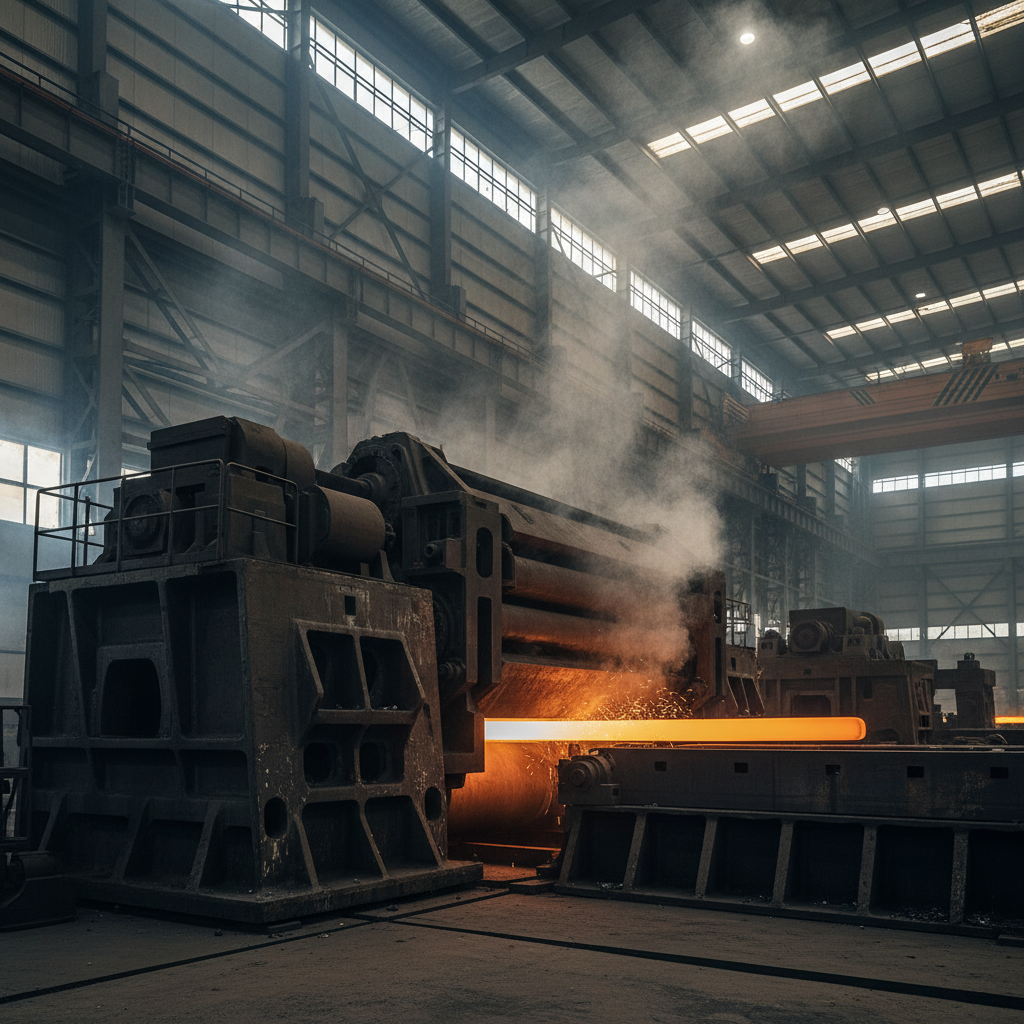
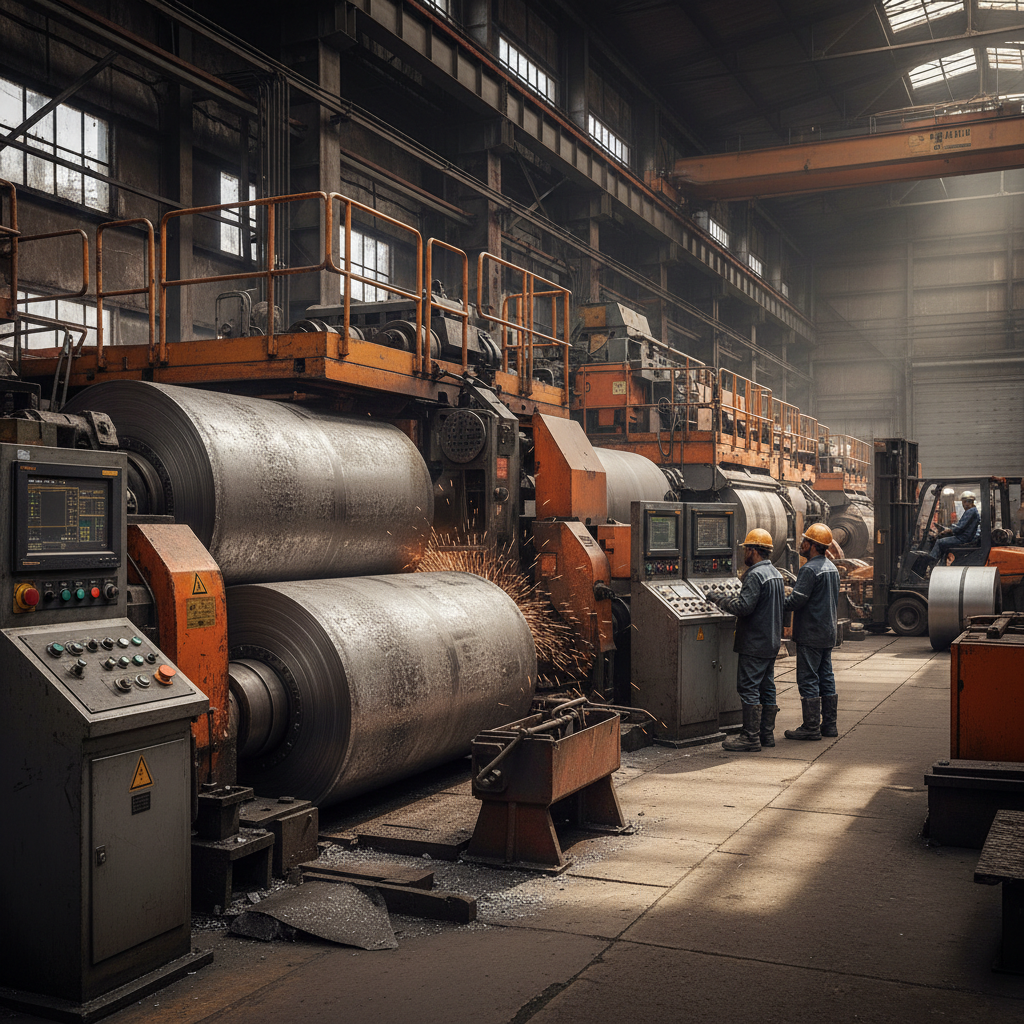
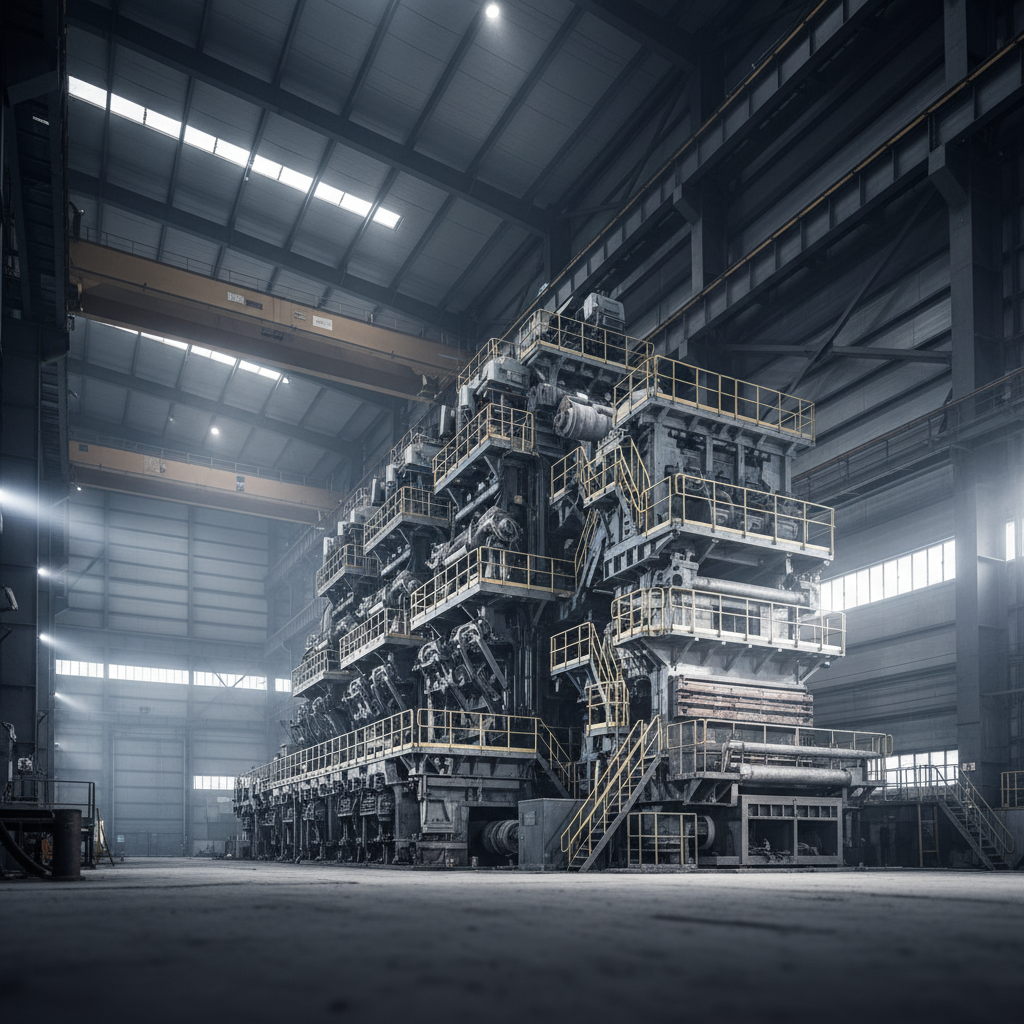
The industrial landscape of metal processing has been fundamentally reshaped by the evolution of the forging rolling mill, a powerhouse of precision engineering that bridges the gap between raw billets and high-performance industrial components. In an era where structural integrity and material efficiency are paramount, these systems provide the necessary compressive forces to refine grain structures, ensuring that the final metal product can withstand extreme stresses in aerospace, automotive, and heavy machinery applications.
Understanding the operational dynamics of a forging rolling mill is not merely a technical requirement for engineers but a strategic advantage for manufacturers aiming to reduce waste and enhance product longevity. By integrating advanced thermal controls and precise rolling pressures, these mills transform the internal morphology of metals, eliminating porosity and creating a forged flow that significantly outperforms cast alternatives in fatigue resistance and tensile strength.
As global demand for lightweight yet ultra-strong alloys grows, the role of the forging rolling mill becomes even more critical. Whether deployed in a massive hot rolling line or a specialized cladding mill, the ability to consistently manipulate metal at a microscopic level allows industries to push the boundaries of what is possible in modern infrastructure and high-tech manufacturing.
Global Industrial Relevance of Forging Rolling Mills
On a global scale, the deployment of the forging rolling mill is a benchmark for a nation's industrial capability. According to ISO standards for metallurgical processing, the precision of rolling operations directly correlates with the safety and reliability of critical infrastructure. From the massive bridges of Asia to the precision turbines of Europe, the capacity to produce high-quality forged steel and alloys through controlled rolling is what enables the construction of structures that can withstand seismic activity and extreme weather.
However, the industry faces a persistent challenge: the balance between energy consumption and material throughput. Traditional mills often struggle with thermal loss and inconsistent deformation, leading to higher scrap rates. This has sparked a global shift toward smarter, more integrated systems where the forging rolling mill is no longer a standalone machine but part of a synchronized digital ecosystem, integrating AGC (Automatic Gauge Control) and real-time monitoring to optimize every millimeter of the metal strip.
Defining the Forging Rolling Mill Mechanism
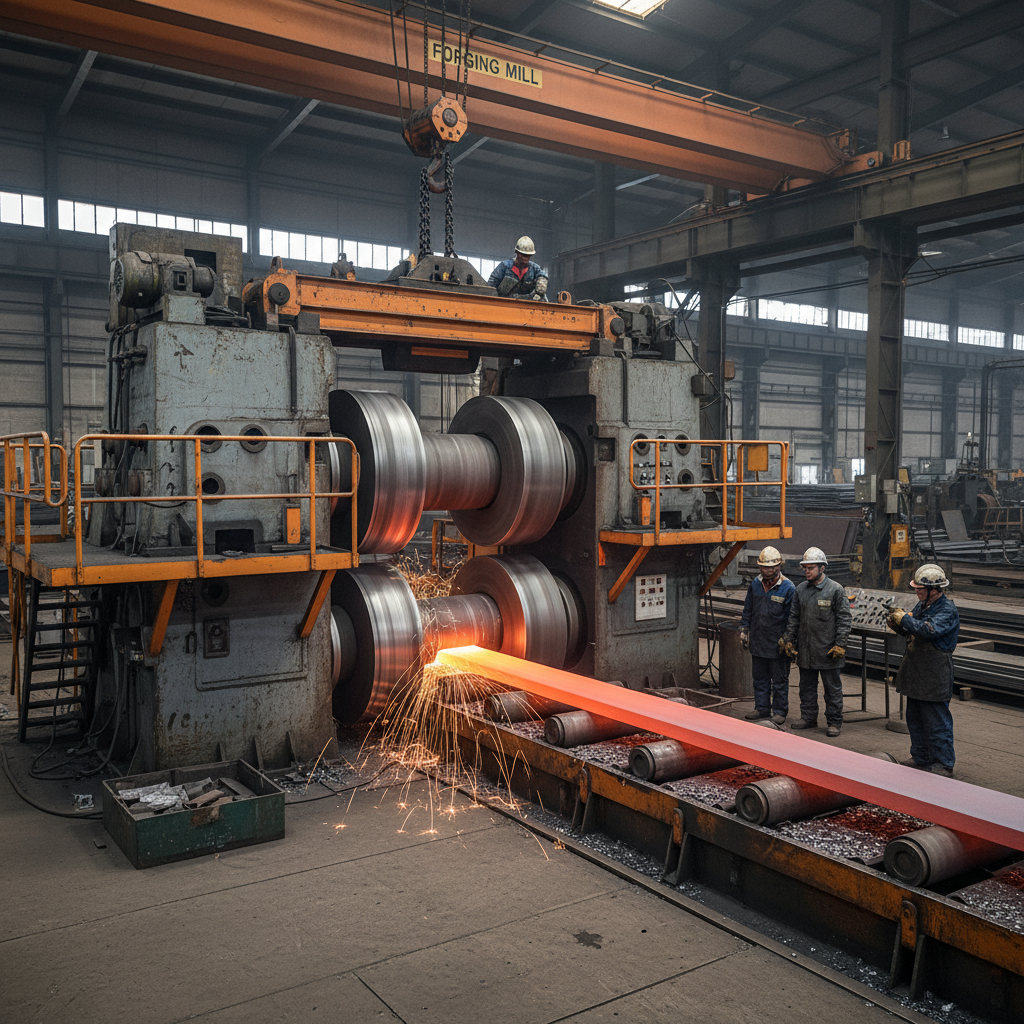
At its core, a forging rolling mill is a sophisticated mechanical system designed to reduce the thickness of a metal workpiece while simultaneously improving its internal structural properties. Unlike simple casting, where metal is poured into a mold, the rolling process uses rotating rolls to apply intense pressure. This process "works" the metal, breaking down coarse grains and aligning them in the direction of the roll, which creates a far more durable and resilient material.
This mechanism is indispensable to modern humanitarian and industrial needs, particularly in the production of medical-grade alloys and high-strength structural beams for emergency housing. By ensuring that the metal has no internal voids or weak points, the forging rolling mill guarantees that the materials used in critical life-saving equipment or disaster-resilient buildings do not fail under unexpected stress.
In the context of the broader metalworking industry, these mills are often integrated into complex lines, such as Tandem Cold Mills or Hot Rolling Lines. The synergy between the forging force and the rolling speed allows for the creation of specialized products like cladding—where two different metals are bonded together—providing the corrosion resistance of one material with the structural strength of another.
Core Components and Performance Factors
The efficiency of a forging rolling mill depends heavily on its structural durability. The mill housing must be capable of absorbing immense shocks and resisting deformation under thousands of tons of pressure. High-grade cast iron or fabricated steel frames are typically employed to ensure that the rolls remain perfectly parallel, preventing any gauge deviation in the finished product.
Roll material and surface treatment represent the heart of the forging rolling mill. Using tungsten carbide or specialized alloy steels allows the rolls to withstand the abrasive nature of hot metal while maintaining a precise surface finish. The ability to maintain this geometry over long production cycles is what differentiates a premium mill from a standard one, directly impacting the total cost of ownership.
Finally, the drive system and control logic determine the scalability and precision of the operation. Modern mills utilize high-torque motors coupled with Variable Frequency Drives (VFDs) to maintain constant rolling speeds. When combined with a sophisticated AGC System, the forging rolling mill can adjust its gap in milliseconds, ensuring that the thickness of the forged metal remains consistent regardless of temperature fluctuations.
Practical Applications Across Global Sectors
The versatility of the forging rolling mill allows it to be applied in diverse real-world contexts. In the aerospace sector, these mills are used to produce high-strength titanium and aluminum sheets for aircraft fuselages, where the strength-to-weight ratio is a matter of flight safety. In heavy industrial zones of North America and East Asia, they are the backbone of the automotive industry, producing the high-tensile steel used in crash-resistant chassis components.
Beyond traditional manufacturing, these systems are vital in specialized niches. For example, in the creation of cladding for nuclear reactors or chemical processing plants, a specialized cladding rolling mill ensures a perfect molecular bond between a protective outer layer and a structural core. This application is critical for preventing catastrophic leaks and ensuring the long-term safety of hazardous material containment.
Comparative Performance of Forging Rolling Mill Configurations
Tangible Advantages and Long-Term Value
Investing in a high-performance forging rolling mill yields significant tangible benefits, primarily in the form of material sustainability and cost reduction. By optimizing the deformation process, manufacturers can achieve the desired dimensions with fewer passes, drastically reducing energy consumption and decreasing the amount of scale loss. This operational efficiency translates directly into lower production costs and a smaller carbon footprint.
From an emotional and strategic angle, the use of these mills builds trust with end-users. When a client knows that a component has been processed through a precision forging rolling mill, they are buying more than just a piece of metal; they are buying safety, reliability, and peace of mind. This commitment to quality fosters long-term brand loyalty and positions a manufacturer as an innovator in the field of metallurgy.
Innovations and Future Technological Trends
The future of the forging rolling mill is inextricably linked to the "Industry 4.0" movement. We are seeing a rapid integration of AI-driven predictive maintenance, where sensors detect minute vibrations in the roll bearings and alert operators before a failure occurs. This transition from reactive to proactive maintenance minimizes unplanned downtime and extends the lifecycle of the equipment.
Digital Twin technology is also becoming a standard. Engineers can now create a virtual replica of the forging rolling mill to simulate different metal grades and temperature settings before the actual production begins. This eliminates the traditional "trial and error" phase, significantly reducing material waste and accelerating the time-to-market for new alloys.
Furthermore, the push for green energy is driving the development of hybrid drive systems and electric reheating furnaces. The goal is to create a carbon-neutral rolling line where the forging rolling mill operates on renewable energy sources, aligning industrial growth with global sustainability targets.
Overcoming Operational Challenges in Rolling
Despite the advantages, operating a forging rolling mill is not without its challenges. One of the most common issues is "roll deflection," where the rolls bend slightly under extreme pressure, leading to a profile that is thicker in the center than at the edges. To solve this, expert engineers utilize crowned rolls or sophisticated hydraulic bending systems to compensate for the deflection and ensure a perfectly flat product.
Another limitation is the thermal management of the rolls. Excessive heat can cause the roll surface to soften, while too much cooling can lead to thermal cracking. The solution lies in the implementation of precision water quenching devices and automated spray systems that maintain a constant temperature gradient across the roll surface, ensuring consistent metallurgical properties.
Finally, the complexity of revamping older mills often deters companies from upgrading. However, the modern approach to revamping services involves modular upgrades—replacing the control system first, then the drive motors, and finally the rolls. This phased approach allows plants to modernize their forging rolling mill without completely halting production.
Technical Analysis of Forging Rolling Mill Operational Solutions
| Challenge Type |
Common Symptom |
Expert Solution |
Impact Score (1-10) |
| Geometric Distortion |
Center-thick profile |
Roll Crown Adjustment |
9 |
| Thermal Stress |
Surface cracking |
Water Quenching Device |
8 |
| Gauge Inconsistency |
Varying thickness |
AGC System Integration |
10 |
| Energy Waste |
High electricity cost |
VFD Drive Upgrade |
7 |
| Wear & Tear |
Frequent roll changes |
Tungsten Carbide Coating |
8 |
| Legacy Inefficiency |
Slow production cycles |
Comprehensive Revamping |
9 |
FAQS
The primary difference lies in the objective and the force applied. While a standard rolling mill focuses on thickness reduction, a forging rolling mill is engineered to simultaneously refine the internal grain structure of the metal. By applying specific compressive forces at controlled temperatures, it eliminates internal voids and enhances the mechanical properties, such as toughness and fatigue strength, which is not the primary goal of basic rolling.
An Automatic Gauge Control (AGC) system uses high-precision sensors to monitor the metal thickness in real-time. If a deviation is detected, the system instantly adjusts the roll gap via hydraulic actuators. This ensures a consistent product thickness across the entire length of the strip, drastically reducing scrap rates and ensuring the product meets strict aerospace or automotive tolerances.
Yes, absolutely. However, it requires specific adjustments. Non-ferrous metals often have different flow stresses and thermal conductivities. A forging rolling mill used for titanium, for instance, will require specialized roll materials to prevent sticking and more precise temperature control to avoid overheating the material, which could alter its chemical properties.
The most critical maintenance areas are roll surface inspection, lubrication of the heavy-duty bearings, and calibration of the hydraulic systems. Because these mills operate under extreme pressure, any misalignment can lead to catastrophic failure. Regular non-destructive testing (NDT) of the roll shafts is recommended to detect fatigue cracks before they lead to downtime.
It depends on the state of the mill's structural frame. If the main housing is still robust and aligned, revamping is often more cost-effective. By upgrading the drive systems, adding an AGC, and replacing the rolls, you can achieve 90% of the performance of a new mill at a fraction of the cost. However, if the frame is warped or outdated, a new installation is safer and more efficient.
Water quenching devices allow for rapid cooling of the metal surface or the rolls themselves. This is essential for controlling the phase transformation of the steel, which determines the final hardness and ductility. By precisely controlling the cooling rate, manufacturers can achieve specific metallurgical properties, such as martensitic or pearlitic structures, depending on the intended use of the metal.
Conclusion
The forging rolling mill stands as a cornerstone of modern metallurgical engineering, transforming raw metal into the high-performance components that drive global industry. By integrating structural durability, precise control systems like AGC, and innovative thermal management, these mills ensure that materials are not only shaped but structurally optimized for the most demanding environments. From enhancing the safety of aerospace components to improving the sustainability of steel production, the value of a precision rolling system is measured in both quality and longevity.
Looking forward, the industry must embrace the synergy of digital transformation and green manufacturing. The adoption of AI-driven maintenance and carbon-neutral energy sources will define the next generation of forging rolling mills. For manufacturers aiming to remain competitive in a global market, investing in high-precision rolling technology and professional revamping services is no longer optional—it is the key to achieving operational excellence and industrial leadership. Visit our website: www.bjywlx.com