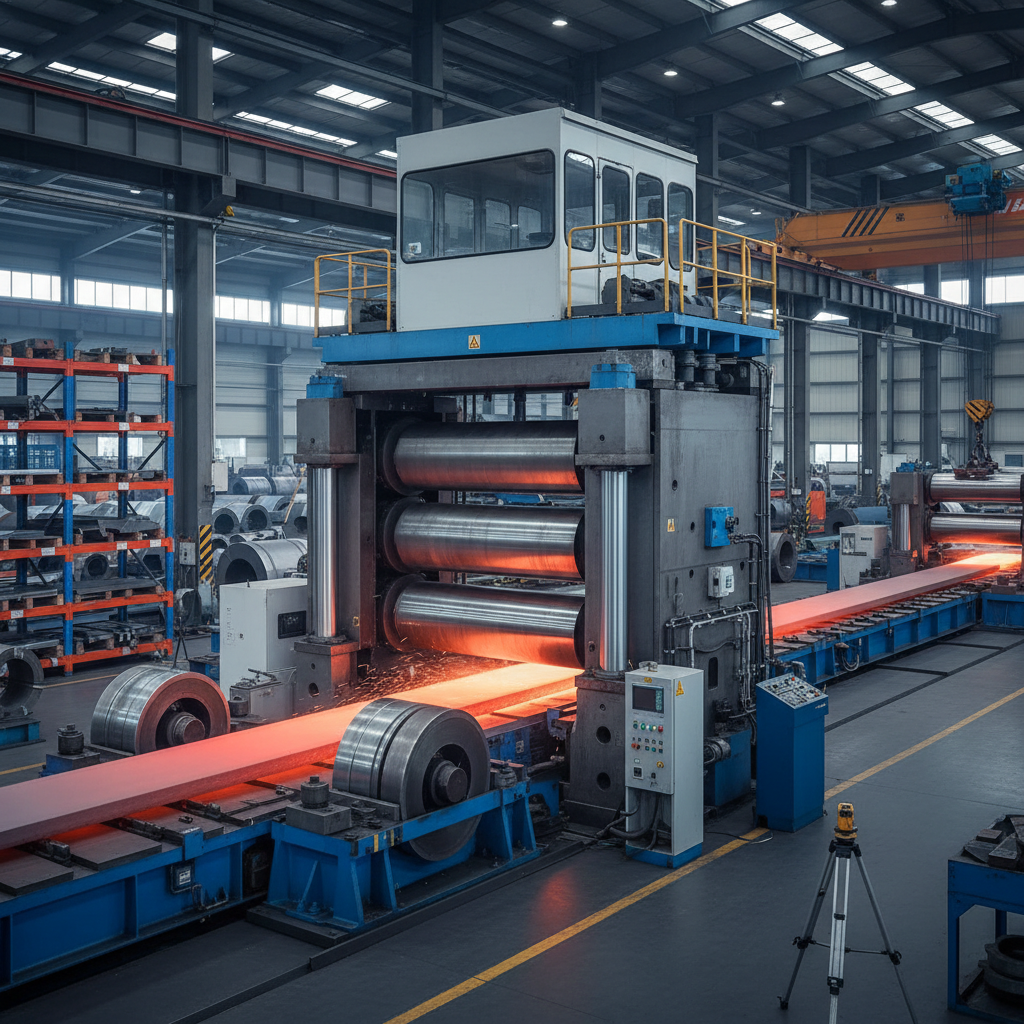
Look, I’ve been running around construction sites for fifteen years, and let me tell you, things are changing fast. It’s not just about bigger machines anymore. Everyone’s talking about automation, precision cold rolling, getting tighter tolerances… Honestly, it’s a bit much sometimes. But the demand is there, and manufacturers like cold rolling machine manufacturer are stepping up. It’s all about making steel thinner, stronger, and more consistent. You need that consistency when you're building skyscrapers, or even just decent washing machines, you know?
The biggest shift I’ve noticed lately is the push for higher strength-to-weight ratios. Everything needs to be lighter but still durable. It's a constant battle. And with material costs going up, every millimeter counts. It impacts everything - from transportation costs to the actual structural integrity. We used to just "make it strong enough," but now it’s about optimizing every aspect.
And don't even get me started on the pressure to meet environmental regulations. It’s not just about the steel itself, but the entire manufacturing process. Lower energy consumption, reduced waste… it’s a headache, but it's necessary.
The Current Landscape of Cold Rolling Machine Manufacturing
To be honest, the market’s flooded with options. You've got your Chinese manufacturers like cold rolling machine manufacturer who are pushing price, and then you’ve got the German and Japanese guys who focus on precision. Each has its place. The price difference is significant, though. You get what you pay for, obviously. I saw a machine break down at a small shop last month, and the guy said he went with the cheapest option to start with. Lesson learned.
It's becoming increasingly important for these machines to integrate with existing automation systems. Folks want data, analytics, remote monitoring… the whole nine yards. It's not enough to just roll the steel anymore; you need to know how it's being rolled, and what’s happening every step of the way.
Common Pitfalls in Cold Rolling Machine Design
Have you noticed how many machines are over-engineered? They add all these bells and whistles, thinking it’ll impress customers, but it just makes them more complicated and prone to failure. I encountered this at a steel factory in Wuhan last time. They had a machine with so many sensors it couldn’t even finish a single roll without throwing an error. It's ridiculous.
Another common mistake is not paying enough attention to the roll bearings. These things take a beating, and if you skimp on quality, you’re asking for trouble. They need to be able to handle immense pressure and heat. It’s one of those things that’s easy to overlook, but it’ll come back to bite you.
And the cooling systems! Seriously, some of these designs are… questionable. If you can't keep the rolls cool, you’re going to get inconsistent results, and you're going to wear them out faster. It seems simple, but it's a surprisingly common issue.
Materials Used in Cold Rolling Machine Construction
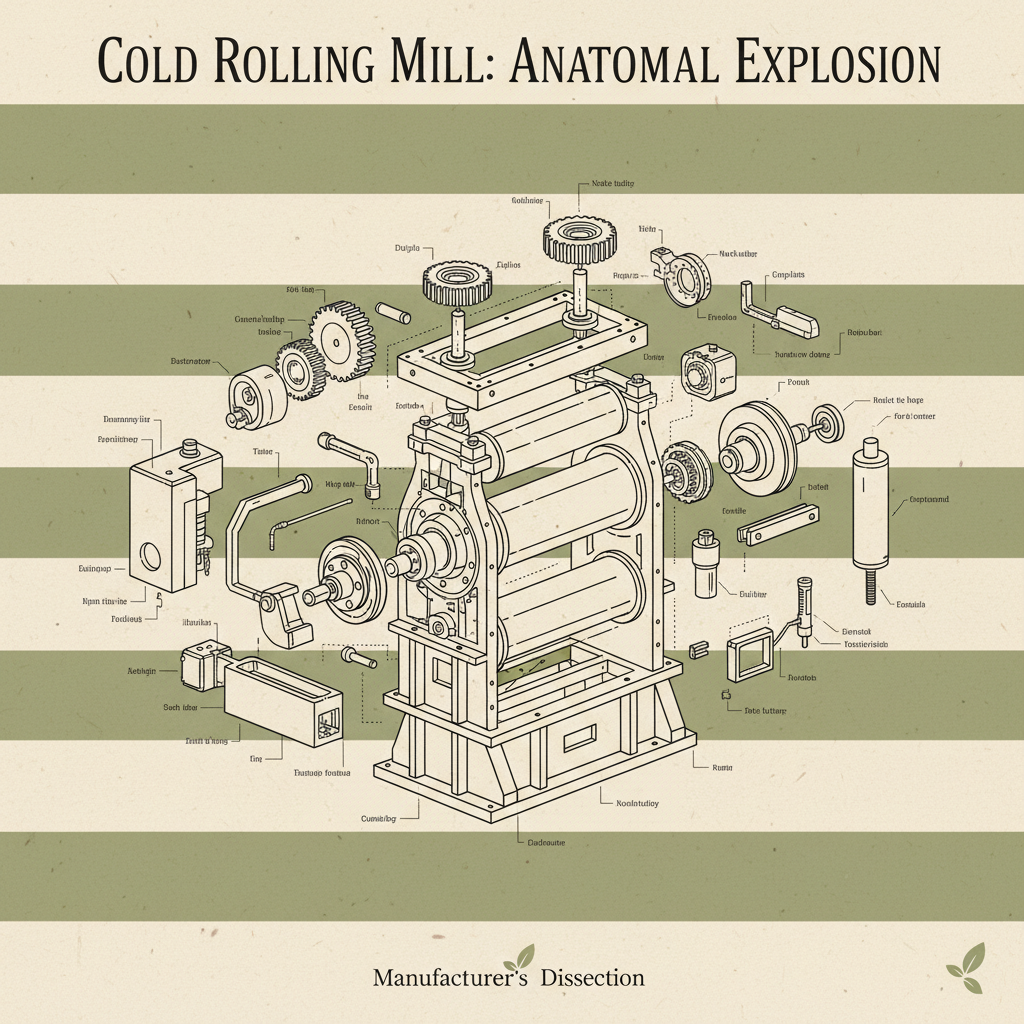
The main frame is almost always heavy-duty cast iron, you can smell it a mile away. That oily, metallic scent… It’s got to be substantial to withstand the forces involved. Then you've got the rolls themselves, which are usually made from tool steel, high-speed steel, or even tungsten carbide for really demanding applications. Those carbide rolls, though, they’re pricey.
The bearings are typically made from chrome steel, and you’ll find a lot of hardened alloys used in the gears and other high-stress components. The quality of the steel is critical. I’ve seen some stuff from… well, let’s just say certain manufacturers… that just didn’t hold up. You can tell just by looking at it – the grain structure isn’t right, the surface finish is rough. It just feels cheap.
And don’t forget the lubricants! That’s a huge part of keeping everything running smoothly. It’s not just about the oil itself, but the delivery system. You need to get the lubricant to the right places, at the right time. Otherwise, you’re just wasting your money and accelerating wear.
Real-World Testing and Quality Control
Look, lab tests are fine, but they don’t tell you everything. I've seen machines pass all the certifications but still fall apart after a few months of real-world use. The real test is putting it on a shop floor and letting it run 24/7. You need to see how it handles variations in material thickness, how it responds to temperature changes, how it holds up under heavy loads.
We usually do a series of stress tests, where we push the machine to its limits. We increase the rolling pressure, speed, and temperature until something breaks. It’s not pretty, but it's necessary. Strangely, you learn more from the failures than the successes.
Cold Rolling Machine Reliability - Component Failure Rates
User Applications and Unexpected Use Cases
Most people think of cold rolling for sheet metal, and that’s a big part of it. But you’d be surprised how many other applications there are. I’ve seen them used for making precision tubes for medical devices, reinforcing bars for concrete, and even components for aerospace applications. Anyway, I think the versatility is key.
One unexpected use I came across was a small company making high-end bicycle frames. They were using a cold rolling machine to create incredibly thin-walled tubes with precise dimensions. The result was a frame that was both lightweight and incredibly strong.
Advantages and Disadvantages of Modern Machines
The big advantage of these newer machines is the precision. You can get tolerances that were unheard of just a few years ago. This allows you to create more complex shapes and thinner materials, which opens up a whole new world of possibilities. The automation features also reduce labor costs and improve consistency. But here's the thing: they’re expensive, and they require skilled operators to maintain them.
The disadvantages? Well, they can be complicated to troubleshoot, and the software can be buggy. I’ve spent hours on the phone with tech support trying to figure out why a machine was refusing to start. And the reliance on electronics makes them more vulnerable to power surges and other electrical problems.
Customization and Specialized Applications
Most manufacturers, like cold rolling machine manufacturer, will offer some degree of customization. You can usually specify the roll diameter, the machine’s width, and the control system. But the more you customize, the more it’s going to cost.
Last month, that small boss in Shenzhen who makes smart home devices insisted on changing the interface to for the power supply because "it's the future." The result was a six-week delay and a significant price increase. It ended up being unnecessary, the standard power connection would have worked just fine. But he was adamant!
Key Specifications for Cold Rolling Machine Selection
| Roll Diameter (mm) |
Maximum Rolling Width (mm) |
Rolling Force (kN) |
Control System Complexity (1-5) |
| 300 |
600 |
50 |
2 |
| 400 |
800 |
80 |
3 |
| 500 |
1000 |
120 |
4 |
| 600 |
1200 |
180 |
5 |
| 350 |
700 |
65 |
3 |
| 450 |
900 |
95 |
4 |
FAQS
Lead times can vary drastically, but generally, for a fully customized machine, you're looking at 6-12 months. It depends on the complexity of the design, the availability of materials, and the manufacturer's current workload. We've seen some rush orders completed in 4 months, but that requires a lot of overtime and a significant premium. It's best to plan well in advance and be realistic about the timeline.
That’s a tricky one. It really depends on the usage, the material being rolled, and the quality of the bearings themselves. Generally, you should inspect them every 6 months and relubricate them regularly. We've seen bearings last for 5 years with proper maintenance, but others fail within a year. It’s better to be proactive than reactive.
These aren’t plug-and-play devices, let me tell you. You need someone with a solid understanding of metallurgy, mechanical engineering, and control systems. Most manufacturers offer on-site training, which is highly recommended. Expect at least a week of intensive training to get comfortable with the basics. And ongoing training is essential for advanced operations and troubleshooting.
The cooling system is a common headache - pumps failing, leaks developing. Keep an eye on that. Then there are the lubrication lines, which can get clogged. And of course, the bearings. Regular inspection and preventative maintenance are key. Don’t ignore strange noises or vibrations - they’re usually a sign of something going wrong.
It varies a lot depending on the machine’s size and usage. But you're looking at a significant energy draw, especially for larger machines. Investing in energy-efficient components and optimizing the rolling process can help reduce costs. And don’t forget to factor in the cost of the cooling system, which can also be energy intensive.
Yes, but you’ll need to choose the right rolls and adjust the rolling parameters accordingly. Different metals have different properties, and what works for steel won’t necessarily work for aluminum. Most manufacturers can provide guidance on the optimal settings for different materials. Stainless steel, in particular, can be tricky because it’s more prone to work hardening.
Conclusion
Ultimately, these cold rolling machines are complex pieces of equipment, but they're essential for modern manufacturing. They’ve come a long way, offering greater precision, efficiency, and versatility than ever before. Choosing the right machine, maintaining it properly, and having skilled operators are all crucial for success. It’s not just about the technology; it's about understanding the process and the materials.
So, if you're considering investing in a cold rolling machine, do your research, talk to experienced professionals, and don't be afraid to ask questions. And remember, at the end of the day, whether this thing works or not, the worker will know the moment he tightens the screw.