Understanding the intricacies of wire rod mill cost is crucial in today’s global industrial landscape. This isn’t merely an accounting exercise; it’s a fundamental factor impacting infrastructure development, manufacturing output, and even economic stability in developing nations. Accurate assessment of these costs influences project feasibility, material selection, and ultimately, the price of goods reaching consumers worldwide.
The global demand for steel, and consequently wire rod, continues to rise, particularly in rapidly industrializing economies. Fluctuations in raw material prices (iron ore, coal), energy costs, labor rates, and technological advancements all significantly affect wire rod mill cost. Companies and governments alike need to navigate these variables effectively to maintain competitiveness and ensure sustainable growth.
A thorough comprehension of wire rod mill cost enables informed decision-making, optimized resource allocation, and strategic planning for long-term success in the steel industry. This knowledge is essential for both established players and new entrants seeking to carve out a niche in the market.
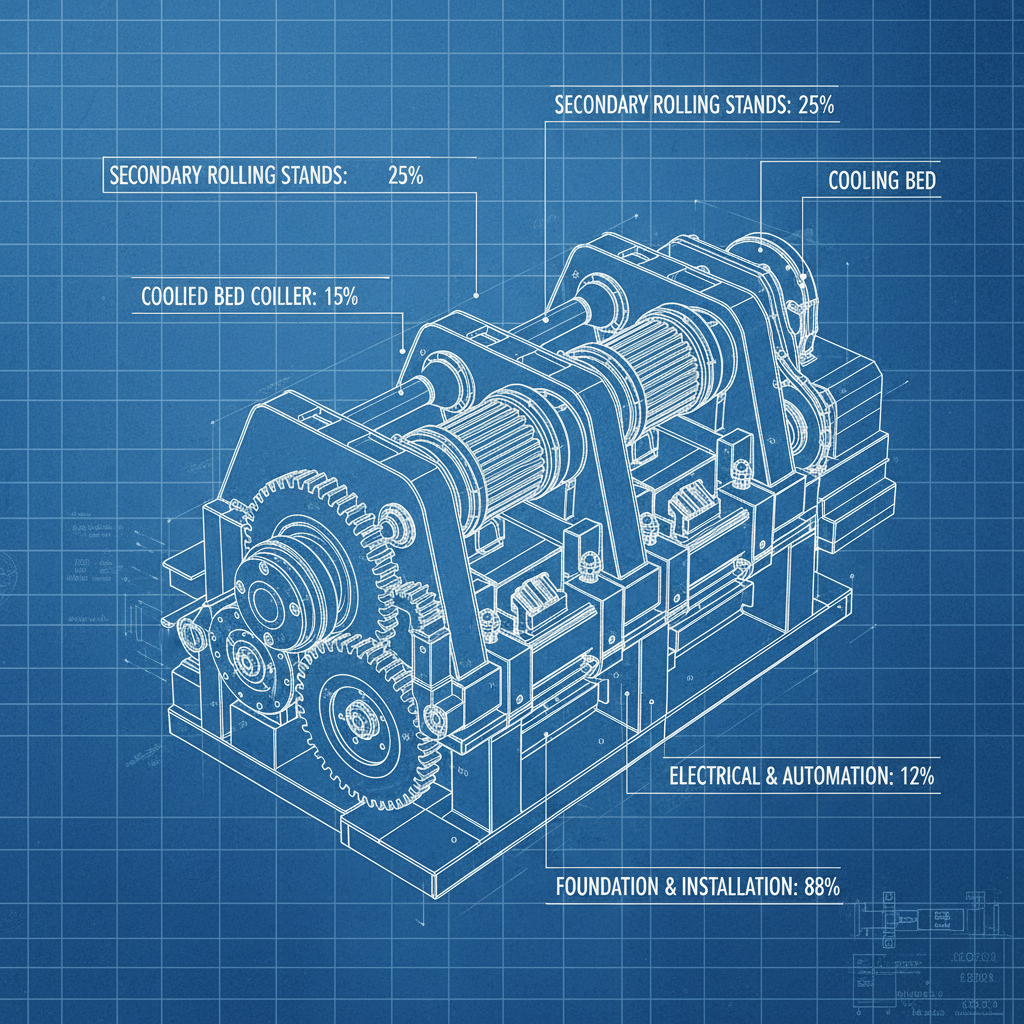
Defining Wire Rod Mill Cost
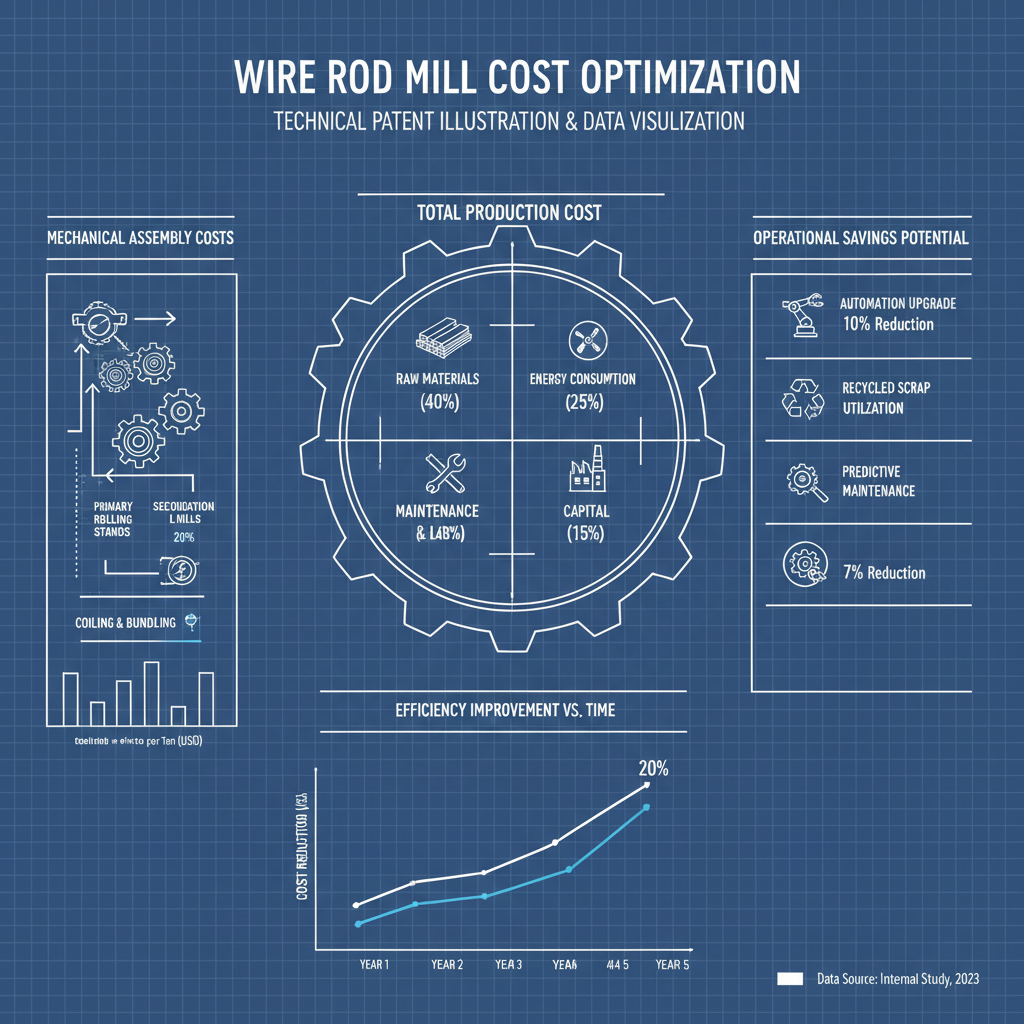
Wire rod mill cost, in its simplest form, represents the total expenditure required to establish and operate a facility capable of producing wire rod – a crucial intermediary product in steel manufacturing. This encompasses everything from initial capital investment to ongoing operational expenses.
Understanding this cost is paramount, as wire rod serves as the foundation for a wide range of applications, from construction and automotive industries to agricultural equipment and infrastructure projects. Accurate cost analysis ensures competitive pricing, optimized production processes, and sustained profitability for steel producers.
FAQS
Currently, the primary drivers of increasing wire rod mill cost include fluctuating iron ore prices, rising energy costs (particularly electricity and natural gas), and global supply chain disruptions. Geopolitical instability can also significantly impact raw material availability and transportation expenses. Furthermore, stricter environmental regulations demanding investments in emission control technologies add to the overall cost burden.
Automation significantly reduces long-term operating costs by minimizing labor requirements, increasing production efficiency, and improving product quality. Automated systems require less manual intervention, reducing the risk of errors and downtime. While the initial investment in automation can be substantial, the return on investment (ROI) is typically realized through lower operating expenses and increased output.
The payback period for a new wire rod mill investment varies widely depending on factors such as mill capacity, technology adopted, location, and market conditions. However, a typical payback period ranges from 5 to 10 years. Thorough financial modeling and feasibility studies are essential to accurately assess the potential ROI and determine the optimal investment timeframe.
Environmental regulations increasingly impact wire rod mill cost by requiring investments in pollution control equipment, waste management systems, and energy-efficient technologies. Compliance with emission standards, water treatment regulations, and waste disposal requirements can add significant operating expenses. However, adopting sustainable practices can also lead to cost savings through resource optimization and reduced environmental liabilities.
Energy efficiency is crucial in reducing wire rod mill cost, as energy consumption often represents a substantial portion of operating expenses. Implementing energy-efficient technologies, such as variable frequency drives, optimized furnace designs, and waste heat recovery systems, can significantly lower energy bills. Moreover, utilizing renewable energy sources, such as solar or wind power, can further reduce reliance on fossil fuels and minimize carbon emissions.
Supply chain diversification is a key strategy for mitigating the risk of fluctuating raw material prices. By sourcing iron ore and other essential materials from multiple suppliers across different regions, wire rod mills can reduce their dependence on any single source. This provides greater flexibility and negotiating power, allowing them to secure competitive pricing and minimize disruptions in the event of supply chain bottlenecks.
Conclusion
In conclusion, understanding wire rod mill cost is paramount for success in the global steel industry. By meticulously analyzing the various components – from initial capital investment to ongoing operational expenses – and embracing innovative technologies and sustainable practices, producers can optimize efficiency, enhance profitability, and maintain a competitive edge. A holistic approach to cost management is no longer just a financial imperative, but a cornerstone of long-term viability.
Looking ahead, the future of wire rod production will be shaped by digitalization, automation, and a commitment to environmental responsibility. Investing in these areas will not only reduce costs but also create a more sustainable and resilient industry. For further insights into optimizing your wire rod mill operations, and exploring potential cost-saving solutions, visit our website: www.bjywlx.com