Mastering the Temper Mill for Premium Steel
www.bjywlx.com, E-mail: Alley.wang@bjywlx.com, WA/FB/Mob +86 18630169310
In the high-stakes production of Automobile steel, plate, strip, and coil, achieving the precise mechanical properties and flawless surface required by global markets is non-negotiable. The final arbiter of this quality is the temper mill. This essential finishing process is where steel transforms from a basic commodity into a high-performance engineered material. For over two decades, Yang Wang Li Xin (YWLX) has been at the forefront of designing and delivering the advanced rolling machinery that makes this transformation possible. As a premier turn-key project provider, YWLX equips manufacturers and global importers with the technology to consistently meet the most stringent specifications. This article delves into the critical role of the temper mill, exploring its process fundamentals, core components, optimization strategies, and key considerations for investment.
Fundamentals of the Temper Mill Process
The temper mill process is a precise, light cold-rolling operation applied to annealed steel. Its primary function is not to achieve significant thickness reduction but to impart specific, controlled mechanical properties. The core action of temper rolling involves applying a small elongation—typically between 0.5% and 4%—to the material. This process refines the steel's grain structure, eliminates the discontinuous yield point, and enhances surface finish. For critical applications like exposed Automobile steel panels, this ensures a uniform, paint-ready surface and predictable forming behavior, directly impacting the quality and manufacturability of the final product.
Key Components of a Modern Temper Mill
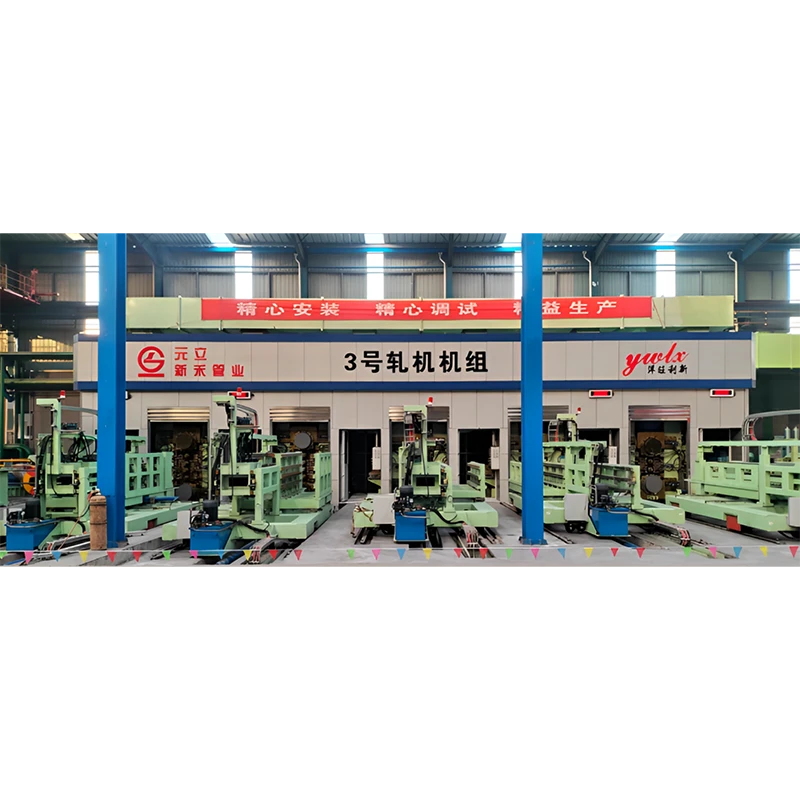
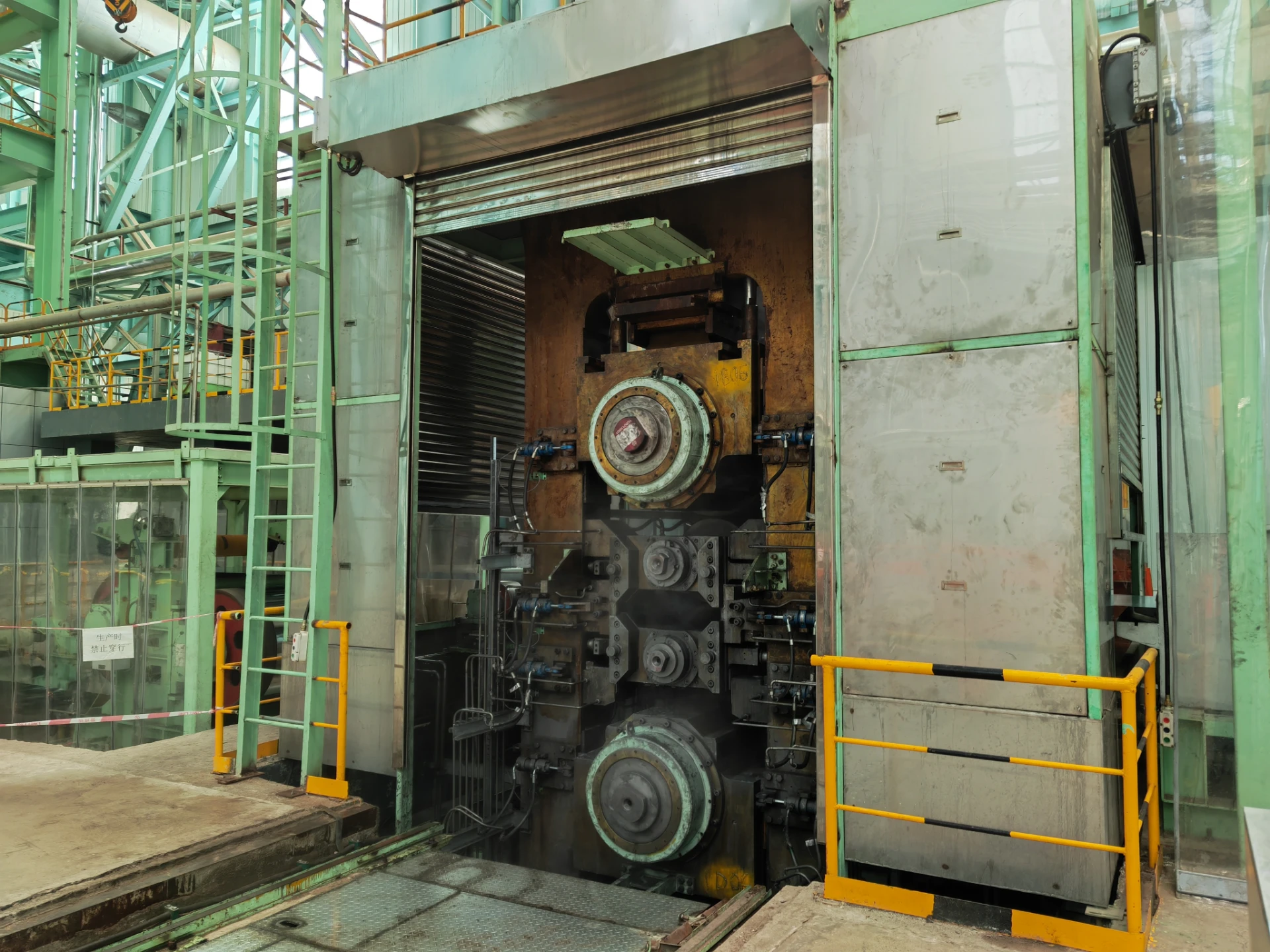
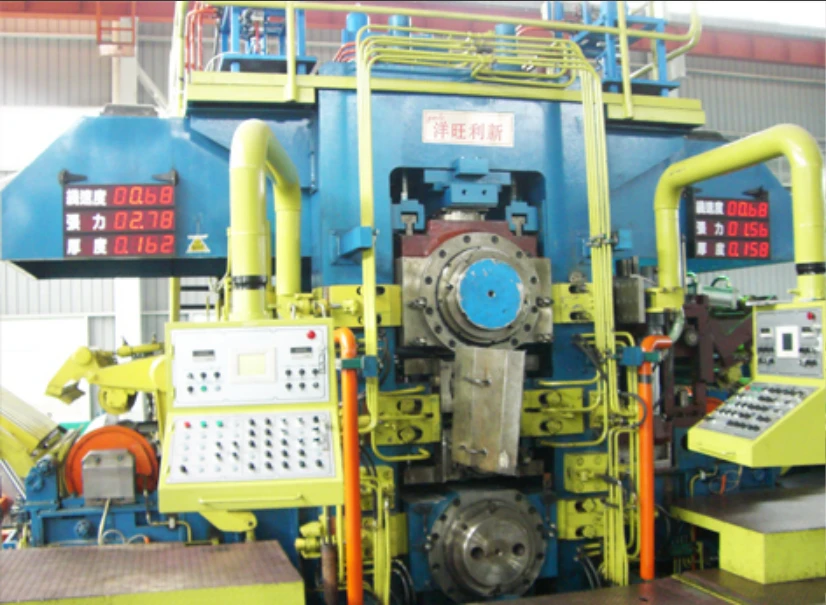
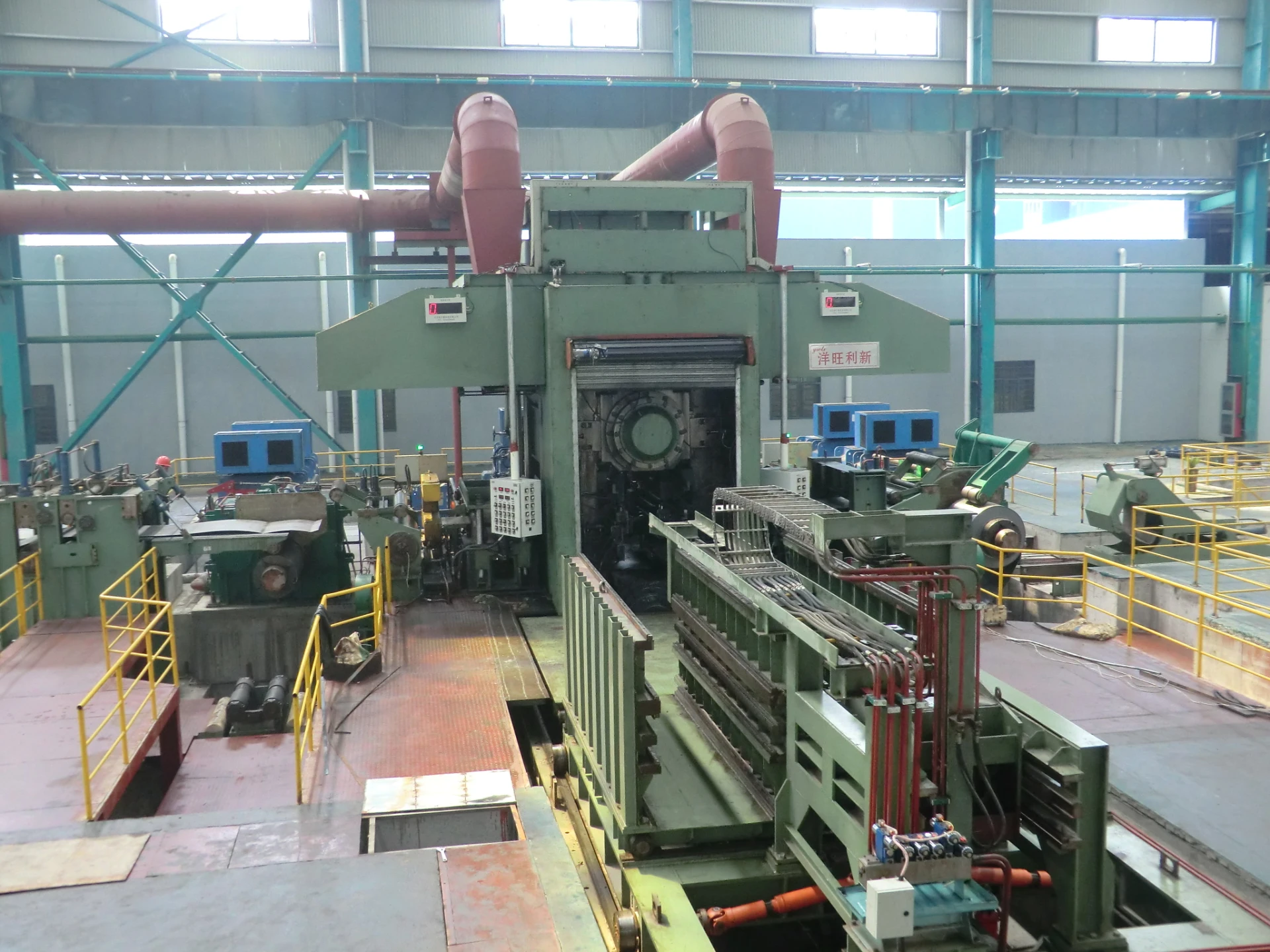
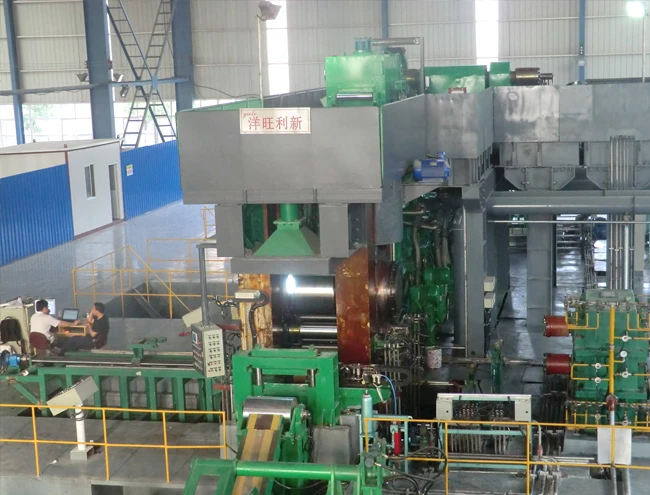
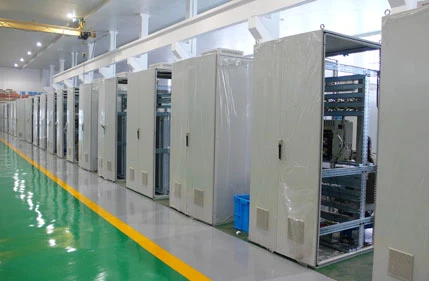
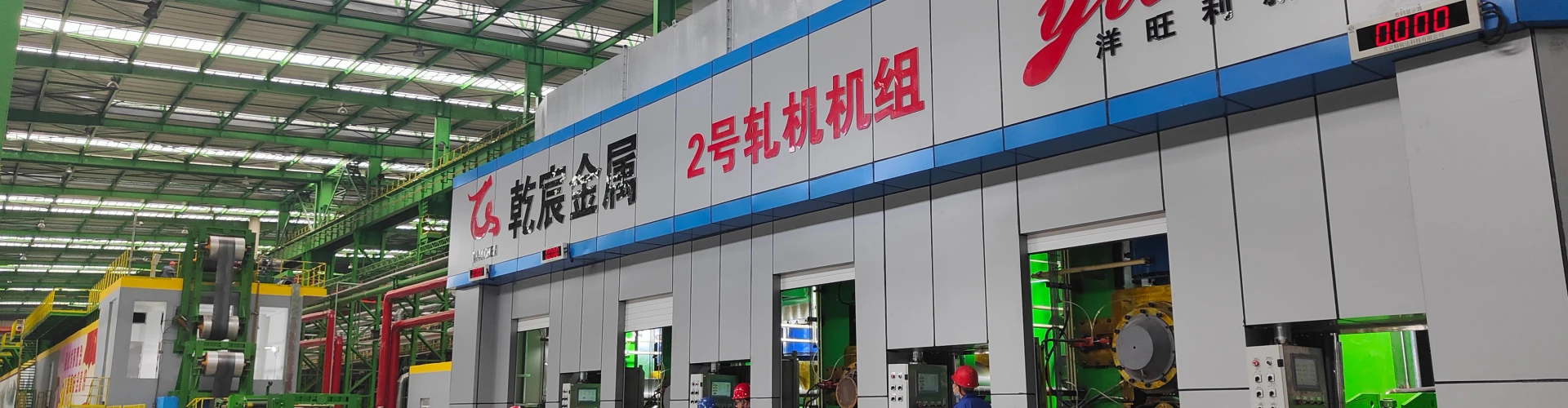
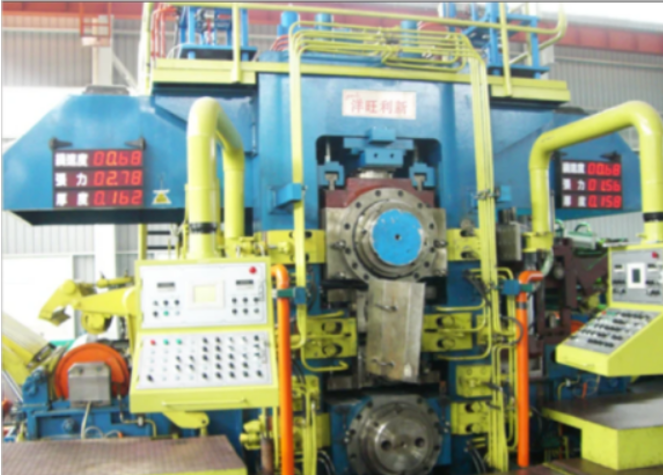
A modern temper mill brings together specialized mills equipment to deliver precision and reliability. At its core is a heavy-duty, high-stiffness mill stand that houses work rolls and backup rolls, built to apply controlled pressure with very little flex. Accurate hydraulic or electromechanical screw-down systems are essential for carrying out the exact, small reductions needed. The entry and exit tension reels are also key—they apply and control strip tension, a critical factor for managing elongation and flatness. A modern line designed by YWLX includes advanced automation, with features such as shape control systems like roll bending, laser speedometers for precise elongation measurement, and a full machine vision system for live surface inspection. This ensures every coil meets the required specifications.
Mastering Elongation in the Temper Mill Process
The success of the entire temper mill process hinges on the precise control of elongation. This parameter directly dictates the final steel's yield strength, hardness, and formability. Optimizing elongation control requires a synergy of advanced hardware and intelligent software. Modern systems employ high-accuracy speed measurement devices at the mill's entry and exit to calculate real-time elongation. This data feeds into a closed-loop control system that dynamically adjusts roll gap pressure and inter-stand tensions. For producers of high-strength Automobile steel or demanding coil products, this precise control ensures batch-to-batch consistency, reduces off-spec material, and guarantees that the mechanical properties perfectly match the requirements of downstream stamping and forming processes.
The Critical Role of Surface Finish in Temper Rolling
Beyond mechanical properties, the temper mill is the final determinant of surface quality. The temper rolling operation closes surface micro-porosity and can impart a specific, controlled topography onto the strip or plate. This is achieved through the use of textured work rolls, whose pattern is precisely transferred to the steel. The resulting surface roughness, or peak count, is critical for applications like exterior Automobile steel, where it optimizes paint adhesion and appearance. A well-tuned temper mill process ensures a uniform, defect-free surface across the entire coil width and length, eliminating visual imperfections and enhancing corrosion resistance, thereby adding significant value to the finished product.
FAQs About Investing in a Temper Mill
How does a temper mill differ from a cold mill?
A temper mill applies light, precise elongation for property enhancement, unlike a cold mill which focuses on major thickness reduction.
What steel grades use the temper mill process?
The temper mill process is vital for Automobile steel, tinplate, and various strip and coil products requiring specific strength and surface finish.
Why is tension so critical in temper rolling?
Precise tension in temper rolling is essential for achieving uniform elongation, controlling flatness, and ensuring consistent mechanical properties.
Can a temper mill process improve material flatness?
Yes,a primary function of the temper mill process is to improve flatness by applying uniform elongation and tension across the strip width.
How does temper rolling control surface texture?
The final texture is controlled by the work roll surface and temper rolling parameters, which imprint a precise topography onto the steel.
The temper mill is not merely a piece of mills equipment; it is the definitive quality gateway in modern steel finishing. Mastery of the temper mill process—from fundamental elongation control to surface finish mastery—is what separates adequate production from world-class manufacturing. It ensures your Automobile steel, plate, strip, and coil possess the exact mechanical properties, flawless formability, and superior surface that global customers demand.YWLX embodies this mastery. Our twenty-year legacy is built on providing complete, turn-key temper mill solutions that integrate seamlessly into your operation. From initial consultation and custom design to manufacturing, installation, and commissioning, we ensure your investment delivers peak performance, unparalleled consistency, and maximum return.Do not let your product quality be limited by outdated technology. Partner with a manufacturer that understands the precision engineering behind exceptional steel. Contact the YWLX team today to discuss how our advanced temper mill technology can be the cornerstone of your next high-performance production line, enabling you to reliably supply the premium materials the global market requires.
-
Ship Multi-Project Equipment on the Lantern FestivalNewsMar.03,2026
-
YWLX Deep Dives into Cladding Line with Dubai ClientNewsDec.22,2025
-
1450mm 6-Hi Reversing Mill Goes Live in BangladeshNewsOct.28,2025
-
Sep. 3rd Parade: Carry Forward and Press OnNewsSep.03,2025
-
Indian Clients Visit YWLX to Inspect Skin-pass MillNewsJun.22,2025
-
Full- throttle! YWLX's Intense Production During May DayNewsMay.01,2025
-
YWLX Participated in the 2025 Chinese GAP Program Review ConferenceNewsApr.17,2025