Comprehensive Guide to Automatic Pressure Control for Industrial Applications
Understanding 自動圧力制御: A Comprehensive Guide
In numerous industrial applications, maintaining precise pressure is critical for efficient operation and product quality. 自動圧力制御 (Automatic Pressure Control) systems are designed to achieve this, offering reliable and consistent performance. This article will delve into the principles, benefits, applications, and key considerations of automatic pressure control, providing a thorough overview for engineers, technicians, and anyone involved in pressure management. Understanding these systems is paramount for optimizing processes and ensuring safety in a variety of industries.
The Core Principles of 自動圧力制御
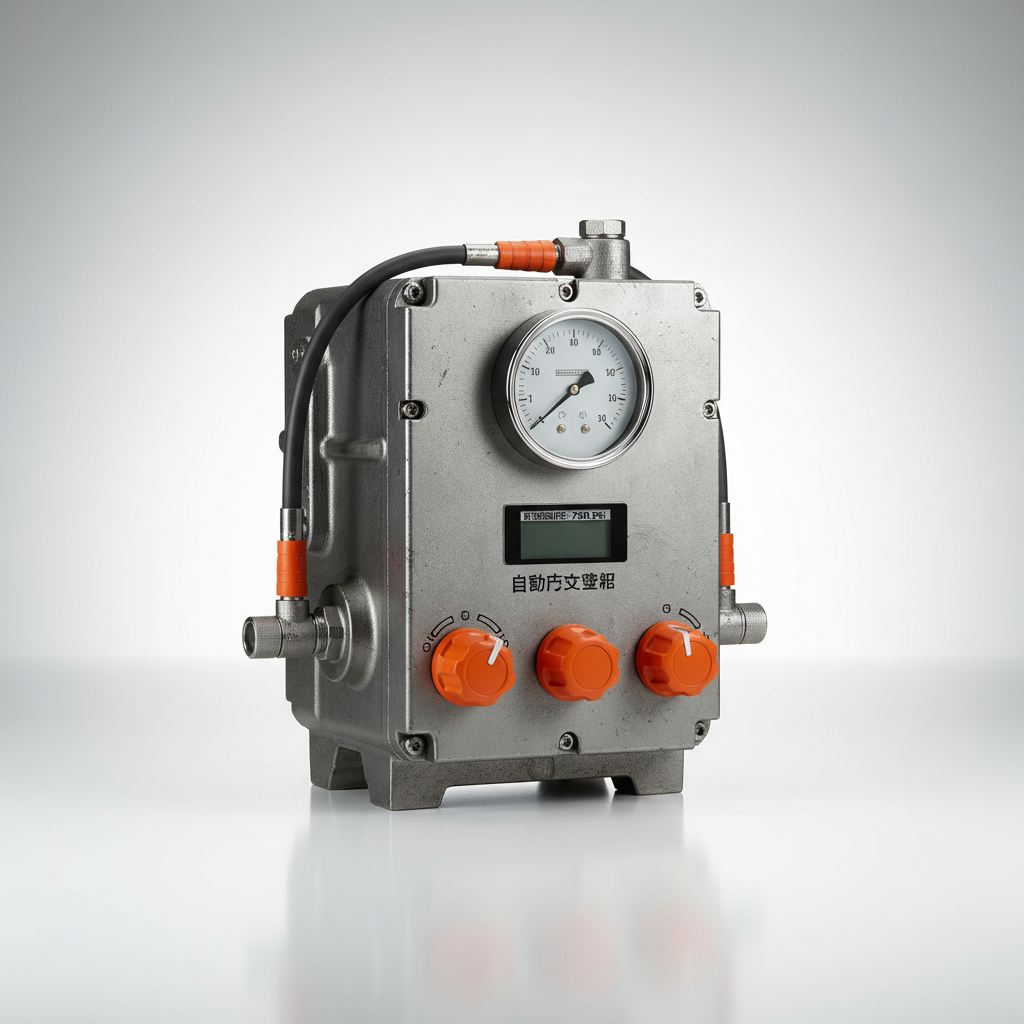
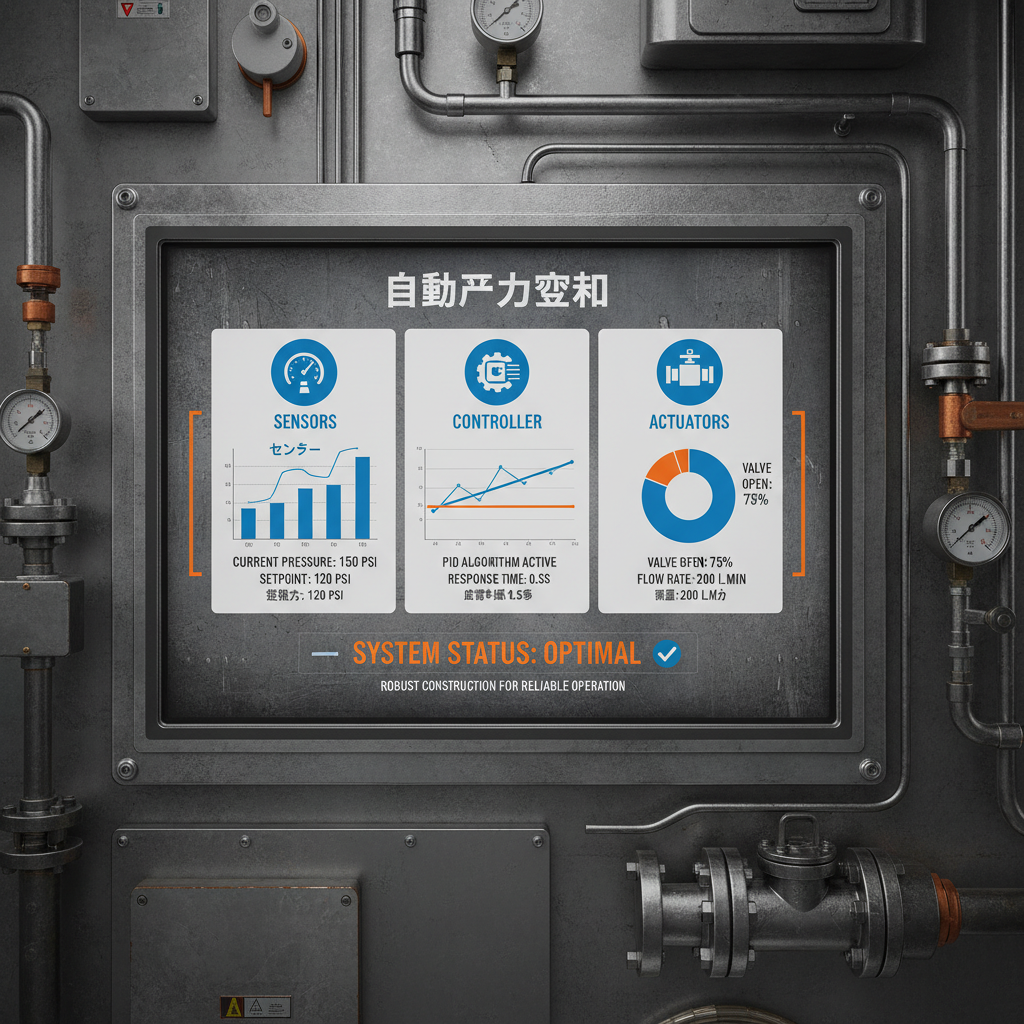
自動圧力制御 systems operate based on a feedback loop. A pressure sensor continuously monitors the system's pressure, sending a signal to a controller. The controller compares the measured pressure to a pre-defined setpoint. If there is a deviation, the controller adjusts a control valve or pump to increase or decrease the pressure, bringing it back to the desired level. This continuous monitoring and adjustment ensure stable and accurate pressure control. Different control algorithms, such as PID (Proportional-Integral-Derivative) control, are employed to optimize the response time and stability of the system. The precise selection of components and tuning of the control algorithm are key to achieving optimal performance.
Key Components: Pressure Sensors, Controllers (PLC, Microcontroller), Control Valves, Pumps, Actuators, Feedback Mechanism
Benefits of Implementing 自動圧力制御
Implementing 自動圧力制御 offers numerous advantages. These include improved process efficiency, reduced waste, enhanced product quality, increased safety, and lower operational costs. By maintaining consistent pressure, you can minimize variations in the production process, leading to more uniform product characteristics. Automated control also reduces the need for manual intervention, freeing up personnel for other tasks and minimizing the risk of human error. Furthermore, accurate pressure control can extend the lifespan of equipment by preventing overpressure situations and reducing stress on components. Investing in automatic pressure control systems translates into long-term cost savings and operational improvements.
Key Benefits:
• Improved process efficiency and product quality
• Reduced waste and operational costs
• Enhanced safety and equipment lifespan
• Minimized manual intervention and human error
Applications of 自動圧力制御 Across Industries
自動圧力制御 systems are used extensively across a diverse range of industries. In the chemical processing industry, they maintain precise pressure in reactors and pipelines. In the oil and gas sector, they control pressure in pipelines, storage tanks, and wellheads. The manufacturing industry relies on these systems for hydraulic presses, pneumatic systems, and injection molding machines. Water treatment plants use 自動圧力制御 to regulate pressure in distribution networks. Even in food and beverage processing, maintaining accurate pressure is vital for ensuring consistent product quality and safe operation. The versatility of these systems makes them indispensable in numerous critical applications.
Comparing 自動圧力制御 Systems: Pneumatic vs. Hydraulic vs. Electronic
Different types of 自動圧力制御 systems exist, each with its strengths and weaknesses. Pneumatic systems are cost-effective and suitable for low-to-medium pressure applications. Hydraulic systems offer high force and precision, making them ideal for heavy-duty applications. Electronic systems provide the highest level of accuracy and control, with features like remote monitoring and data logging. The choice depends on the specific application requirements, budget, and desired level of performance. BJYWLX specializes in providing tailored 自動圧力制御 solutions to meet diverse industrial needs.
Key Considerations When Selecting a 自動圧力制御 System
Selecting the right 自動圧力制御 system requires careful consideration of several factors. These include the operating pressure range, fluid compatibility, environmental conditions, required accuracy, and budget constraints. It's crucial to choose components that are compatible with the process fluid and can withstand the operating temperature and pressure. Proper sizing of the control valve and pump is essential for achieving optimal performance. Regular maintenance and calibration are also vital for ensuring long-term reliability and accuracy. Consult with experienced engineers and system integrators to ensure you select a system that meets your specific requirements.
Conclusion: Optimizing Operations with 自動圧力制御
Investing in a robust and reliable 自動圧力制御 system is a strategic decision that can yield significant benefits for any industry. From improved efficiency and product quality to enhanced safety and reduced costs, the advantages are undeniable. By carefully considering your specific requirements and partnering with experienced professionals, you can implement a system that optimizes your operations and drives long-term success.
Frequently Asked Questions (FAQs)
What maintenance is required for an 自動圧力制御 system?
Regular maintenance is crucial for ensuring the long-term reliability of an 自動圧力制御 system. This includes periodic calibration of pressure sensors, inspection of control valves and pumps, and cleaning of filters. It’s also important to check for leaks and corrosion. A preventative maintenance schedule should be established and followed diligently. Depending on the application, annual or bi-annual professional inspections are recommended. Addressing minor issues promptly can prevent costly repairs and downtime.
What is the typical response time of an 自動圧力制御 system?
The response time of an 自動圧力制御 system varies depending on several factors, including the system's complexity, the size of the control valve, and the control algorithm used. Generally, a well-tuned system can achieve a response time of seconds to minutes. Factors like fluid viscosity and pipeline length can also influence the response time. Optimizing the control algorithm and selecting appropriate components are critical for achieving fast and accurate pressure control.
Can 自動圧力制御 systems be integrated with other automation systems?
Yes, 自動圧力制御 systems can be seamlessly integrated with other automation systems, such as SCADA (Supervisory Control and Data Acquisition) and DCS (Distributed Control Systems). This integration enables remote monitoring, data logging, and centralized control. Communication protocols like Modbus, Profibus, and Ethernet/IP are commonly used for integration. Integration with other systems allows for optimized process control and improved overall efficiency.
-
Ship Multi-Project Equipment on the Lantern FestivalNewsMar.03,2026
-
YWLX Deep Dives into Cladding Line with Dubai ClientNewsDec.22,2025
-
1450mm 6-Hi Reversing Mill Goes Live in BangladeshNewsOct.28,2025
-
Sep. 3rd Parade: Carry Forward and Press OnNewsSep.03,2025
-
Indian Clients Visit YWLX to Inspect Skin-pass MillNewsJun.22,2025
-
Full- throttle! YWLX's Intense Production During May DayNewsMay.01,2025
-
YWLX Participated in the 2025 Chinese GAP Program Review ConferenceNewsApr.17,2025