Optimizing Industrial Processes with Advanced Tension Management Systems
Understanding Tension Management: A Guide to Optimal Industrial Applications
In numerous industrial processes, precise tension management is crucial for ensuring product quality, operational efficiency, and overall system reliability. From web handling in printing and packaging to winding operations in textiles and plastics, controlling the tension of materials is paramount. This article provides a comprehensive overview of tension management principles, techniques, and the benefits of implementing effective systems. Mastering управление натяжением can significantly reduce waste, improve production rates, and extend equipment lifespan.
Why is Tension Management Important?
Effective tension management directly impacts several key areas of industrial operations. Inconsistent tension can lead to material defects, such as wrinkles, stretching, or breakage. These defects result in wasted materials, increased rework, and reduced product quality. Furthermore, improper tension places undue stress on machinery components, accelerating wear and tear, leading to costly downtime and maintenance. By implementing precise tension control systems, manufacturers can optimize their processes, minimize waste, and maximize profitability.
Key Benefits: Reduced material waste, improved product quality, minimized downtime, extended equipment lifespan, and increased production efficiency.
Understanding Different Tension Control Methods
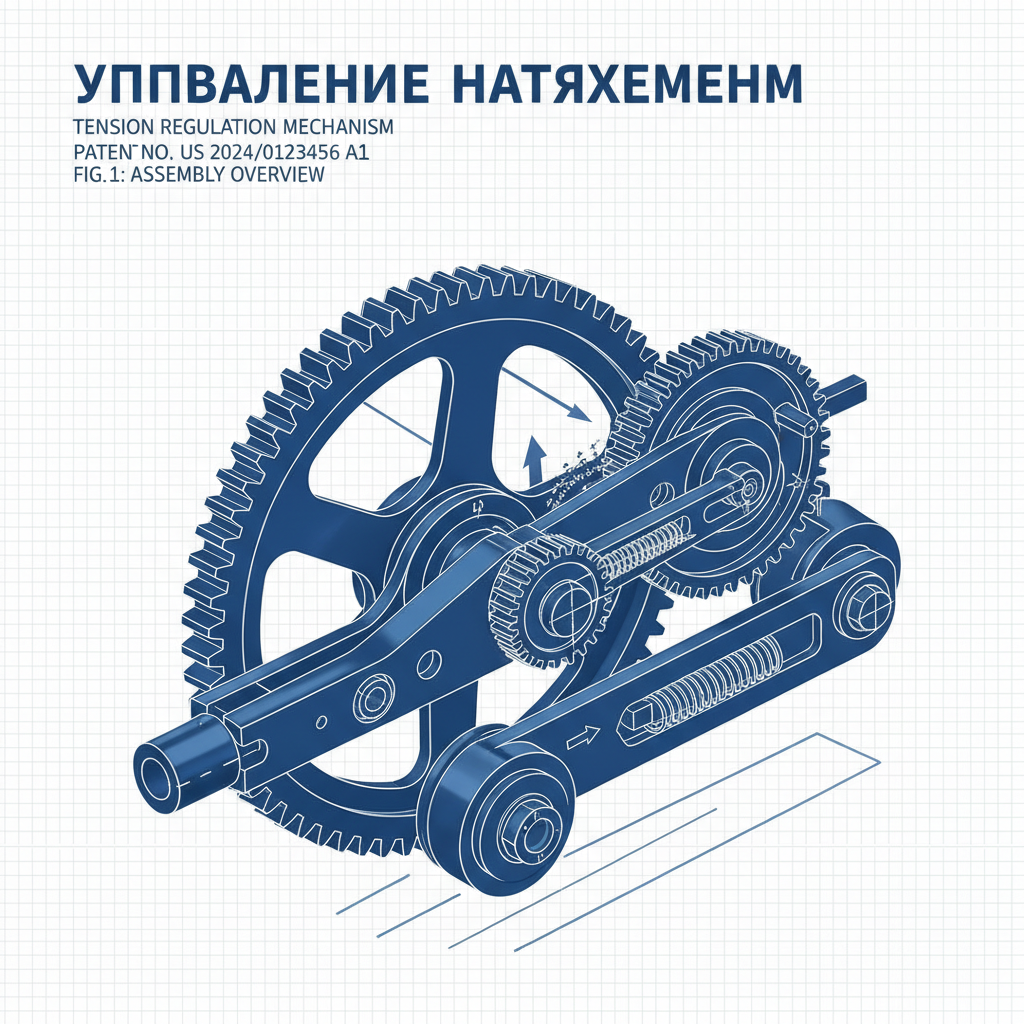
Several techniques are employed for управление натяжением, each suited to different applications. Open-loop control relies on pre-set parameters and does not account for variations in material properties or process conditions. Closed-loop control, on the other hand, utilizes sensors to continuously monitor tension and adjust accordingly, providing much greater precision and consistency. Other methods include dancer roll systems, magnetic particle brakes and clutches, and pneumatic tensioners. The selection of the appropriate method depends on the specific requirements of the application, including the type of material, desired tension levels, and operating speed.
Tension Control Method Comparison:
• Open-Loop: Simple, cost-effective, less accurate.
• Closed-Loop: Precise, adaptable, higher initial cost.
• Dancer Roll: Mechanically stabilizes tension, suitable for varying speeds.
• Magnetic Particle: Smooth, precise control, ideal for demanding applications.
Key Components in a Tension Control System
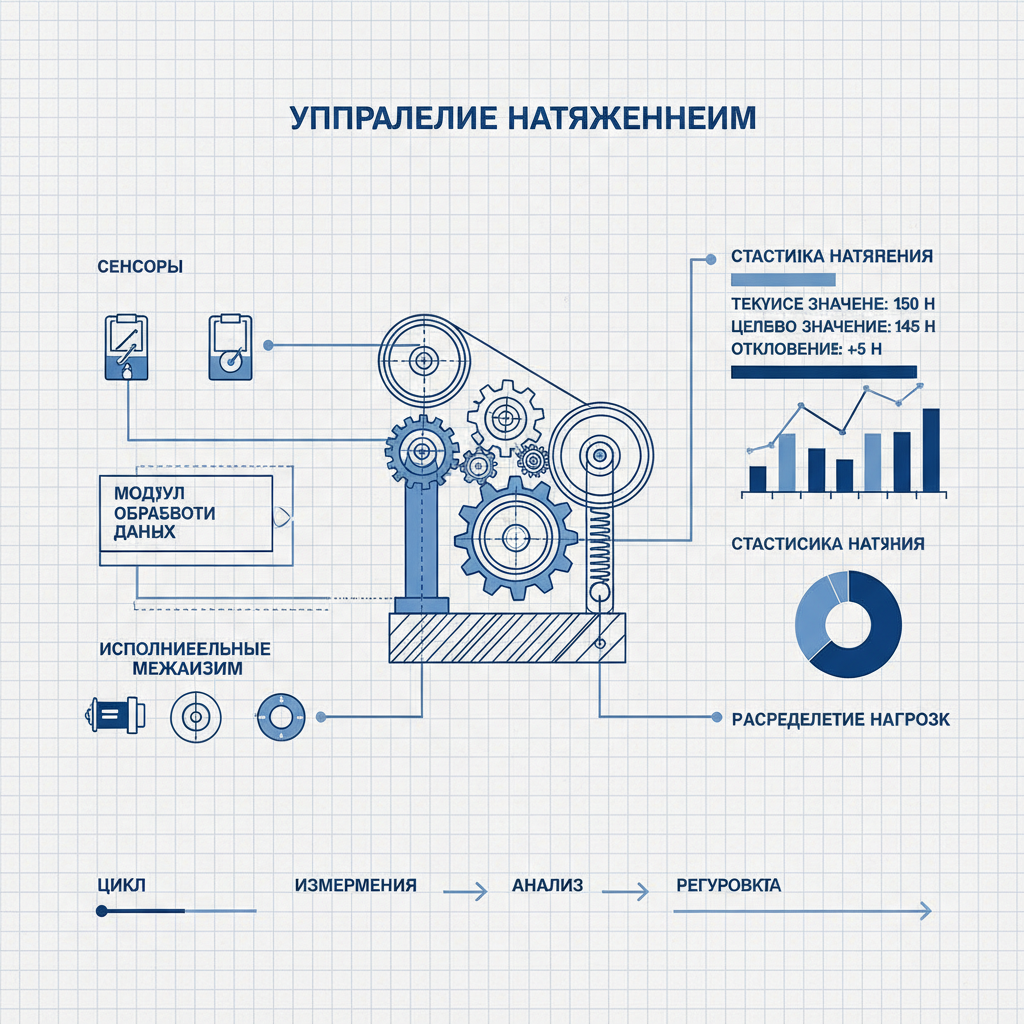
A robust tension control system typically consists of several key components. These include tension sensors, which accurately measure the force applied to the material; controllers, which process the sensor data and generate control signals; and actuators, such as brakes, clutches, or drives, which adjust the tension based on the controller's output. Effective communication between these components is critical for achieving optimal performance. Modern systems often integrate with Programmable Logic Controllers (PLCs) for seamless integration with existing automation infrastructure.
Applications of Precise управление натяжением
The benefits of effective tension control extend to a wide variety of industries. In the printing and packaging sector, it ensures consistent print quality and prevents material deformation. Textile manufacturing relies on accurate tension control during winding and weaving processes to maintain fabric integrity. The plastics industry utilizes tension control in film extrusion and converting operations to achieve precise thickness and width. Furthermore, industries such as paper production, steel processing, and cable manufacturing all benefit from optimized tension management systems.
Selecting the Right Tension Control System for Your Needs
Choosing the optimal tension control system requires careful consideration of several factors. The type of material being handled, the desired tension levels, the operating speed, and the overall process requirements all play a crucial role. Working with a reputable supplier, like BJYWLX, can provide valuable expertise and guidance in selecting the most appropriate solution. A thorough assessment of your specific needs will ensure a successful implementation and maximize the benefits of управление натяжением.
Conclusion: The Importance of Investing in Tension Control
Investing in a robust tension control system is a strategic decision that can yield significant returns. By optimizing material handling, improving product quality, and minimizing downtime, manufacturers can achieve substantial cost savings and gain a competitive advantage. BJYWLX offers a comprehensive range of tension control solutions tailored to meet the diverse needs of various industries.
Frequently Asked Questions (FAQs)
What are the common causes of inconsistent tension?
Inconsistent tension can arise from several factors, including variations in material properties (thickness, width, density), fluctuations in operating speed, improper winding or unwinding techniques, and wear and tear on equipment components. External disturbances, such as vibrations or temperature changes, can also contribute to tension instability. Regular maintenance, proper material handling procedures, and the implementation of a closed-loop tension control system can help mitigate these issues.
How can I determine the optimal tension level for my application?
Determining the optimal tension level often involves a combination of theoretical calculations and practical experimentation. Factors to consider include the material's tensile strength, its sensitivity to stretching or wrinkling, and the operating speed of the process. Starting with a conservative tension setting and gradually increasing it while monitoring material behavior is a common approach. Consulting with an expert in tension control can provide valuable insights and guidance.
What maintenance is required for a tension control system?
Regular maintenance is crucial for ensuring the long-term reliability of a tension control system. This includes inspecting and cleaning sensors, checking the calibration of controllers, lubricating moving parts, and replacing worn components. Following the manufacturer's recommended maintenance schedule and keeping detailed records of maintenance activities can help prevent unexpected downtime and extend the lifespan of the system.
-
Ship Multi-Project Equipment on the Lantern FestivalNewsMar.03,2026
-
YWLX Deep Dives into Cladding Line with Dubai ClientNewsDec.22,2025
-
1450mm 6-Hi Reversing Mill Goes Live in BangladeshNewsOct.28,2025
-
Sep. 3rd Parade: Carry Forward and Press OnNewsSep.03,2025
-
Indian Clients Visit YWLX to Inspect Skin-pass MillNewsJun.22,2025
-
Full- throttle! YWLX's Intense Production During May DayNewsMay.01,2025
-
YWLX Participated in the 2025 Chinese GAP Program Review ConferenceNewsApr.17,2025