Comprehensive Guide to ClosedLoop Tension Control for Enhanced Efficiency
Closed-Loop Tension Control: A Comprehensive Guide
Closed-loop tension control is a vital technology in numerous industrial applications, ensuring precise and consistent material handling. This system dynamically adjusts tension based on real-time feedback, optimizing processes and minimizing waste. Understanding the principles and benefits of closed-loop tension control is crucial for improving efficiency and quality in sectors like web processing, printing, and packaging. We will explore its components, advantages, and how it compares to open-loop systems.
What is Closed-Loop Tension Control?
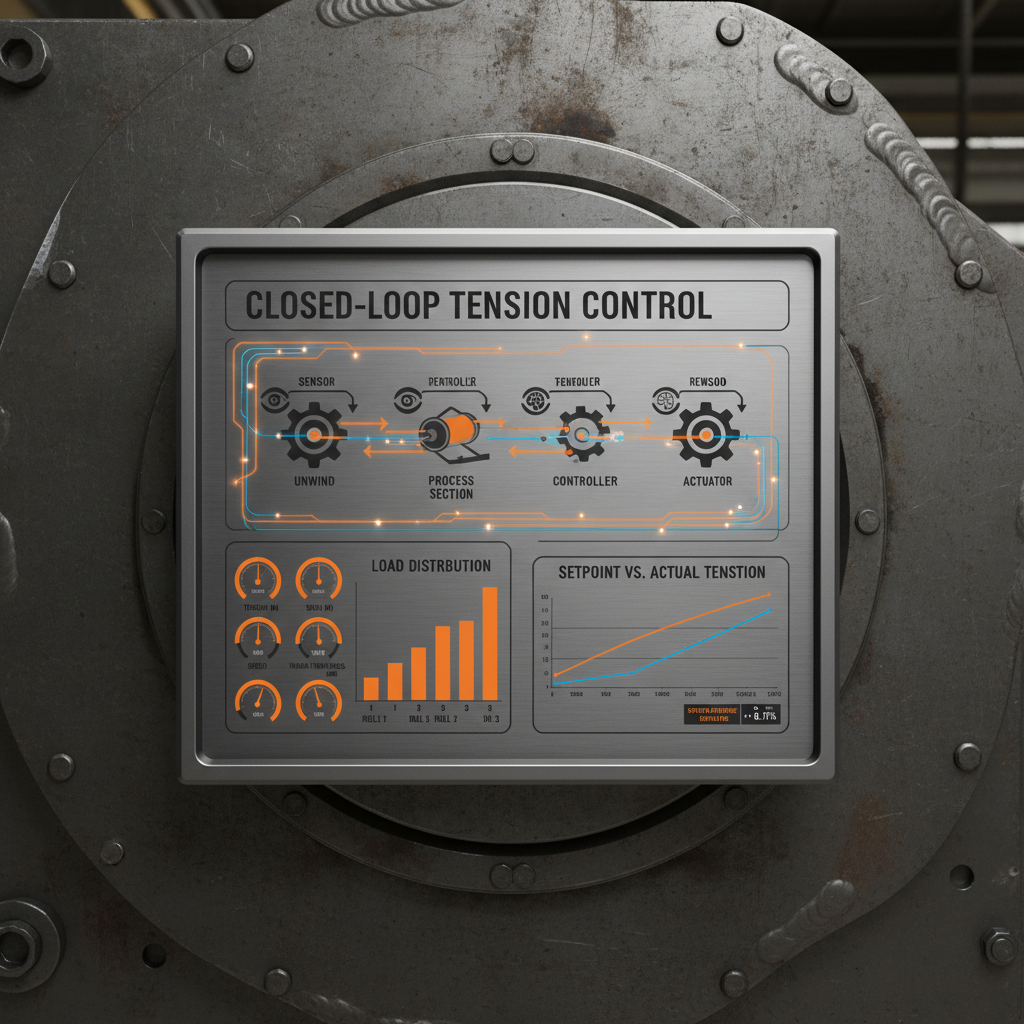
Closed-loop tension control, also known as feedback tension control, is a system that maintains a desired tension level in a material—like paper, film, or fabric—by constantly monitoring and adjusting based on real-time measurements. Unlike open-loop systems which rely on pre-set parameters, closed-loop systems actively respond to variations, guaranteeing consistent tension even when external factors change. This is achieved by utilizing sensors to measure tension, a controller to process the information, and actuators to make adjustments. The cycle of measurement, analysis, and adjustment creates a continuous "loop" for precise control. BJYWLX provides cutting-edge solutions in closed-loop tension control.
Key Highlights: Utilizes sensors, controllers, and actuators for dynamic tension adjustments. Maintains consistent tension despite external variations, increasing quality and efficiency.
Components of a Closed-Loop Tension Control System
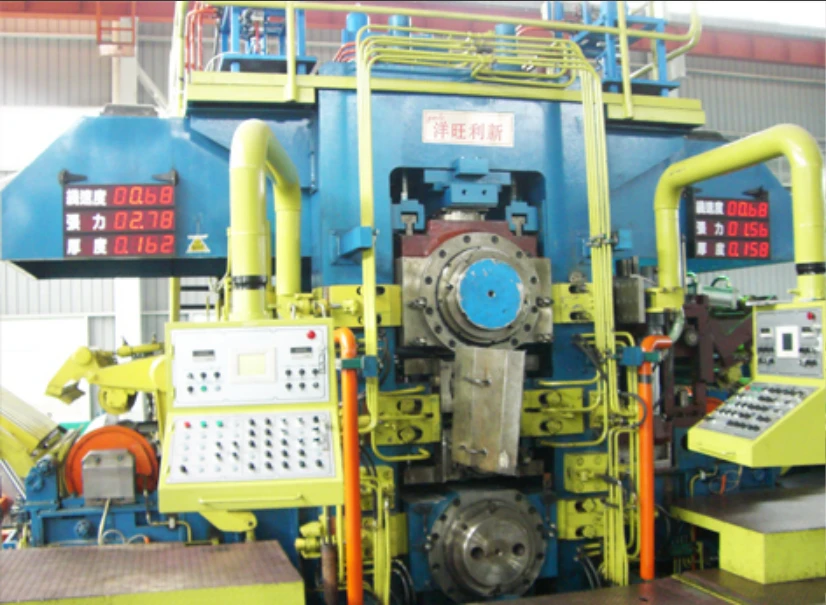
A typical closed-loop tension control system consists of several key components: Tension Sensor: Measures the actual tension in the web. These can be load cells, transducers, or other specialized sensors. Controller: Compares the measured tension to the desired setpoint and calculates the necessary adjustment. This often involves a PID (Proportional-Integral-Derivative) controller. Actuator: Executes the controller's commands by adjusting braking or driving mechanisms. This could be a magnetic powder brake, a servo motor, or a pneumatic cylinder. Setpoint: The desired tension level. This can be manually set or automatically adjusted based on process requirements.
Component Breakdown:
• Tension Sensor: Accurate measurement is critical.
• Controller: PID control provides precise adjustments.
• Actuator: Responsive action for real-time control.
Closed-Loop vs. Open-Loop Tension Control
The primary difference between closed-loop and open-loop tension control lies in feedback. Open-loop systems operate based on pre-programmed settings without monitoring actual tension. While simpler and cheaper, they are susceptible to inaccuracies caused by variations in material properties, speed, or environmental conditions. Closed-loop systems, conversely, continuously monitor and adjust, ensuring consistent tension regardless of these variables. This responsiveness is essential for high-quality production.
Applications of Closed-Loop Tension Control
Closed-loop tension control finds application across a diverse range of industries, including: Web Processing: Maintaining consistent tension during printing, coating, and laminating. Packaging: Ensuring accurate film and label application. Textile Manufacturing: Controlling tension during winding and unwinding of fabrics. Paper Industry: Precise control of paper tension in converting processes. The ability to maintain consistent tension results in fewer defects, reduced material waste, and increased productivity.
Selecting the Right Closed-Loop Tension Control System
Choosing the right system requires careful consideration of your specific application. Factors to evaluate include: Material Type: The type of material being handled will influence the choice of sensors and actuators. Web Width & Speed: Larger and faster webs require more sophisticated control systems. Accuracy Requirements: Higher precision applications demand more accurate sensors and controllers. BJYWLX offers customized solutions to meet these diverse needs.
Conclusion: Enhancing Efficiency with Closed-Loop Control
Investing in closed-loop tension control is a strategic decision that can significantly enhance process efficiency, reduce waste, and improve product quality. By accurately maintaining tension, these systems contribute to a more reliable and cost-effective operation. Partnering with experienced providers like BJYWLX ensures you receive a tailored solution that meets your specific requirements.
Frequently Asked Questions (FAQs)
What are the benefits of using a closed-loop system over an open-loop system?
Closed-loop systems offer significantly improved accuracy and consistency compared to open-loop systems. Open-loop systems rely on pre-set values, making them vulnerable to variations in material properties, speed, or environmental conditions. Closed-loop systems continuously monitor and adjust tension based on real-time feedback, ensuring precise control regardless of these changes. This results in reduced material waste, improved product quality, and increased overall efficiency. This adaptability is the key advantage of closed-loop systems.
How do I determine the appropriate tension setpoint for my application?
Determining the optimal tension setpoint requires considering the material being handled, the web speed, and the specific process requirements. It’s best to start with the material manufacturer's recommendations as a baseline. Then, conduct testing and adjust the setpoint incrementally while monitoring the results. Key indicators to watch for include web breaks, wrinkles, and dimensional inconsistencies. An experienced engineer can assist in fine-tuning the setpoint for optimal performance.
What maintenance is required for a closed-loop tension control system?
Regular maintenance is crucial for ensuring the long-term reliability of a closed-loop system. This includes periodic inspection of sensors for accuracy and proper calibration. Actuators should be checked for wear and tear, and connections should be verified for tightness. It’s also important to keep the system clean and free from dust and debris. Following the manufacturer's recommended maintenance schedule is essential. BJYWLX offers comprehensive maintenance services.
Can closed-loop tension control be integrated with existing machinery?
Yes, in many cases, closed-loop tension control systems can be retrofitted to existing machinery. The feasibility of integration depends on the machinery's design and capabilities. A thorough assessment is required to determine the necessary modifications and ensure compatibility. BJYWLX specializes in providing customized integration solutions to seamlessly incorporate closed-loop tension control into existing production lines.
-
Ship Multi-Project Equipment on the Lantern FestivalNewsMar.03,2026
-
YWLX Deep Dives into Cladding Line with Dubai ClientNewsDec.22,2025
-
1450mm 6-Hi Reversing Mill Goes Live in BangladeshNewsOct.28,2025
-
Sep. 3rd Parade: Carry Forward and Press OnNewsSep.03,2025
-
Indian Clients Visit YWLX to Inspect Skin-pass MillNewsJun.22,2025
-
Full- throttle! YWLX's Intense Production During May DayNewsMay.01,2025
-
YWLX Participated in the 2025 Chinese GAP Program Review ConferenceNewsApr.17,2025