Work roll quality standards
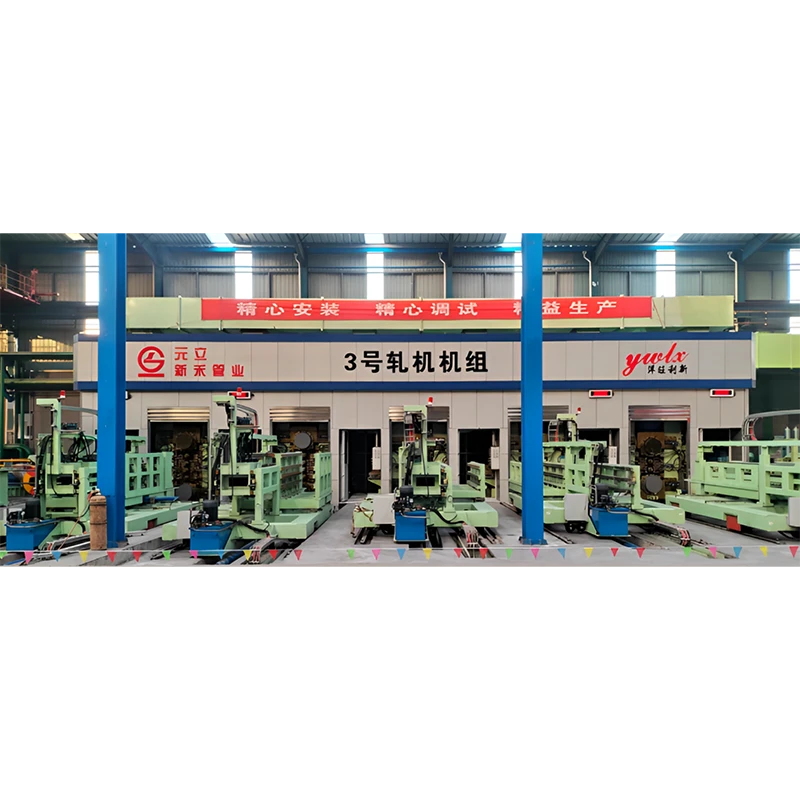
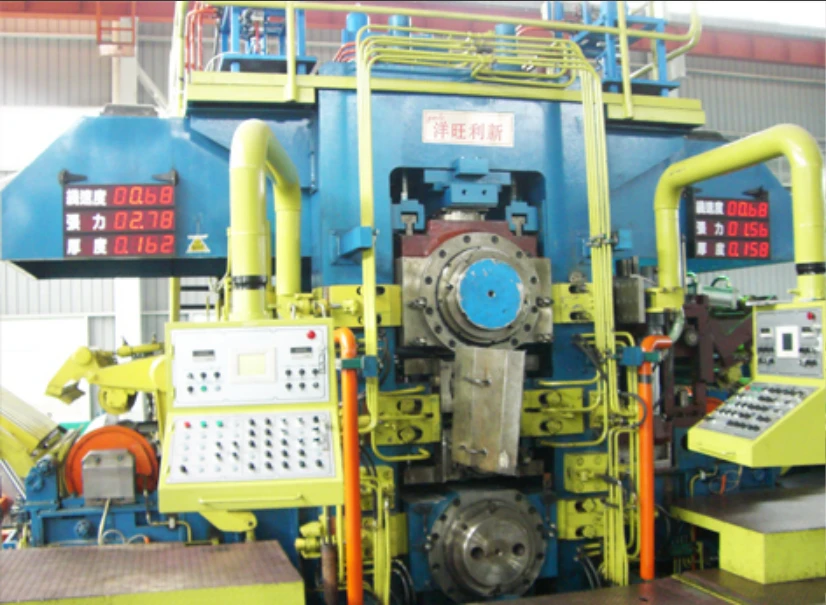
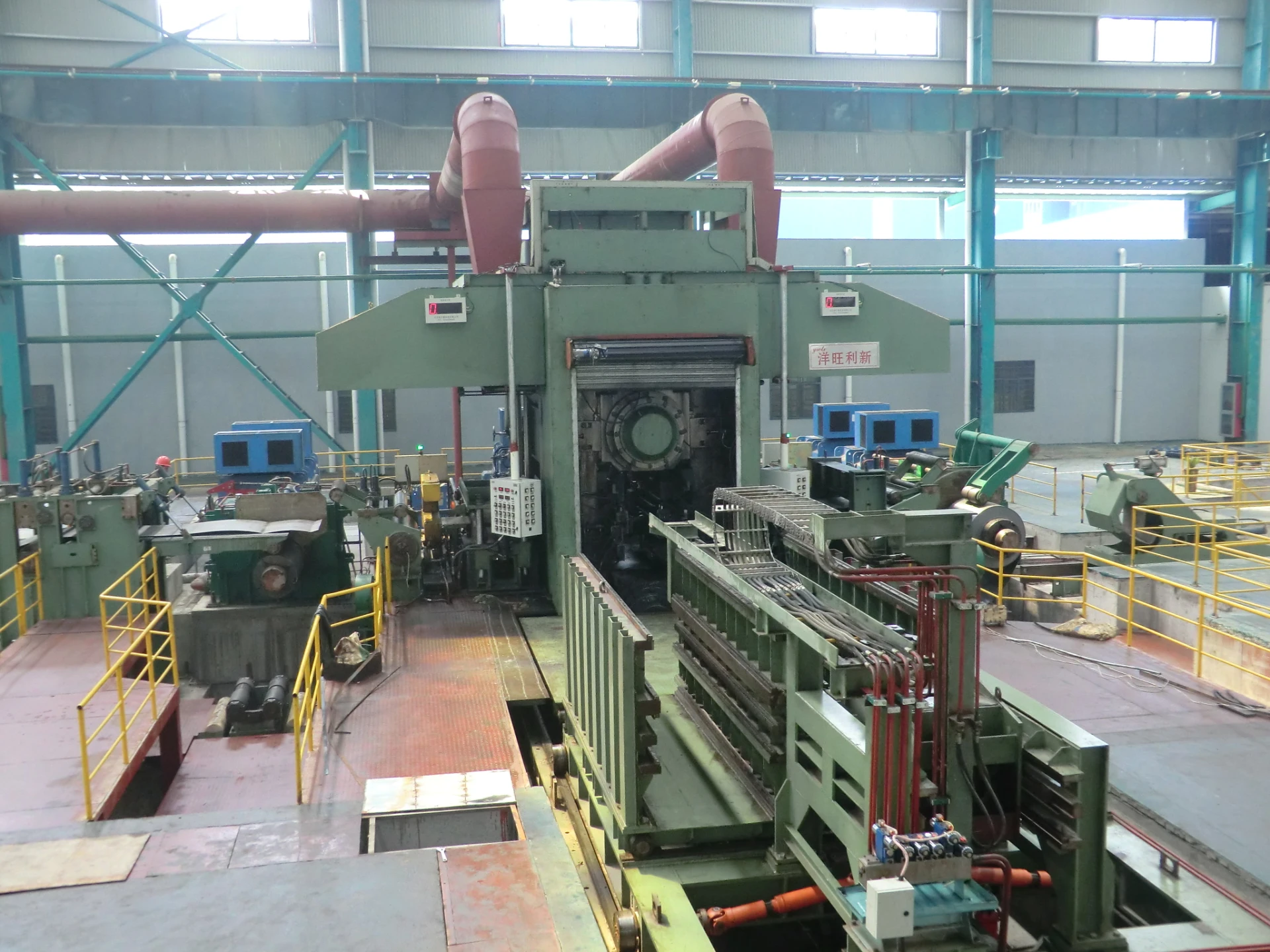
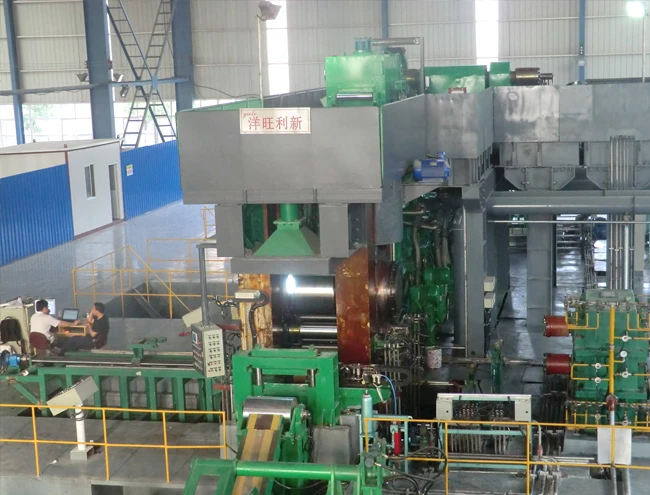
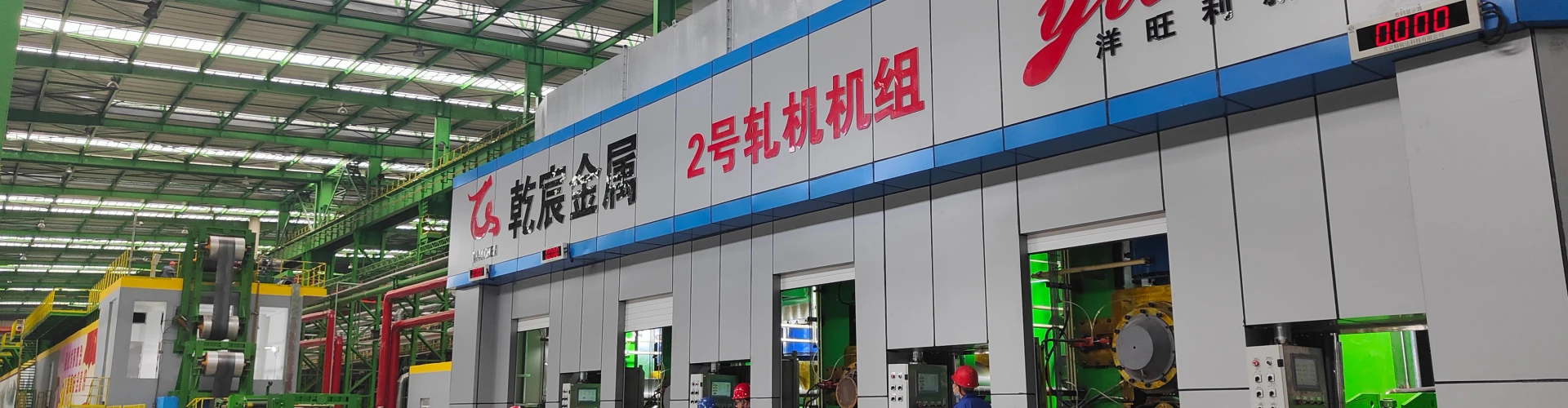
In the metallurgical rolling process, work rolls serve as the direct contact component with the steel strip, and their quality standards directly determine the surface precision, mechanical properties, and production efficiency of the finished product. Establishing and adhering to strict work roll quality standards is therefore a core requirement for modern rolling lines, especially for high-efficiency equipment such as tandem cold mills. Yang Wang Li Xin (YWLX), Established in 2003, is a preeminent professional turn-key project provider specializing in metallurgical rolling machinery for the iron, steel, and non-ferrous industries. The company offers comprehensive consultation, design, manufacturing, installation, and commissioning solutions, with a deep focus on optimizing the quality of work roll, backup roll, and intermediate roll to match its advanced rolling equipment. YWLX, combining the global latest technology of five stands tandem cold mill, has developed a new five stand tandem cold mill equipped with double tension reels, flying shear and Magnetic conveyor belt, which features big reduction rate, full continuity, high yield with less investment and low cost. The mill uses a new rolling process to produce cold rolling steel strips, especially for wide steel strips and zinc galvanizing basic plates—its stable performance relies heavily on the strict quality control of various rolls, among which work roll quality is the top priority.
Work Roll Core Quality Standards for Rolling Precision
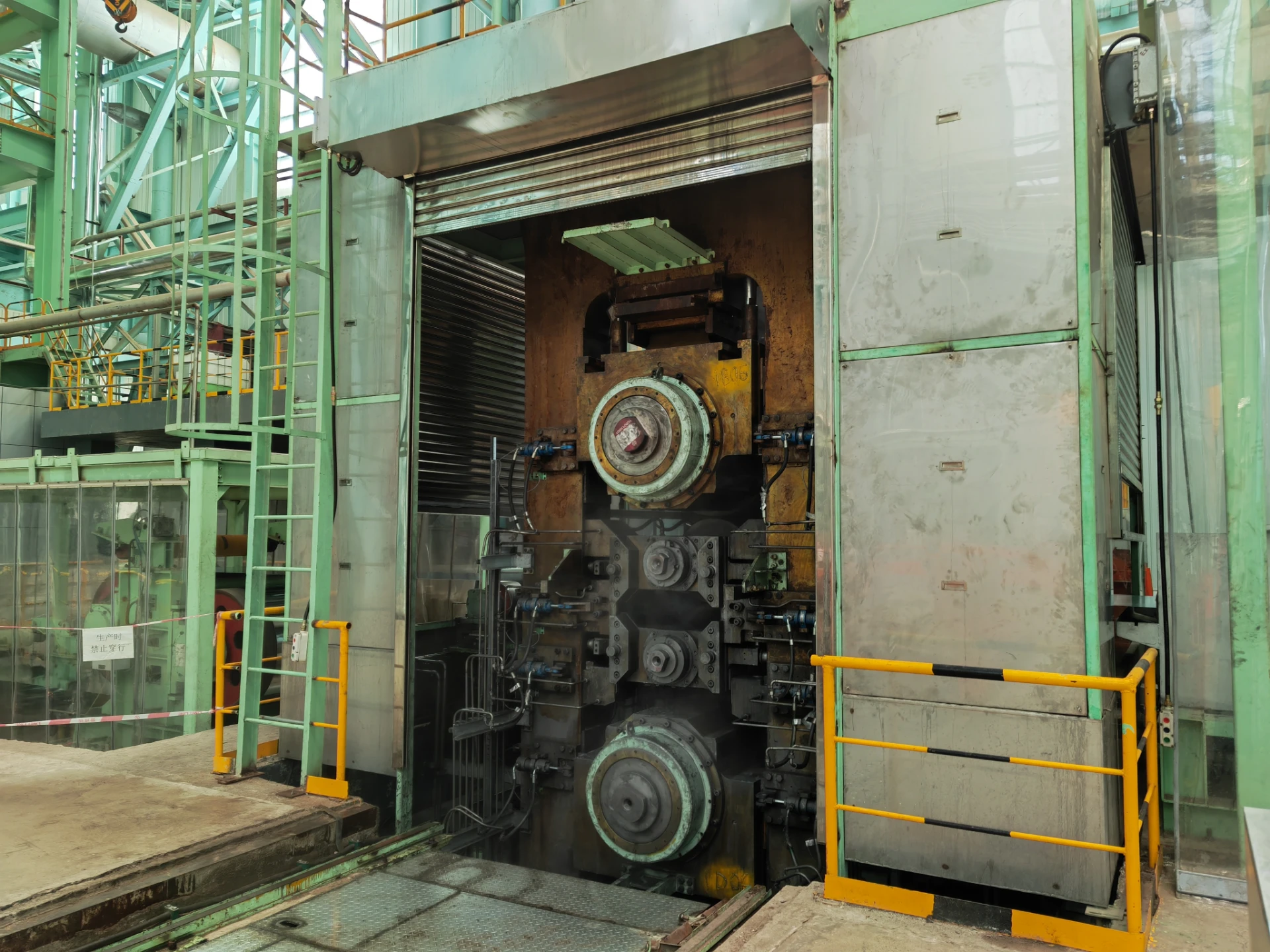
- Work roll material selection follows rigorous standards at YWLX. For the new five-stand tandem cold mill, we adopt high-chromium cast iron (Cr12-Cr15) for work rolls, which offers excellent wear resistance and toughness, ensuring the roll maintains stable performance during long-term continuous rolling of wide steel strips.
- Surface precision is a key indicator of work roll quality. YWLX uses laser profilometers to detect work roll surface roughness (Ra ≤ 0.2μm) and roundness (tolerance ≤ 0.01mm), avoiding surface defects such as scratches or pits that could transfer to the galvanizing basic plate.
- Dimensional accuracy of work roll is strictly controlled. The roll diameter tolerance is limited to ±0.02mm, and the straightness error does not exceed 0.01mm/m. This ensures uniform rolling force distribution, critical for preventing uneven thickness in wide steel strips processed by the tandem mill.
Backup Roll Quality Support for Work Roll Stability
- Backup roll provides rigid support for work rolls, so its core quality lies in high rigidity. YWLX’s backup rolls are made of forged steel with a quenched and tempered surface, ensuring a hardness of HRC 50-55, which resists deformation under the 8000KN rolling force of the tandem cold mill.
- Surface hardness uniformity of backup roll is essential. We use induction hardening technology to ensure the hardness difference across the roll surface is within ±2HRC, avoiding localized wear that would cause work roll deflection and affect strip flatness.
- The between backup roll and work roll is strictly calibrated. The roll neck clearance is controlled at 0.03-0.05mm, ensuring smooth rotation without vibration—this stability is vital for the continuous rolling process of the five-stand mill.
Intermediate Roll Quality Synergy for Complex Rolling Needs
- Intermediate Roll in the tandem mill plays a role in adjusting roll profile, so its roll shape design meets precise quality standards. YWLX adopts parabolic roll profiles for intermediate rolls, with a crown tolerance of ±0.005mm, adapting to the width variation of steel strips (1150mm-1800mm) processed by the mill.
- Wear resistance of intermediate roll is optimized through composite material technology. The roll surface is coated with WC (tungsten carbide) to extend service life by 50% compared to traditional rolls, reducing downtime for roll changes in the continuous production line.
- Intermediate roll’s material matches that of work rolls. We select nodular cast iron for intermediate rolls, which has similar thermal expansion coefficient to the work roll’s high-chromium cast iron, avoiding thermal stress during high-speed rolling.
Work Roll Quality Standards FAQS
How does work roll quality affect the surface of zinc galvanizing basic plates?
Work roll directly contacts the steel strip surface. If the roll has surface defects (e.g., scratches) or uneven roughness, these will be replicated on the galvanizing basic plate, causing coating unevenness. Our strict surface precision standards (Ra ≤ 0.2μm) ensure the basic plate has a smooth surface, which is critical for subsequent galvanizing quality—this is verified in the operation of our five-stand tandem mill.
What is the relationship between backup roll quality and work roll service life?
Poor backup roll rigidity or uneven hardness will cause uneven stress on the work roll, leading to localized overwear or even roll breakage. YWLX’s high-rigidity forged steel backup rolls evenly distribute the rolling force, extending the work roll service life from 15 days to 22 days in the five-stand mill, reducing replacement costs.
Why is intermediate roll roll shape design important for wide steel strip rolling?
Wide steel strips (≥1550mm) are prone to edge thinning during rolling. intermediate roll’s parabolic roll profile compensates for the work roll’s deflection, ensuring uniform pressure across the strip width. Our precise crown control (±0.005mm) for intermediate rolls has reduced edge thickness deviation of wide strips by 70% in client production lines.
How does YWLX ensure work roll quality meets the requirements of the new tandem cold mill?
We implement a three-stage quality control system: raw material inspection (spectrometer for chemical composition), processing inspection (CNC grinding with 0.001mm precision), and final inspection (ultrasonic testing for internal defects). Each work roll for the tandem mill comes with a quality traceability report, ensuring compliance with our standards.
Can work roll quality standards be adjusted for different non-ferrous metal rolling needs?
Yes. For non-ferrous strips (e.g., aluminum-zinc), we adjust work roll standards: using softer material (Cr8-Cr10) to avoid strip scratching and increasing surface roughness (Ra 0.3-0.5μm) for better tension control. This flexibility is part of our turn-key solutions, adapting to diverse metallurgical needs beyond steel.
-
Ship Multi-Project Equipment on the Lantern FestivalNewsMar.03,2026
-
YWLX Deep Dives into Cladding Line with Dubai ClientNewsDec.22,2025
-
1450mm 6-Hi Reversing Mill Goes Live in BangladeshNewsOct.28,2025
-
Sep. 3rd Parade: Carry Forward and Press OnNewsSep.03,2025
-
Indian Clients Visit YWLX to Inspect Skin-pass MillNewsJun.22,2025
-
Full- throttle! YWLX's Intense Production During May DayNewsMay.01,2025
-
YWLX Participated in the 2025 Chinese GAP Program Review ConferenceNewsApr.17,2025