Tempermill production scheduling
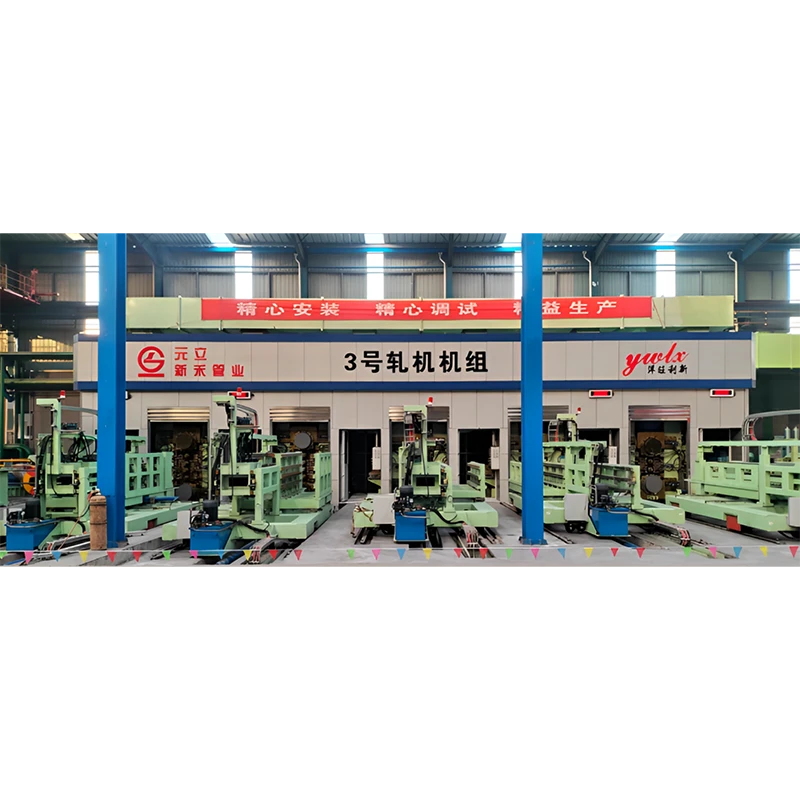
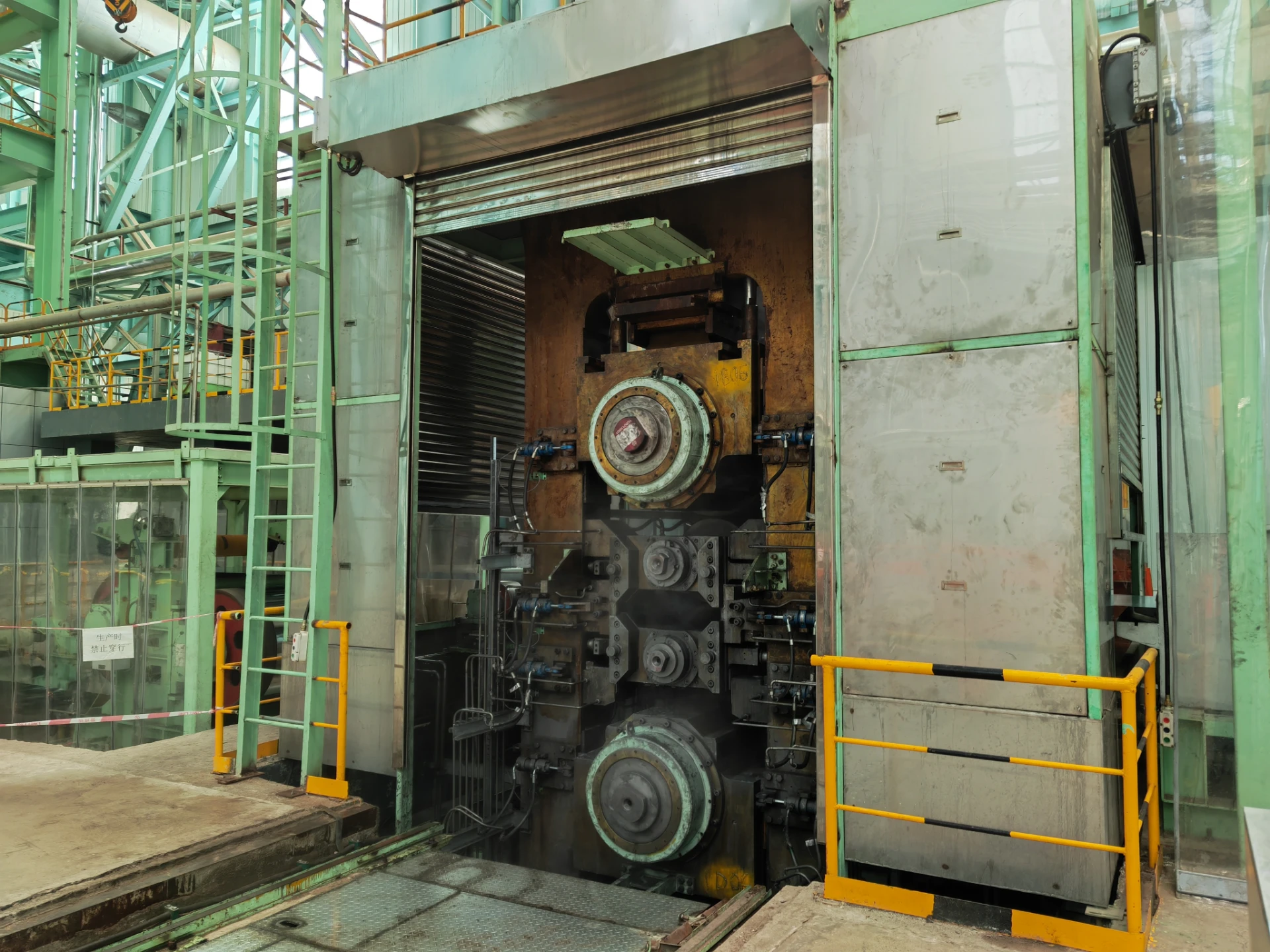
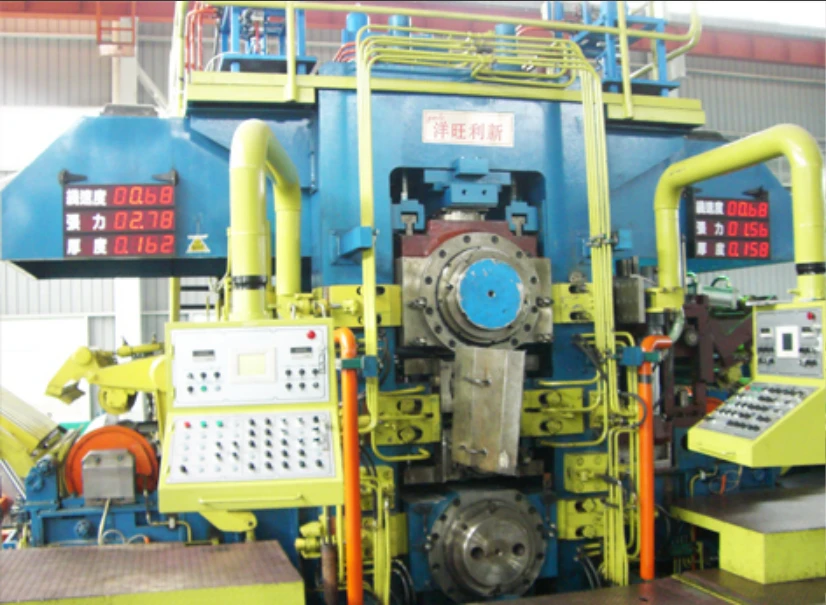
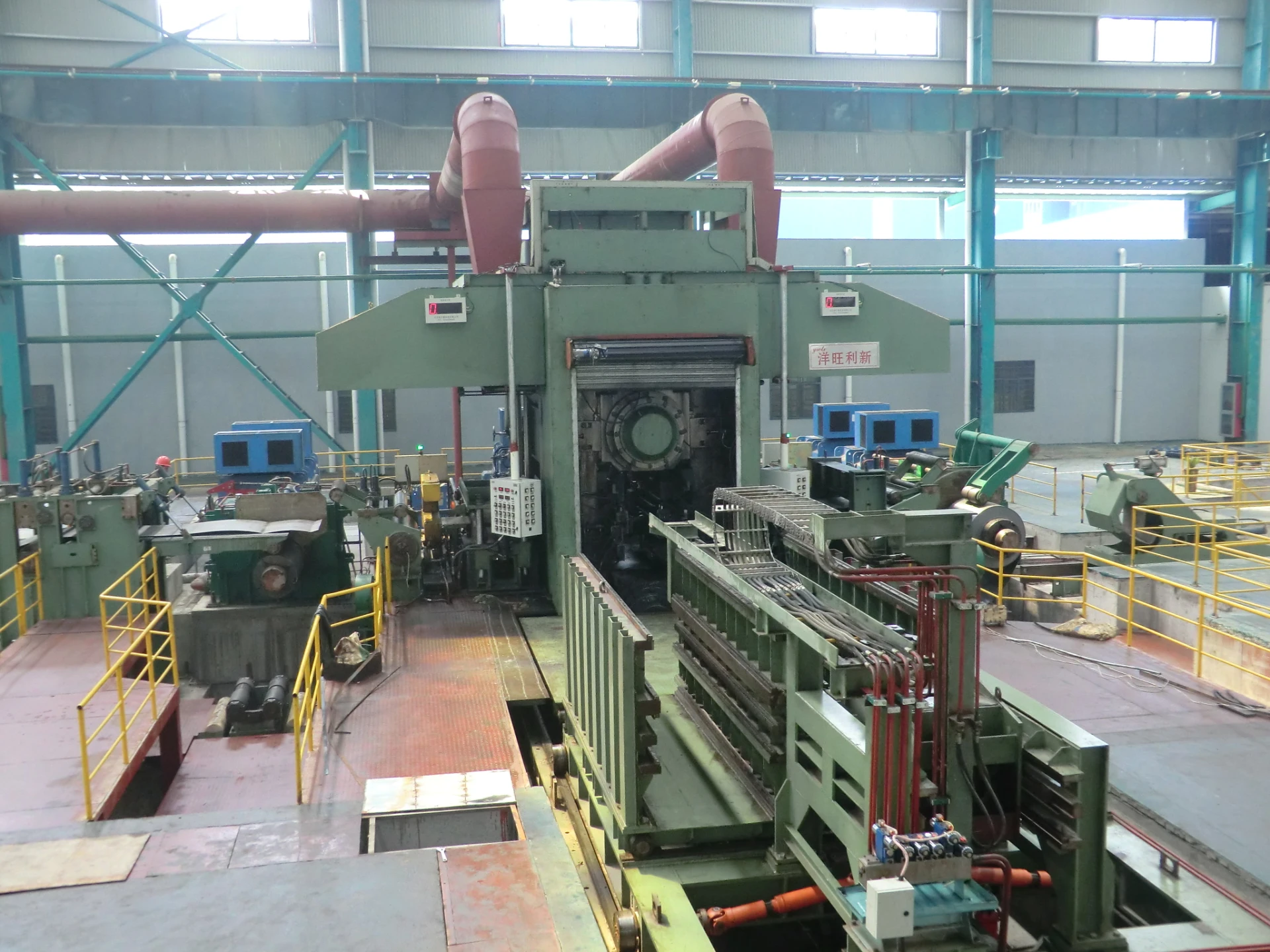
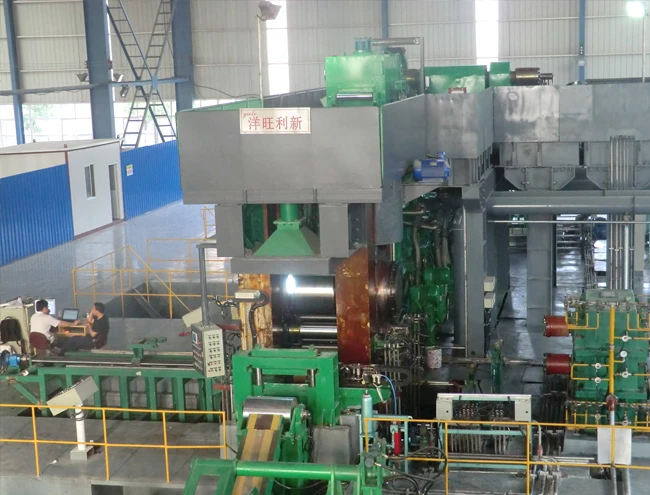
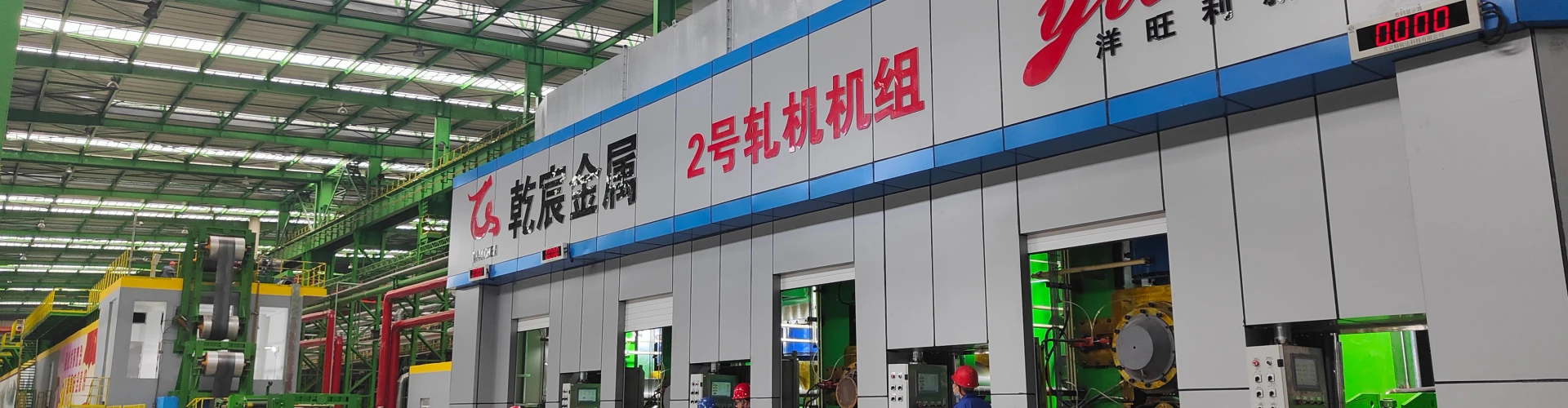
In the iron and steel industry, tempermill production scheduling serves as the backbone of efficient strip processing, directly influencing production efficiency, product quality, and overall operational costs. A well-designed scheduling system ensures that tempermills operate in harmony with upstream and downstream processes, maximizing equipment utilization while meeting diverse product requirements—especially as market demands shift toward smaller batches, higher customization, and tighter delivery timelines. Yang Wang Li Xin (YWLX), Established in 2003, is a preeminent professional turn-key project provider specializing in metallurgical rolling machinery for the iron, steel, and non-ferrous industries. With over 20 years of on-site experience, the company offers comprehensive consultation, design, manufacturing, installation, and commissioning solutions, with a focus on optimizing temper rolling, temper rolling process, and tempermill operations through scientific scheduling. Tempermills, as core equipment in strip processing lines, boast multiple key functions: Eliminating yield terrace to entirely improve the strip's mechanical properties and deep draw ability, which is critical for automotive and home appliance sheet applications; Promoting the cleanliness of the strip's surface or obtaining a certain roughness to enhance its processability for subsequent coating or stamping; Improving flatness and straightness to reduce waste in cutting and forming; And featuring soft reduction functionality to adjust the thickness and mechanical properties of the steel strip with micron-level precision. YWLX’s expertise in tempermill manufacturing—having supplied over 300 sets to clients in 28 countries—enables it to integrate scheduling optimization into equipment design, creating a seamless production ecosystem that has helped a leading Chinese steel mill increase tempermill throughput by 25% within six months of implementation.
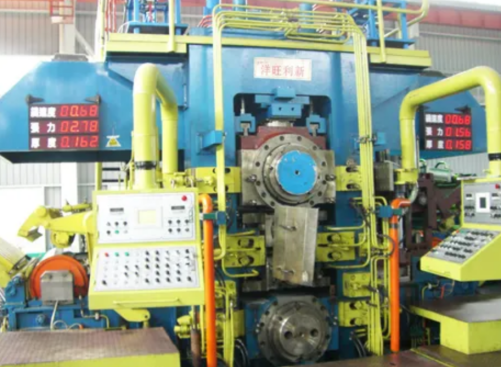
Temper Rolling Scheduling Core Value for Production Efficiency
- Temper rolling scheduling by YWLX prioritizes order grouping based on strip specifications. By grouping strips with similar thickness (within ±0.1mm), width (within ±50mm), and material properties (such as low-carbon vs. high-strength steel), the number of tempermill parameter adjustments is reduced by up to 60%. For example, a Hebei-based galvanizing plant using this strategy cut downtime by 18% compared to random scheduling, processing an additional 12,000 tons of strip annually without increasing equipment capacity.
- Temper rolling scheduling synchronizes with upstream galvanizing or pickling lines through YWLX’s proprietary MES (Manufacturing Execution System) integration. The intelligent system predicts upstream output timelines with a 92% accuracy rate, ensuring the tempermill is preheated and parameterized to process strips immediately upon arrival. This synchronization eliminated a 3-hour material buffer at a Jiangsu steel mill, reducing on-site inventory costs by approximately $40,000 per month.
- The company’s temper rolling scheduling accounts for equipment load balancing. It distributes high-demand orders (such as automotive-grade strip requiring strict flatness) across multiple tempermills (where available) to prevent continuous operation beyond 8-hour shifts. This practice reduced bearing replacement frequency by 30% at a multi-line facility in Guangdong, extending equipment lifespan from 5 years to 7 years while maintaining a steady production rhythm of 1,200 tons per day.
Temper Rolling Process Scheduling Parameters Optimization
- Temper rolling process scheduling focuses on rolling force adjustment efficiency. YWLX’s scheduling system pre-sets process parameters for over 50 common strip types, from mild steel for construction to galvanized sheet for HVAC. For instance, parameters for 0.8mm automotive galvanized strip (rolling force: 3,200KN; speed: 400m/min) are stored in the system, allowing the tempermill to switch from this order to a 1.2mm structural steel order in just 4 minutes, compared to 12 minutes with manual parameter input.
- Surface quality requirements guide temper rolling process scheduling. For strips needing specific roughness (Ra 1.2-1.8μm) for powder coating, the system prioritizes them during morning shifts when ambient temperature is most stable (20-22℃). Temperature fluctuations above ±3℃ can affect roll-surface interaction, so avoiding afternoon heat buildup ensures consistent surface treatment—this reduced surface defect rates from 1.5% to 0.3% for a Shandong-based color coating mill.
- Temper rolling process scheduling integrates soft reduction control. When strips require thickness fine-tuning (e.g., reducing 2.0mm strip to 1.95mm for precision parts), the system allocates dedicated 2-hour time slots. This avoids conflicting with orders needing only yield point elimination, as soft reduction requires slower speeds (150-200m/min vs. 350-450m/min for standard tempering). This optimization improved thickness precision from ±0.03mm to ±0.015mm for a Tianjin non-ferrous metal processor.
Tempermill Scheduling Adaptability to Diverse Demands
- Tempermill scheduling by YWLX adapts to small-batch, multi-variety orders—a common challenge for specialty steel producers. The system uses “family grouping” flexible batch processing, combining 5-10 small orders (5-20 tons each) with similar parameters (e.g., all 0.5-0.7mm stainless steel strip). For a Zhejiang specialty steel mill producing 20+ small orders daily, this strategy improved equipment utilization from 65% to 88% without compromising delivery times, which remained within 48 hours for urgent requests.
- The tempermill’s capacity is fully utilized through peak-shift scheduling. For urgent orders (e.g., a construction project needing 500 tons of flat steel within 3 days), the system adjusts non-critical tasks (such as low-priority inventory replenishment) to night shifts. A Henan steel mill used this approach to fulfill a rush order for the Zhengzhou Metro, delivering 2 days ahead of schedule while avoiding bottlenecks during 8:00-18:00 peak production periods.
- YWLX’s tempermill scheduling includes predictive maintenance integration. The system analyzes real-time data (vibration, temperature, rolling force fluctuations) to identify early wear signs, scheduling maintenance during low-demand periods (e.g., weekend mornings). A Liaoning hot rolling mill implemented this and reduced unexpected breakdowns by 70%, preventing production disruptions that previously cost $20,000 per hour in downtime.
Tempermill Production Scheduling FAQS
How does temper rolling scheduling affect the elimination of strip yield terrace?
Scientific temper rolling scheduling ensures the tempermill operates at stable parameters for each batch—critical for yield terrace elimination, which relies on consistent micro-plastic deformation. Sudden parameter changes (e.g., rolling force spiking from 2,500KN to 4,000KN) can create uneven deformation, leaving residual yield points. Our system groups strips with similar mechanical requirements (e.g., all automotive deep-drawing steel) and locks parameters during processing. A Shanghai auto sheet mill using this method saw stretcher strain defects drop from 8% to 0.2%, a core advantage of YWLX’s integrated scheduling and equipment solutions.
Can temper rolling process scheduling adapt to urgent orders with special surface requirements?
Yes. Our temper rolling process scheduling system has an urgent order priority module with three tiers (Level 1: 24-hour delivery; Level 2: 48-hour; Level 3: 72-hour). For Level 1 orders with special surface requirements (e.g., Ra 0.8μm for high-gloss coating), it pauses non-urgent tasks with dissimilar parameters, pre-loads the required roll texture settings, and allocates dedicated mill time. A Guangdong color coating client used this for a rush order from a home appliance brand, meeting the surface standard while delaying other orders by only 1.5 hours—well within acceptable limits.
What technologies support YWLX’s tempermill production scheduling?
We use AI-driven scheduling software integrated with real-time production data and IoT sensors. The core technology is a machine learning algorithm trained on 10+ years of tempermill operational data, which predicts bottlenecks 4-6 hours in advance. The system collects data from 12+ sensors per mill (measuring roll temperature, tension, vibration) and integrates with upstream/downstream MES systems. It also supports remote monitoring via a cloud platform—our technical team in Shijiazhuang recently assisted a Vietnamese steel mill in optimizing scheduling remotely, reducing their setup time by 22% without on-site visits.
How does temper rolling scheduling balance production efficiency and energy consumption?
Our temper rolling scheduling balances efficiency and energy consumption through two key strategies: First, it minimizes unnecessary mill startups (each startup uses 30% more energy than continuous operation) by grouping orders into 4-6 hour production blocks. Second, it optimizes run times—for example, scheduling high-energy tasks (e.g., thick strip tempering requiring 8,000KN force) during off-peak electricity hours (22:00-6:00) when rates are 40% lower in most Chinese regions. A Shanxi steel mill using this approach reduced energy usage by 11% per ton of strip, cutting monthly electricity costs by $35,000 while maintaining 98% on-time delivery.
Does YWLX provide training for tempermill scheduling operation?
As part of our turn-key service, we offer comprehensive, tiered training for tempermill scheduling operation. Tier 1 (operators) covers basic system navigation, order input, and emergency adjustments (16 hours of on-site training). Tier 2 (supervisors) includes parameter optimization and batch grouping strategies (8 hours of advanced training). Tier 3 (maintenance) focuses on integrating scheduling with predictive maintenance (4 hours). We also provide a 3-month post-training support period with weekly check-ins. A Malaysian client’s team achieved 95% proficiency on the scheduling system after training, compared to the industry average of 70%.
-
Ship Multi-Project Equipment on the Lantern FestivalNewsMar.03,2026
-
YWLX Deep Dives into Cladding Line with Dubai ClientNewsDec.22,2025
-
1450mm 6-Hi Reversing Mill Goes Live in BangladeshNewsOct.28,2025
-
Sep. 3rd Parade: Carry Forward and Press OnNewsSep.03,2025
-
Indian Clients Visit YWLX to Inspect Skin-pass MillNewsJun.22,2025
-
Full- throttle! YWLX's Intense Production During May DayNewsMay.01,2025
-
YWLX Participated in the 2025 Chinese GAP Program Review ConferenceNewsApr.17,2025