Weld overlay cladding thickness control
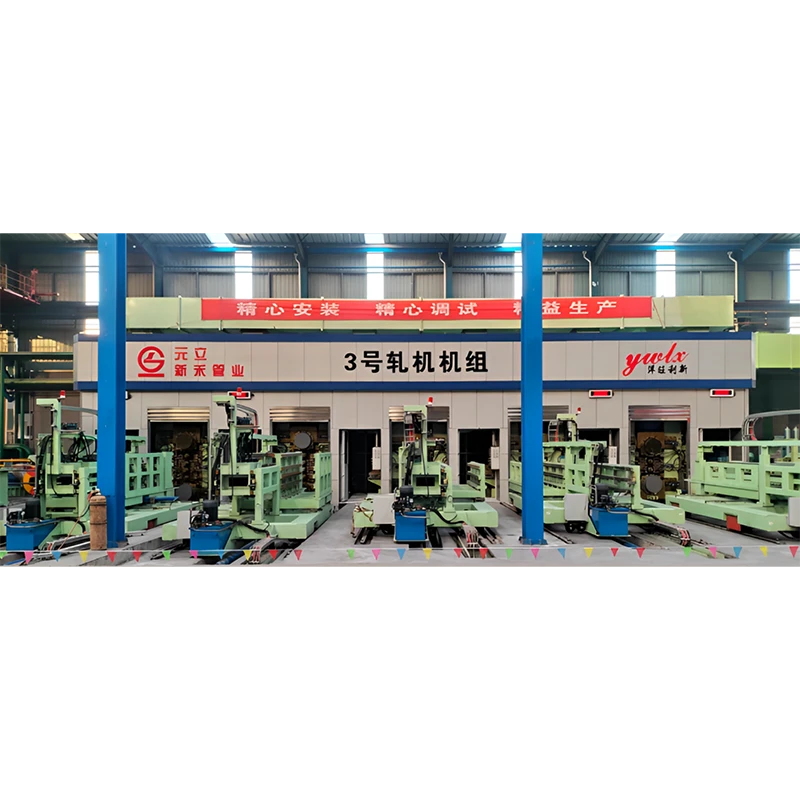
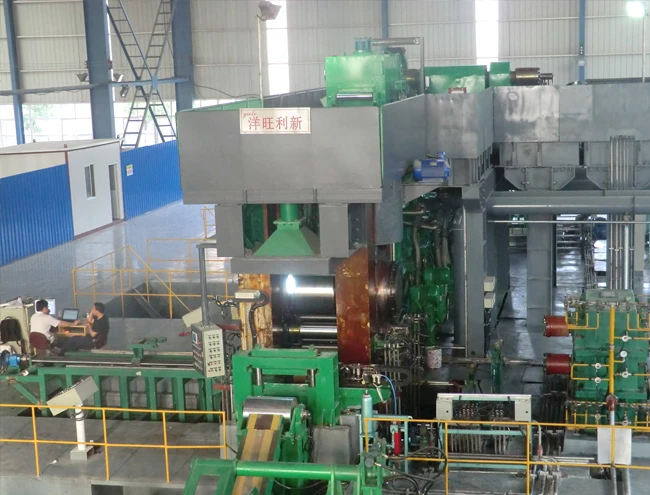
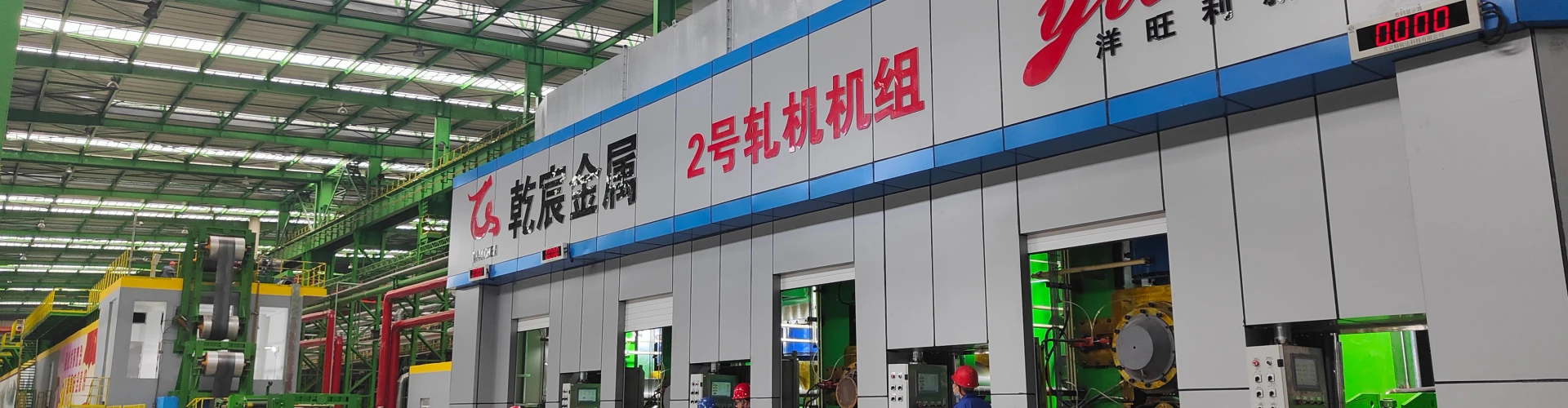
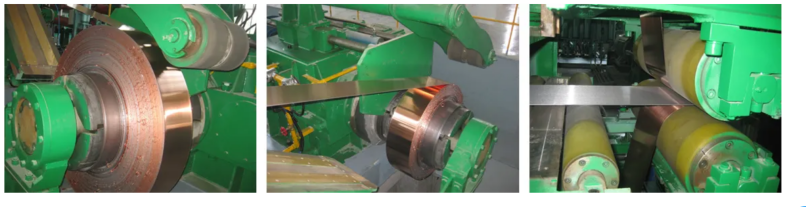
Weld overlay cladding, a critical technology in metallurgical processing, enhances the performance of base materials by depositing a layer of high-performance alloy on their surface. The precision control of cladding thickness directly determines the product’s cost-effectiveness, corrosion resistance, and mechanical properties—key factors for its application in electronics, automotive, and chemical industries. Yang Wang Li Xin (YWLX), Established in 2003, is a preeminent professional turn-key project provider specializing in metallurgical rolling machinery for the iron, steel, and non-ferrous industries. The company offers comprehensive consultation, design, manufacturing, installation, and commissioning solutions, leading the field in cladding process, weld overlay cladding, and setting benchmarks for weld overlay companies globally. Recently, the application of cladding plate and strip is gradually rising, replacing nonferrous materials and stainless steel mainly used in the electronic industry, decorative material, chemical industry and automobile etc. In the past, exploding cladding and hot rolling cladding technologies predominated in the production of cladding plate and strip. However, products from these processes faced issues like low surface quality, low yield, high energy consumption, and high environmental protection investment. The cladding rolling business department of YWLX, combining the latest global technology and process in cold rolling cladding strip, has independently developed cold rolling cladding technology, process and complete equipment—covering copper-steel, aluminum-steel, copper-aluminum, aluminum-stainless steel, and stainless steel-steel cladding. This enables bimetal or triple-metal bonding in one production line, with precise weld overlay cladding thickness control as its core advantage.
Cladding Process Key Factors for Thickness Precision
- Cladding process thickness control starts with parameter matching. YWLX optimizes welding current, wire feed speed, and travel speed for different material combinations—for copper-steel cladding, current is stabilized at 180-220A to ensure a uniform 0.5-2.0mm cladding layer, avoiding over-thickness waste.
- Base material pretreatment is critical in cladding process. YWLX uses sandblasting to remove rust and oil, ensuring a roughness of Ra 2.0-3.0μm. This improves coating adhesion, preventing uneven thickness caused by poor bonding between cladding and base material.
- Cladding process sequence directly affects thickness uniformity. For large-area cladding, we adopt a spiral overlapping method with 30% overlap rate, ensuring no thin spots—this is applied in our aluminum-stainless steel cladding lines for automotive parts.
Weld Overlay Cladding Thickness Control Technologies
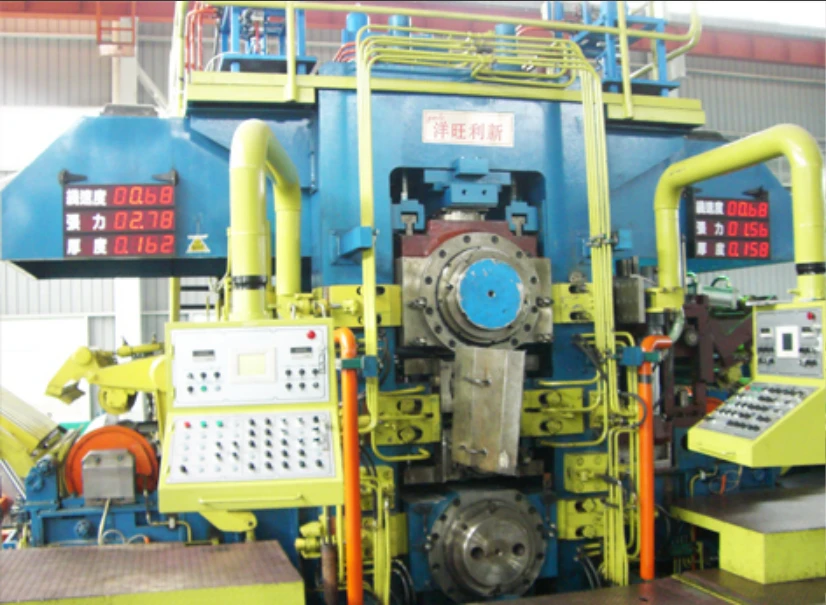
- Weld overlay cladding at YWLX uses real-time laser thickness monitoring. The laser sensor, with 0.01mm precision, feeds data to the control system, adjusting wire feed speed automatically if deviation exceeds ±0.05mm—critical for electronic industry precision parts.
- Material compatibility optimizes weld overlay cladding thickness. For high-temperature-resistant cladding (e.g., nickel-based alloy on steel), we preheat the base material to reduce thermal stress, ensuring the 1.2-1.5mm cladding layer cools uniformly without cracking.
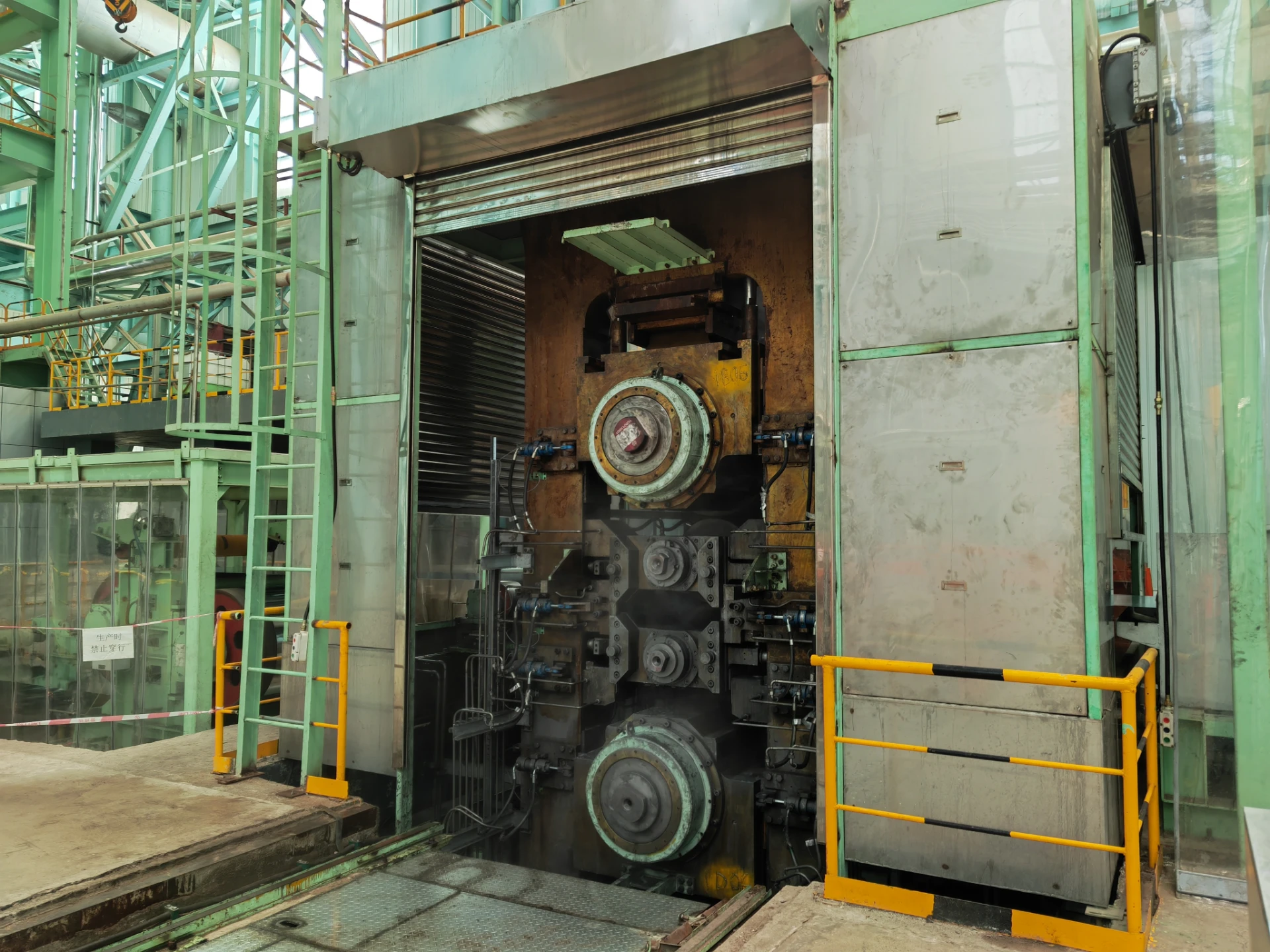
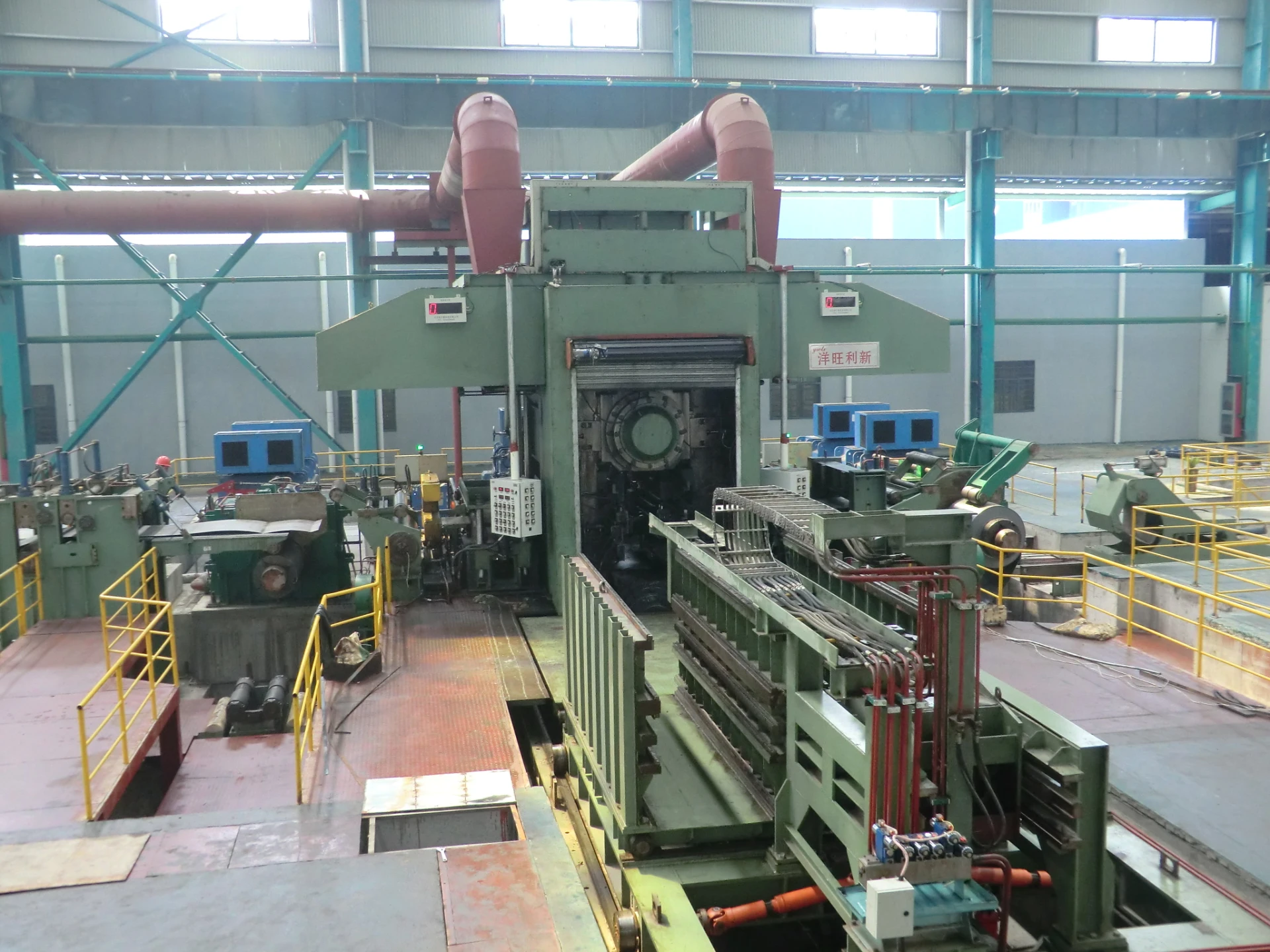
- Weld overlay cladding equipment precision is a foundation. Our cold rolling cladding mills have roll gap control accuracy of ±0.02mm, ensuring consistent pressure during cladding, which maintains stable thickness for bimetal strips like copper-aluminum composites.
Weld Overlay Companies Quality Assurance for Thickness Control----H2
- As one of the leading weld overlay companies, YWLX implements a three-stage thickness inspection. Pre-cladding checks base material flatness, in-process monitors cladding thickness, and post-cladding uses ultrasonic testing to verify uniformity—meeting automotive industry standards.
- Weld overlay companies must adapt to diverse needs. YWLX provides customized thickness solutions: for chemical industry corrosion-resistant plates, we offer 3.0-5.0mm thick cladding; for decorative materials, 0.3-0.8mm thin cladding to balance cost and performance.
- Weld overlay companies need full-process support. YWLX integrates thickness control into turn-key solutions, from process design to equipment commissioning, training clients to operate the thickness monitoring system independently.
Weld Overlay Cladding Thickness Control FAQS
What causes thickness deviation in cladding process, and how to avoid it?
Common causes include unstable wire feed speed and uneven base material surface. In YWLX’s cladding process, we use servo-driven wire feeders and sandblasting pretreatment. For example, in copper-steel cladding, this reduces thickness deviation from ±0.1mm to ±0.03mm, ensuring product consistency.
How does weld overlay cladding thickness control differ for non-ferrous vs. steel materials?
Non-ferrous materials (e.g., aluminum) have lower melting points, so weld overlay cladding uses lower current (120-150A) and faster travel speed to control thickness. For steel, higher current (200-250A) is needed. Our cold rolling cladding lines auto-adjust parameters, adapting to both material types seamlessly.
Why choose YWLX among weld overlay companies for precision thickness control?
Unlike other weld overlay companies, we integrate cold rolling cladding technology with real-time laser monitoring. Our system achieves 0.01mm thickness precision, and we offer customized solutions—e.g., 0.5mm thin cladding for electronic strips and 4.0mm thick cladding for chemical tanks, meeting diverse needs.
Can weld overlay cladding achieve uniform thickness on curved surfaces?
Yes. We use robotic weld overlay cladding with 3D surface scanning. The robot adjusts the welding torch angle in real time, ensuring uniform thickness (e.g., 1.0mm) on curved automotive parts. This technology has been applied in a Shanghai auto parts client’s production line.
How to maintain long-term cladding process thickness stability in mass production?
YWLX provides regular equipment calibration and data analysis. We set up a cloud platform to monitor cladding process thickness data remotely, alerting for deviations. A Guangdong client using this service maintained stable thickness for 12 consecutive months in aluminum-steel cladding mass production.
-
Ship Multi-Project Equipment on the Lantern FestivalNewsMar.03,2026
-
YWLX Deep Dives into Cladding Line with Dubai ClientNewsDec.22,2025
-
1450mm 6-Hi Reversing Mill Goes Live in BangladeshNewsOct.28,2025
-
Sep. 3rd Parade: Carry Forward and Press OnNewsSep.03,2025
-
Indian Clients Visit YWLX to Inspect Skin-pass MillNewsJun.22,2025
-
Full- throttle! YWLX's Intense Production During May DayNewsMay.01,2025
-
YWLX Participated in the 2025 Chinese GAP Program Review ConferenceNewsApr.17,2025