Hot rolling press temperature ranges
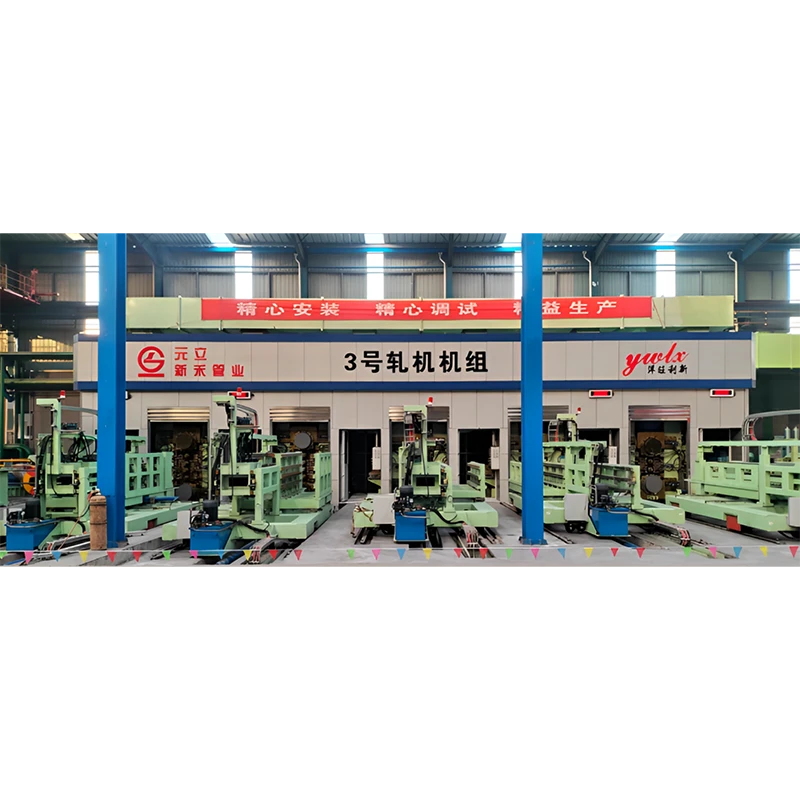
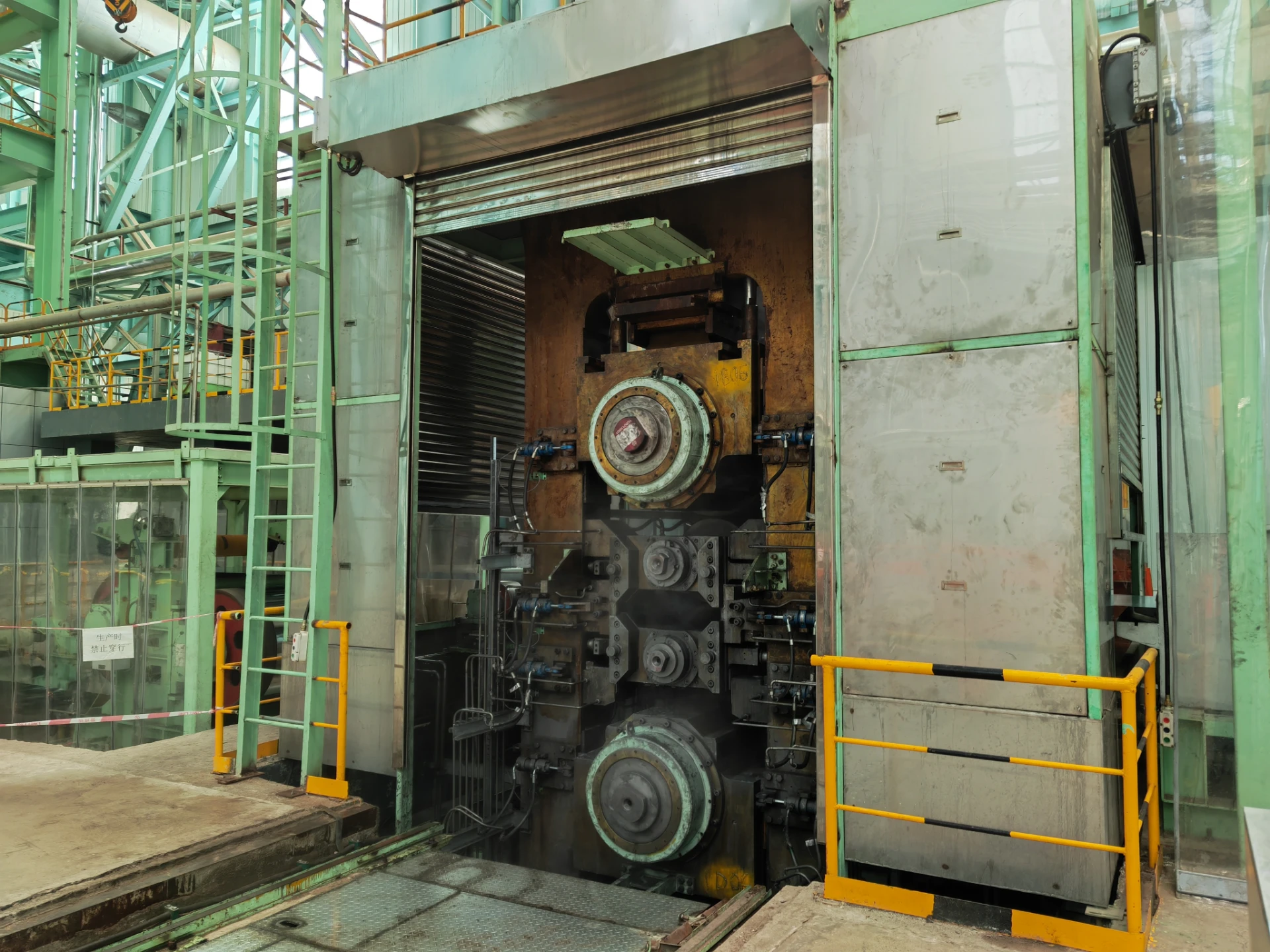
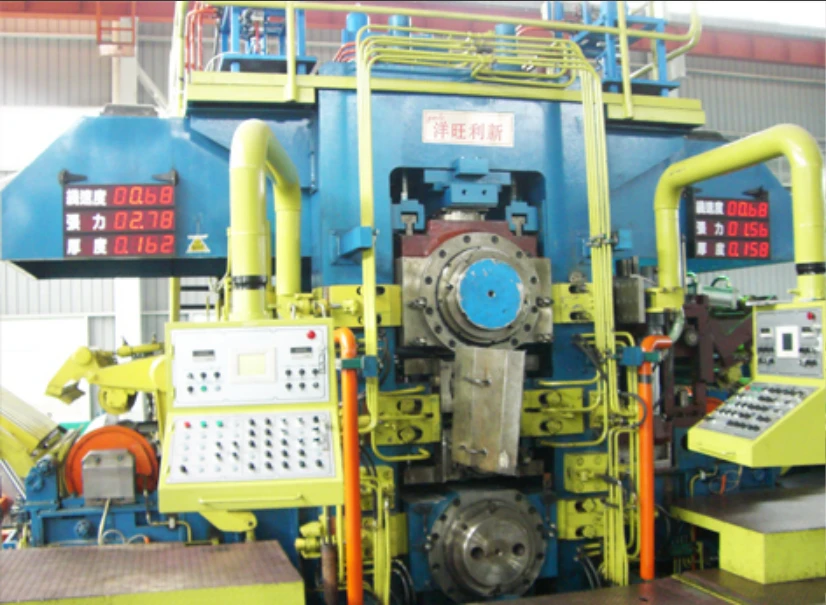
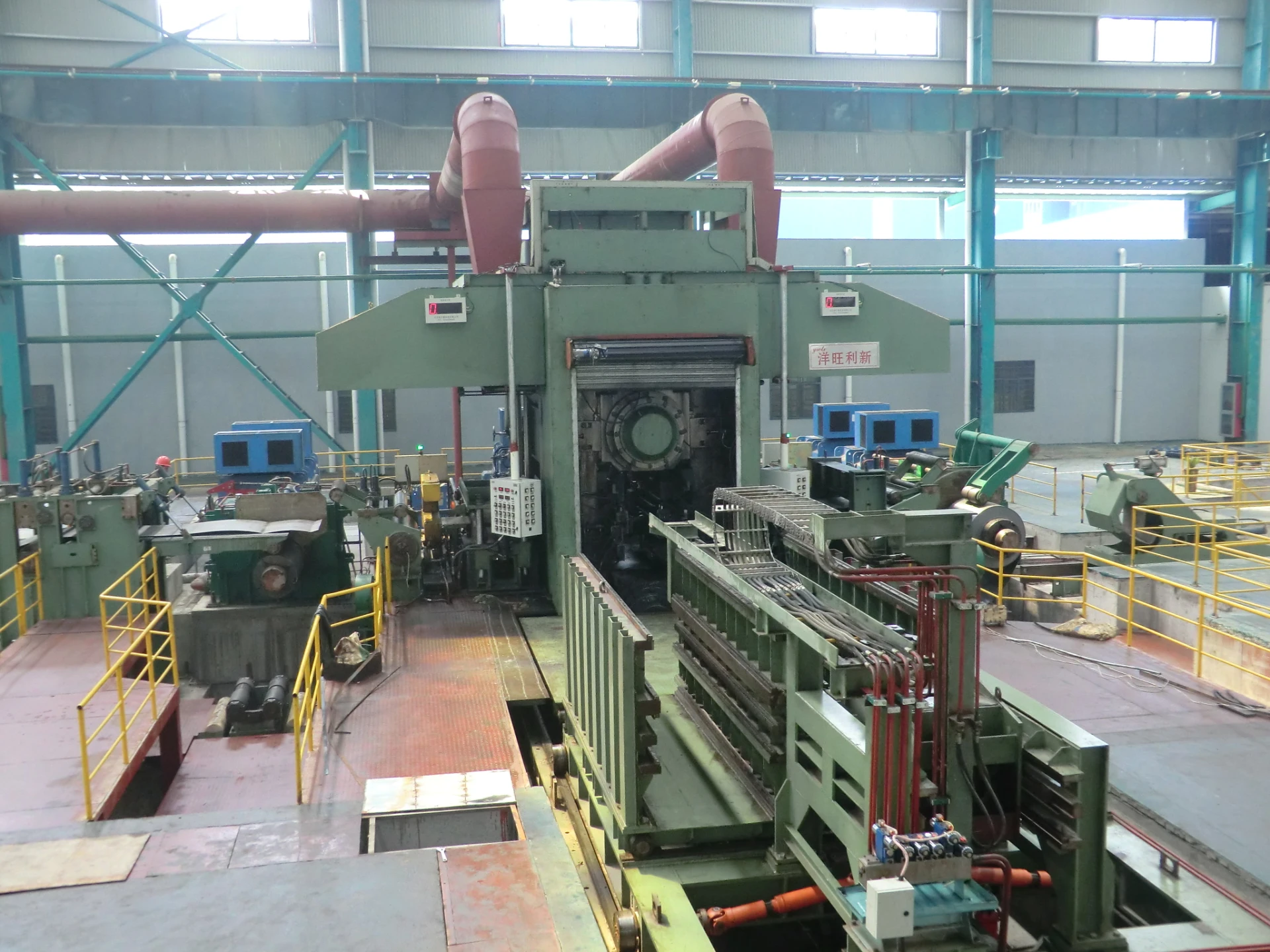
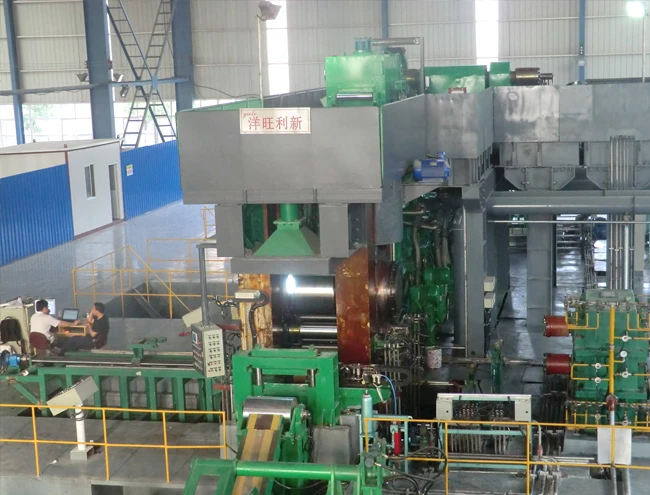
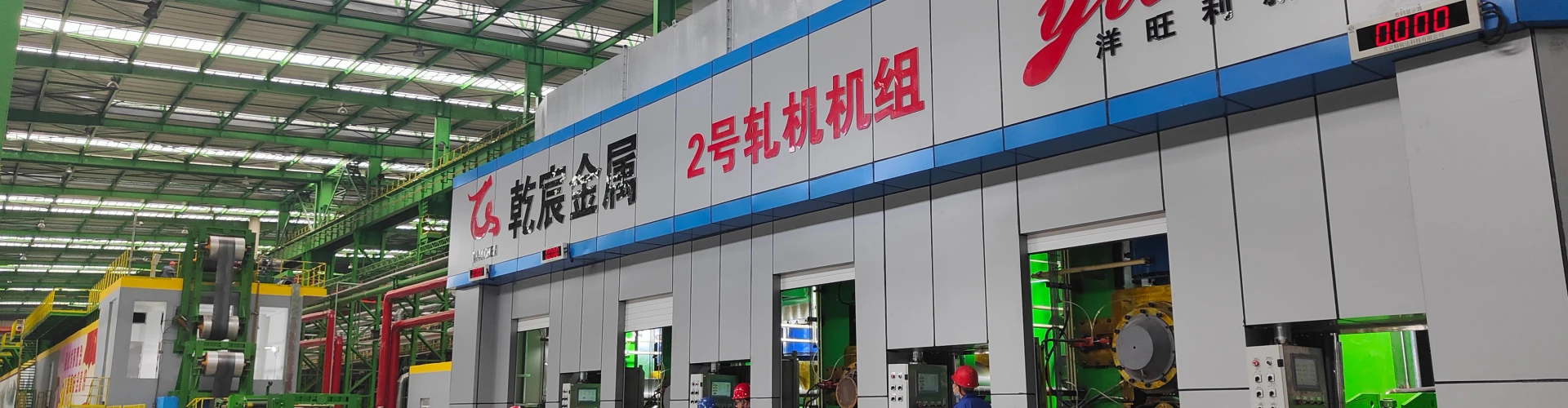
Hot rolling press temperature ranges are a core technical parameter in the metallurgical industry, directly governing the formability, mechanical properties, and surface quality of steel products. Precise temperature control ensures that the material maintains optimal plasticity during rolling, reducing energy consumption while avoiding defects such as cracks or uneven thickness. Yang Wang Li Xin (YWLX), Established in 2003, is a preeminent professional turn-key project provider specializing in metallurgical rolling machinery for the iron, steel, and non-ferrous industries. The company offers comprehensive consultation, design, manufacturing, installation, and commissioning solutions, with profound expertise in optimizing hot rolling press processes, coordinating cold rolling post-treatment, and upgrading equipment like 2 hi cold rolling mill. In 2015, YWLX successfully developed the first production line of special Z-type steel for ZSB ocean petroleum casing pipes—a milestone that partly achieved import substitution. Previously, this special Z-type steel was monopolized by Japanese and German firms, with high technical thresholds and exorbitant import prices. To break this monopoly and realize localization, YWLX mobilized top talents in metallurgy and rolling, leveraging years of R&D achievements and engineering experience. The production line, built with unique Z-type steel rolling passes, operates stably and reliably, thanks in large part to precise control of hot rolling press temperature ranges— a key technical breakthrough that tackled multiple industry challenges.

Hot Rolling Press Temperature Range Core Principles
- Hot rolling press temperature ranges are tailored to material composition. For the special Z-type steel, YWLX sets the initial rolling temperature at 1150-1200℃ (suited for its high-strength alloy composition) and finishing temperature at 850-900℃, ensuring the steel maintains sufficient plasticity while avoiding grain coarsening.
- Hot rolling press temperature control adapts to rolling speed. Our Z-type steel production line adjusts temperature dynamically: when rolling speed increases by 10%, the initial temperature is raised by 30℃ to compensate for heat loss, ensuring consistent deformation across the steel length.
- Hot rolling press temperature ranges consider post-rolling requirements. For Z-type steel used in ocean casing, the finishing temperature is strictly controlled to 880±20℃, which optimizes its weldability and corrosion resistance—critical for marine environments.
Cold Rolling Synergy with Hot Rolling Temperature Control
- old rolling performance depends on hot rolling press temperature outcomes. YWLX ensures the Z-type steel’s hot-rolled exit temperature is stable, so subsequent cold rolling (for precision sizing) requires 30% less rolling force, reducing equipment wear.
- Cold rolling temperature compensation is guided by hot rolling data. For Z-type steel with hot-rolled finishing temperature at the lower limit (850℃), we preheat the material to 150℃ before cold rolling, preventing brittle fracture during shaping.
- Cold rolling surface quality benefits from optimized hot rolling temperatures. By controlling hot rolling press finishing temperature within 850-900℃, the Z-type steel’s surface oxide scale is thinner, reducing cold rolling descaling workload by 40%.
2 hi Cold Rolling Mill Temperature Adaptation and Optimization
- 2 hi cold rolling mill operates with temperature parameters linked to hot rolling press results. For Z-type steel, our mill adjusts roll temperature to 50-60℃ (matching the steel’s post-hot-rolling residual temperature), ensuring uniform pressure distribution during cold rolling.
- 2 hi cold rolling mill cooling systems complement hot rolling temperatures. The mill uses water-oil composite cooling: when the Z-type steel’s incoming temperature exceeds 90℃ (due to hot rolling deviations), cooling intensity is increased by 50% to protect the roll surface.
- 2 hi cold rolling mill speed-temp coordination is refined. YWLX’s mill reduces speed by 15% if the Z-type steel’s temperature fluctuates ±50℃ from the ideal range, ensuring the final product’s dimensional tolerance (±0.1mm) meets ocean casing standards.
Hot Rolling Press Temperature Ranges FAQS
How does hot rolling press temperature range differ for Z-type steel vs. ordinary steel?
Ordinary structural steel uses 1050-1150℃ initial rolling and 800-850℃ finishing temperatures. hot rolling press for Z-type steel (high alloy content) is 100℃ higher initially (1150-1200℃) to ensure alloy element dissolution, with a narrower finishing range (850-900℃) to maintain its marine-grade mechanical properties—this is a YWLX proprietary setting.
What role does cold rolling play in correcting hot rolling press temperature deviations?
If hot rolling press temperature is too low (e.g., Z-type steel at 820℃), cold rolling with preheating (150-200℃) restores ductility. If too high (920℃), we use slower cold rolling speeds and enhanced cooling to prevent over-softening. This synergy ensures 98% of Z-type steel meets quality standards despite minor hot rolling deviations.
How does 2 hi cold rolling mill handle temperature-related surface defects from hot rolling?
2 hi cold rolling mill uses variable roll roughness to address defects. If hot rolling press overheating causes oxide scale adhesion, the mill switches to 0.8μm roughness rolls (from 0.4μm) to remove scale during rolling. For underheated steel (with uneven hardness), the mill applies gradual pressure to avoid surface scratches—critical for Z-type steel’s corrosion resistance.
Can YWLX customize hot rolling press temperature ranges for non-ferrous metals?
Yes. Beyond steel, we tailor hot rolling press ranges for non-ferrous metals (e.g., aluminum-magnesium alloys for automotive parts: initial 400-450℃, finishing 280-320℃). Our turn-key solutions include temperature control systems compatible with both ferrous and non-ferrous rolling, as seen in our Southeast Asian non-ferrous client projects.
How does YWLX ensure hot rolling press temperature stability in mass production of Z-type steel?
We use a dual-temperature monitoring system: infrared sensors track surface temperature (±5℃ precision) and thermocouples measure internal temperature. The system auto-adjusts the furnace output if deviations exceed 10℃. For mass production, this ensures hot rolling press temperature consistency, with Z-type steel qualification rates maintaining at 99.2% for 36 consecutive months.
-
Ship Multi-Project Equipment on the Lantern FestivalNewsMar.03,2026
-
YWLX Deep Dives into Cladding Line with Dubai ClientNewsDec.22,2025
-
1450mm 6-Hi Reversing Mill Goes Live in BangladeshNewsOct.28,2025
-
Sep. 3rd Parade: Carry Forward and Press OnNewsSep.03,2025
-
Indian Clients Visit YWLX to Inspect Skin-pass MillNewsJun.22,2025
-
Full- throttle! YWLX's Intense Production During May DayNewsMay.01,2025
-
YWLX Participated in the 2025 Chinese GAP Program Review ConferenceNewsApr.17,2025