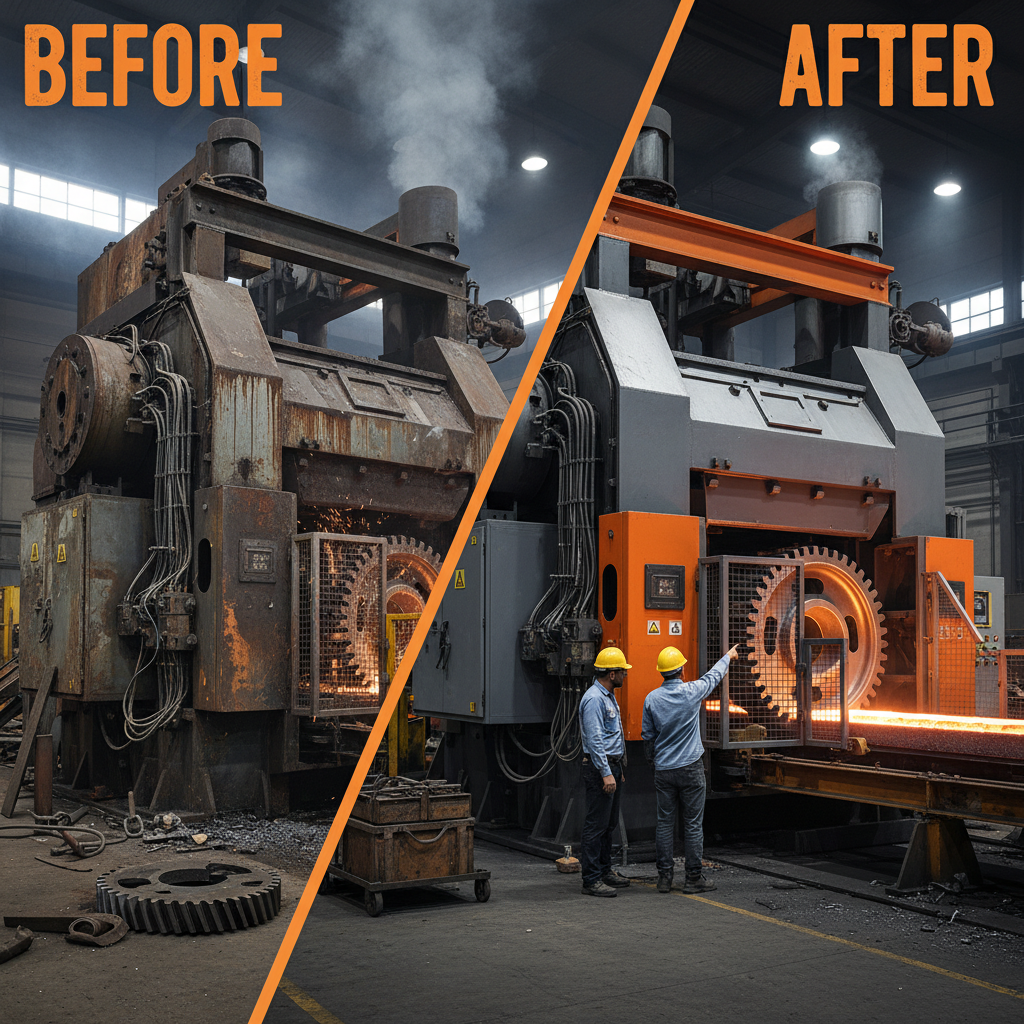
Look, I've spent the last fifteen years breathing concrete dust and getting to know mills equipment. It's not glamorous, but it's the backbone of any serious construction project. We're talking about the machines that take raw materials and turn them into the foundations of our world. From massive cement mills powering entire cities to smaller, specialized setups for precast concrete, understanding this equipment isn't just about specs – it’s about knowing how things actually work in the field, what breaks down, and what keeps a job running on schedule. It impacts everything from cost overruns to safety, and frankly, the quality of the final product.
The demand for high-quality construction materials is only going up, globally. The UN projects a massive increase in urban populations over the next few decades, requiring infrastructure on a scale we’ve never seen. But growth isn’t the only driver; rebuilding after disasters and the increasing need for resilient infrastructure are putting even more strain on material production. That's where having robust, efficient mills equipment comes in. We’re not just talking about building more, we're talking about building better, building faster, and doing it sustainably.
And that's the core of it, isn't it? It's a fundamental industry. You can't build a hospital, a school, a bridge, or even a decent home without materials processed by these machines. It's a dirty job, often overlooked, but absolutely critical. And the guys on the ground – the engineers, the operators, the maintenance crews – they need equipment they can rely on. That's why I’m always looking at improvements, innovations, and solutions that make their lives easier and the entire process more effective.
The Critical Role of Mills Equipment
Mills equipment isn't just about grinding things up; it's the first major step in turning raw materials into usable building blocks. Think about cement – you need clinker ground to a fine powder. Or gypsum for drywall. It's the foundation of countless products. Choosing the right mill, understanding its capacity, and maintaining it properly directly impacts the final product quality, the speed of production, and ultimately, the profitability of a project. I've seen projects stalled for weeks because a mill went down, and it's a costly lesson.
We’re seeing increasing demands for specialized milling applications too. Things like supplementary cementitious materials (SCMs) – fly ash, slag, silica fume – require specific mill setups to achieve the desired fineness and reactivity. It's not a one-size-fits-all game anymore. You need to understand the material properties and tailor the equipment accordingly.
Defining Mills Equipment: A Practical Perspective
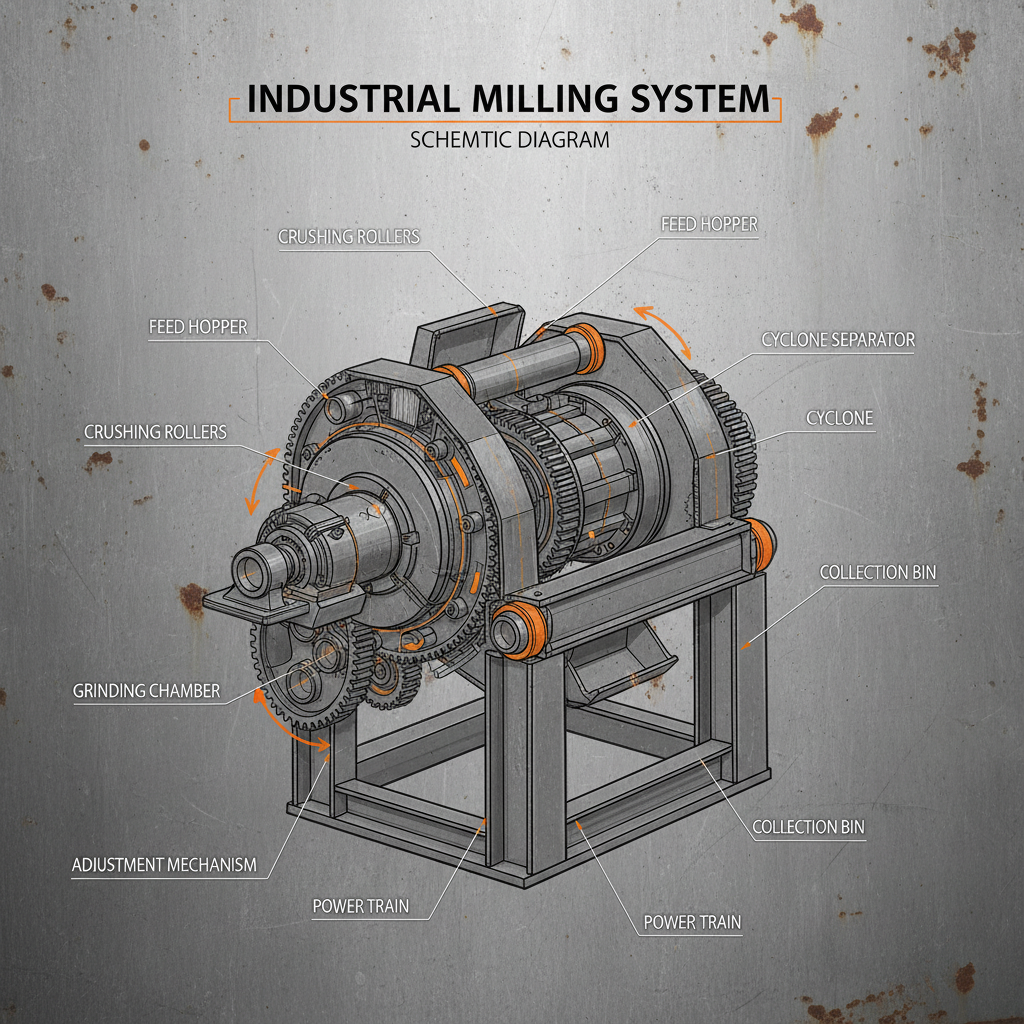
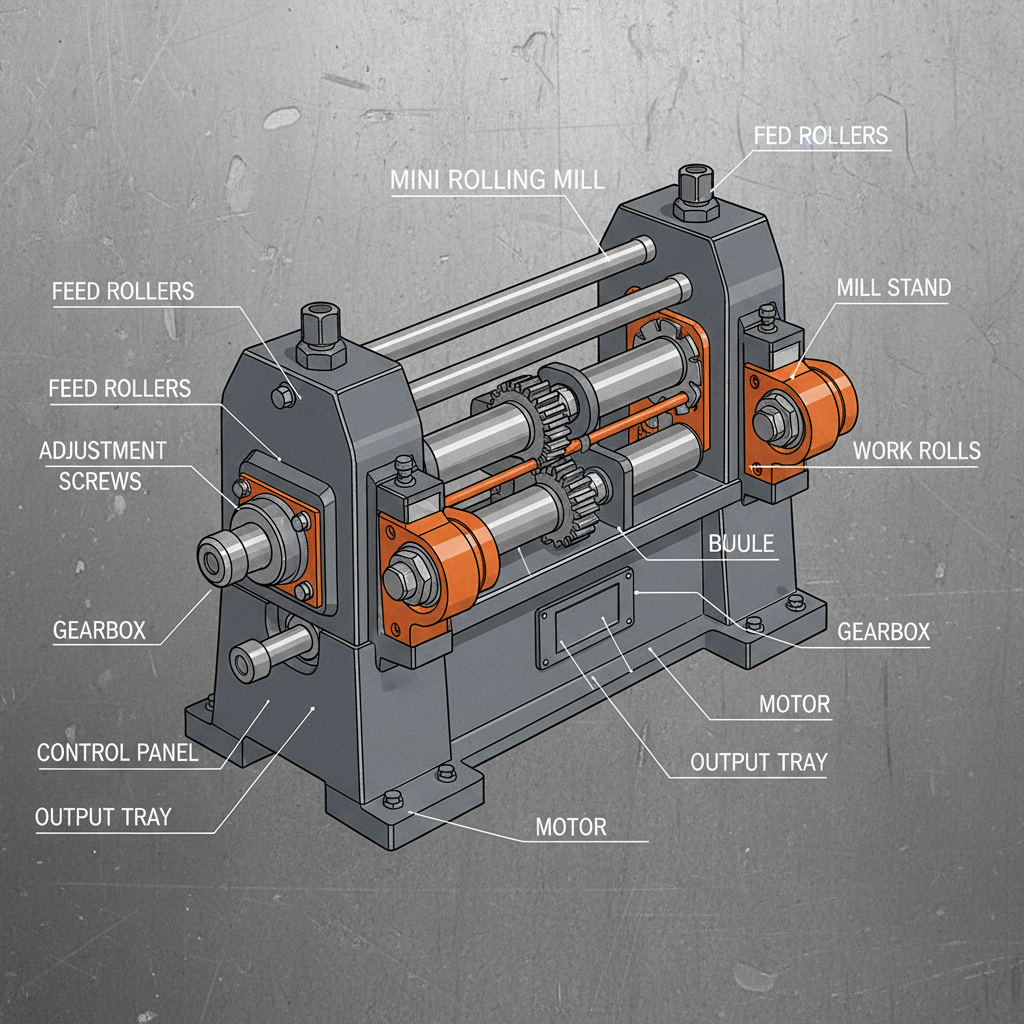
Okay, let's get down to basics. Mills equipment, in the construction context, are machines designed to reduce the size of materials – typically dry materials – through grinding, crushing, or pulverizing. This can range from massive ball mills for cement production, to vertical roller mills for raw material preparation, to hammer mills for more specialized applications like crushing recycled concrete. It’s the process of transforming large, unusable chunks into fine powders or granular materials ready to be mixed and used.
It’s directly tied to modern industry. We can’t build skyscrapers without steel, and we can't make steel without processing iron ore. We can't build roads without asphalt, and we can’t make asphalt without properly milled aggregates. It’s a crucial link in the supply chain. And when you talk about humanitarian needs, like providing materials for disaster relief housing, reliable mills equipment is essential for producing cement or other binding agents locally.
From my experience, it's often not just about the mill itself, but the entire system: the feeders, the classifiers, the dust collection systems. A poorly designed system can negate the benefits of a high-quality mill. It’s a holistic approach.
Key Factors for Selecting Robust Mills Equipment
Durability is king. These machines take a beating, 24/7 in some cases. You need equipment built with high-quality materials, designed for heavy-duty use, and capable of withstanding the abrasive nature of the materials they process. It’s not about the cheapest upfront cost, it’s about the total cost of ownership over the lifespan of the machine. I’ve seen too many cheaply built mills fail after only a few years, resulting in massive downtime and repair costs.
Scalability is also critical. Can the mill handle increasing production demands? Can you easily add capacity as your business grows? A mill that’s perfect for today might be a bottleneck tomorrow. You need to think long-term and choose equipment that can adapt to your changing needs. Modular designs are great for this—easy to expand or reconfigure.
Cost efficiency extends beyond the initial purchase price. Consider energy consumption, maintenance requirements, and spare parts availability. A mill that’s highly efficient in terms of energy usage will save you money in the long run. And readily available spare parts mean less downtime when something inevitably breaks. Reliability is directly tied to cost-effectiveness.
Global Applications and Diverse Use Cases
You see mills equipment everywhere there's construction happening. In China, they’re building entire cities, so the demand for cement mills is enormous. In India, there’s a massive infrastructure push, requiring a lot of milling for aggregates and cement production. Even in developed countries like the US and Europe, you have specialized applications – recycling mills, mineral processing plants, and facilities producing specialized building materials.
In post-disaster relief operations, mobile milling units can be deployed to process local materials and produce cement or concrete for rebuilding efforts. This reduces reliance on external supply chains and speeds up the recovery process. We see this particularly in areas prone to earthquakes or hurricanes.
And in remote industrial zones, particularly in mining operations, self-contained milling circuits are used to process ore on-site, minimizing transportation costs and environmental impact. The flexibility of different mill types allows for tailored solutions depending on the specific material and location.
Mills Equipment Efficiency Comparison
Advantages and Long-Term Value Proposition
The tangible benefits are clear: reduced material costs through efficient grinding, increased production capacity, and lower energy consumption. But it goes beyond that. Investing in reliable mills equipment minimizes downtime, which translates to fewer delays and projects completed on schedule – and that builds trust with clients. A well-maintained mill contributes to higher-quality materials, leading to more durable and safer structures.
Sustainability is becoming increasingly important. Modern mills equipment is designed to minimize waste, reduce dust emissions, and optimize energy usage. This not only benefits the environment but also enhances a company’s reputation and can open doors to new contracts. Ultimately, it's about building responsibly and leaving a smaller footprint.
Real-World Applications & Industry Impact
I was on a site last year in Southeast Asia where they were using a new type of vertical roller mill for limestone processing. The energy savings were significant compared to the traditional ball mill they were using before. Plus, the maintenance was simpler, reducing the need for specialized technicians. It was a game-changer for that operation.
Another example: a precast concrete plant I consulted with invested in a high-efficiency hammer mill for crushing recycled concrete. This allowed them to reduce their reliance on virgin aggregates, lowering their material costs and minimizing landfill waste. It's a win-win.
These aren’t isolated incidents. The adoption of advanced milling technologies is driving innovation across the entire construction industry, leading to more sustainable practices, improved material quality, and increased efficiency.
Future Trends and Emerging Technologies
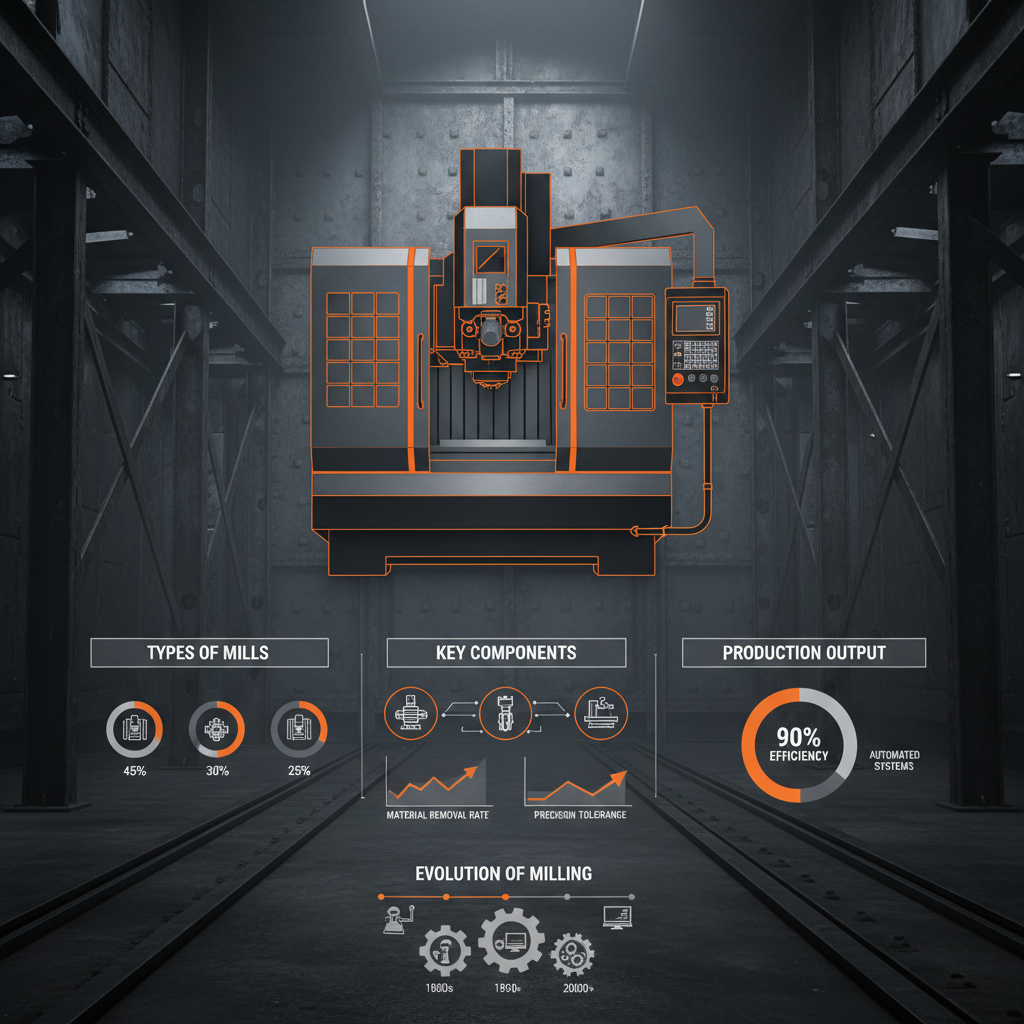
We’re seeing a push towards automation and digital integration. Mills equipment is increasingly being equipped with sensors and data analytics capabilities, allowing for real-time monitoring of performance, predictive maintenance, and optimized operation. This means less downtime and more efficient use of resources.
The use of alternative fuels and renewable energy sources to power mills equipment is also gaining traction. Reducing the carbon footprint of material production is a major priority, and companies are exploring ways to incorporate solar, wind, and biomass energy into their milling operations.
And there’s a lot of research going into new milling technologies – things like high-pressure grinding rolls (HPGR) and advanced classifier designs – that promise to further improve efficiency and reduce energy consumption. The future of mills equipment is about smarter, cleaner, and more sustainable material production.
Overview of Factors Influencing Mills Equipment Performance
| Material Hardness |
Mill Type |
Maintenance Schedule |
Operator Skill Level |
| High (e.g., basalt) |
Ball Mill |
Preventative (Weekly) |
Experienced |
| Medium (e.g., limestone) |
Vertical Roller Mill |
Scheduled (Monthly) |
Intermediate |
| Low (e.g., gypsum) |
Hammer Mill |
As-Needed |
Basic |
| Variable (Recycled Concrete) |
Impact Crusher/Mill |
Detailed (Bi-Weekly) |
Advanced |
| High (Iron Ore) |
SAG Mill |
Continuous Monitoring |
Highly Skilled |
| Medium (Clay) |
Tube Mill |
Routine Inspection |
Competent |
FAQS
A lot of folks focus solely on the upfront cost. They go for the cheapest option without considering the long-term maintenance, energy consumption, and potential downtime. A slightly more expensive mill with better build quality and efficiency will almost always pay for itself in the long run. You need to think total cost of ownership, not just the sticker price.
It depends on the type of mill and the materials you're processing, but generally, weekly inspections are a good starting point. Check for wear and tear on critical components, lubricate moving parts, and monitor for any unusual noises or vibrations. A proactive maintenance schedule will prevent costly breakdowns and extend the lifespan of your equipment.
Ball mills use steel balls to grind materials, and are good for a wide range of applications. Vertical roller mills use rollers to crush materials against a table, and they're more energy-efficient, especially for softer materials like limestone. The best choice depends on the specific material you're processing and your production requirements.
Dust control is crucial for both environmental compliance and worker safety. Invest in a good dust collection system – baghouses are common – and ensure it’s properly maintained. Also, consider using a wet milling process, where water is added to the materials to suppress dust. Regular cleaning and enclosure of milling areas are also important.
The classifier separates the ground material into different size fractions. It ensures that the final product meets the required particle size distribution. Different classifiers – air separators, screen classifiers – are used depending on the specific application and desired particle size. It's a critical component for controlling the quality of the finished product.
This requires careful consideration of your production capacity, material properties, and desired particle size. You’ll need to perform a detailed material balance and consider factors like feed rate, mill speed, and grinding media size. It’s often best to consult with a milling equipment specialist to get a customized recommendation.
Conclusion
Mills equipment is the unsung hero of the construction industry. It’s not glamorous, but it's foundational. From ensuring the quality of the materials we build with to driving efficiency and sustainability, the right milling technology is crucial for success. Understanding the key factors—durability, scalability, cost-efficiency, and future trends—allows for informed decision-making and long-term value.
Looking ahead, the integration of automation, data analytics, and sustainable practices will be paramount. Investing in these advancements will not only improve operational efficiency but also contribute to a more responsible and resilient construction industry. If you’re serious about building a future that’s both strong and sustainable, start with the foundation: robust and innovative mills equipment.