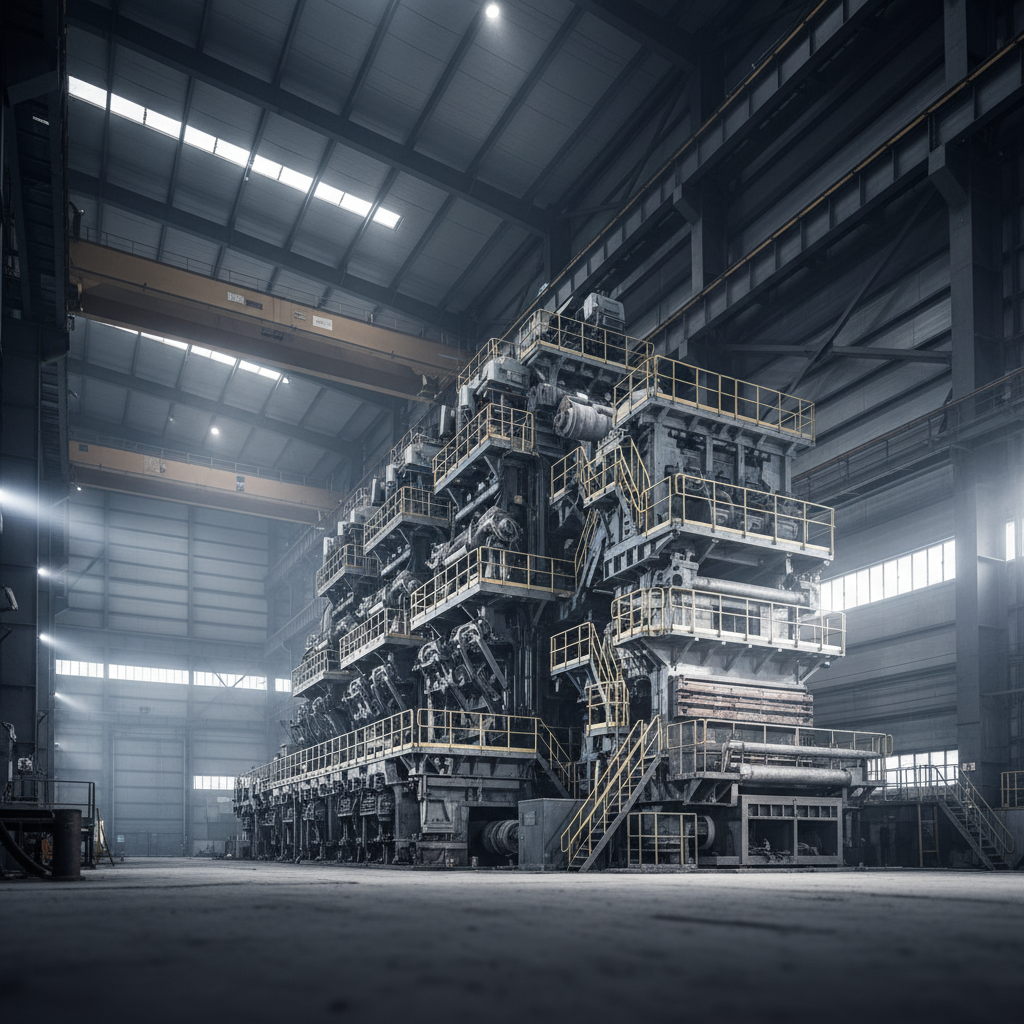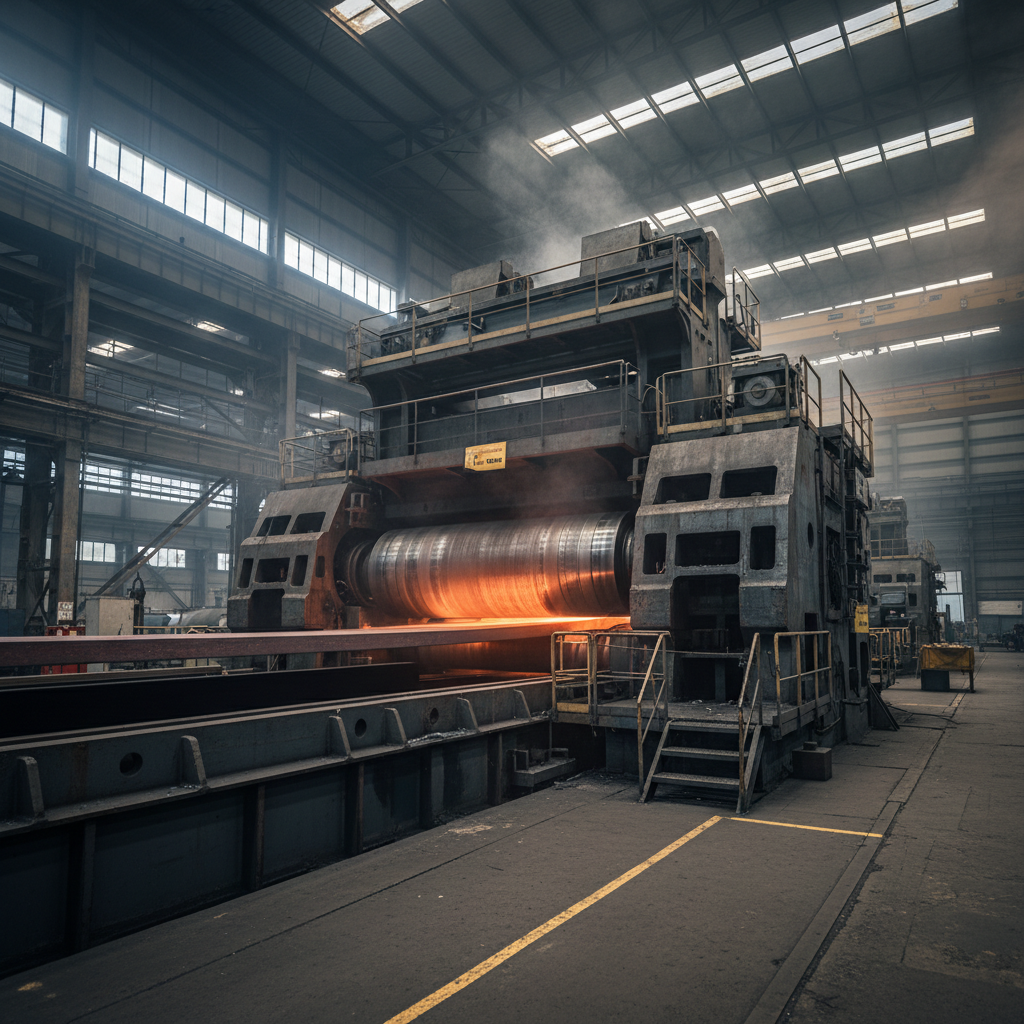
Look, I’ve spent the last fifteen years breathing concrete dust and dodging forklifts on construction sites. When it comes to getting metal shaped and formed efficiently, reliably, and safely, the electric rolling mill isn’t just a piece of equipment – it’s a game changer. It's about cutting down on downtime, reducing costs, and most importantly, getting the job done right the first time. We're moving away from old-fashioned methods that were loud, dirty, and frankly, a pain to manage. electric rolling mill is the future of on-site metal processing.
What I’ve seen is a real shift in the industry. Contractors are facing tighter deadlines, increasing material costs, and a skilled labor shortage. They need solutions that simplify workflows and maximize productivity. That’s where a robust, adaptable electric rolling mill steps in. It streamlines the process, allowing crews to produce custom metal components exactly when and where they're needed, eliminating delays caused by off-site fabrication and shipping.
Forget waiting weeks for a specialized piece. With the right electric rolling mill setup, you can create it on-site, in hours. It’s about empowering the team, giving them the tools to be more self-sufficient, and taking control of the schedule. This isn't just about saving money; it's about building a more resilient and efficient construction process.
The Core Principles of electric rolling mill
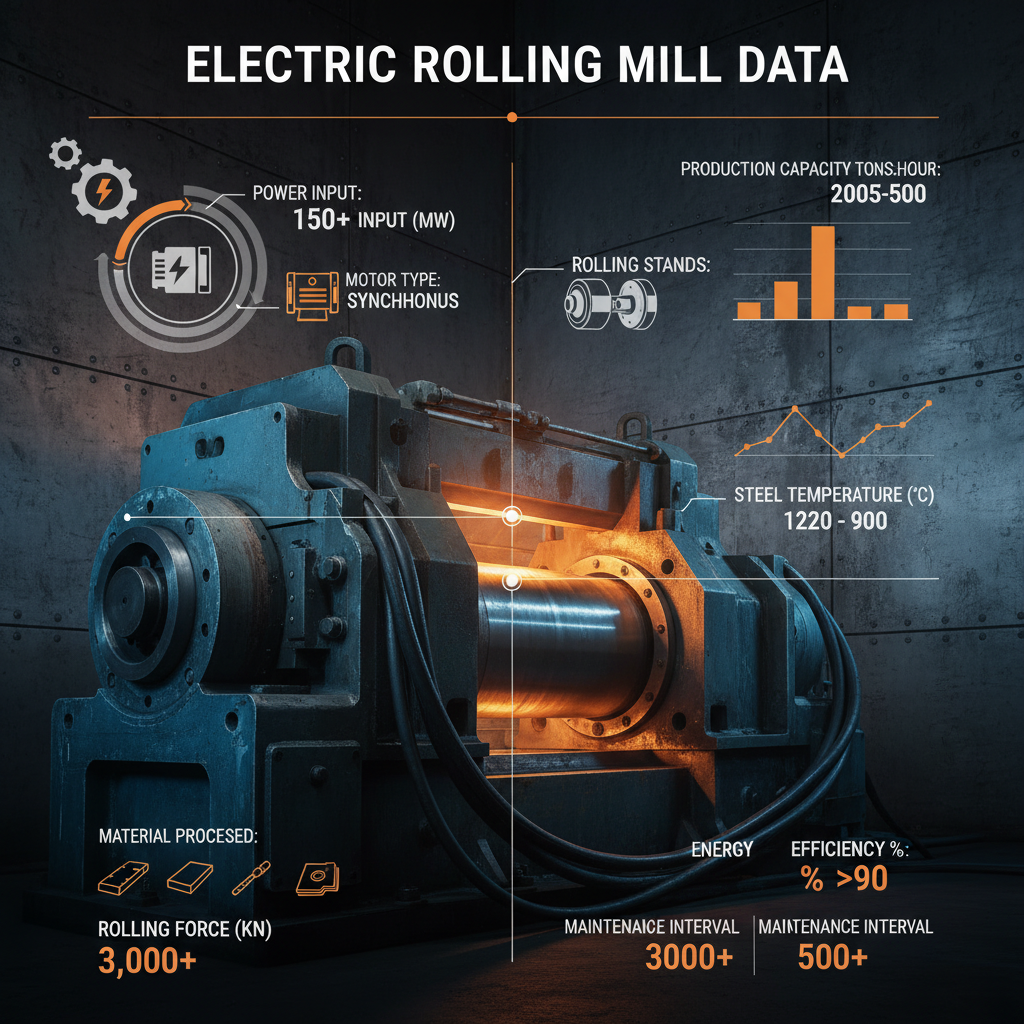
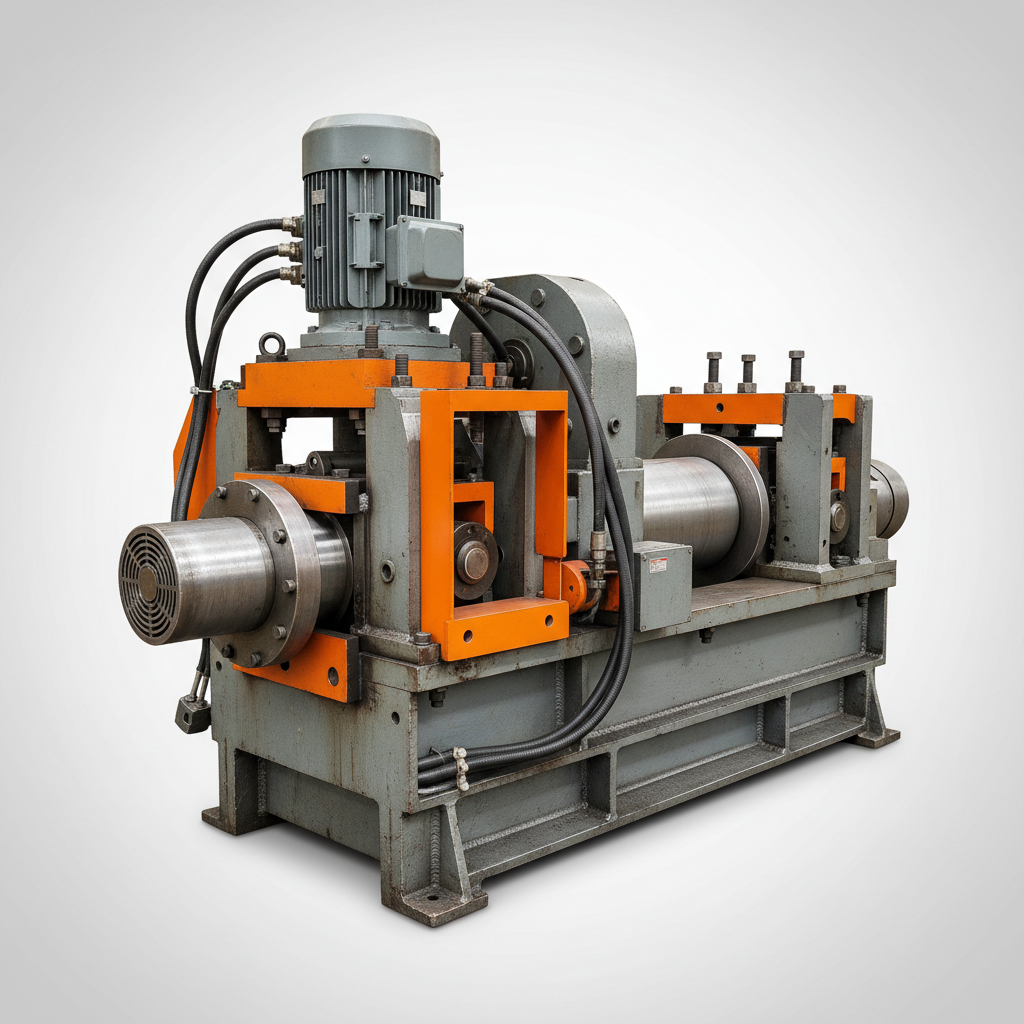
The foundation of a good electric rolling mill lies in its precision and control. It’s about consistently achieving the desired metal shapes with minimal waste. From a practical standpoint, this translates to fewer re-dos, less material lost to errors, and ultimately, a higher quality finished product. This precision is directly linked to the quality of the rollers, the power control system, and the overall machine build.
Another crucial aspect is its portability and setup time. On a construction site, space is a premium, and time is money. An electric rolling mill that can be easily moved and quickly set up is invaluable. You don't want to be spending half a day just getting the machine ready to work. It has to be a plug-and-play solution that integrates seamlessly into the existing workflow.
Diverse Applications of electric rolling mill Across Industries
It's not just construction. I’ve seen these mills used in shipbuilding for creating hull sections, in automotive manufacturing for roll cages, and even in art installations for complex metal sculptures. The versatility is remarkable. Wherever precise metal forming is needed, an electric rolling mill can often provide a cost-effective and efficient solution.
In post-disaster relief operations, a mobile electric rolling mill can be invaluable for fabricating temporary shelters, repairing damaged infrastructure, and creating essential supplies. The ability to create customized metal components on-site without relying on external supply chains can be a lifesaver.
The Long-Term Advantages of Investing in electric rolling mill
The upfront cost of an electric rolling mill can be higher than traditional methods, but the long-term return on investment is significant. Reduced labor costs, minimized material waste, faster project completion times, and increased quality all contribute to substantial savings. Plus, the reduced noise and emissions compared to hydraulic systems create a safer and more environmentally friendly work environment.
Beyond the financial benefits, there’s the intangible value of increased control and flexibility. Being able to respond quickly to changes in design or unforeseen challenges is a huge advantage. It fosters a sense of ownership and pride within the crew, knowing they can handle anything that comes their way.
Future Trends and Innovations in electric rolling mill Technology
We're seeing a move towards more automated systems, with robots handling material loading and unloading. Integration with Building Information Modeling (BIM) software will allow for seamless transfer of design data directly to the rolling mill, minimizing errors and streamlining the fabrication process. Digital twins, virtual models of the physical machine, are also emerging, enabling predictive maintenance and optimized performance.
The use of advanced materials like high-strength alloys is also driving innovation. Electric rolling mills will need to be capable of handling these materials efficiently and precisely. And, of course, the push for sustainability is leading to the development of more energy-efficient motors and control systems. The trend is clearly towards smarter, greener, and more capable machines.
I anticipate seeing more portable, self-contained units powered by renewable energy sources, making them ideal for remote construction sites and disaster relief efforts. The future of electric rolling mill is about maximizing efficiency, minimizing environmental impact, and empowering the workforce.
Core Operational Considerations for Electric Rolling Mills
| Maintenance Schedule | Operator Skill Level | Power Consumption | Material Compatibility |
|---|---|---|---|
| Regular lubrication, roller inspection, and electrical system checks. | Requires trained personnel with understanding of metal properties and machine operation. | Average 5-10 kWh per hour, depending on load and mill size. | Suitable for steel, aluminum, stainless steel, and certain alloys. |
| Preventative maintenance is vital for uptime. | A certification program for operators is highly recommended. | Consider energy-efficient motors for cost savings. | Harder materials may require more powerful rollers and precise control. |
| Bearing replacement every 6-12 months. | Ongoing training on new features and safety procedures. | Peak demand during heavy use can strain electrical systems. | Always consult material specifications and machine capabilities. |
| Inspect rollers for wear and tear. | Emphasis on safe operating practices and emergency procedures. | Utilize power monitoring systems for optimized usage. | Incompatible materials can damage rollers and reduce machine lifespan. |
| Check electrical connections regularly. | Regular review of safety protocols and machine manuals. | Implement load shedding strategies during peak hours. | Proper surface preparation is crucial for optimal results. |
| Review the user manual for detailed maintenance guides. | Promote a culture of continuous learning and improvement. | Explore renewable energy sources to power the mill. | Always prioritize material compatibility for safe and efficient operation. |
FAQS
Safety is paramount. Always ensure proper grounding, use appropriate personal protective equipment (PPE) like safety glasses and gloves, and never operate the machine without adequate training. Implement emergency stop procedures and ensure all operators are familiar with them. Regularly inspect safety guards and interlocks to confirm they are functioning correctly. Consistent adherence to safety protocols is key to preventing accidents.
Electric rolling mills are significantly more energy-efficient than their hydraulic counterparts. Hydraulic systems lose energy through fluid friction and leakage, while electric motors deliver power directly to the rollers with minimal waste. This translates to lower operating costs and a reduced carbon footprint. The precise control offered by electric motors also optimizes energy usage, further enhancing efficiency.
A preventative maintenance schedule is crucial. This includes regular lubrication of moving parts, inspection of rollers for wear and tear, checking electrical connections, and verifying the functionality of safety devices. Bearing replacement is generally recommended every 6-12 months. Following the manufacturer’s guidelines and keeping detailed maintenance logs will maximize machine uptime and extend its lifespan.
Yes, electric rolling mills can handle a wide range of metals, including steel, aluminum, and stainless steel. However, the specific type of metal and its thickness will influence the required roller configuration and machine power. It's important to consult the machine specifications and material compatibility charts to ensure optimal performance and prevent damage. Proper surface preparation is also crucial for achieving desired results.
Electric rolling mills are used extensively on construction sites for creating custom metal components like handrails, staircases, support structures, and architectural features. They’re also valuable for repairing damaged metal elements and adapting designs on-the-fly. Their portability and on-demand fabrication capabilities reduce lead times and improve project efficiency.
The cost of an electric rolling mill varies depending on its size, capacity, features, and automation level. Generally, a good quality mill can range from $10,000 to $50,000 or more. While the initial investment can be significant, the long-term benefits in terms of reduced labor costs, material waste, and project completion times often justify the expense.
Conclusion
The electric rolling mill represents a significant advancement in metal forming technology, offering a compelling combination of efficiency, precision, and versatility. From streamlining construction processes to enabling rapid response in disaster relief scenarios, its applications are diverse and impactful. Embracing this technology isn't just about adopting a new tool; it's about fundamentally changing the way we approach metal fabrication.
Looking ahead, continued innovation in automation, material science, and energy efficiency will further enhance the capabilities of electric rolling mills. Investing in this technology is an investment in a more sustainable, productive, and resilient future. If you’re serious about improving your metal processing capabilities, I encourage you to explore the options available. Visit our website: www.bjywlx.com to learn more.