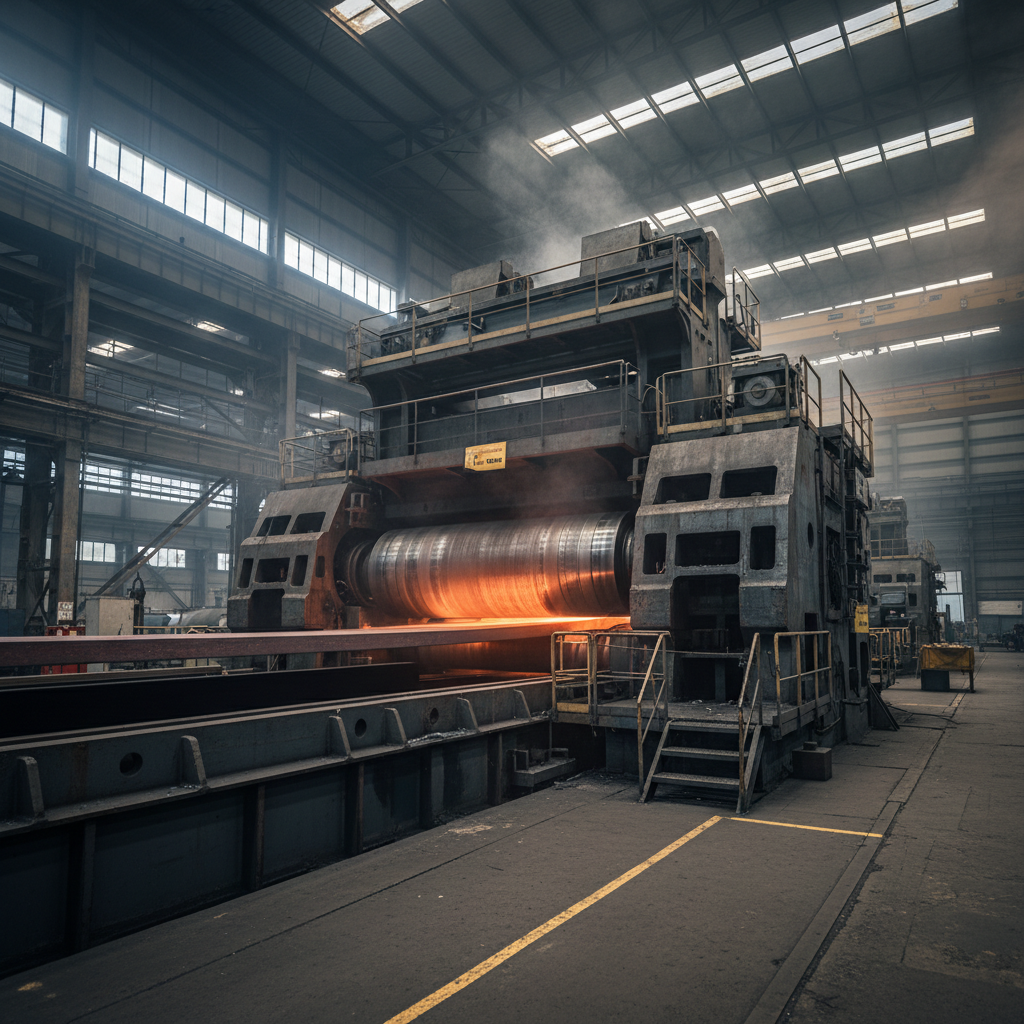
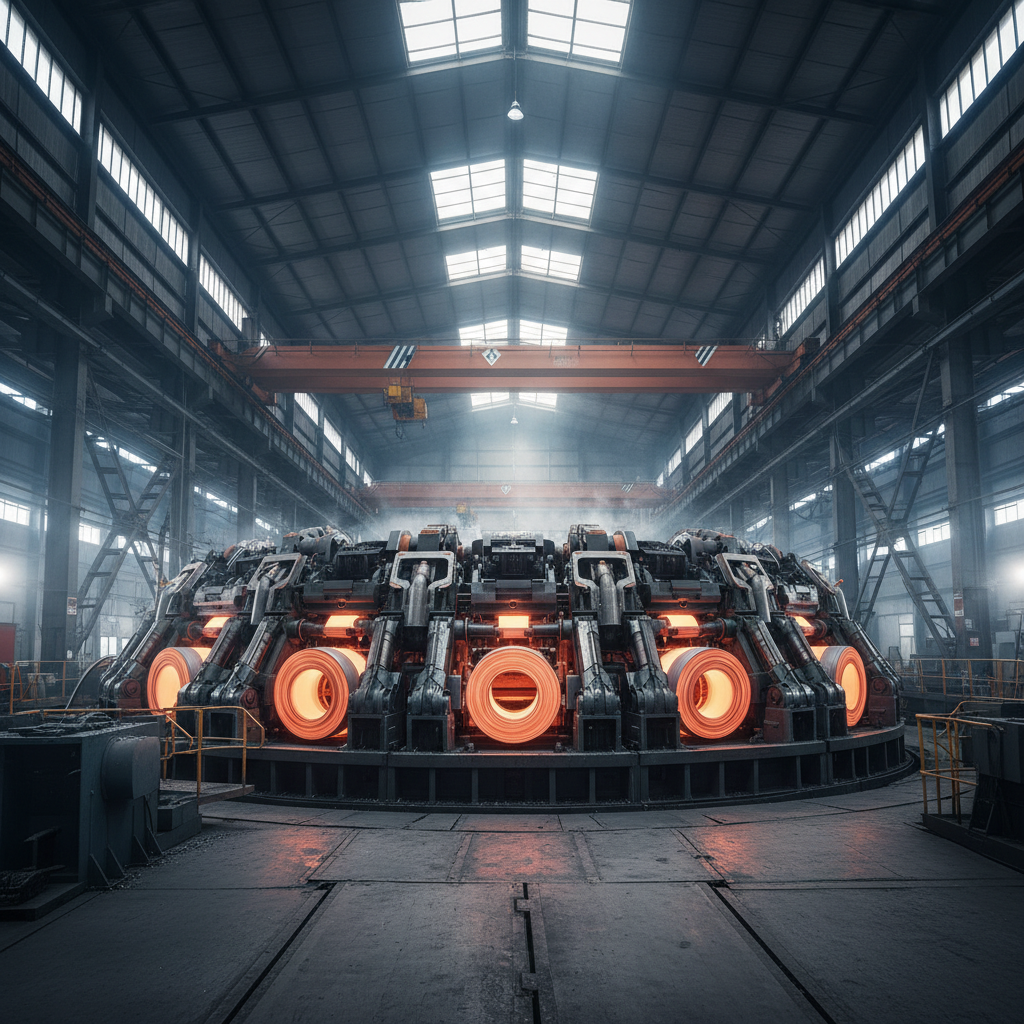
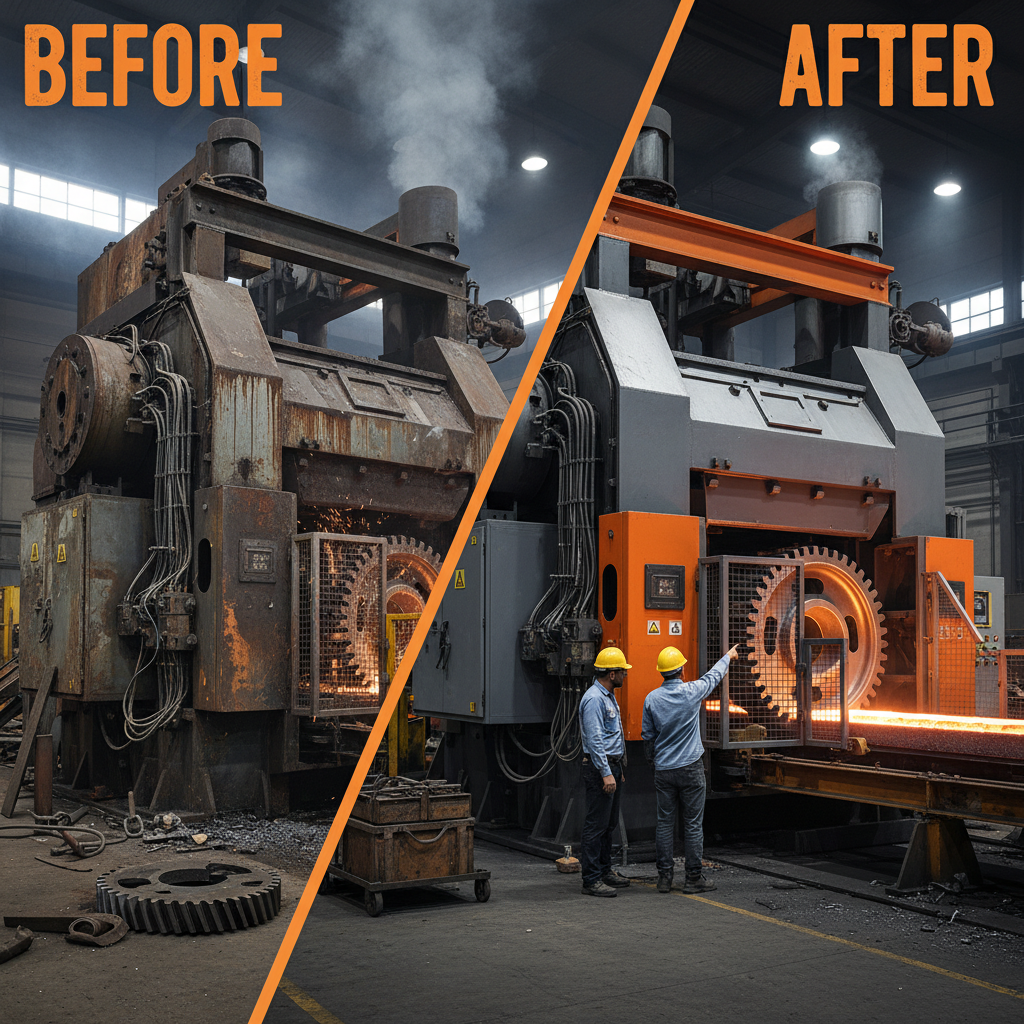
Aluminum mills are the cornerstone of modern material science and manufacturing, transforming raw materials into the versatile metal we rely on daily. These industrial facilities play a critical role in a vast array of sectors, from aerospace and automotive to packaging and construction. Understanding the processes, challenges, and innovations within aluminum mills is crucial for navigating the evolving landscape of global industry and resource management.
Globally, aluminum production is a multi-billion dollar industry, with significant economic and geopolitical implications. According to the International Aluminium Institute, global aluminum demand continues to rise, driven by the need for lightweight, durable, and recyclable materials. The operation of aluminum mills directly impacts employment, energy consumption, and environmental sustainability, presenting both opportunities and challenges for nations and communities worldwide.
The efficient and responsible operation of aluminum mills is vital for supporting infrastructure development, technological advancements, and the transition towards a more sustainable future. By continually improving production methods and embracing innovative technologies, aluminum mills can contribute to a stronger, more resilient, and environmentally conscious global economy.
The Importance of Aluminum Mills
Aluminum mills are integral to a vast network of industries, serving as the primary source of aluminum used in countless products. From lightweight components in aircraft and automobiles to durable packaging materials and the frames of buildings, the impact of aluminum mills extends to nearly every facet of modern life. The ongoing demand for aluminum highlights the crucial role these facilities play in supporting global economic growth.
Without efficient and reliable aluminum mills, many essential industries would face significant disruptions and limitations. The ability to produce high-quality aluminum in sufficient quantities is therefore a strategic priority for nations seeking to maintain their competitiveness and ensure the availability of critical materials. aluminum mills are thus a cornerstone of the modern supply chain.
Defining Aluminum Mills
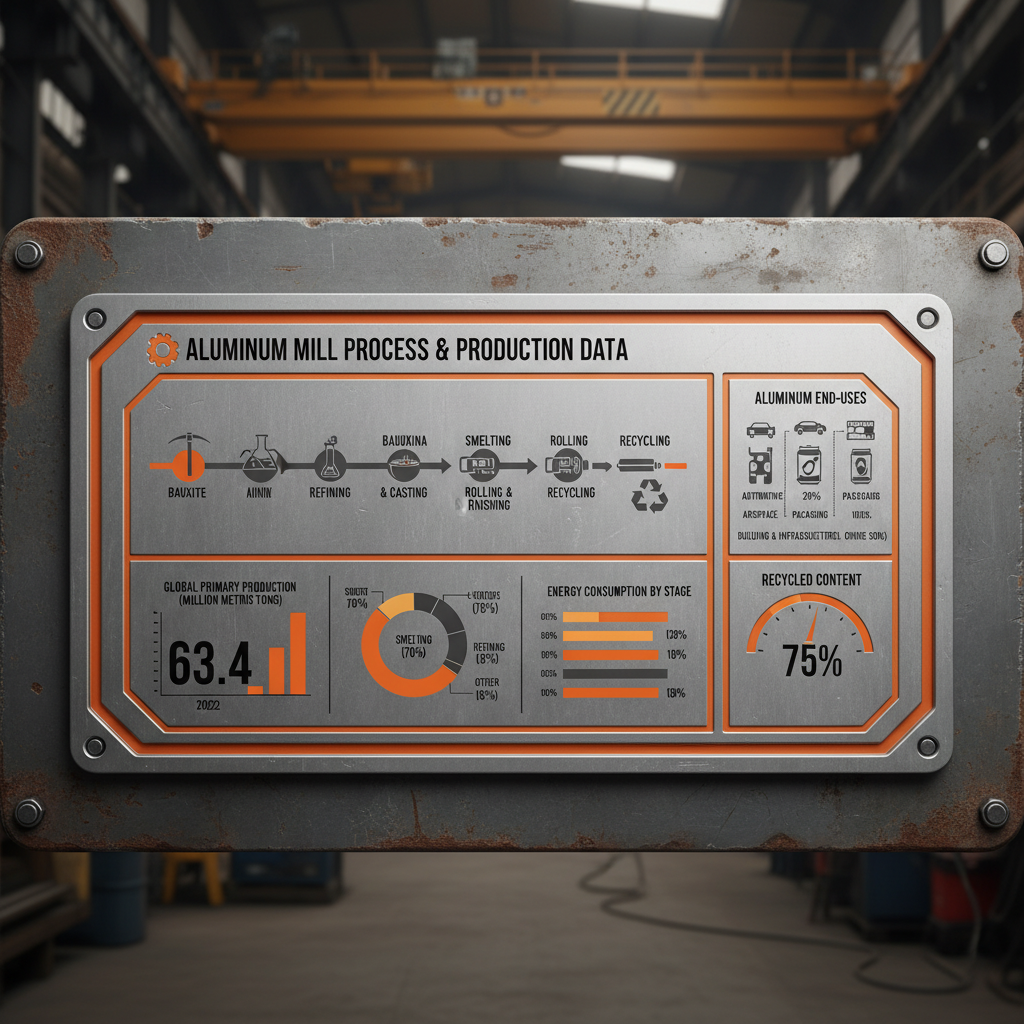
Aluminum mills are large-scale industrial facilities dedicated to the processing of aluminum ore (bauxite) into usable aluminum metal. This process is complex and involves several stages, including refining bauxite into alumina, followed by the electrolytic reduction of alumina to produce molten aluminum. This molten aluminum is then further processed into various forms, such as ingots, billets, and slabs, ready for downstream manufacturing.
These facilities are not simply about metal production; they represent a confluence of chemical engineering, materials science, and advanced manufacturing techniques. Aluminum mills are essential for meeting the escalating demand for this versatile metal, which is prized for its lightweight properties, corrosion resistance, and recyclability.
The connection to modern industry and humanitarian needs is substantial. Aluminum’s light weight is critical for fuel efficiency in transportation, while its durability and corrosion resistance make it ideal for infrastructure projects in challenging environments. In disaster relief, lightweight aluminum structures can be rapidly deployed, providing essential shelter and support.
Core Components of Aluminum Mill Operation
The efficient operation of aluminum mills hinges on several key components. First, the availability of high-quality bauxite ore is fundamental. Then, the Bayer process – used to refine bauxite into alumina – is critical for ensuring purity. Next, the Hall-Héroult process, the cornerstone of aluminum smelting, uses electrolysis to reduce alumina to aluminum metal.
Beyond the core processes, energy efficiency is paramount. Aluminum smelting is energy-intensive, requiring substantial electricity. Mills are increasingly investing in renewable energy sources and optimizing processes to minimize their carbon footprint. Furthermore, efficient casting and fabrication technologies are vital for producing aluminum in the desired shapes and sizes.
Finally, robust quality control systems are crucial throughout the entire process. This ensures that the final aluminum products meet stringent industry standards for purity, strength, and durability. These components work in concert to drive the productivity and sustainability of aluminum mills.
Applications Across Industries
The versatility of aluminum derived from aluminum mills lends itself to a remarkably diverse range of applications. The aerospace industry utilizes aluminum alloys extensively for aircraft construction, reducing weight and improving fuel efficiency. Similarly, the automotive sector leverages aluminum to create lighter vehicles, enhancing performance and reducing emissions.
In the packaging industry, aluminum's recyclability and barrier properties make it ideal for food and beverage containers. Construction relies on aluminum for window frames, cladding, and structural components, offering durability and corrosion resistance. The electrical industry uses aluminum for power transmission lines due to its excellent conductivity.
Aluminum Mill Process Efficiency
Advantages and Long-Term Value
Aluminum’s inherent properties translate into numerous advantages. Its lightweight nature reduces transportation costs and improves energy efficiency in applications like vehicles. Exceptional corrosion resistance ensures longevity and minimizes maintenance. The metal’s high conductivity makes it ideal for electrical applications.
Beyond these technical benefits, aluminum’s recyclability is a major asset, contributing to a circular economy and reducing reliance on virgin materials. Investing in aluminum production, and supporting aluminum mills, provides long-term economic value and supports sustainable practices.
Future Trends and Innovation
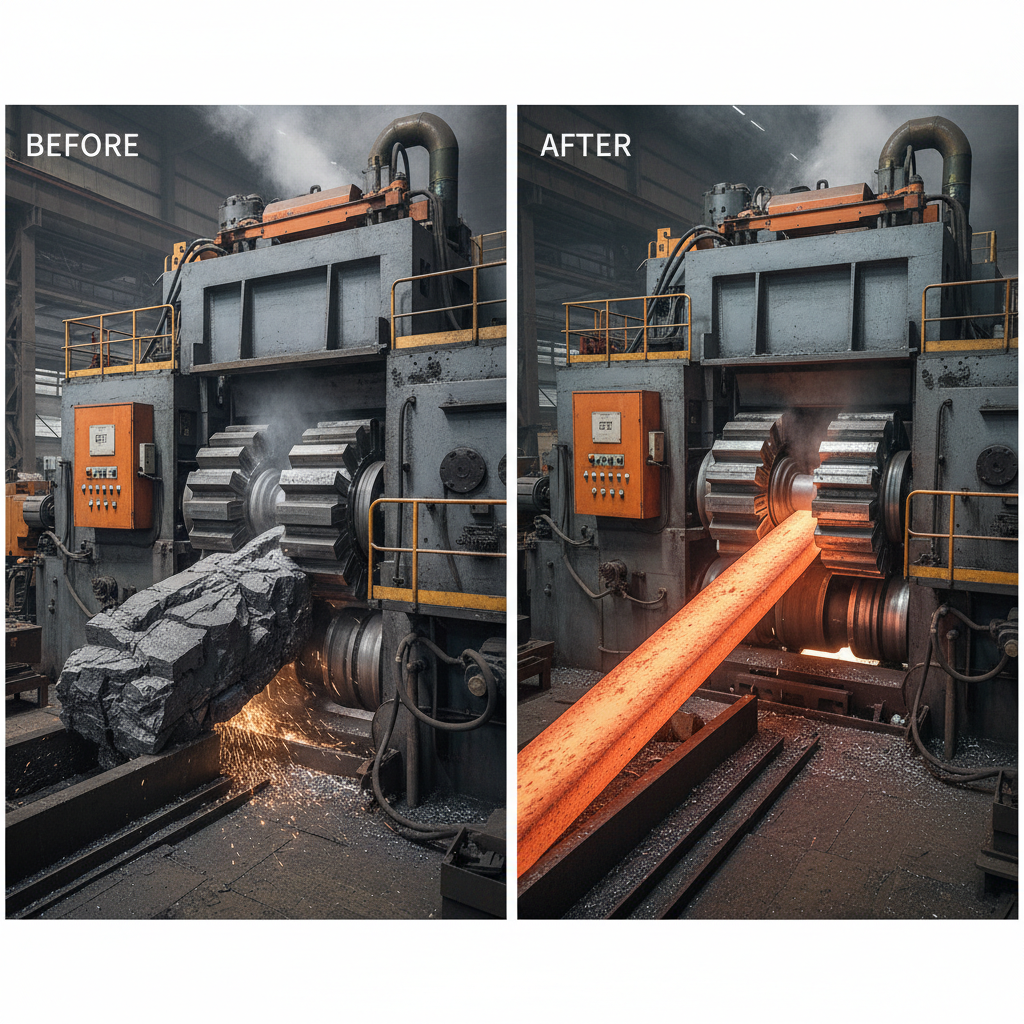
The future of aluminum mills is poised for significant transformation, driven by the pursuit of greater sustainability and efficiency. Green aluminum production, utilizing renewable energy sources for electrolysis, is gaining momentum. Digitalization and automation are optimizing processes, reducing waste, and improving quality control.
Innovative alloys with enhanced properties are being developed to meet the evolving demands of various industries. Furthermore, research into alternative smelting technologies, such as inert anodes, promises to further reduce the environmental impact of aluminum production.
These advancements will enable aluminum mills to play an even more prominent role in a resource-constrained world, providing a vital material for a wide range of applications while minimizing their environmental footprint.
Challenges and Solutions in Aluminum Milling
Aluminum milling faces challenges including high energy consumption, environmental impact associated with bauxite mining and alumina refining, and the need for continuous innovation to stay competitive. Fluctuating energy prices and stringent environmental regulations pose ongoing hurdles.
Solutions include investing in renewable energy sources, optimizing process efficiency to reduce energy demand, and implementing closed-loop water management systems. The development of more sustainable bauxite mining practices and the exploration of alternative feedstocks are also crucial.
Collaboration between industry, research institutions, and governments is essential to overcome these challenges and unlock the full potential of aluminum mills as sustainable and responsible providers of a critical material.
Summary of Challenges and Solutions in Aluminum Milling
| Challenge Area |
Severity (1-10) |
Proposed Solution |
Implementation Cost (Scale 1-10) |
| Energy Consumption |
9 |
Renewable Energy Integration |
7 |
| Environmental Impact of Bauxite Mining |
8 |
Sustainable Mining Practices |
6 |
| Process Efficiency |
7 |
Automation and Digitalization |
8 |
| Waste Management |
6 |
Closed-Loop Water Systems |
5 |
| Regulatory Compliance |
7 |
Proactive Environmental Monitoring |
4 |
| Innovation & R&D |
5 |
Investment in New Technologies |
9 |
FAQS
The main environmental concerns include high energy consumption leading to greenhouse gas emissions, the impact of bauxite mining on ecosystems, and the generation of waste products like red mud. Aluminum mills are actively working to mitigate these impacts through energy efficiency measures, responsible mining practices, and waste recycling initiatives.
The energy source is a critical factor in the sustainability of aluminum production. Mills powered by fossil fuels have a significant carbon footprint. Transitioning to renewable energy sources, such as hydroelectric, solar, or wind power, dramatically reduces the environmental impact and contributes to a more sustainable aluminum industry.
Red mud is a byproduct of the Bayer process, used to refine bauxite into alumina. It contains various oxides and is highly alkaline. Traditionally, it was stored in large ponds, posing environmental risks. Current efforts focus on safe and responsible disposal, as well as innovative methods for utilizing red mud in construction materials and other applications.
Innovations include the development of high-strength aluminum alloys for aerospace applications, lightweight alloys for automotive industries to improve fuel efficiency, and corrosion-resistant alloys for marine environments. These advances expand the range of applications for aluminum and reduce material usage.
Aluminum is highly recyclable, and recycling requires only about 5% of the energy needed to produce primary aluminum. This significantly reduces energy consumption, greenhouse gas emissions, and the demand for bauxite mining. A robust aluminum recycling infrastructure is crucial for a circular economy.
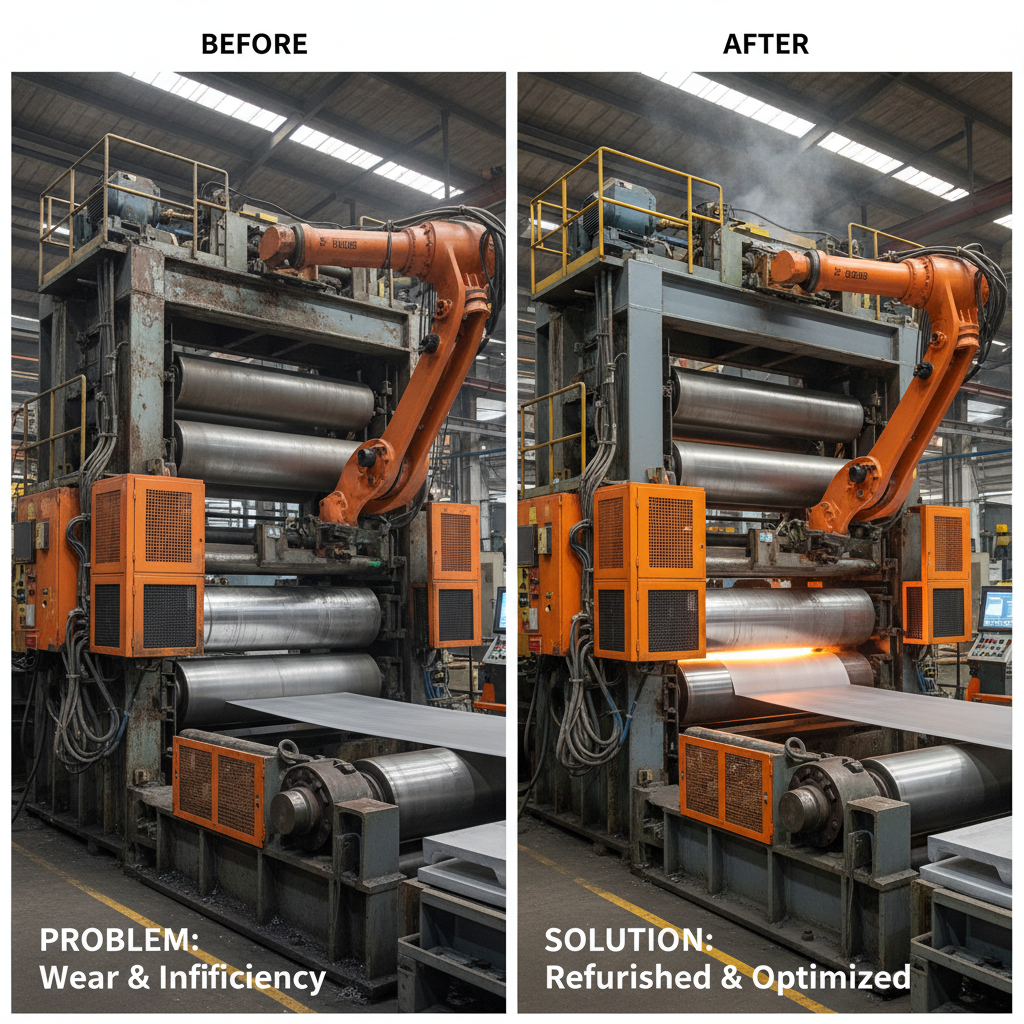
Automation enhances efficiency, reduces labor costs, and improves product quality in aluminum mills. Robotic systems are used for handling materials, performing inspections, and controlling processes. Digitalization and data analytics optimize operations and predictive maintenance, minimizing downtime and improving overall productivity.
Conclusion
Aluminum mills are critical components of the global economy, providing a versatile and essential material for countless industries. From aerospace and automotive to packaging and construction, the impact of these facilities is far-reaching. Addressing the challenges of energy consumption, environmental impact, and sustainable resource management will be crucial for ensuring the long-term viability of the aluminum industry.
Investing in innovation, embracing renewable energy, and promoting responsible mining practices are essential steps towards a more sustainable future for aluminum production. By prioritizing these areas, we can unlock the full potential of aluminum as a lightweight, durable, and recyclable material, contributing to a stronger and more environmentally conscious world. Visit our website at www.bjywlx.com to learn more about our commitment to sustainable aluminum solutions.