The Value Proposition of Cold Reversing Mill
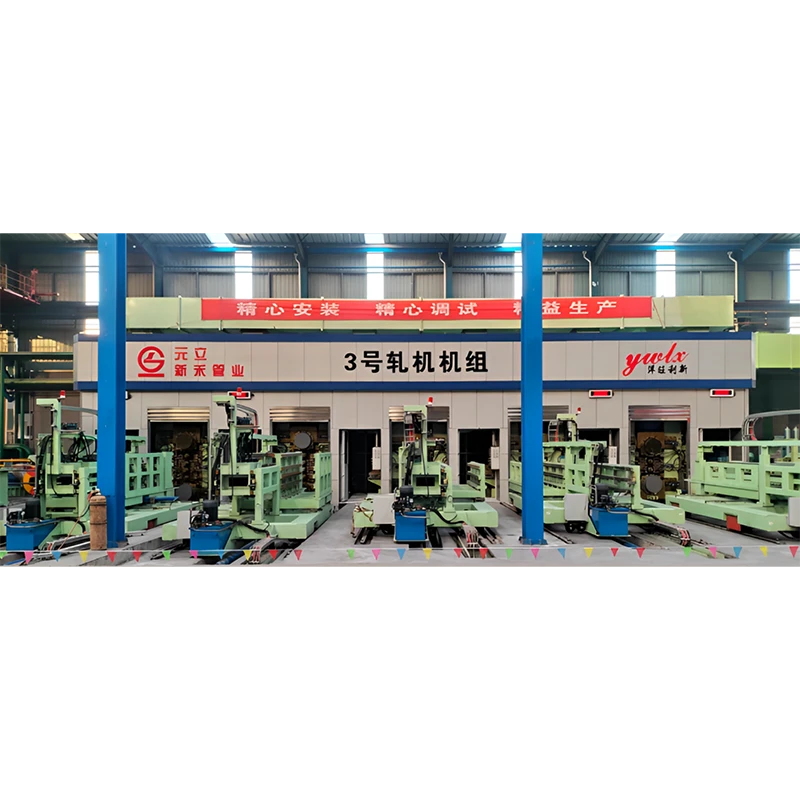
In the dynamic world of metal processing, where efficiency, precision, and material diversity are paramount, the cold reversing mill stands as a testament to robust and adaptable engineering. For operations requiring high-quality strip production across various grades and batch sizes, this technology offers a compelling combination of control, versatility, and cost-effectiveness. This article delves into the core advantages of the cold reversing rolling mill, exploring why it remains a cornerstone technology for modern metallurgical facilities and how a partnership with Yang Wang Li Xin (YWLX) can unlock its full potential for your production goals.
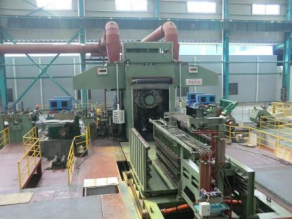
The Core Strengths of a Modern Cold Reversing Mill
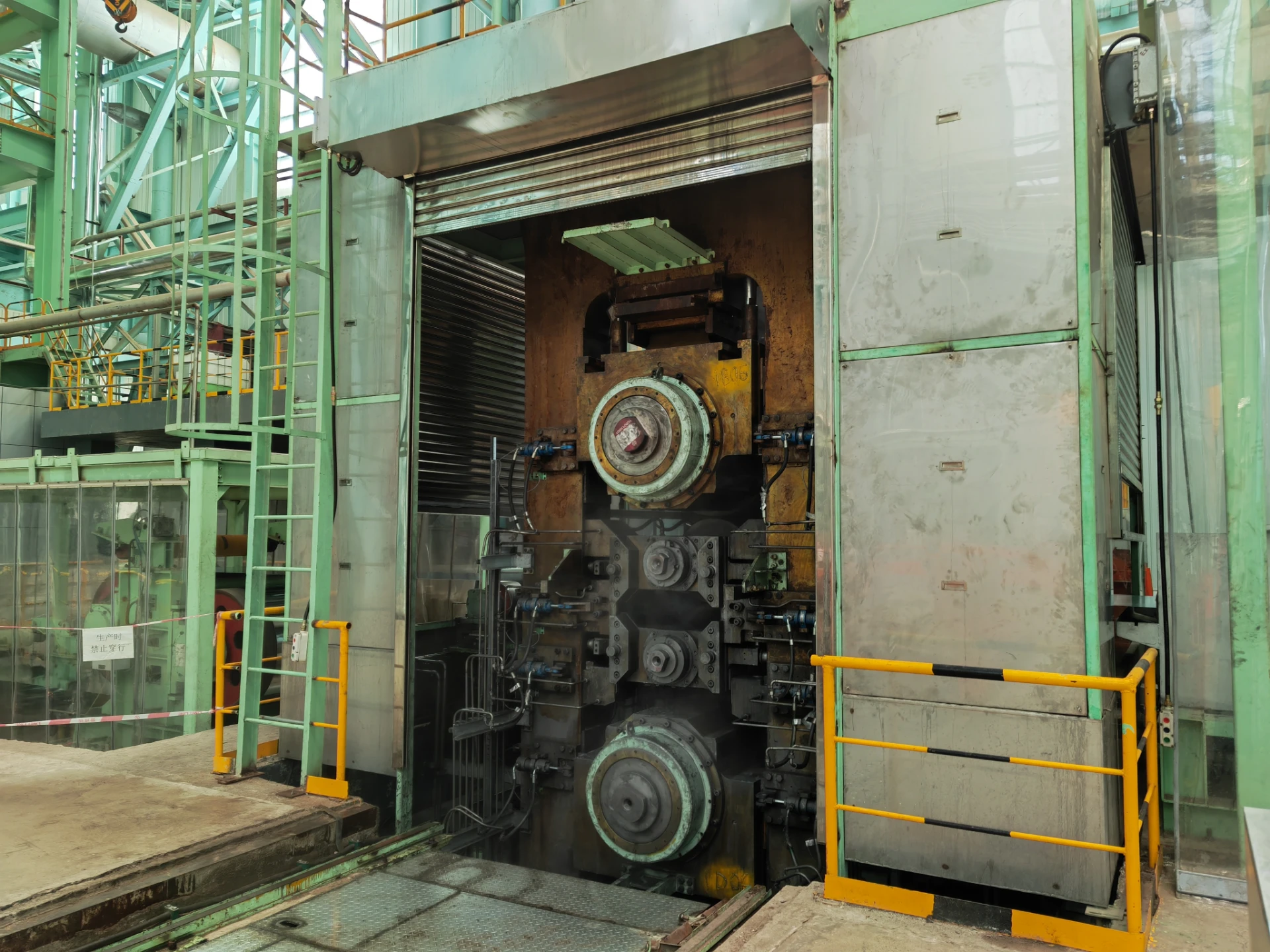
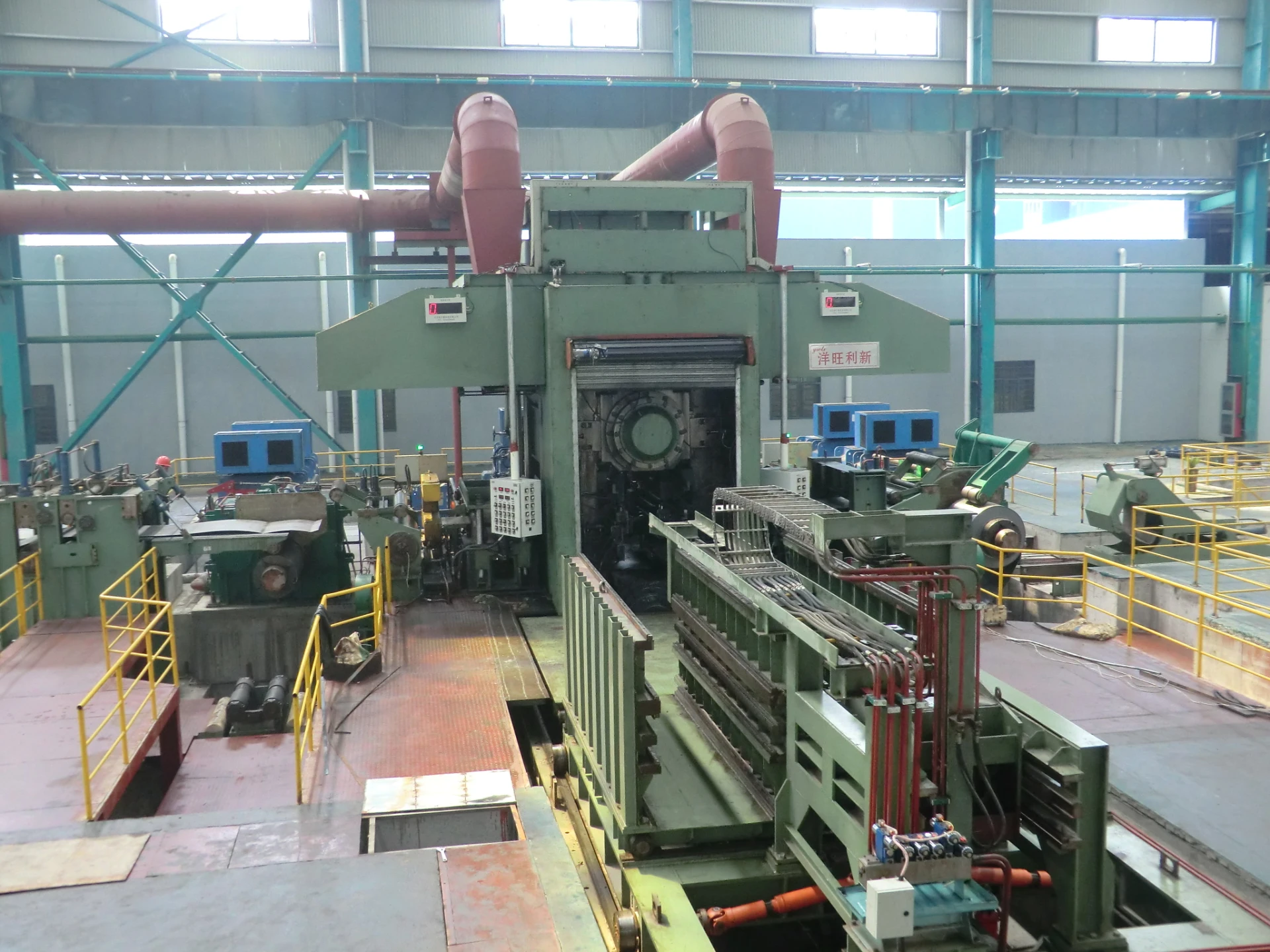
A cold reversing mill operates on a brilliantly efficient principle: the strip is passed back and forth through a single mill stand or a limited number of stands, with reductions taken on each pass until the target thickness is achieved. This fundamental method grants the cold reversing rolling mill several inherent advantages over continuous tandem lines, especially for specialized or mid-volume production.
The foremost strength is exceptional flexibility. A single cold reversing mill can process a wide array of materials—from standard carbon steels to demanding grades like silicon steel and stainless steel—without the need for extensive line reconfiguration. This makes it ideal for manufacturers dealing with diverse orders or smaller batch sizes. Secondly, the reversing process allows for unparalleled process control. Operators can meticulously adjust parameters like tension, speed, and roll force for each individual pass, ensuring optimal conditions for the material being rolled. This granular control directly translates to superior product quality in terms of thickness tolerance, surface finish, and strip flatness. Furthermore, the capital investment and physical footprint for a cold reversing mil are generally lower than for a high-speed tandem line, offering an excellent return on investment for many operations.
Engineering Excellence in the Reversing Cold Rolling Mill
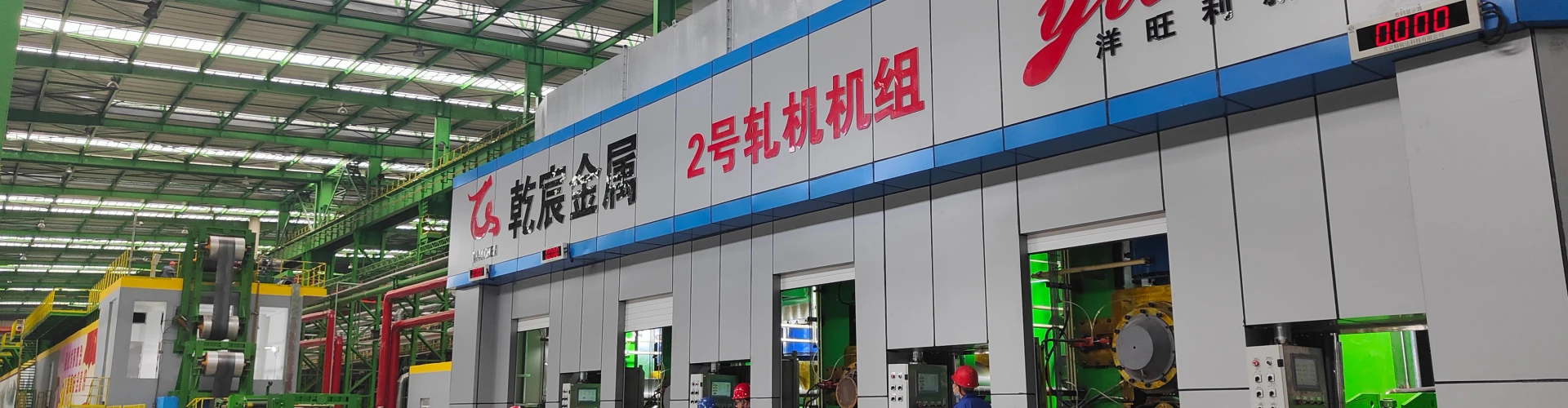
At YWLX, we have elevated the conventional cold reversing mill into a pinnacle of precision engineering. Our expertise, rooted in over two decades of dedicated R&D and manufacturing led by industry veterans like Dr. Yang, focuses on integrating advanced technologies to maximize the inherent benefits of the reversing cold rolling mill design.
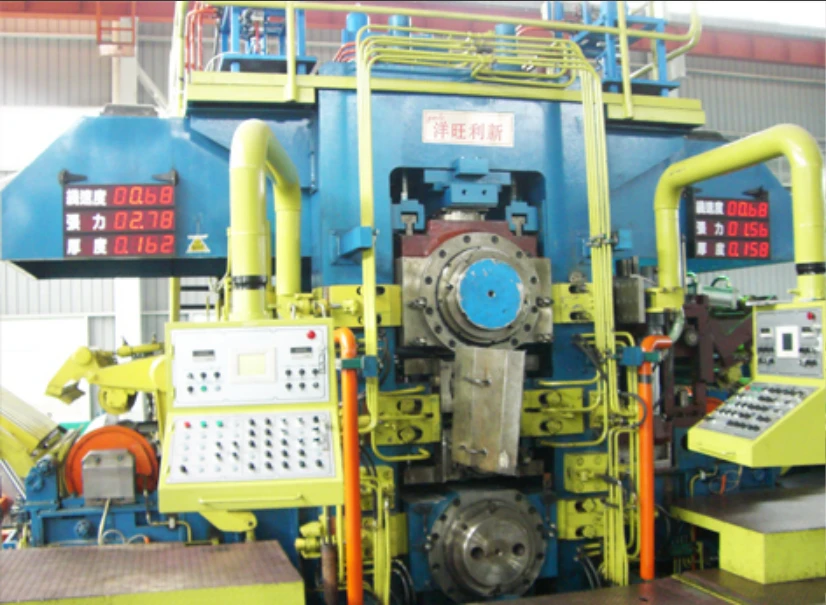
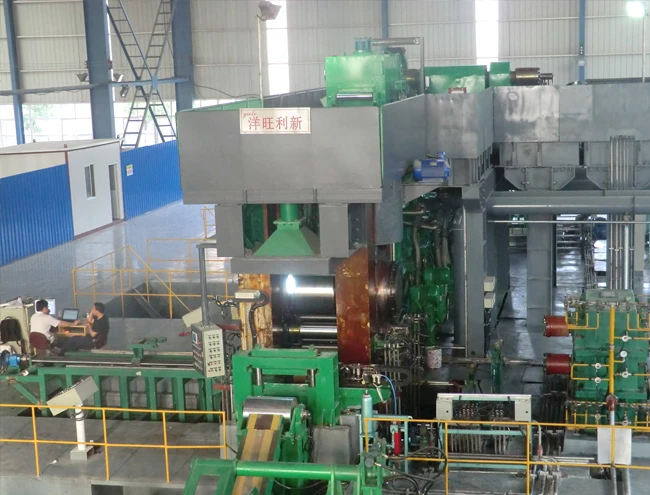
Our flagship Four-High and Six-High reversing cold rolling mill configurations are prime examples of this philosophy. The Six-High design, in particular, incorporates intermediate rolls that can be shifted and bent. This advanced feature provides superior control over the roll gap contour, allowing us to expertly manage strip shape and profile across a vast range of widths and materials. Whether rolling carbon steel down to 0.2mm or handling the unique challenges of silicon steel, our mills are built to deliver consistent, high-precision results. The engineering is not just mechanical; it's a harmonious integration of robust mechanics, responsive hydraulics, and intelligent digital controls, creating a system that is both powerful and precisely controllable.
Technical Parameters: The Blueprint of a High-Performance Cold Reversing Mil
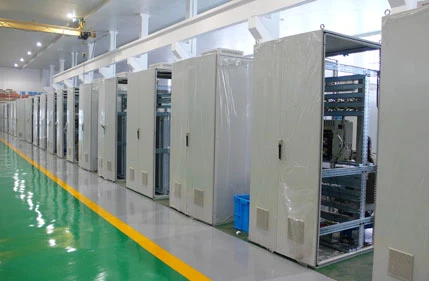
The advantages of a cold reversing mil are realized through its concrete technical specifications. YWLX designs mills with parameters that ensure reliability, precision, and ease of operation. These specifications form the blueprint for high-performance production. Our reversing cold rolling mill systems feature a mature basic and process automation control system built on PLC technology, ensuring stable and intelligent operation. For drive control, we implement full digital DC speed control across the production line, enabling precise management of rolling speeds. A core component is our comprehensive Hydraulic Automatic Gauge Control (AGC) system, which incorporates forward AGC, feedback AGC, monitoring AGC, and mass flow AGC to guarantee exceptional thickness consistency.
In terms of rolling and shape control, our mills are equipped with segmented roll cooling systems for precise thermal management. We utilize positive and negative bending of the work rolls, and in our Six-Hi mills, positive bending and shifting of the intermediate rolls, providing unparalleled command over strip profile and flatness. Rolling level can be quickly adjusted via a motor-driven worm and worm gear mechanism. Operational efficiency is enhanced through quick-change systems for both work rolls and intermediate rolls, minimizing downtime. Furthermore, a sophisticated data management system handles the collection, display, storage, and input/output of all critical process data, complete with integrated fault diagnosis and alarm functions to ensure continuous, reliable operation.
These technical features are not merely a checklist; they embody our commitment to delivering a reversing cold mill solution that provides tangible, high-performance results, consistently meeting the most stringent technical requirements for thickness tolerance and flatness across a diverse range of product portfolios.
FAQs About Cold Reversing Mill
What are the main advantages of a cold reversing mill?
The primary advantages of a cold reversing mill center on flexibility and precision. It is exceptionally adaptable, capable of rolling various materials (carbon steel, silicon steel, stainless steel) and handling smaller batch sizes efficiently. The reversing process allows for meticulous, pass-by-pass control, leading to outstanding product quality in terms of dimensional accuracy and surface finish. Furthermore, its lower initial investment and compact footprint make it a highly cost-effective solution for many production scenarios.
How does a reversing cold mill handle different materials? --H3
A well-engineered reversing cold rolling mill is built for versatility. The core design, especially the Six-Hi configuration with intermediate roll shifting and bending, provides the necessary tooling and control flexibility. Combined with advanced segmented cooling and precise AGC systems, the mill can be optimally tuned for the distinct rolling characteristics of carbon steel, the magnetic properties of silicon steel, and the work-hardening behavior of stainless steel, ensuring high-quality output for each material type.
What level of automation is in a modern cold reversing mill?
Modern cold reversing mill systems are equipped with comprehensive automation suites. This includes full PLC-based control for both basic operations and advanced process logic. The entire line features digital DC drive control, with closed-loop tension control and automatic speed regulation. Sophisticated hydraulic AGC systems ensure consistent gauge, while integrated data management systems provide real-time monitoring, historical analysis, and diagnostic alerts for maximum uptime and process stability.
Can a reversing cold mill achieve high precision?
Absolutely. Achieving high precision in both thickness and flatness is a fundamental design goal for a modern reversing cold rolling mill. This is accomplished through a multi-layered control strategy: sophisticated Hydraulic AGC maintains exacting thickness tolerances, while the combination of work roll bending, intermediate roll bending and shifting (in 6-Hi mills), and segmented roll cooling provides powerful and responsive control over strip shape and flatness, meeting the most demanding technical specifications.
Why choose a specialized provider for a cold reversing mill project?
Choosing a specialized provider like YWLX means partnering with experts who have deep domain knowledge. Such partners offer proven expertise in high-precision mill systems and provide tailored, turn-key solutions—from consultation and design to manufacturing, installation, and commissioning. A proven track record with leading global clients and a commitment to integrating cutting-edge technology into robust, reliable equipment are key factors that make a specialized provider a trusted partner for enhancing your cold rolling capabilities.
-
Ship Multi-Project Equipment on the Lantern FestivalNewsMar.03,2026
-
YWLX Deep Dives into Cladding Line with Dubai ClientNewsDec.22,2025
-
1450mm 6-Hi Reversing Mill Goes Live in BangladeshNewsOct.28,2025
-
Sep. 3rd Parade: Carry Forward and Press OnNewsSep.03,2025
-
Indian Clients Visit YWLX to Inspect Skin-pass MillNewsJun.22,2025
-
Full- throttle! YWLX's Intense Production During May DayNewsMay.01,2025
-
YWLX Participated in the 2025 Chinese GAP Program Review ConferenceNewsApr.17,2025