Expert Insights on AGC System for Industrial Control
Understanding the AGC System: A Veteran's Perspective
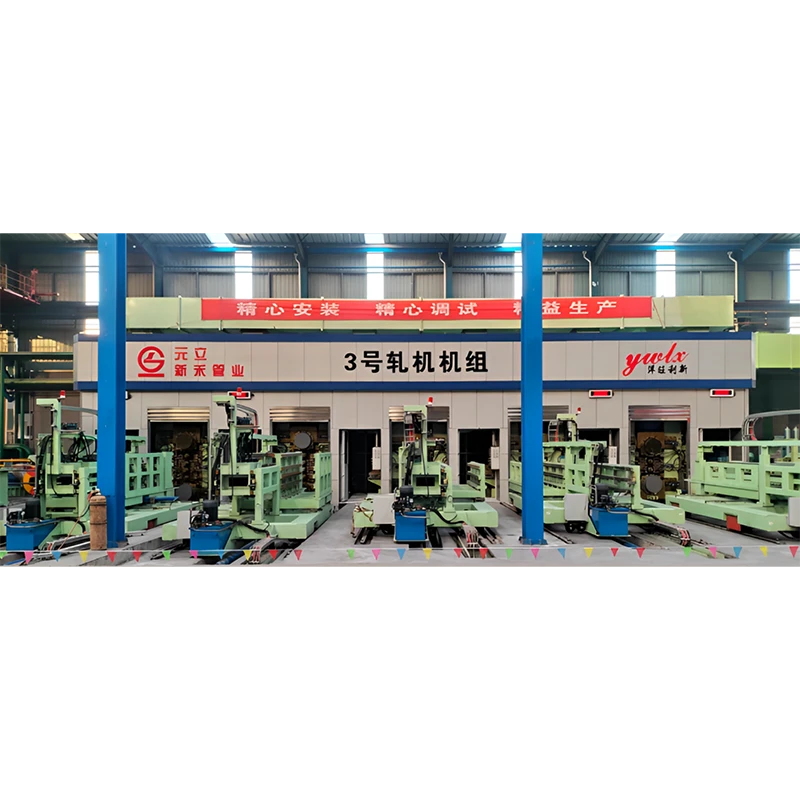
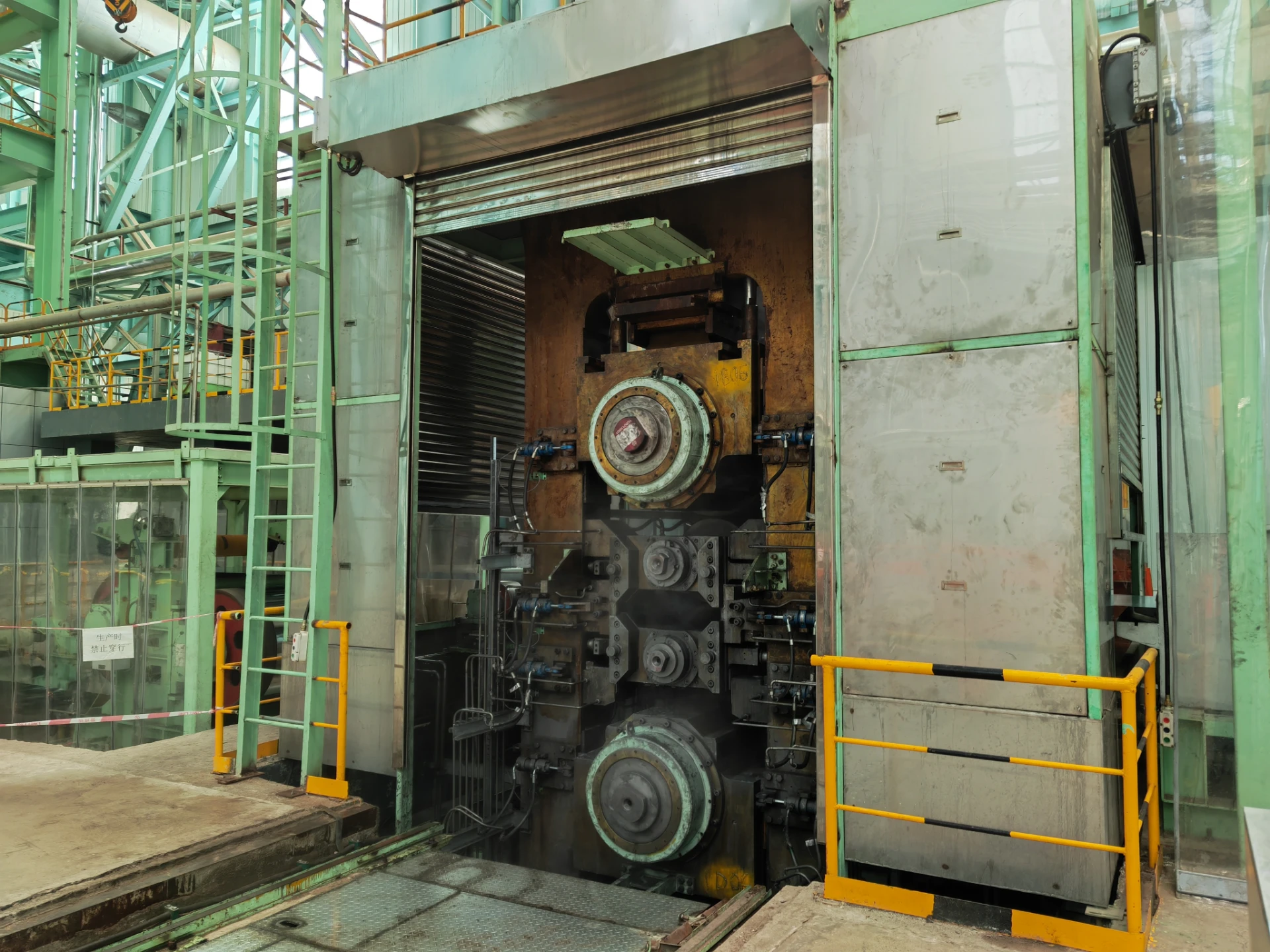
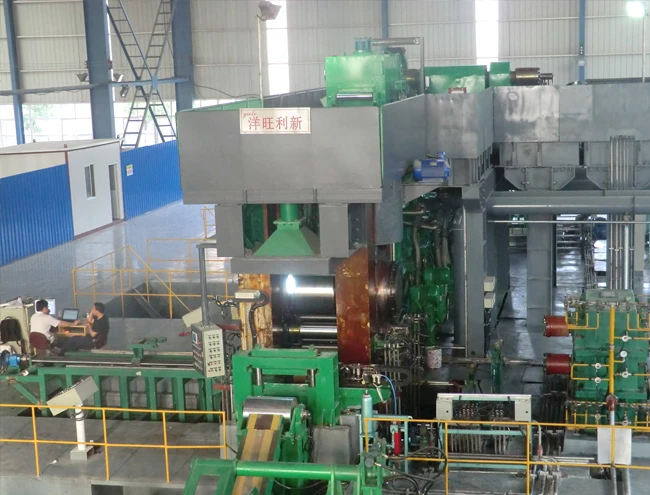
Having spent over a decade in the industrial equipment sector, I’ve come across countless components and control systems, but the AGC system—Automatic Gauge Control—stands apart as a quietly indispensable marvel. You might hear engineers talk about it in passing, but honestly, it’s one of those technologies that, once you grasp how pivotal it is, you start noticing it everywhere, literally shaping the thickness and quality of rolled metal, paper, plastic films and more.
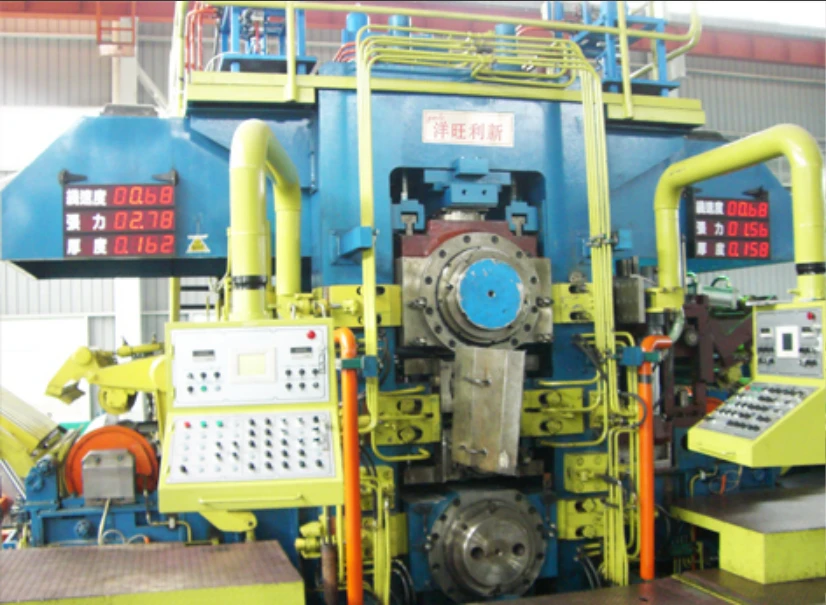
The essence of the AGC system is straightforward but effective: it continuously monitors and adjusts the thickness (or gauge) of a moving strip in real-time during manufacturing. This isn’t just about precision—though that’s critical—it’s also about consistency and efficiency on the production line. Frankly, without a reliable AGC, you risk costly material waste and unhappy customers.
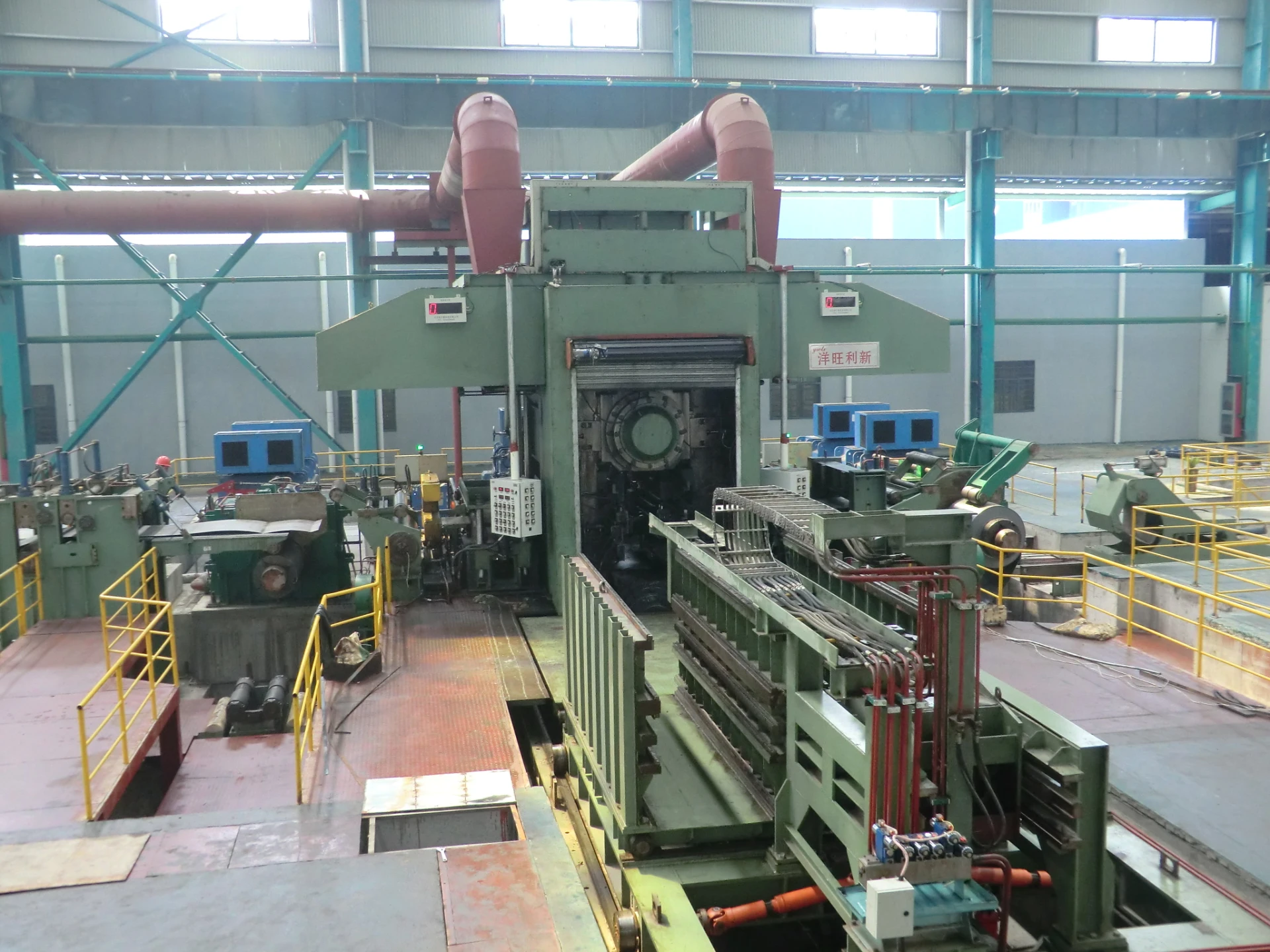
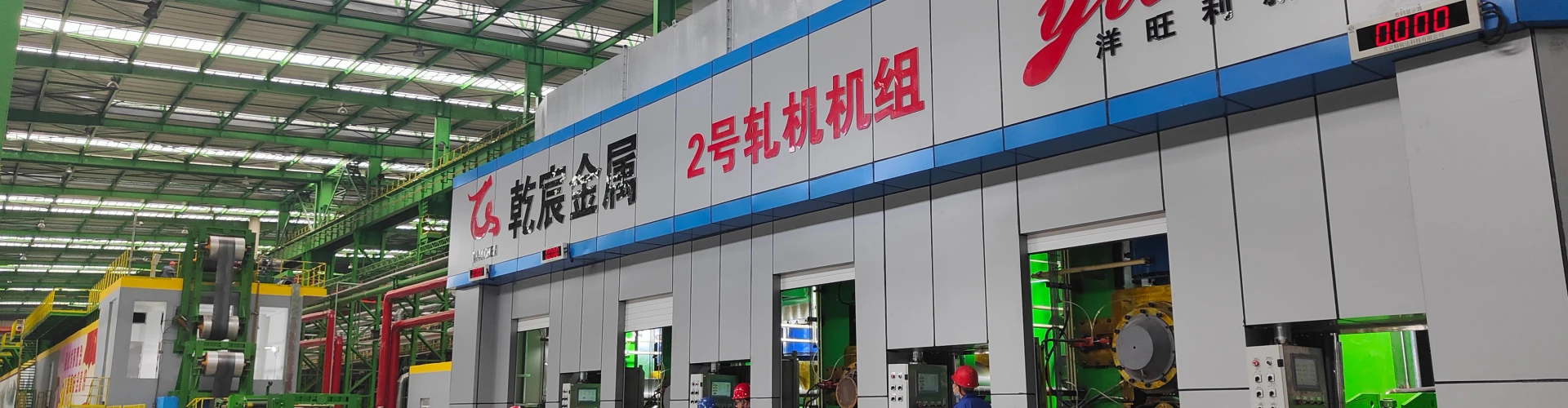
In my early days, I recall a steel rolling mill struggling with gauge fluctuation that set their downstream processes into chaos. Installing a modern AGC system was like flipping a switch—the thickness control stabilized, throughput improved, and the scrap rate dropped significantly. Those few months of trial and error paid off big in the long run.
AGC System Key Specifications
| Specification | Value/Range |
|---|---|
| Measurement Accuracy | ±0.001 mm |
| Gauge Range | 0.1 mm to 30 mm |
| Response Time | 30 ms typical |
| Sensor Types | X-ray, Beta Ray, Ultrasonic |
| Control Interface | PLC, SCADA-compatible |
| Operating Temperature | -20°C to 60°C |
Now, I know from chatting at conferences and plant visits that one of the biggest challenges is choosing the right vendor. That’s not a trivial decision: you have small firms that specialize deeply but sometimes lack scale, and big players with wide portfolios but maybe less personal attention. Both have their merits, really.
Vendor Comparison for AGC Systems
| Vendor | Expertise | Customization | Support | Price |
|---|---|---|---|---|
| Company A | Industry pioneers, multi-industry | High – tailored solutions | 24/7 global support | Premium |
| Company B | Strong focus on metals | Medium – limited platforms | Regional offices | Moderate |
| Company C | Niche markets, plastics | Low – standard modules | Online only | Cost effective |
Oddly enough, many engineers I speak with appreciate the simplicity of ultrasonic sensors, while others swear by X-ray for its stability on reflective metals. I suppose it all boils down to your product and process specifics. For instance, a factory I consulted recently had to swap sensor types to meet a new lightweight alloy spec — a reminder that flexibility is key.
And while the technical specs are impressive—fast response times and sub-micron accuracy—there’s more at play. Integration, operator training, and ongoing diagnostics define successful deployments. You know, it’s bittersweet when a system runs so smoothly it goes unnoticed, but that’s ultimately the goal.
If you’re exploring an AGC system for your line, do your homework on sensor compatibility, expected roll speeds, and feedback control loops. I’ve found the best results come from collaborative vendors who are willing to fine-tune the setup for your conditions—not just sell off-the-shelf gear.
To wrap this up, the AGC system might not be flashy, but it quietly underpins quality and profit margins in many sectors. From my time on the floor, constant innovation combined with grounded engineering is what keeps the wheels turning—literally.
References:
1. Steel Technology Magazine, "Advancements in Thickness Measurement," 2022.
2. Journal of Industrial Automation, Vol. 7, AGC Control Techniques, 2023.
3. Interviews with Plant Engineers, Midwest Rolling Mills, 2023.
-
Ship Multi-Project Equipment on the Lantern FestivalNewsMar.03,2026
-
YWLX Deep Dives into Cladding Line with Dubai ClientNewsDec.22,2025
-
1450mm 6-Hi Reversing Mill Goes Live in BangladeshNewsOct.28,2025
-
Sep. 3rd Parade: Carry Forward and Press OnNewsSep.03,2025
-
Indian Clients Visit YWLX to Inspect Skin-pass MillNewsJun.22,2025
-
Full- throttle! YWLX's Intense Production During May DayNewsMay.01,2025
-
YWLX Participated in the 2025 Chinese GAP Program Review ConferenceNewsApr.17,2025