Temper Mill Configurations And Their Purposes
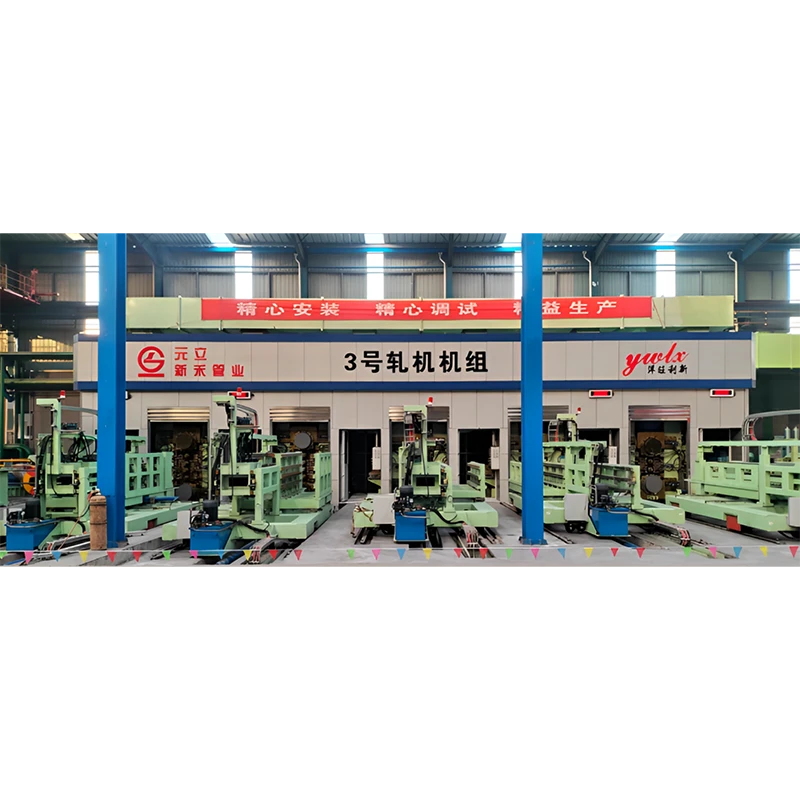
In the precise world of metal finishing, achieving the perfect balance of strength, formability, and surface quality is paramount. This is where the temper mill becomes an indispensable asset. Far from being a one-size-fits-all solution, modern temper mills are sophisticated systems whose configuration dictates their capability. As a premier provider of metallurgical solutions, Yang Wang Li Xin(YMLX) leverages over two decades of expertise to engineer temper rolling and soft rolling systems that are the final, defining step in metal production. This article delves into the core configurations of these mills and their critical purposes.
Temper Mill & Skin Pass Mill: Core of Surface and Property Control
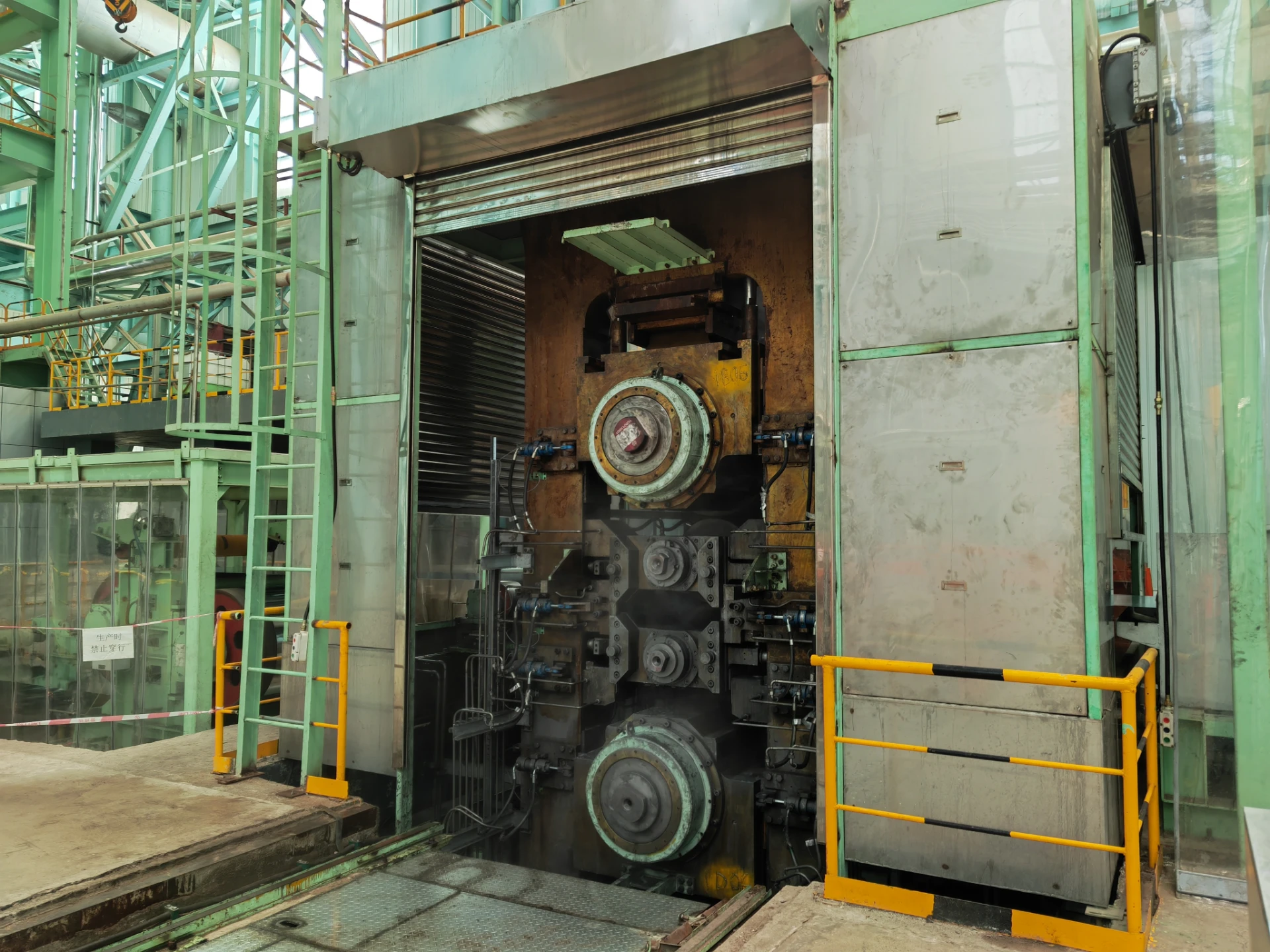
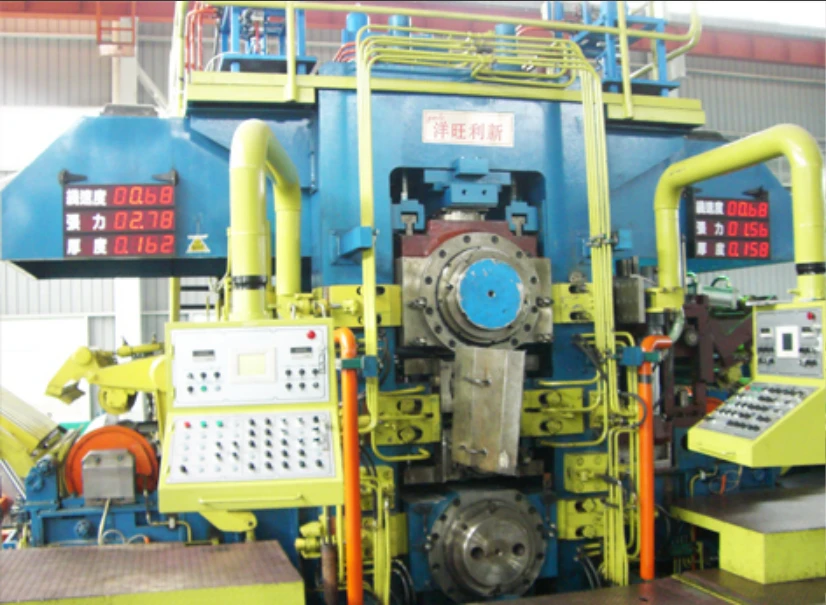
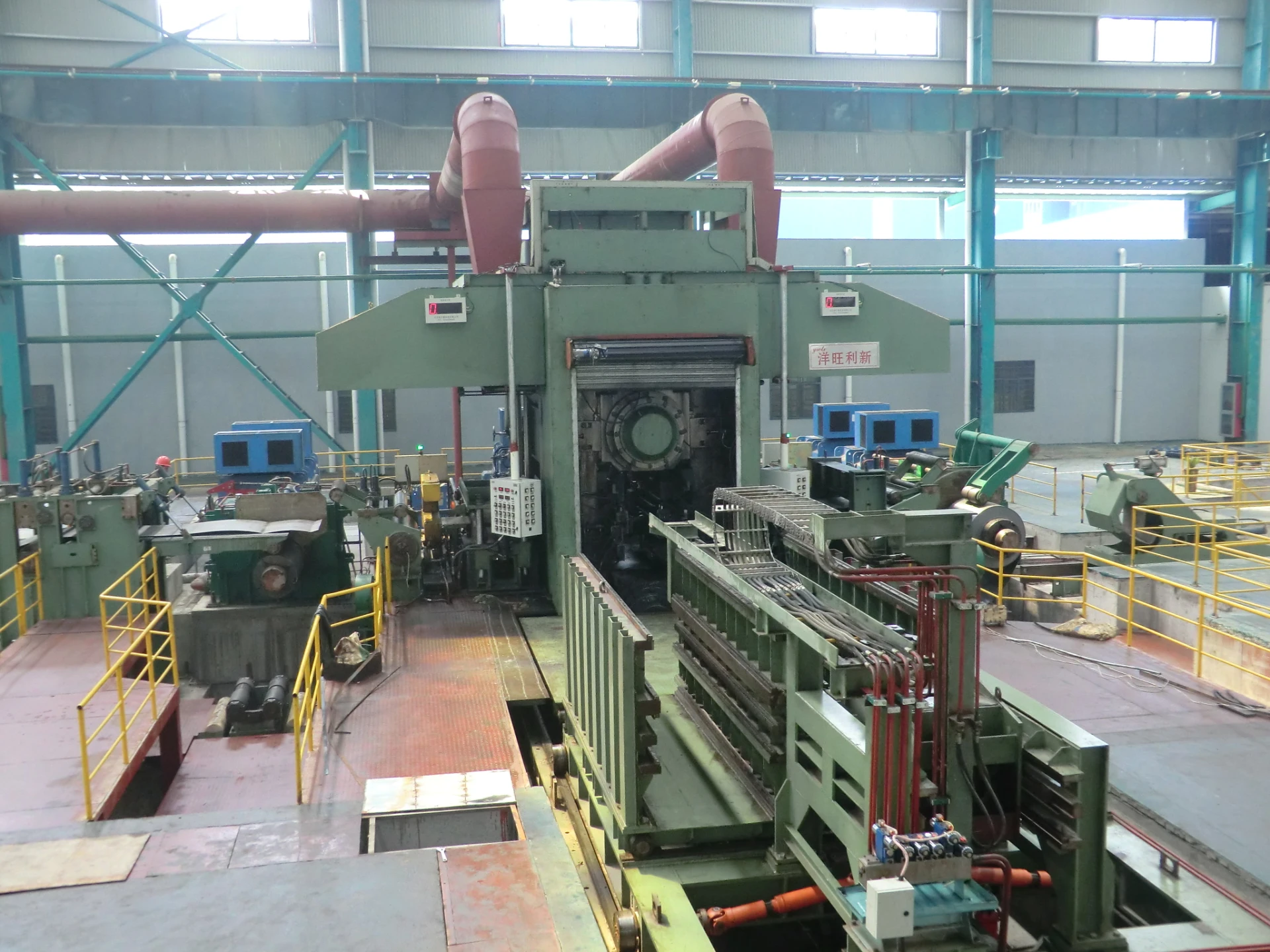
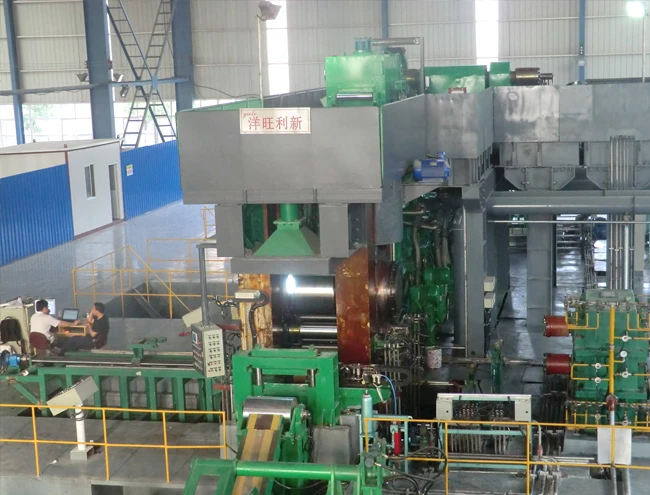
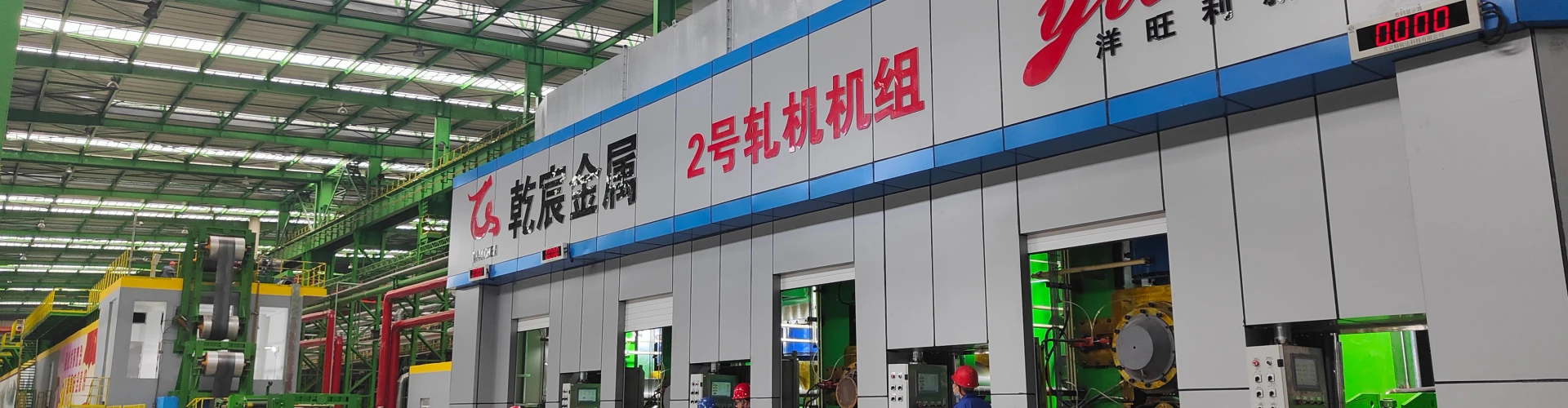
At its heart, a temper mill—often synonymous with a skin pass mill—performs a light cold reduction, typically 0.5% to 3%, on annealed strip. This seemingly small operation, known as temper rolling, yields transformative results. The primary purposes are multifaceted: eliminating yield point elongation to prevent Lüders bands and stretcher strains, thereby entirely improving the strip's mechanical property and deep draw ability. Simultaneously, it promotes the cleanliness of the strip's surface or imparts a specific, controlled roughness, dramatically enhancing its paintability, coating adhesion, and overall process ability. Furthermore, it is crucial for improving the final product's flatness and straightness.YWXL designs its mills with these exacting goals in mind, integrating robust mechanical frameworks with precision control systems to ensure every pass delivers consistent, high-quality results.
The Strategic Role of Soft Rolling in Modern Processing
While temper rolling focuses on annealed materials, the broader concept of soft rolling encompasses a strategic, light reduction process with a wider scope. Soft rolling can be applied to achieve specific gauge tolerances, refine grain structure, or prepare material for subsequent forming operations without significantly increasing its hardness. A key function within a temper mill can be soft reduction, which subtly changes the thickness and mechanical property of the steel strip, offering manufacturers incredible flexibility to fine-tune product specifications.YWXL’s engineering philosophy ensures that our mills are versatile enough to handle both traditional temper rolling for property enhancement and targeted soft rolling applications for dimensional and microstructural refinement, making them a single, powerful solution for diverse production needs.
Key Parameters & Technological Integration in Our Temper Mill Design
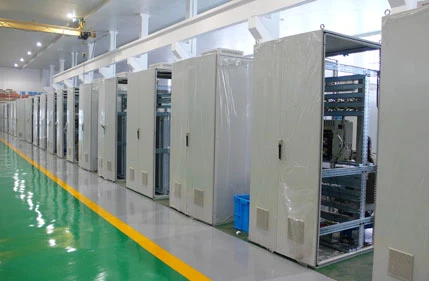
The efficacy of a temper mill is defined by its integrated systems and control parameters.YWLX’s mills are built on a foundation of perfect automatic control, featuring Automatic Constant Rolling Force Control (AFC), Automatic Constant Elongation Control (AEC—crucial for consistent temper rolling effects), Automatic Position Control (APC), and Automatic Constant Tension Control (ATC). We achieve a higher automation level with features like automatic threading/unloading and quick roll change devices. Our electrical backbone utilizes full digital drives and premium PLC systems (Siemens/ABB) for flawless basic automation. The mills are equipped with a comprehensive HMI for data management and feature a work roll positive/negative bending system for superior flatness control. The process can be tailored for wet or dry temper rolling as required, supported by a full suite of auxiliary systems including centralized lubrication and high-pressure servo stations.
FAQs About Temper Mills
What are the key advantages of your temper mill's elongation control?
Our Temper Mill features precise Automatic Elongation Control (AEC), which is the core of consistent temper rolling. It ensures uniform mechanical properties across the entire coil by meticulously controlling the light reduction. This directly translates to superior deep draw ability, elimination of yield point phenomena, and batch-to-batch consistency, reducing waste and improving your downstream forming success rates.
How does your mill configuration ensure superior surface quality?
Surface quality is a primary purpose of temper rolling. Our mills are engineered with robust roll coolant and lubrication systems (for wet or dry processes) that minimize defects. Combined with precise tension control (ATC) and the ability to impart a specific surface roughness, our configuration guarantees a clean, optimal finish ready for painting, coating, or plating, directly enhancing the value of your final product.
Can your temper mill handle both temper rolling and soft rolling functions?
Absolutely. The design philosophy behind YWLX’s Temper Mill incorporates versatility. While excelling at traditional temper rolling for property enhancement, the integrated control systems, particularly the precise rolling force and soft reduction capabilities, allow it to perform targeted soft rolling operations. This provides you with a flexible tool for gauge correction, mechanical property fine-tuning, and processing a wider range of material states.
What makes your automation package for the temper mill stand out?
Our higher automation package goes beyond basic controls. It includes automatic threading and coil handling, which drastically reduces downtime and manual intervention. Coupled with quick roll change devices and a centralized HMI for monitoring, our automation significantly boosts productivity, operational safety, and overall equipment effectiveness (OEE), ensuring a faster return on your investment.
Why is your integrated flatness control critical in a temper mill?
Improving flatness and straightness is a declared primary function. Our mill’s integrated positive/negative work roll bending system provides active, real-time flatness control during the temper rolling process. This corrects shape defects inherited from previous processing, ensuring the output strip is perfectly flat. This is non-negotiable for high-end applications in automotive, appliance, and construction, where shape is as critical as material properties.
-
Ship Multi-Project Equipment on the Lantern FestivalNewsMar.03,2026
-
YWLX Deep Dives into Cladding Line with Dubai ClientNewsDec.22,2025
-
1450mm 6-Hi Reversing Mill Goes Live in BangladeshNewsOct.28,2025
-
Sep. 3rd Parade: Carry Forward and Press OnNewsSep.03,2025
-
Indian Clients Visit YWLX to Inspect Skin-pass MillNewsJun.22,2025
-
Full- throttle! YWLX's Intense Production During May DayNewsMay.01,2025
-
YWLX Participated in the 2025 Chinese GAP Program Review ConferenceNewsApr.17,2025