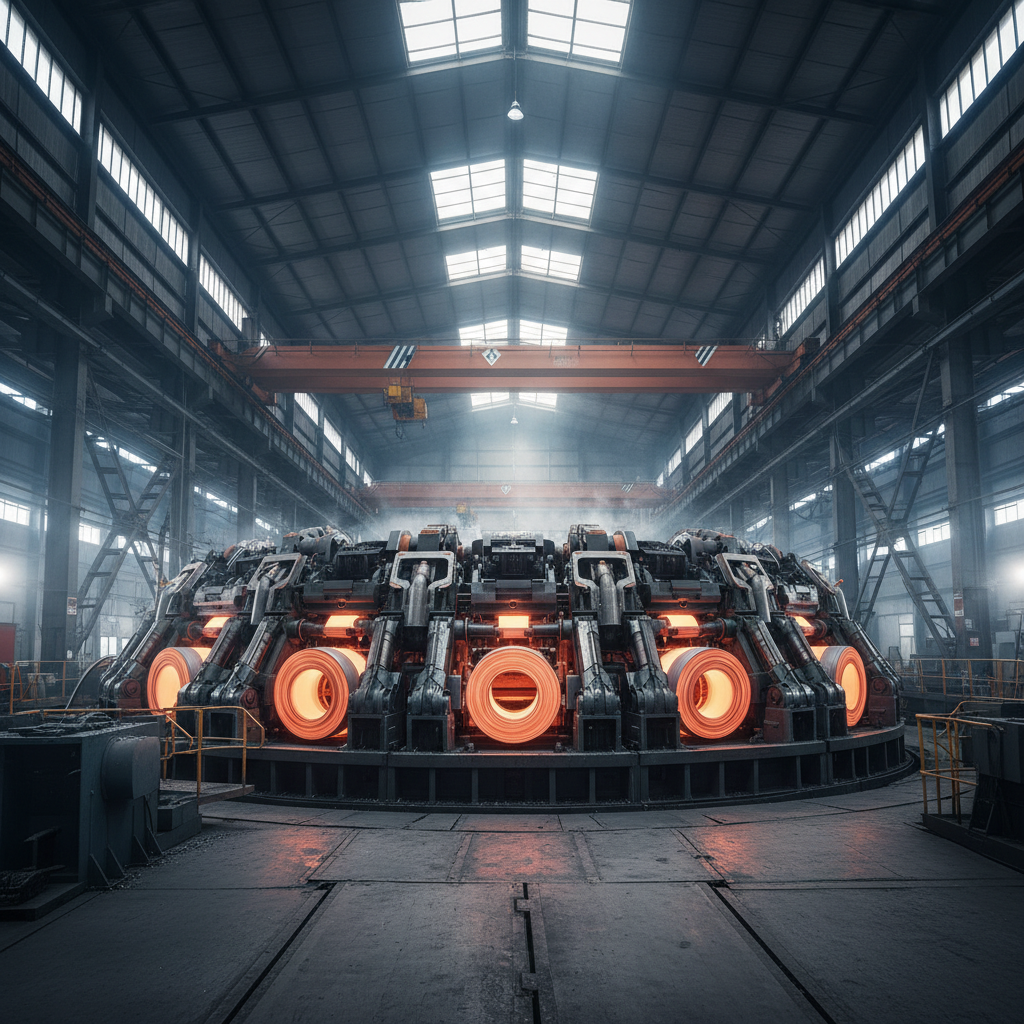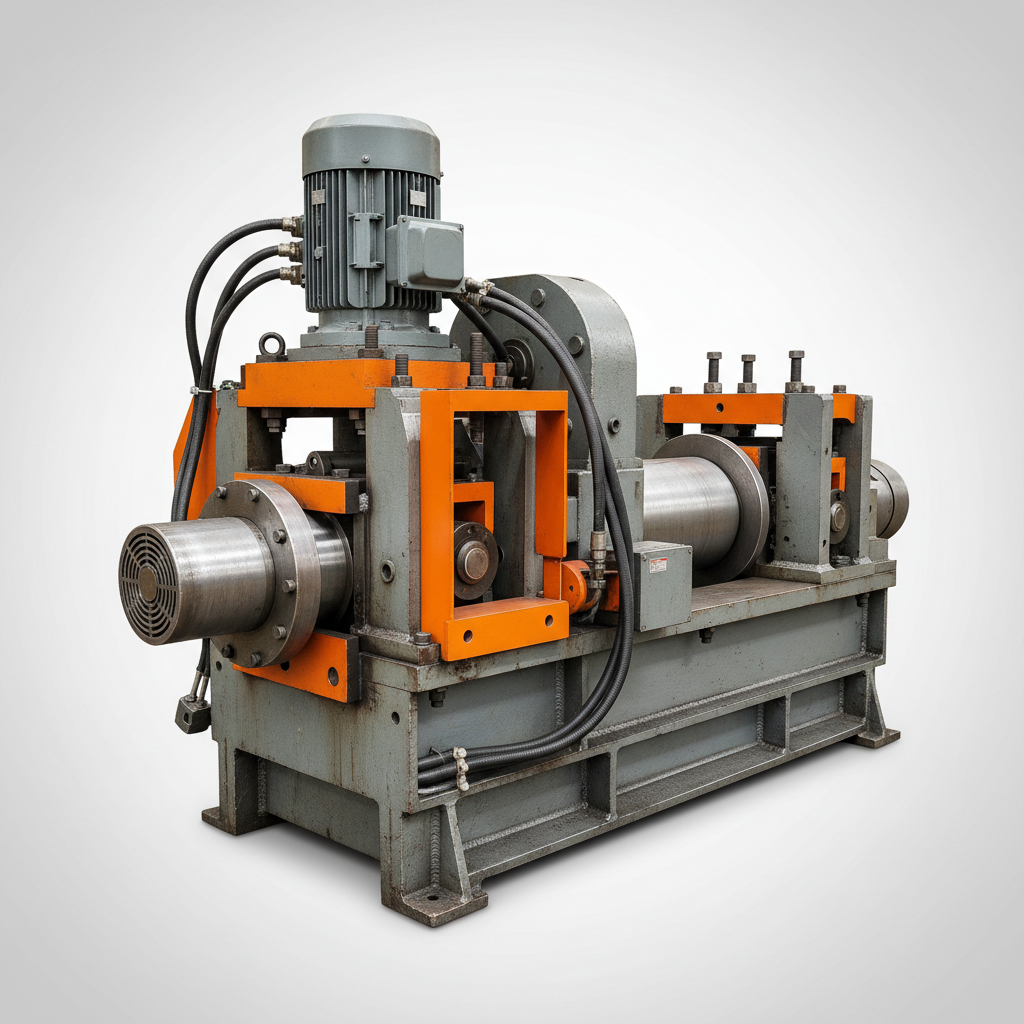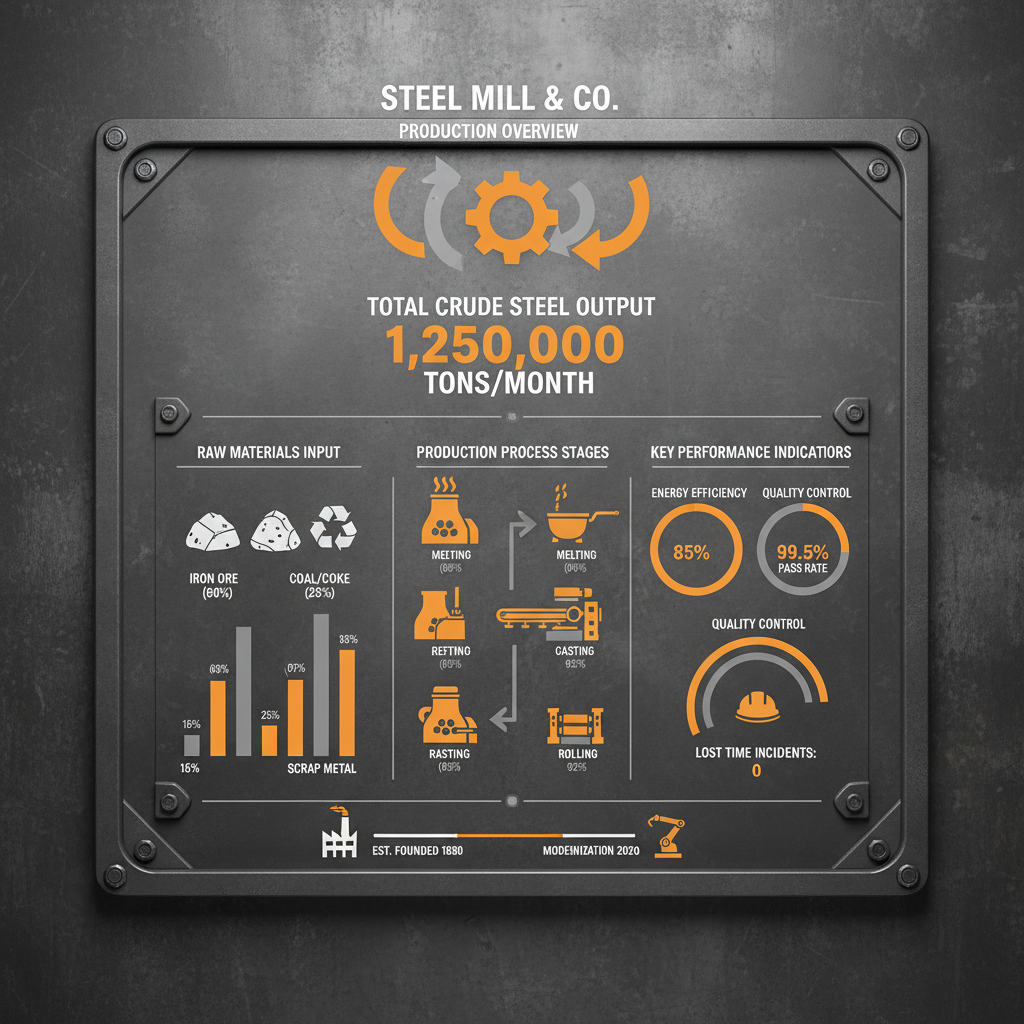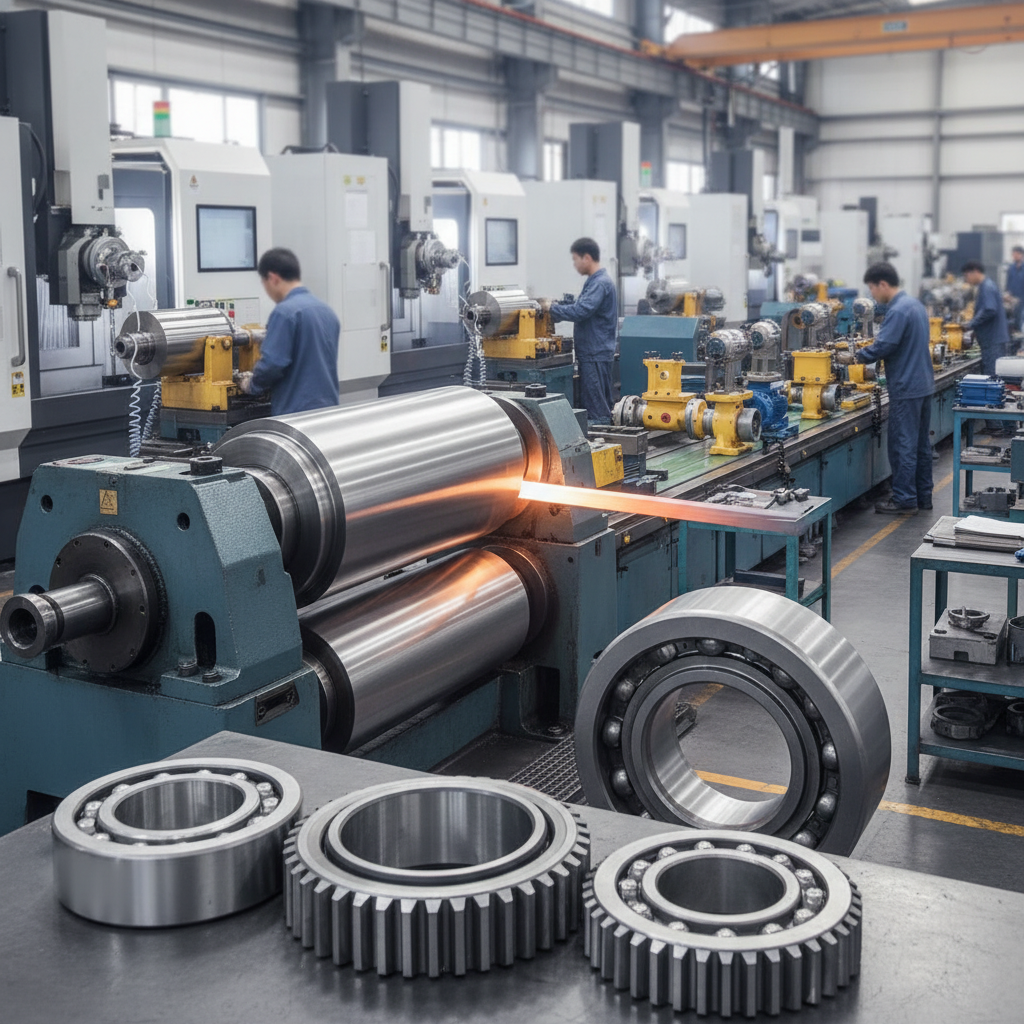
The global steel industry is a cornerstone of modern infrastructure, and the demand for efficient and reliable steel production equipment is consistently high. A key component of this demand revolves around the steel rolling mill for sale, which plays a critical role in shaping raw steel into usable forms. Understanding the nuances of these mills – their types, capabilities, and applications – is paramount for businesses and nations aiming to bolster their industrial capabilities.
The market for steel rolling mill for sale is driven by several factors, including global construction booms, infrastructure projects in developing economies, and the automotive industry’s need for high-strength steel. According to the World Steel Association, global steel demand is projected to continue its growth trajectory, underscoring the importance of accessible and modern rolling mill technology. Challenges exist, such as fluctuating raw material prices and the need for sustainable production methods, making informed investment decisions vital.
Investing in a steel rolling mill for sale is not merely a capital expenditure; it's an investment in a nation’s or company’s future. It represents a commitment to improved manufacturing processes, enhanced product quality, and ultimately, economic growth. This is why understanding the different types, components, and advantages of these mills is crucial for stakeholders across the industry.
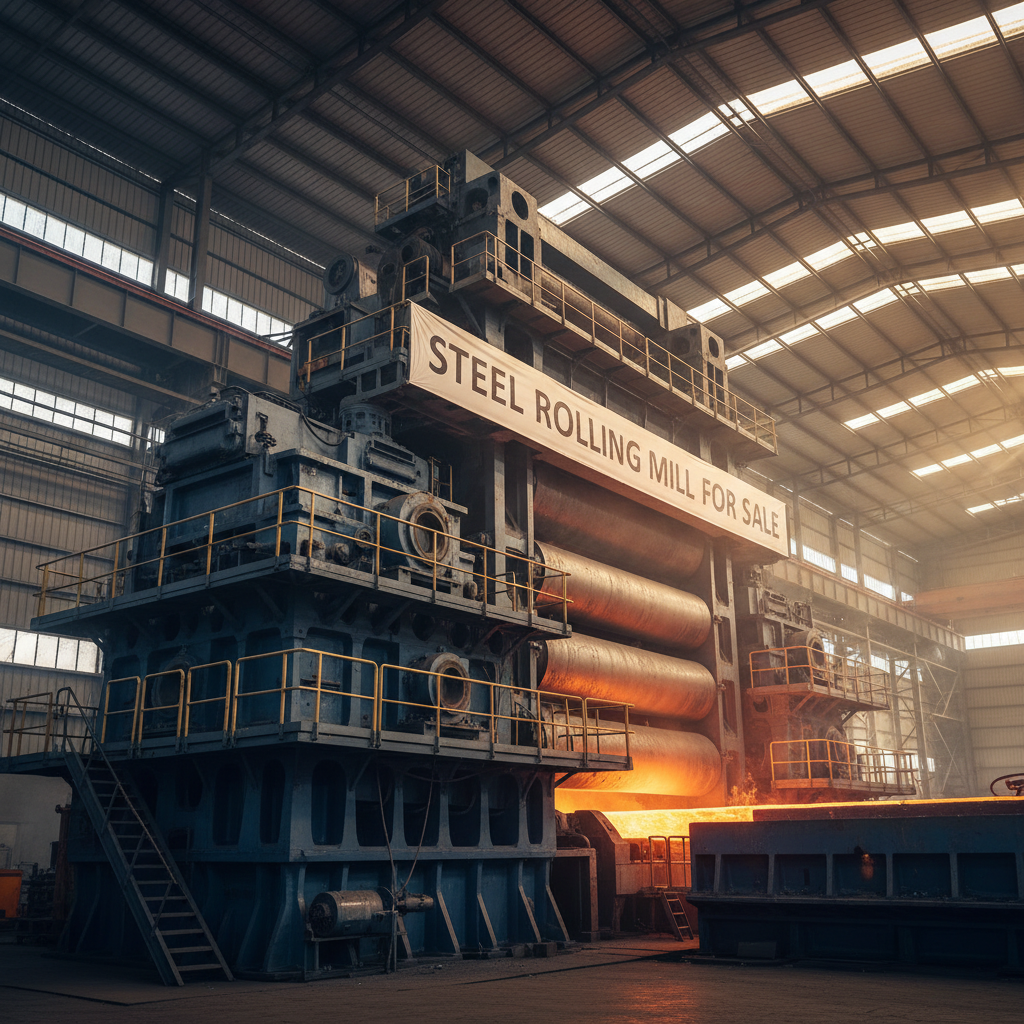
Defining Steel Rolling Mills for Sale
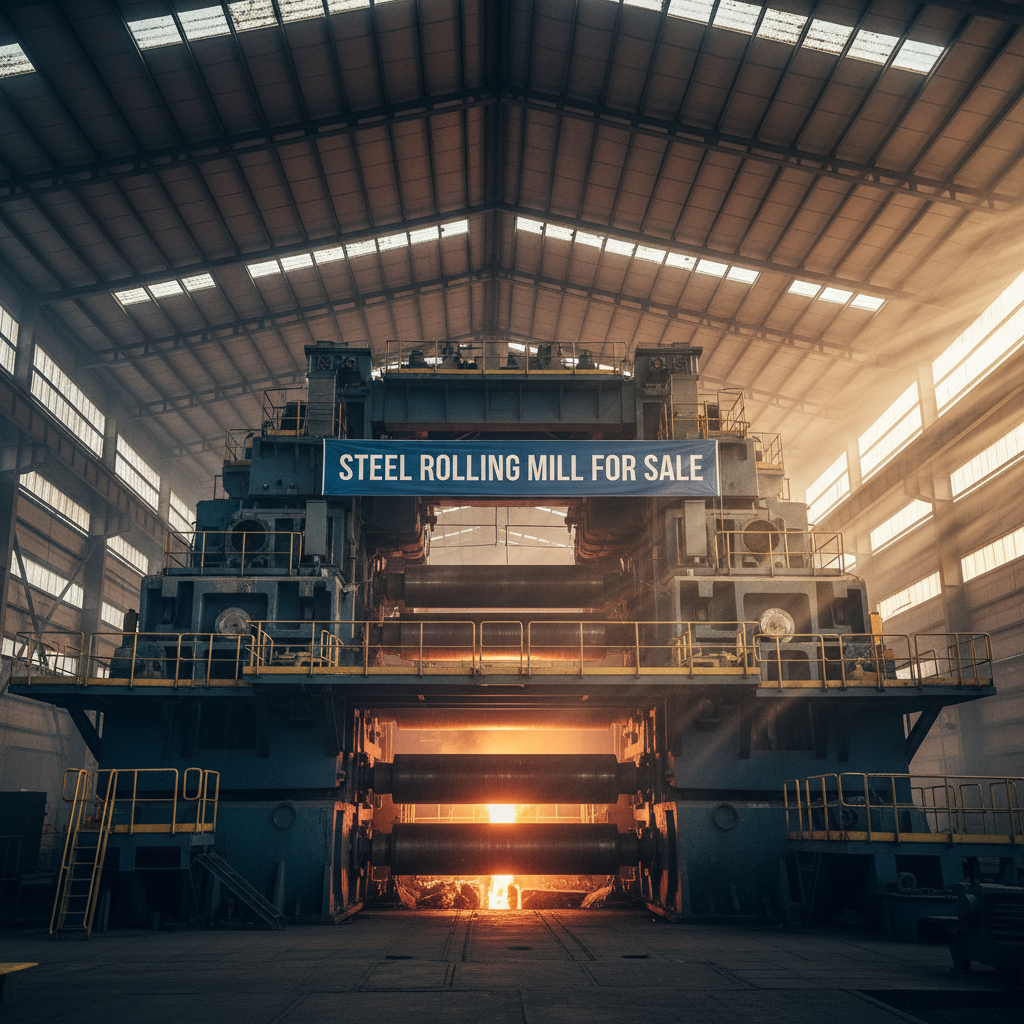
A steel rolling mill for sale is a manufacturing facility designed to shape steel into desired cross-sections and dimensions through controlled deformation. This process, known as rolling, reduces the thickness of the steel and alters its mechanical properties, creating products like sheets, plates, bars, and structural sections.
These mills are fundamental to modern industry, providing the essential building blocks for everything from automobiles and construction materials to machinery and pipelines. The availability of high-quality, efficient steel rolling mills is directly linked to the pace of industrial development and economic progress globally.
FAQs
The lead time for delivery of a steel rolling mill for sale can vary significantly depending on the mill’s complexity, customization requirements, and the manufacturer’s production schedule. Generally, expect a lead time of between 6 to 18 months. This includes design, fabrication, quality control, and transportation. Factors like global shipping constraints can also affect delivery times.
Reputable suppliers of steel rolling mill for sale typically provide comprehensive after-sales support. This often includes installation and commissioning assistance, operator training, preventative maintenance programs, and the availability of spare parts. Remote diagnostics and troubleshooting services are also becoming increasingly common. A strong after-sales support network minimizes downtime and maximizes the mill’s operational lifespan.
The cost of a new steel rolling mill for sale can vary tremendously depending on its capacity, type, automation level, and customization options. Smaller mills may cost several hundred thousand dollars, while large, fully automated mills can easily exceed several million dollars. A detailed cost assessment should factor in not only the purchase price but also installation, commissioning, and ongoing maintenance expenses.
Proper site preparation is crucial for the successful installation and operation of a steel rolling mill for sale. This includes ensuring a level and stable foundation capable of supporting the mill’s weight, providing sufficient power supply and utility connections, and adequate space for material handling and storage. Environmental permits and safety regulations must also be adhered to.
Operating a steel rolling mill for sale requires a skilled workforce with a solid understanding of metallurgy, rolling processes, and control systems. Operators must be trained in safety procedures, quality control, and troubleshooting techniques. Advanced mills with high levels of automation may require specialized training in programming and maintenance of digital control systems.
Sustainability can be enhanced through several measures. Utilizing energy-efficient equipment, implementing closed-loop water systems, maximizing the use of recycled steel, and controlling emissions are key. Investing in technologies that reduce noise pollution and waste generation also contributes to environmental responsibility.
Conclusion
In conclusion, the steel rolling mill for sale remains a critical component of global industrial infrastructure. Understanding its various types, key performance indicators, and future trends is essential for informed investment decisions. Prioritizing efficiency, sustainability, and advanced technologies will be crucial for maximizing long-term value and maintaining a competitive edge in a dynamic market.
Looking ahead, the steel industry will continue to evolve, driven by innovation and a growing emphasis on environmental responsibility. Investing in a modern, well-maintained steel rolling mill represents a commitment to growth, sustainability, and a future built on strong foundations. Visit our website at www.bjywlx.com to explore our range of steel rolling mill solutions and discuss your specific requirements.