In the demanding world of heavy metallurgy, the precision and power of a rolling mill for forging represent the critical link between raw ingots and high-performance industrial components. These systems are engineered to reshape metal through controlled pressure and heat, ensuring that the internal grain structure of the material is optimized for maximum strength and durability. By integrating advanced mechanical engineering with precise thermal control, these mills allow manufacturers to produce parts that can withstand extreme stresses in aerospace, automotive, and energy sectors.
Globally, the demand for high-strength forged products has surged as industries move toward lightweight yet stronger materials. A modern rolling mill for forging is no longer just a piece of heavy machinery; it is a sophisticated system that incorporates automated gauge control (AGC) and precise reversing capabilities to minimize waste and maximize throughput. Understanding the technical nuances of these systems is essential for any operation looking to reduce operational costs while adhering to strict ISO quality standards.
Whether it is through the implementation of a tandem cold mill or a specialized cladding rolling mill, the goal remains the same: achieving dimensional accuracy and structural integrity. The shift toward "Industry 4.0" has further transformed these assets, integrating real-time data analytics to predict roll wear and optimize forging cycles. This evolution ensures that the global supply chain for critical metal components remains resilient, efficient, and capable of meeting the rigorous demands of modern engineering.
Global Significance of Rolling Mill for Forging
The global industrial landscape relies heavily on the output of a rolling mill for forging to produce the foundational components of infrastructure. From the massive turbines used in hydroelectric dams to the precision gears in high-speed rail, the ability to manipulate metal at a molecular level through forging is what allows for the creation of safe, reliable, and long-lasting machinery. Statistics from international industrial bodies suggest that optimized forging processes can reduce material waste by up to 20% compared to traditional casting.
However, the industry faces a significant challenge: the balancing act between energy consumption and production speed. As global environmental regulations tighten, manufacturers are under pressure to upgrade their legacy systems to more energy-efficient models. This has led to a surge in demand for revamping services and spare parts that can modernize old mills without requiring a complete facility teardown, ensuring that production remains continuous while carbon footprints are reduced.
Defining the Technical Scope of Forging Mills
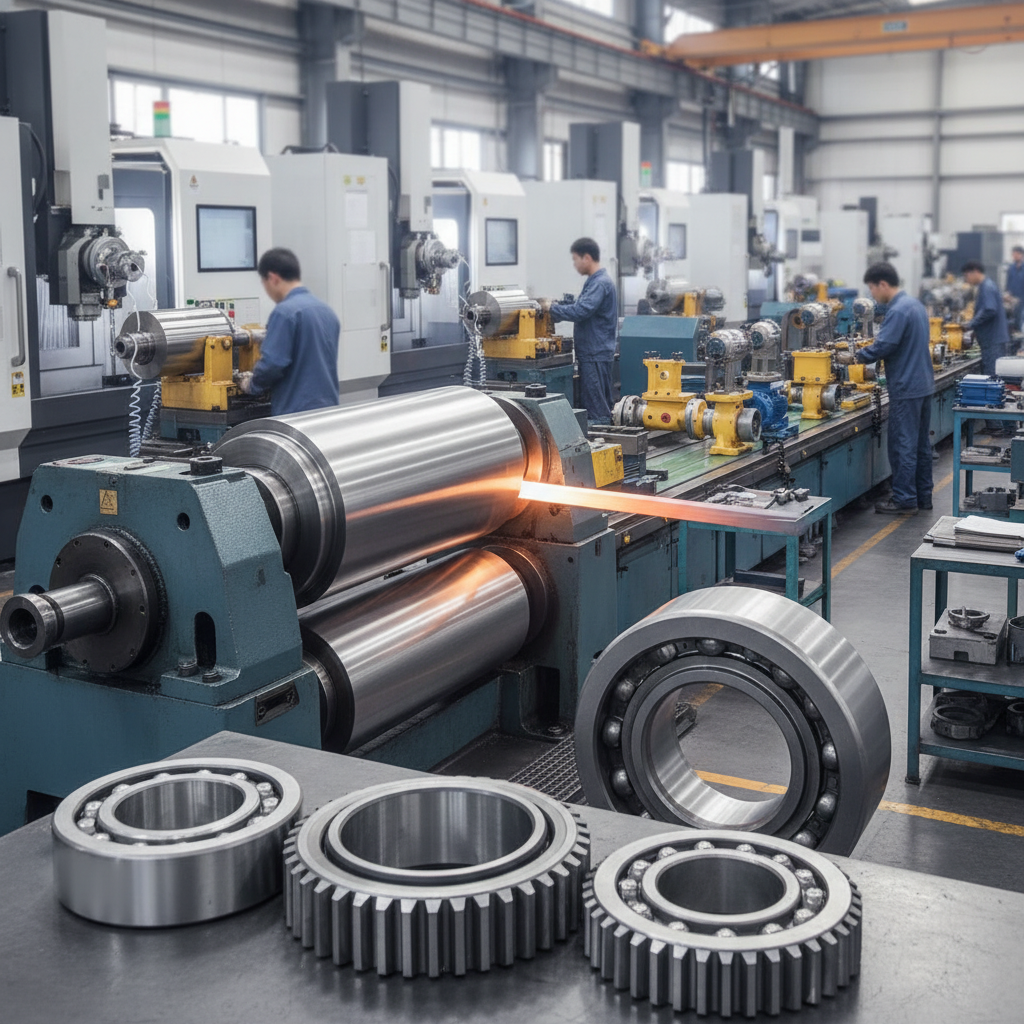
At its core, a rolling mill for forging is a specialized system of rollers designed to reduce the thickness or change the cross-section of a metal workpiece through compressive forces. Unlike simple rolling, forging-centric mills focus on "working" the metal—breaking down the cast structure of the ingot and refining the grain flow. This process is essential for eliminating internal voids and porosity, which are common failure points in cast metals.
The connection between these mills and modern humanitarian needs is often overlooked but profound. For instance, the production of high-grade surgical instruments, disaster-resistant structural beams, and reliable water filtration hardware all depend on the precision of forged metals. By ensuring that materials can withstand extreme pressures and corrosive environments, these mills contribute directly to the safety and longevity of critical public infrastructure.
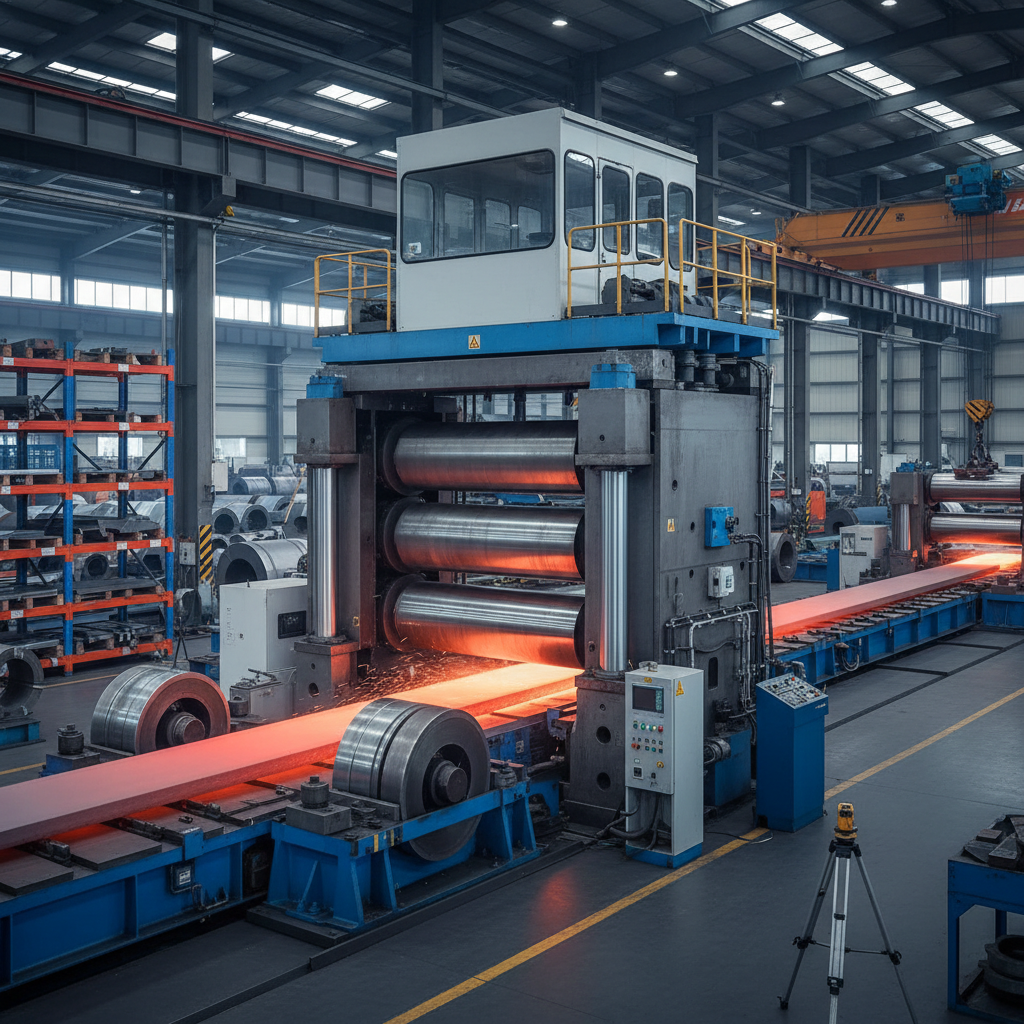
Technically, these systems can be categorized by their operation: hot rolling, which occurs above the recrystallization temperature to ensure maximum plasticity, and cold rolling, which is used for final precision and surface finish. The synergy between a hot products line and a skin pass mill allows a manufacturer to take a raw block of steel and transform it into a mirror-finish, high-strength component with micron-level accuracy.
Core Components Driving Operational Efficiency
The durability of a rolling mill for forging begins with its roll material and housing. High-alloy steels and tungsten carbide coatings are frequently used to resist the extreme thermal shock and abrasive wear encountered during high-pressure forging. Without these advanced materials, the mill would suffer from rapid deformation, leading to inconsistent product dimensions and frequent unplanned downtime.
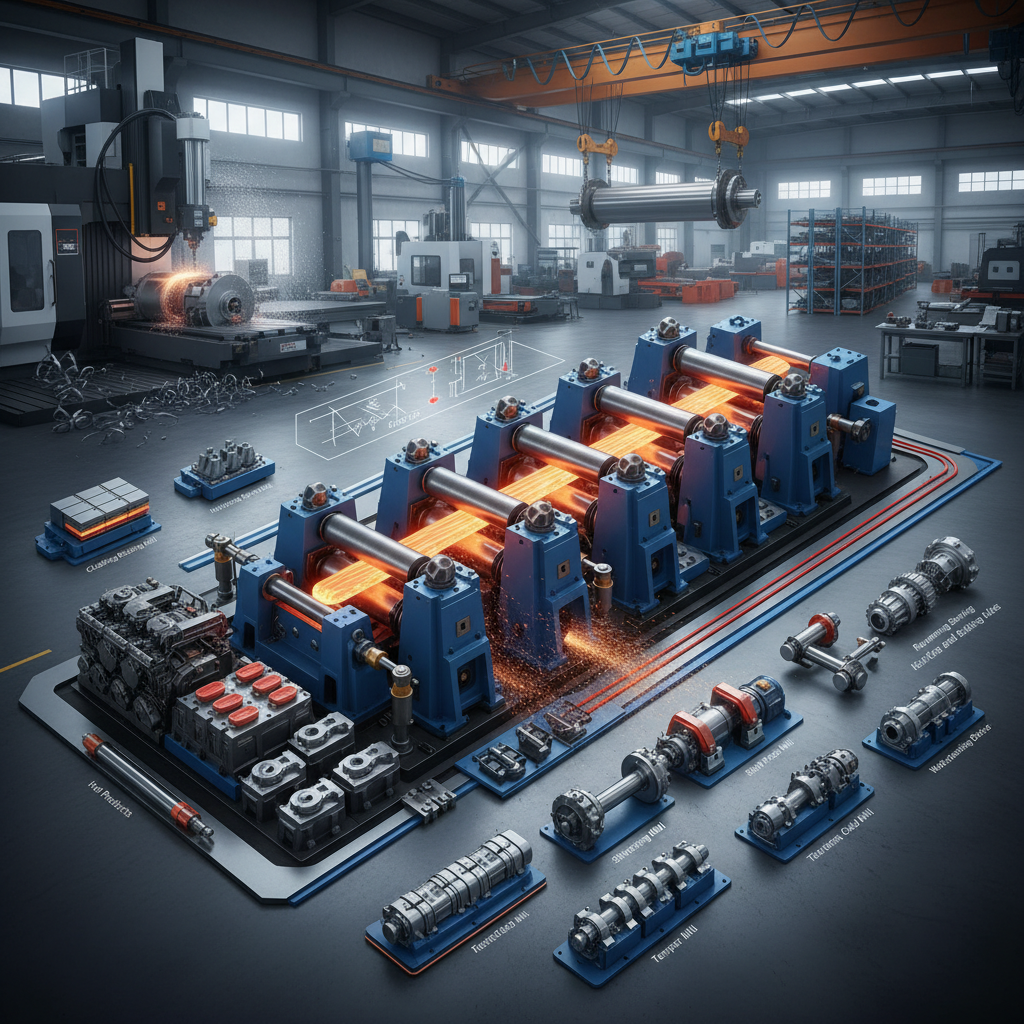
Scalability is achieved through modular design, such as the implementation of Tandem Cold Mills or Reversing Mills. These configurations allow producers to adjust the number of passes and the reduction ratio based on the specific material grade being processed. By integrating an AGC (Automatic Gauge Control) system, the mill can make real-time adjustments to the roll gap, ensuring that the final product remains within strict tolerances regardless of material hardness variations.
Finally, cost efficiency is driven by the integration of water quenching devices and precise temper mills. By controlling the cooling rate of the forged metal immediately after the rolling process, manufacturers can "freeze" the desired metallurgical properties, reducing the need for lengthy and expensive subsequent heat-treatment cycles. This holistic approach to the production line optimizes energy use and accelerates the time-to-market for finished parts.
Performance Metrics in Metal Processing
Evaluating the success of a rolling mill for forging requires a deep dive into a variety of KPIs, including yield strength, dimensional stability, and energy consumption per ton of processed material. The ability of a mill to maintain a consistent reduction ratio across multiple passes determines the final grain refinement of the metal, which directly correlates to the part's fatigue life in the field.
When comparing different system configurations, it becomes clear that the integration of automation significantly elevates the rating of the operation. From the precision of a cladding rolling mill to the high-volume output of a hot rolling line, the primary goal is to maximize the "first-pass yield," thereby eliminating the cost of scrap and the energy waste of re-processing defective parts.
Comparative Efficiency Ratings of Forging Mill Configurations
Industrial Applications and Global Use Cases
The application of a rolling mill for forging spans across virtually every heavy industry. In the aerospace sector, these mills are used to create turbine discs and structural wing spars that must be flawless; a single microscopic void could lead to catastrophic failure at 30,000 feet. In these high-stakes environments, the use of a temper mill ensures the precise internal stress relief required for flight safety.
In remote industrial zones, such as mining hubs in Australia or oil fields in the Middle East, the reliability of forged components is paramount. Equipment used in these regions is subjected to extreme temperature swings and corrosive salt air. By utilizing a robust rolling mill for forging to produce heavy-duty shafts and couplings, manufacturers provide the durability needed to minimize downtime in areas where spare parts may take weeks to arrive.
Long-Term Value and Sustainability
Investing in a high-quality rolling mill for forging offers tangible long-term value that goes beyond simple production numbers. From a logical standpoint, the reduction in material waste and the increase in energy efficiency directly impact the bottom line. However, there is also an emotional angle of trust; when a company uses precision-forged components, they are selling a promise of safety and reliability to their end customers.
Sustainability in the metal industry is now a primary driver of innovation. Modern mills are being designed to integrate with green energy grids and utilize recycled scrap metal more effectively. By reducing the "heat cycles" required to achieve the desired shape, these mills lower the overall carbon intensity of the final product, aligning industrial growth with global climate goals.
Furthermore, the social impact of these technologies is seen in the creation of high-skilled jobs. Operating and maintaining a complex AGC system or a Tandem Cold Mill requires a level of technical expertise that elevates the local workforce, transforming traditional labor-intensive shops into centers of technological excellence.
Future Innovations in Forging Technology
The future of the rolling mill for forging is inextricably linked to digital transformation. We are seeing the rise of "Digital Twins," where a complete virtual replica of the rolling mill is used to simulate the forging process before a single piece of metal is heated. This allows engineers to predict how a specific alloy will react to pressure and temperature, virtually eliminating the "trial and error" phase of new product development.
Automation is also evolving from simple programmed sequences to AI-driven adaptive control. Future mills will be able to sense the hardness of an incoming ingot in real-time and automatically adjust the roll pressure and speed to maintain a perfect gauge. This shift toward autonomous operation will significantly reduce human error and increase the safety of the workshop environment.
As we look toward the next decade, the integration of additive manufacturing (3D printing) with traditional forging is a key trend. "Hybrid forging" involves printing a near-net-shape part and then using a rolling mill for forging to refine the grain structure and achieve final dimensions. This combination offers the design flexibility of 3D printing with the unmatched strength of forged metal.
Technical Comparison of Forging Mill Modernization Strategies
| Strategy Type |
Initial Investment |
Production Boost |
ROI Timeline |
| AGC System Upgrade |
Medium |
15-25% |
12-18 Months |
| Full Line Replacement |
Very High |
50-100% |
3-5 Years |
| Revamping Spare Parts |
Low |
5-10% |
6 Months |
| Water Quench Integration |
Medium |
20% (Quality) |
18-24 Months |
| Digital Twin Implementation |
Medium |
10% (Waste Red.) |
2 Years |
| Tandem Line Expansion |
High |
40% |
2-3 Years |
FAQS
The primary difference lies in the intent of the process. While a standard mill focuses on shaping material to a specific thickness, a rolling mill for forging is designed to manipulate the internal grain structure of the metal. This process, known as grain refinement, significantly increases the mechanical properties, such as toughness and fatigue resistance, making the forged part far superior to a simply rolled or cast part for high-stress applications.
An Automatic Gauge Control (AGC) system continuously monitors the thickness of the metal as it passes through the rolls. It uses high-precision sensors and hydraulic actuators to adjust the roll gap in milliseconds. This prevents "gauge drift," ensuring that every inch of the product meets the exact specifications, which is critical for parts that require high-precision machining after forging.
Yes, revamping services are highly effective for legacy systems. By replacing outdated mechanical controls with modern PLC systems, upgrading roll materials, and adding modern water quenching devices, many plants can achieve 70-80% of the efficiency of a new mill at a fraction of the cost. This approach minimizes downtime and leverages existing facility infrastructure.
For high-volume precision, a Tandem Cold Mill is generally the best choice. Because it utilizes a series of rolling stands in a sequence, it can achieve complex reductions and high surface quality in a single continuous pass. This reduces handling time and ensures a high level of consistency across large production batches.
Water quenching devices allow for the rapid cooling of the metal immediately after the final forging pass. This "quenches" the material, locking in the desired crystalline structure (such as martensite in certain steels), which significantly increases hardness and strength. This often eliminates the need for a separate, energy-intensive heat treatment furnace.
Yes. A cladding rolling mill is specifically designed to bond two or more different layers of metal together through high pressure and heat, creating a composite material with the benefits of both metals (e.g., corrosion resistance on the outside, strength on the inside). A reversing mill, conversely, moves the workpiece back and forth through the same rollers to achieve high reduction ratios in a compact space.
Conclusion
The implementation of a high-performance rolling mill for forging is a cornerstone of modern industrial manufacturing. By combining mechanical power with intelligent systems like AGC and optimized cooling, these mills transform raw metal into the high-strength components that drive global infrastructure. The journey from raw ingot to precision part is one of constant optimization—balancing durability, scalability, and energy efficiency to meet the rigorous demands of the aerospace, automotive, and energy sectors.
Looking forward, the integration of AI, digital twins, and sustainable energy practices will further redefine the boundaries of what is possible in metalworking. For manufacturers, the path to competitiveness lies in the strategic upgrade of their production lines and the adoption of hybrid manufacturing techniques. To ensure your operations are equipped with the latest in forging technology and revamping services, we invite you to explore our professional solutions. Visit our website: www.bjywlx.com