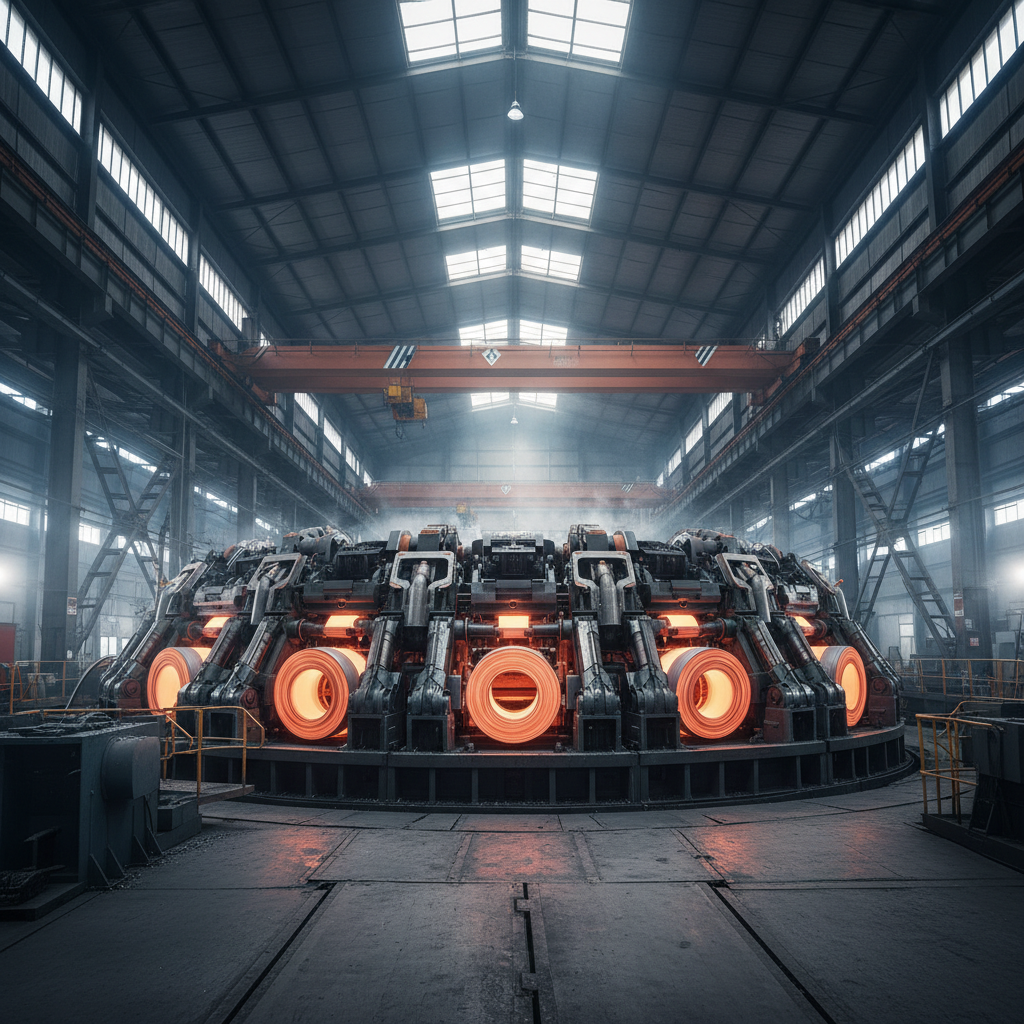
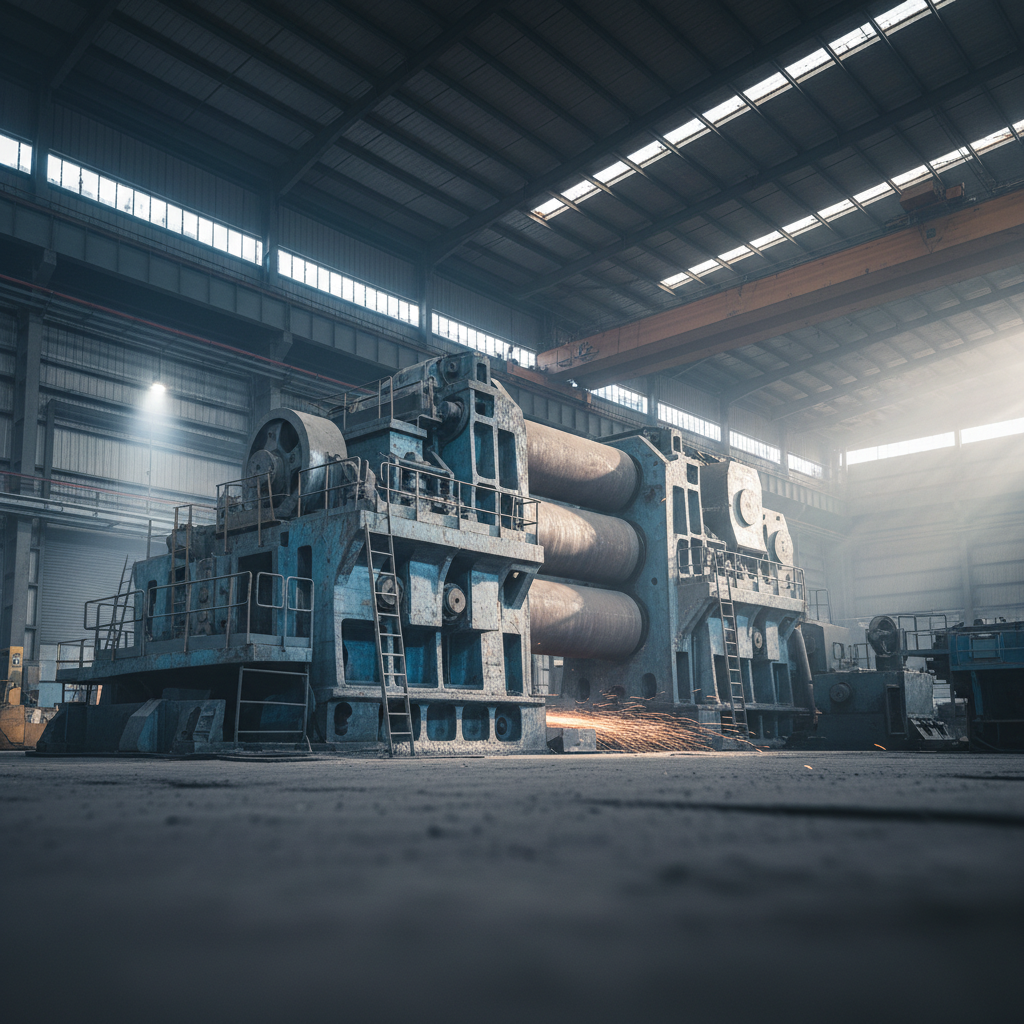
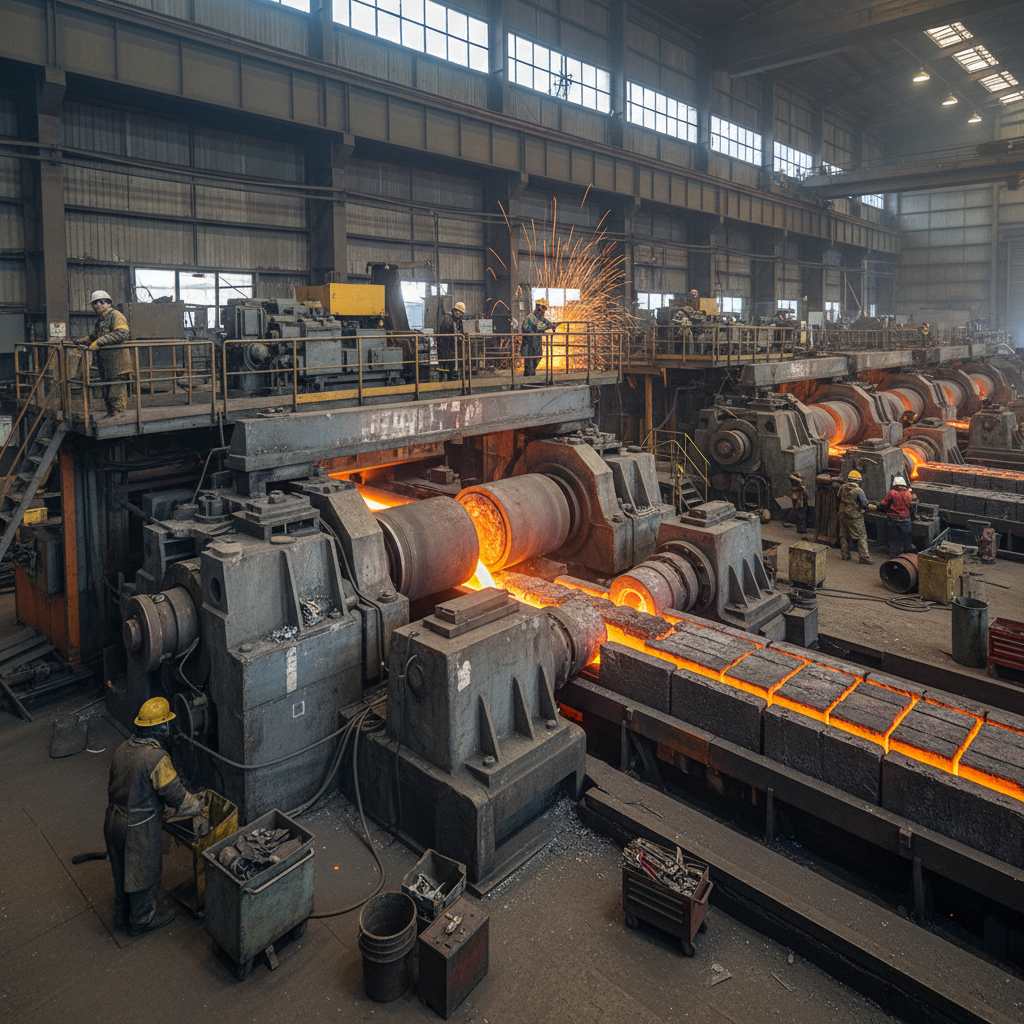
The precision engineering of a round wire rolling mill represents the backbone of modern metal fabrication, enabling the mass production of high-quality wire rods essential for everything from automotive components to construction reinforcement. By utilizing a series of precisely machined rollers, these mills reduce the cross-section of metal billets into consistent, circular profiles, ensuring that mechanical properties and surface finishes meet rigorous international standards. Understanding the nuances of this technology is critical for manufacturers aiming to optimize throughput while maintaining strict dimensional tolerances.
Globally, the demand for high-performance wire products has surged, driving the evolution of rolling mill technology toward greater automation and energy efficiency. The ability to control the deformation process within a round wire rolling mill allows for the manipulation of the metal's grain structure, which directly impacts the final product's tensile strength and ductility. As industries transition toward more sustainable materials and leaner production cycles, the role of advanced rolling equipment becomes a decisive factor in a plant's competitive edge.
Whether integrating into a larger Tandem Cold Mill setup or operating as a standalone production line, the round wire rolling mill addresses the fundamental challenge of achieving high-speed production without compromising material integrity. By balancing thermal management with mechanical pressure, these systems transform raw steel or non-ferrous alloys into versatile industrial inputs, fueling global infrastructure development and technological innovation across multiple sectors.
Global Industry Context of Round Wire Rolling Mill
The global metalworking landscape is currently undergoing a significant shift toward "Industry 4.0," where the round wire rolling mill is no longer viewed as a mere mechanical tool but as a precision instrument integrated into a digital ecosystem. According to standards aligned with ISO quality management, the consistency of wire diameter and surface smoothness is paramount for downstream applications like cable manufacturing and spring production. The challenge lies in managing the immense thermal stresses and friction that occur during high-speed deformation.
In regions with heavy industrial clusters, such as East Asia and Europe, the adoption of high-efficiency rolling lines has reduced material waste by nearly 15% over the last decade. The pressure to meet stricter environmental regulations is forcing mills to move away from legacy systems toward modernized equipment that minimizes energy consumption per ton of output. This global transition underscores the necessity of investing in rolling technology that balances raw power with surgical precision.
Defining the Technical Essence of Round Wire Rolling Mill
In its simplest terms, a round wire rolling mill is a specialized industrial system designed to reduce the diameter of a metal bar or billet into a thin, circular wire through a series of compressive passes. Unlike drawing processes, which pull the metal through a die at lower temperatures, rolling typically occurs at elevated temperatures (hot rolling) or controlled room temperatures (cold rolling), utilizing rotating rolls to shape the material. This process ensures that the metal's internal structure is refined, enhancing its overall mechanical strength.
Beyond the basic mechanics, this technology is fundamentally linked to the modern need for high-tensile materials. From the steel wires that reinforce skyscrapers to the delicate copper filaments in electronics, the round wire rolling mill provides the primary shaping mechanism. It bridges the gap between bulk metal production and the refined specifications required by specialized engineering fields, making it an indispensable link in the global supply chain.
Modern iterations of these mills often incorporate features found in a Skin Pass Mill or a Temper Mill to achieve a specific surface finish or hardness. By controlling the reduction ratio per pass and the rolling speed, manufacturers can tailor the product's physical properties to meet the precise needs of the end-user, whether it be for aerospace fasteners or medical-grade wires.
Core Components for Maximum Rolling Efficiency
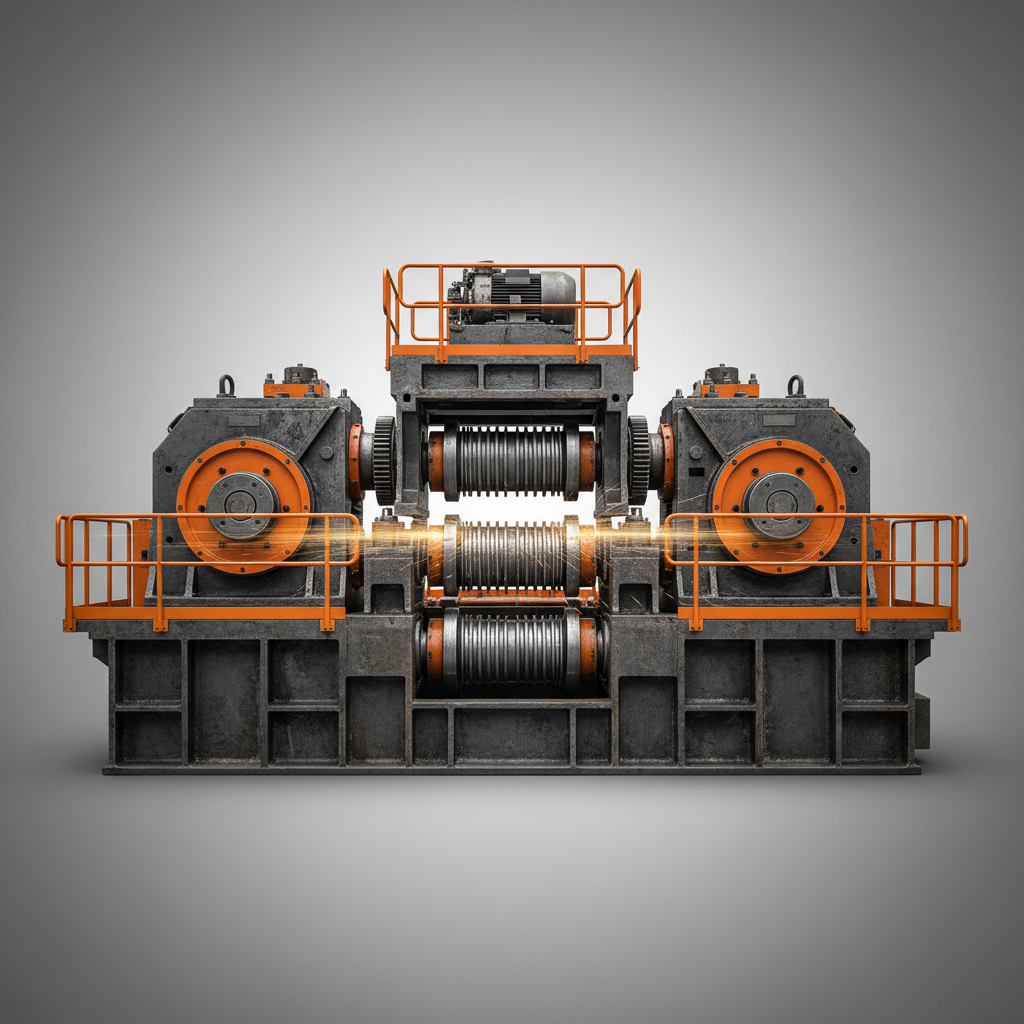
The heart of any round wire rolling mill lies in its roll design and material composition. High-chrome alloys and tungsten carbide are frequently employed to resist the extreme wear and tear caused by the constant friction of metal-on-metal contact. The precision of the roll groove determines the final diameter of the wire, requiring tolerances often measured in microns to ensure uniformity across kilometers of production.
Another critical factor is the guidance system and the cooling mechanism. To prevent the wire from deviating from the center of the rolls—which would lead to "off-center" defects—sophisticated guide rollers are positioned between stands. Simultaneously, water-quenching devices or air-cooling systems are integrated to manage the temperature of the wire, preventing overheating that could lead to surface cracking or uncontrolled grain growth.
Lastly, the drive system—comprising high-torque motors and synchronized gearboxes—ensures that the rolling speed remains constant. Any fluctuation in speed can introduce internal stresses into the wire, leading to failures during subsequent drawing or winding processes. When integrated with a Reversing Mill logic for specific billet handling, these components create a seamless flow of material from raw input to finished coil.
Performance Metrics and Operational Scalability
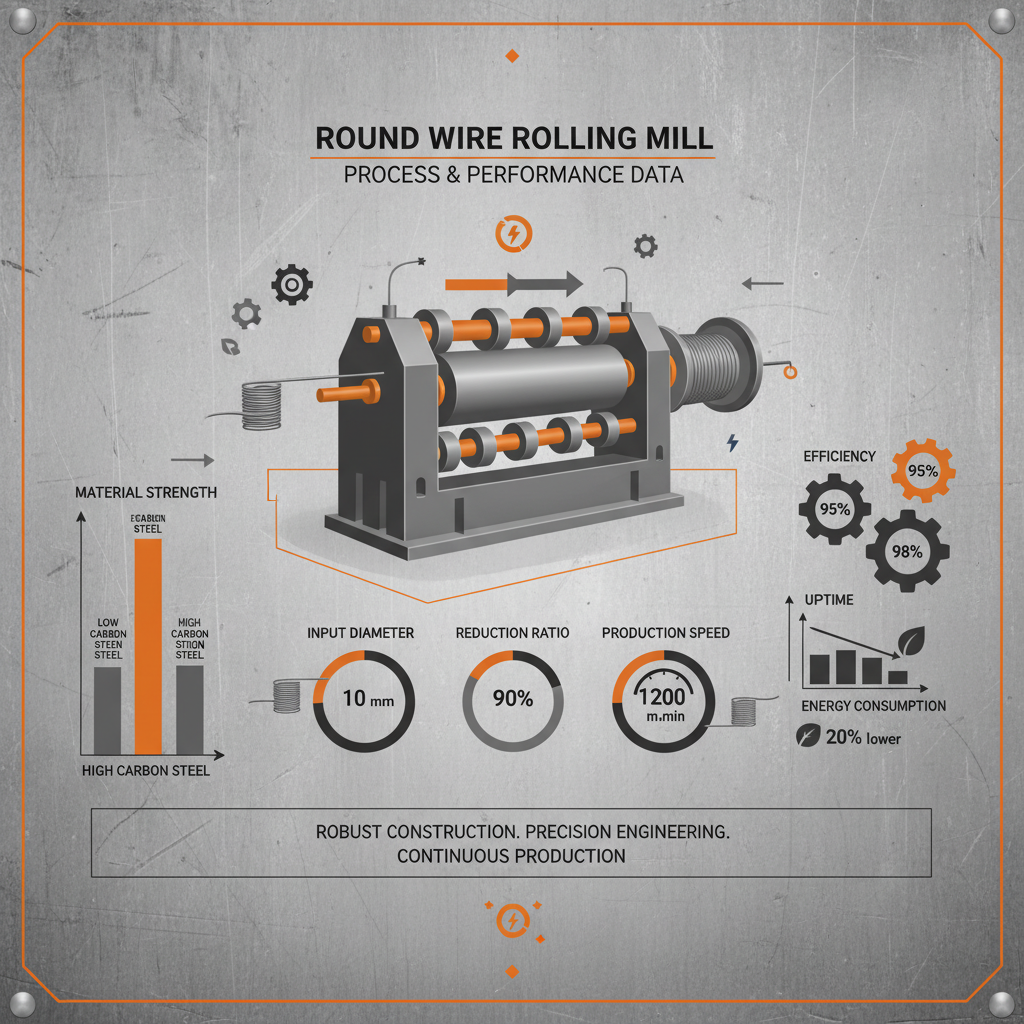
Evaluating the efficiency of a round wire rolling mill requires a deep dive into several key performance indicators (KPIs). These include the "reduction per pass" ratio, which dictates how quickly a billet can be thinned, and the "mill yield," which measures the percentage of usable wire produced relative to the raw material input. High-performance mills focus on maximizing the speed of the delivery line while minimizing the frequency of roll changes, thereby increasing overall equipment effectiveness (OEE).
Scalability is achieved by transitioning from single-stand configurations to multi-stand tandem arrangements. By adding more rolling stands, manufacturers can achieve a wider range of final diameters without compromising the metallurgical quality of the wire. This modular approach allows a facility to expand its capacity as market demand grows, transforming a basic production line into a high-output industrial powerhouse.
Efficiency Comparison of Round Wire Rolling Mill Configurations
Global Applications and Real-World Use Cases
The versatility of the round wire rolling mill allows it to serve a vast array of industries. In the construction sector, these mills produce the high-strength ribbed and smooth wires used in reinforced concrete and cable-stayed bridges. Across Europe and North America, the focus has been on producing "green steel" wire, utilizing mills that can handle recycled scrap billets while maintaining structural integrity for urban infrastructure.
In more specialized contexts, such as automotive manufacturing in Germany or Japan, the rolling mill is used to create precision components for valve springs and chassis fasteners. In remote industrial zones, compact and modular rolling units are deployed to produce essential fencing and binding wires for agricultural expansion. This adaptability ensures that whether the goal is heavy-duty industrial support or fine-tuned engineering, the rolling process remains the primary method of creation.
Long-Term Value and Sustainable Advantages
Investing in a high-quality round wire rolling mill provides tangible long-term economic benefits. The most immediate advantage is the drastic reduction in material waste (scrap); a precision-tuned mill ensures that the "cobble rate"—the frequency of material jamming or breaking—is kept to an absolute minimum. This not only saves raw material costs but also reduces the energy required to re-melt and re-process defective batches.
Beyond the balance sheet, there is a significant sustainability angle. Modern mills are increasingly paired with Water Quenching Device systems that recycle cooling water in a closed-loop circuit, significantly lowering the environmental footprint of the plant. By optimizing the rolling force, companies can also reduce the electricity consumption of their drive motors, aligning their production with global carbon-reduction targets.
Furthermore, the reliability of a well-maintained mill fosters trust with B2B clients. When a manufacturer can guarantee a consistent diameter across a 10-ton coil of wire, they eliminate the need for secondary correction processes at the client's end. This reliability builds a reputation for quality and innovation, transforming the rolling mill from a capital expense into a strategic asset that drives brand loyalty and market share.
Future Innovations in Wire Rolling Technology
The future of the round wire rolling mill is being shaped by the integration of Artificial Intelligence (AI) and real-time sensory feedback. Smart mills are now being equipped with laser diameter gauges that communicate instantly with the roll gap actuators. If a deviation of even a few microns is detected, the system automatically adjusts the roll pressure in real-time, eliminating the need for manual intervention and reducing the risk of human error.
Another emerging trend is the use of advanced nano-coatings for rolling surfaces. These coatings reduce the coefficient of friction between the roll and the metal, allowing for higher rolling speeds and longer intervals between roll replacements. Coupled with the development of high-strength, low-alloy (HSLA) steels, these innovations are enabling the production of wires that are thinner yet stronger than ever before, pushing the boundaries of what is possible in structural engineering.
Digital Twin technology is also playing a pivotal role. Before a single billet is heated, engineers can simulate the entire rolling process in a virtual environment, optimizing the pass schedule to ensure the lowest possible energy consumption. This transition toward a "predictive" rather than "reactive" manufacturing model is the hallmark of the next generation of rolling technology.
Technical Analysis of Next-Gen Round Wire Rolling Mill Parameters
| Technology Tier |
Control Precision |
Energy Efficiency |
Maintenance Cycle |
| Conventional Mill |
Moderate (±0.05mm) |
Baseline (Low) |
Every 30 Days |
| PLC Integrated Mill |
High (±0.02mm) |
Improved (Medium) |
Every 45 Days |
| AI-Driven Mill |
Ultra-High (±0.005mm) |
Optimized (High) |
Predictive (Custom) |
| Nano-Coated Mill |
High (±0.01mm) |
High (Reduced Friction) |
Every 90 Days |
| Hybrid Cold-Hot Mill |
Variable Precision |
Medium-High |
Every 60 Days |
| Modular Tandem Mill |
Very High (±0.015mm) |
Scalable (Medium) |
Every 40 Days |
FAQS
A round wire rolling mill uses rotating rolls to compress the metal into a circular shape, often while the metal is hot, which helps in refining the grain structure and increasing speed. In contrast, a wire drawing machine pulls the metal through a stationary die, typically a cold process. Rolling is generally more efficient for significant diameter reductions, while drawing is used for achieving extremely fine gauges and a higher surface polish.
The choice depends on the material being rolled and the production volume. For high-carbon steel, tungsten carbide or high-chrome alloys are preferred due to their hardness and wear resistance. For softer metals like copper or aluminum, hardened steel rolls may suffice. The key is to balance the hardness of the roll with its toughness to prevent cracking under the immense pressure of the rolling process.
Yes, most modern mills are designed with modularity in mind. They can be integrated as a finishing stage after a Hot/Cold Rolling Line or as part of a tandem system. Integration typically requires aligning the drive speeds and ensuring that the cooling and guiding systems are compatible with the existing plant layout to maintain a continuous material flow.
Common causes include uneven roll wear, temperature fluctuations in the billet, or improper guiding. If the rolls wear down unevenly, the compression becomes asymmetrical. Temperature drops can increase the metal's resistance to deformation, leading to "under-filling" of the roll groove. Implementing AI-driven gap control and consistent reheating ensures a more uniform final diameter.
Absolutely. Modern mills utilize Variable Frequency Drives (VFDs) and high-efficiency motors that only consume the energy required for the specific load. Additionally, advanced lubrication and nano-coatings reduce friction, meaning less energy is wasted as heat. When combined with closed-loop water quenching, the overall energy footprint is significantly lower than that of legacy mechanical mills.
Regular lubrication of gearboxes and bearings is critical. Roll surfaces should be inspected daily for pits or cracks to avoid wire defects. Furthermore, the alignment of the guide rollers must be checked weekly to prevent "off-center" rolling. Implementing a predictive maintenance schedule based on tonnage processed—rather than just calendar time—is the most effective way to prolong equipment life.
Conclusion
The round wire rolling mill remains a cornerstone of metallurgical engineering, blending raw power with intricate precision to supply the essential components of global industry. By optimizing every aspect of the process—from roll material selection and thermal management to the integration of AI-driven controls—manufacturers can achieve unprecedented levels of efficiency, quality, and sustainability. The transition from traditional mechanical systems to smart, integrated rolling lines is not just a technical upgrade, but a strategic necessity for any operation aiming to thrive in a competitive global market.
Looking ahead, the synergy between digital twin simulations and green energy initiatives will redefine the boundaries of wire production. We encourage manufacturers to embrace these innovations, focusing on modularity and precision to future-proof their operations. By prioritizing reliability and environmental stewardship, the industry can continue to provide the high-performance materials required for the next generation of global infrastructure. For more information on high-performance rolling solutions, visit our website: www.bjywlx.com