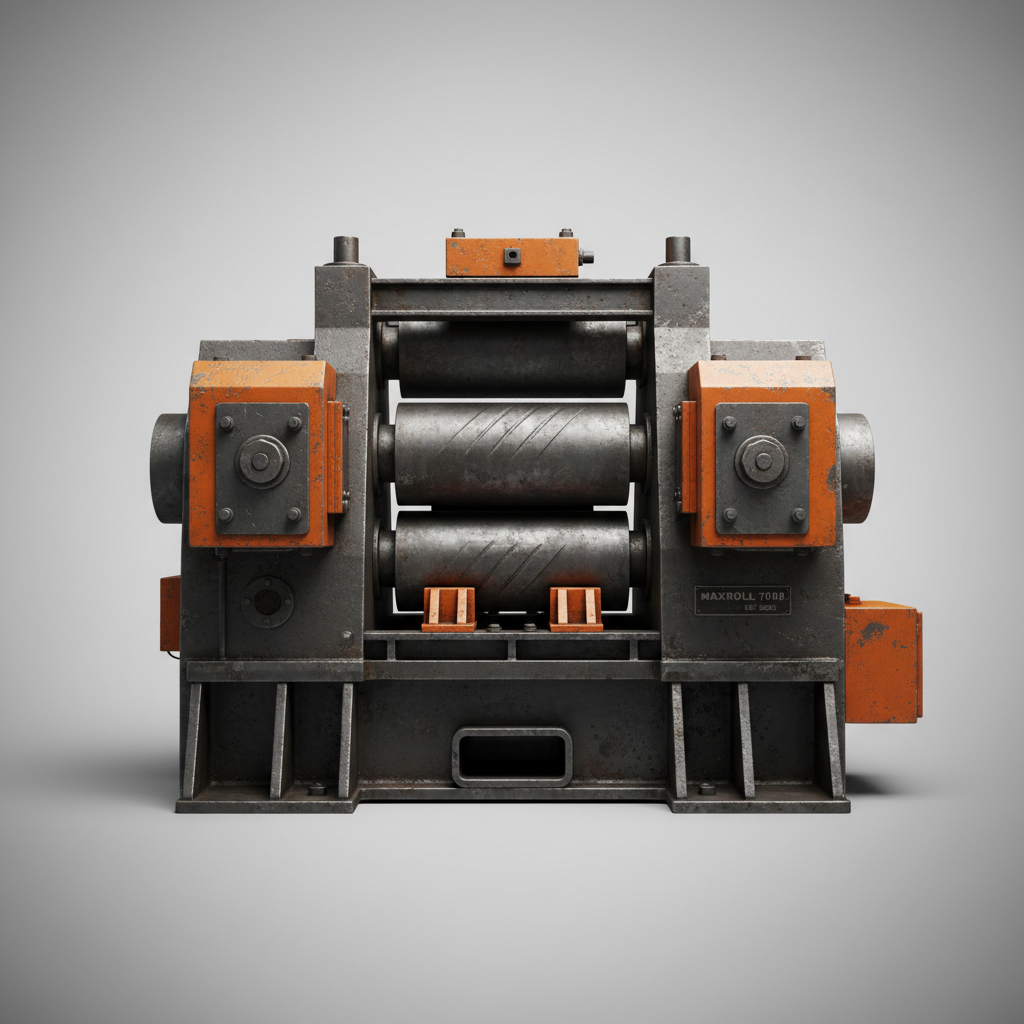
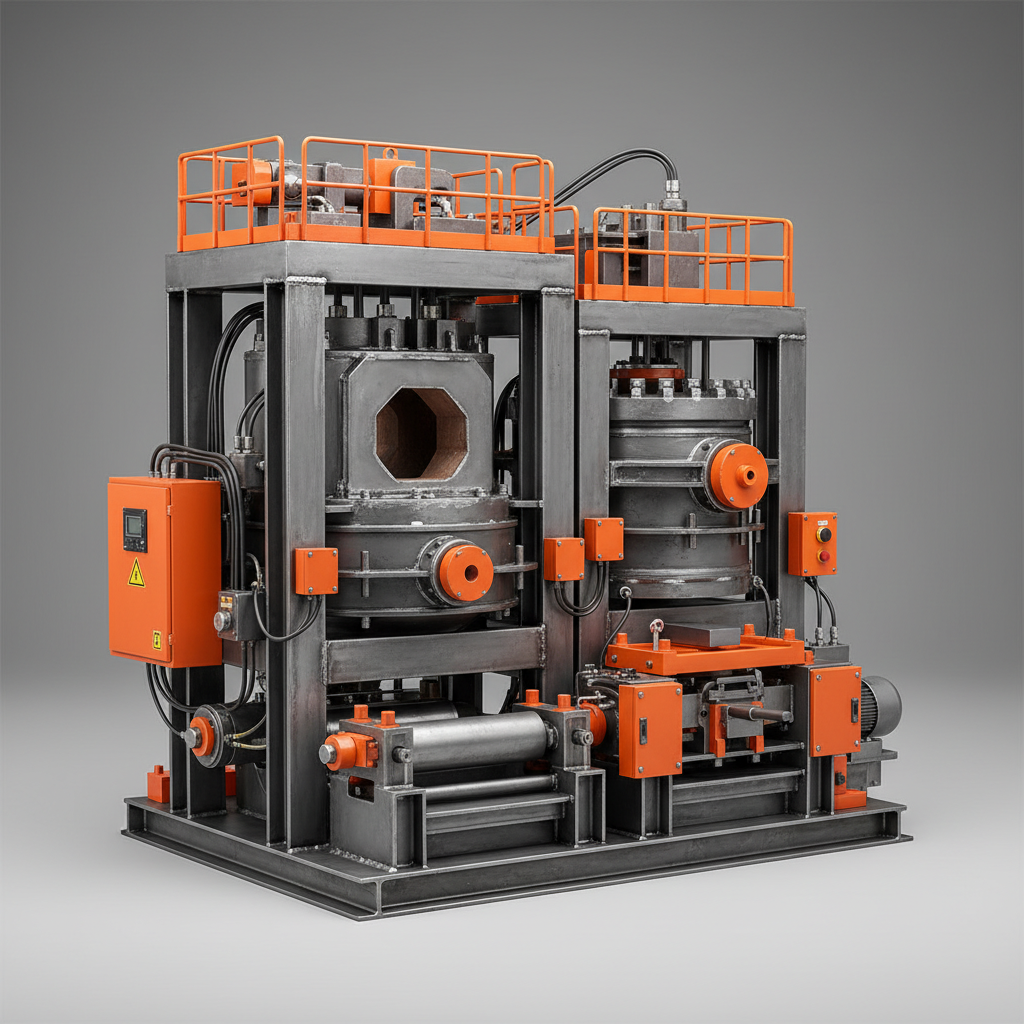
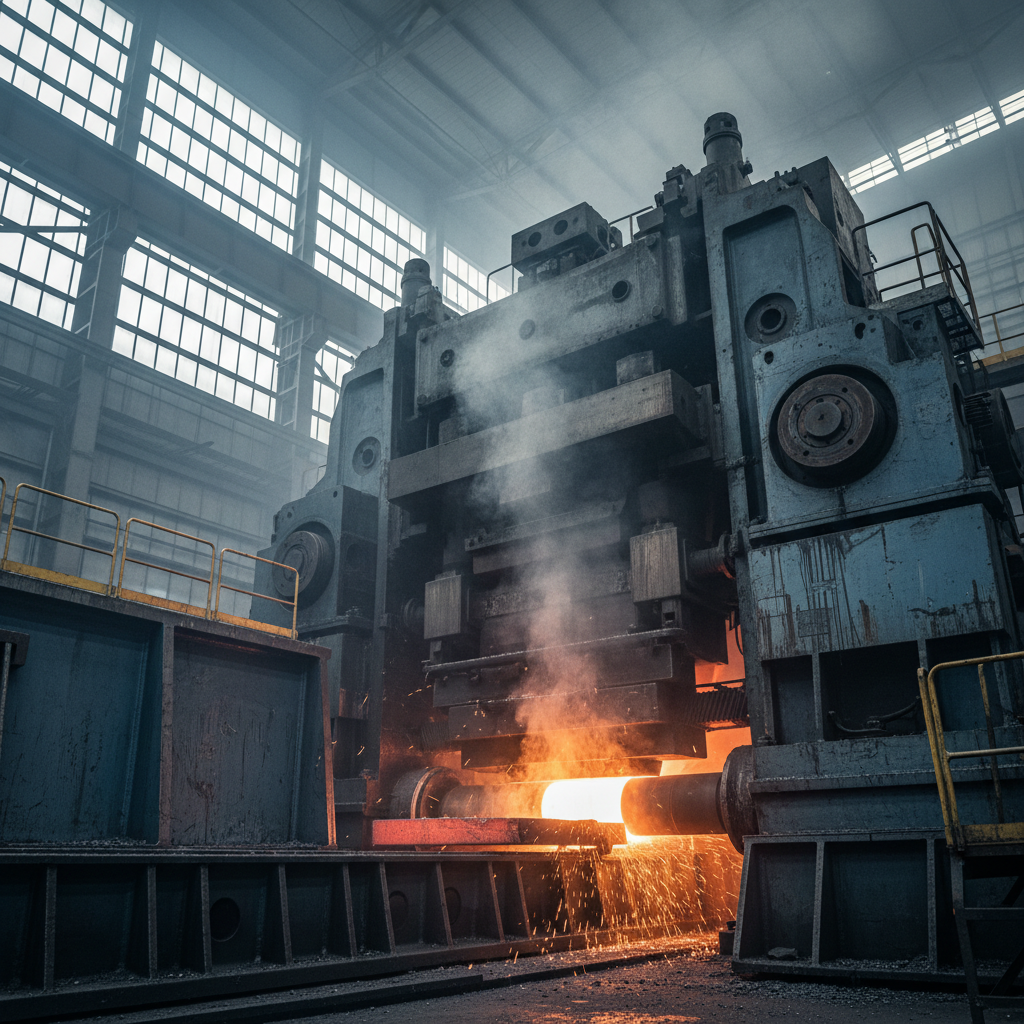
Rolling mill cost is a critical factor impacting the viability and competitiveness of the steel and metal industries globally. Understanding the intricacies of these costs – encompassing equipment, operation, maintenance, and labor – is paramount for businesses striving for profitability and sustainable growth. The effective management of rolling mill cost directly influences the price of finished metal products, impacting a vast range of downstream industries, from construction and automotive to packaging and infrastructure.
The significance of accurately assessing and controlling rolling mill cost extends beyond individual businesses. National economies rely on efficient and cost-effective metal production to support industrial development and infrastructure projects. Fluctuations in rolling mill cost can therefore have ripple effects throughout the economy, influencing inflation, investment decisions, and employment levels. Furthermore, minimizing these costs contributes to resource conservation and environmental sustainability.
Ultimately, mastering rolling mill cost isn’t just about saving money; it's about enabling innovation, driving economic prosperity, and building a more resilient and sustainable future for the metal industry and the communities it serves. A comprehensive understanding of the elements impacting this cost is essential for strategic planning and long-term success.
Introduction to rolling mill cost
Rolling mill cost encompasses all expenses associated with the operation of a rolling mill, from raw material procurement to the final product delivery. Effective management of these costs is crucial for maintaining competitiveness in the global steel market, as even small reductions can translate into significant profit gains. Analyzing these costs allows businesses to identify areas for optimization and implement strategies to improve efficiency.
The inherent complexity of rolling mill operations—involving high energy consumption, specialized equipment, and skilled labor—makes cost control a continuous challenge. Factors such as market fluctuations in raw material prices, technological advancements, and environmental regulations all contribute to the dynamic nature of rolling mill cost. Proactive cost analysis and strategic planning are vital to navigate these challenges effectively.
Defining Rolling Mill Cost
Rolling mill cost, in its simplest form, is the total expenditure required to transform raw metal (typically billets, blooms, or slabs) into finished products like sheets, plates, bars, and sections. This includes not only direct costs—such as raw materials, energy, and labor—but also indirect costs like maintenance, depreciation, and administrative overhead. Understanding the composition of these costs is the first step towards effective management.
In modern industry, precise tracking of rolling mill cost is vital for accurate pricing strategies and informed investment decisions. It’s also a key performance indicator (KPI) used to benchmark operational efficiency against industry standards and competitor performance. Accurate cost data enables businesses to assess the profitability of different product lines and optimize production schedules.
The concept extends beyond purely economic considerations. By minimizing waste and optimizing energy consumption, effective rolling mill cost management contributes to more sustainable industrial practices, aligning with global efforts to reduce environmental impact and promote resource conservation.
Core Components of Rolling Mill Cost
Several core components contribute significantly to the overall rolling mill cost. Raw material costs, primarily the price of steel billets or slabs, often represent the largest single expense. Fluctuations in global commodity markets directly impact these costs, necessitating robust procurement strategies and hedging mechanisms. Another substantial expense is energy consumption, driven by the intense heating and mechanical force required in the rolling process.
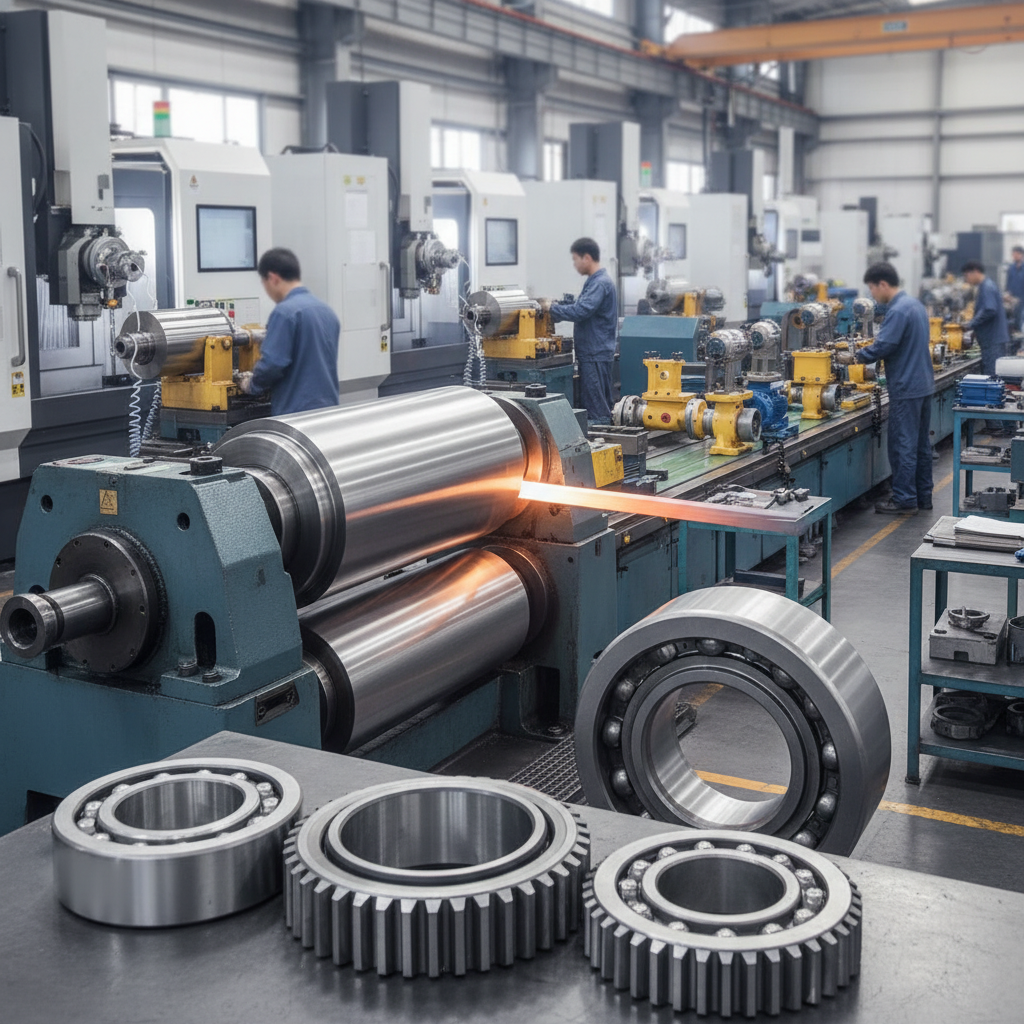
Labor costs, encompassing skilled operators, maintenance personnel, and management staff, are a significant factor, particularly in regions with higher labor rates. Equipment maintenance and repair are also substantial, as rolling mills are subject to wear and tear from continuous operation. Depreciation of the rolling mill equipment itself represents a substantial long-term cost component.
Finally, indirect costs such as quality control, warehousing, transportation, and administrative overhead contribute to the overall rolling mill cost. Accurate allocation of these indirect costs is critical for a comprehensive understanding of the true cost of production. Effective cost accounting systems are essential for tracking and analyzing each of these components.
Global Applications of Rolling Mill Cost Analysis
Rolling mill cost analysis is vital across the globe, influencing steel production in major economies like China, India, the United States, and Germany. In China, with its massive steel industry, controlling rolling mill cost is critical for maintaining its position as the world’s largest steel producer. In India, the focus is on improving cost efficiency to support rapid infrastructure development.
In developed nations like the US and Germany, the emphasis is on optimizing rolling mill cost through technological advancements, automation, and energy efficiency improvements to compete with lower-cost producers. Emerging economies in Southeast Asia and Africa are also increasingly focused on rolling mill cost analysis as they invest in new steel production capacity.
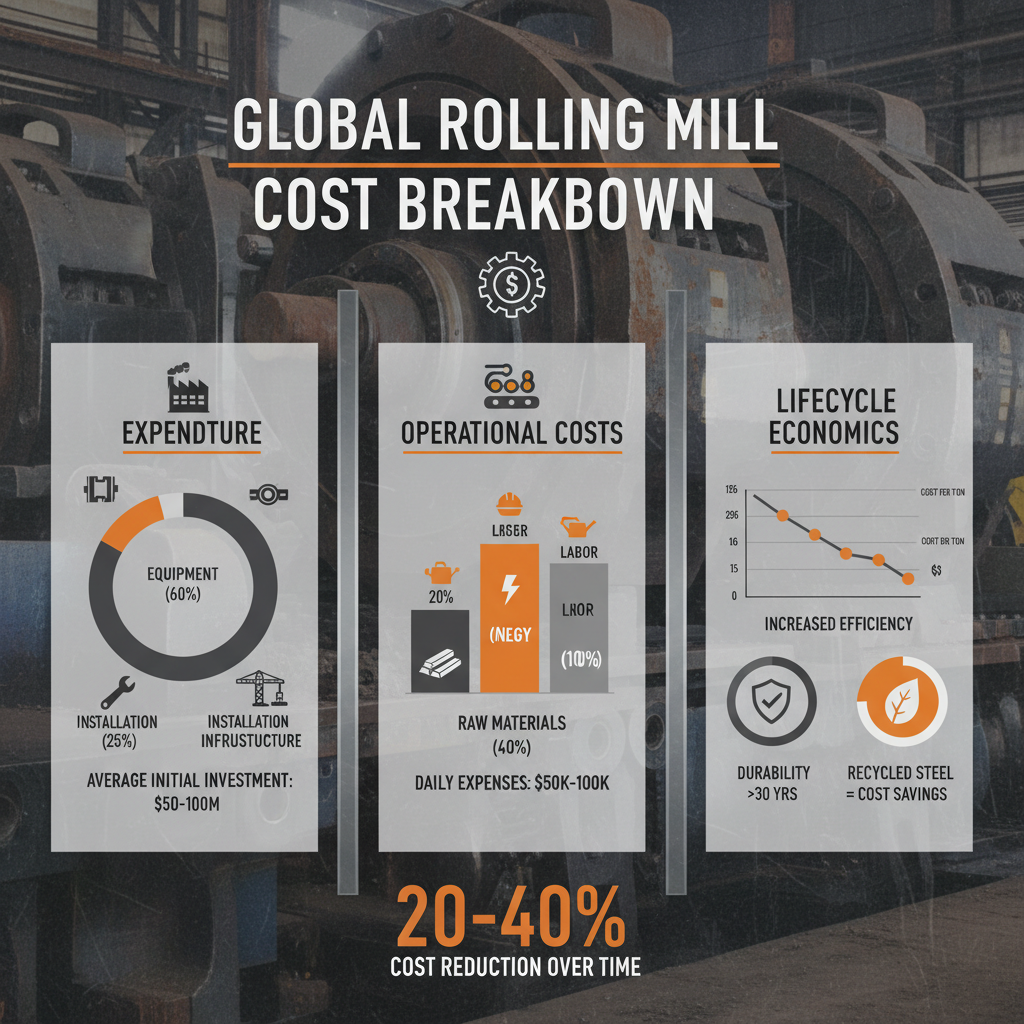
Rolling Mill Cost Breakdown by Method
Advantages & Long-Term Value of Cost Control
Effective rolling mill cost control provides significant tangible benefits, beginning with improved profitability and increased competitiveness. Reducing costs allows businesses to offer more competitive pricing, expand market share, and attract new customers. Lower costs also free up capital for investment in research and development, modernization, and expansion.
Beyond the financial gains, a strong focus on cost control fosters a culture of efficiency and innovation within the organization. This leads to more sustainable operating practices, reduced waste, and lower environmental impact. Furthermore, a well-managed rolling mill can enhance its reputation for reliability and quality, building trust with customers and stakeholders.
Future Trends Influencing Rolling Mill Cost
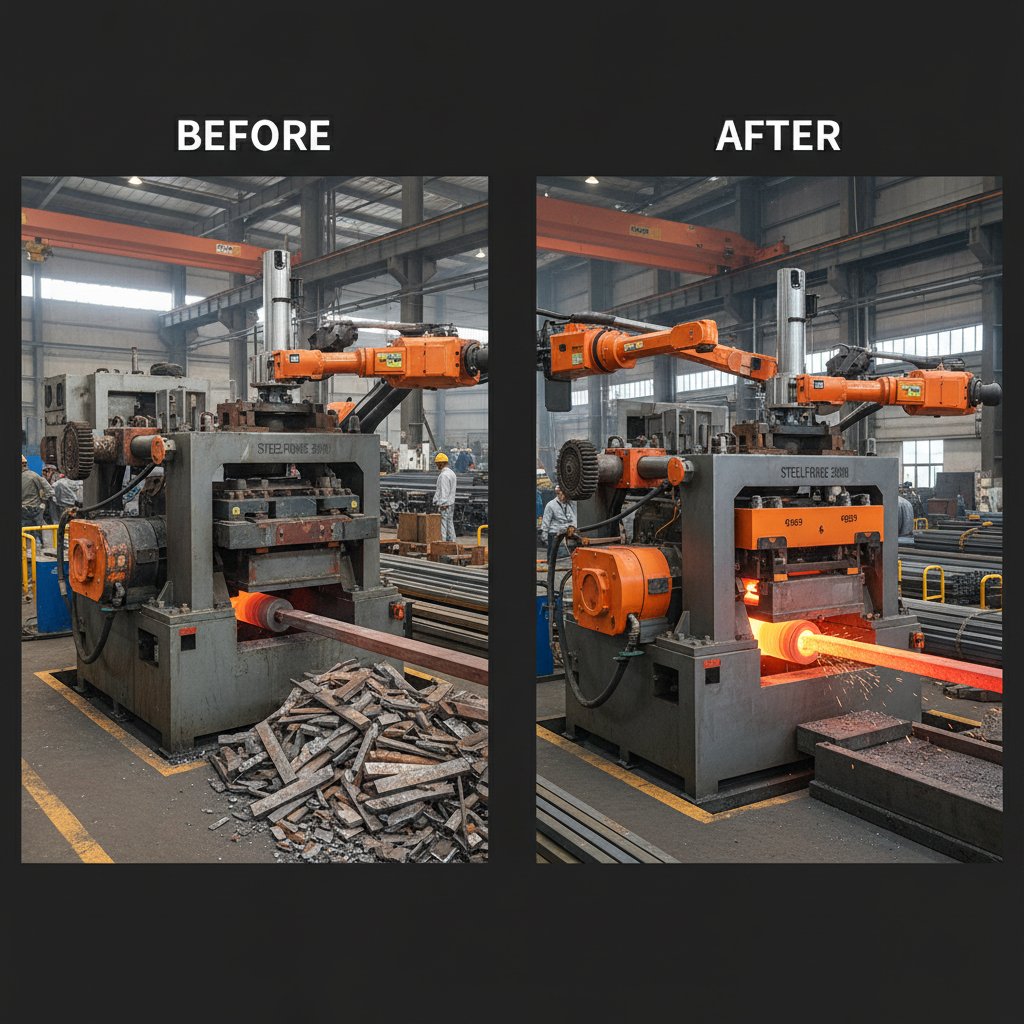
Several emerging trends are poised to significantly influence rolling mill cost in the coming years. The increasing adoption of Industry 4.0 technologies, including automation, artificial intelligence (AI), and the Internet of Things (IoT), offers opportunities to optimize production processes, reduce labor costs, and improve energy efficiency. The shift towards green energy sources and sustainable practices will also become increasingly important, driving investment in energy-efficient equipment and renewable energy solutions.
Digitalization of the supply chain, utilizing blockchain and advanced analytics, will enhance transparency, reduce procurement costs, and improve inventory management. The development of new materials and alloys with improved properties may also impact rolling mill cost, requiring adjustments to processing parameters and equipment.
Challenges and Solutions in Rolling Mill Cost Management
Despite advancements in technology and management practices, rolling mill cost management faces ongoing challenges. Volatility in raw material prices remains a significant concern, requiring proactive hedging strategies and diversification of supply sources. Maintaining aging equipment and minimizing downtime can also be costly.
To overcome these challenges, rolling mills need to embrace predictive maintenance programs, utilizing sensor data and machine learning algorithms to anticipate equipment failures and schedule maintenance proactively. Investing in energy-efficient technologies and implementing robust energy management systems are also crucial. Collaborative partnerships with suppliers and customers can help to optimize the supply chain and reduce overall costs.
Finally, continuous training and skill development for the workforce are essential to ensure the effective operation and maintenance of advanced equipment and technologies.
Summary of Rolling Mill Cost Management Strategies
| Strategy Type |
Implementation Focus |
Expected Cost Impact (1-10) |
Long-Term Sustainability |
| Raw Material Procurement |
Supplier diversification, long-term contracts, hedging. |
8 |
Medium |
| Energy Efficiency |
Modern equipment, waste heat recovery, renewable energy. |
9 |
High |
| Predictive Maintenance |
Sensor integration, AI-driven analytics, proactive repairs. |
7 |
High |
| Automation & AI |
Automated rolling processes, quality control, and inventory management. |
8 |
Medium |
| Supply Chain Optimization |
Digitalization, collaboration with suppliers and customers. |
6 |
Medium |
| Workforce Training |
Skills development for new technologies, operational excellence. |
7 |
High |
FAQS
The primary drivers of rolling mill cost are typically raw material prices (billets/slabs), energy consumption (electricity, gas), labor costs (skilled operators, maintenance), and maintenance/repair expenses. Indirect costs like depreciation, administrative overhead, and quality control also play a significant role. Effectively managing each of these areas is crucial for overall cost optimization.
Energy consumption represents a substantial portion of rolling mill cost. Implementing energy-efficient technologies, such as variable frequency drives, improved insulation, and waste heat recovery systems, can dramatically reduce energy bills. Optimizing rolling schedules and minimizing idle time also contribute to significant energy savings. Switching to renewable energy sources further lowers costs and environmental impact.
Predictive maintenance utilizes sensor data and machine learning to anticipate equipment failures before they occur. This allows for proactive maintenance scheduling, minimizing unexpected downtime and costly repairs. By preventing catastrophic failures, predictive maintenance improves equipment reliability, extends its lifespan, and reduces overall maintenance expenses, significantly impacting rolling mill cost.
Automation streamlines various rolling mill processes, reducing the need for manual labor and minimizing the risk of human error. Automated quality control systems improve product consistency and reduce scrap rates. Automated material handling and inventory management systems optimize material flow and reduce storage costs. The initial investment in automation can be offset by long-term cost savings and increased efficiency.
Raw material costs often represent the largest single expense in rolling mill operations. Establishing strong relationships with multiple suppliers, negotiating favorable contracts, and implementing hedging strategies to mitigate price volatility are crucial for cost control. Optimizing inventory management and minimizing material waste also contribute to reduced raw material expenses.
Key KPIs for monitoring rolling mill cost include cost per ton of finished product, energy consumption per ton, labor cost per ton, raw material cost per ton, maintenance cost as a percentage of revenue, and overall equipment effectiveness (OEE). Tracking these KPIs allows businesses to identify areas for improvement and measure the effectiveness of cost control initiatives. Regularly reviewing these metrics is vital for sustained performance.
Conclusion
In conclusion, effective rolling mill cost management is critical for the long-term sustainability and profitability of steel and metal producers. By understanding the core components of cost, embracing innovative technologies, and implementing proactive management strategies, businesses can navigate market challenges and maintain a competitive edge. The integration of Industry 4.0, sustainable practices, and a skilled workforce are paramount for success.
Looking ahead, a continuous focus on optimization, digitalization, and environmental responsibility will be essential. Investing in research and development, fostering collaboration across the supply chain, and adapting to evolving market dynamics will enable rolling mills to thrive in the future. For a comprehensive understanding of rolling mill solutions and cost-effective options, visit our website: www.bjywlx.com.