0%

Table of Contents

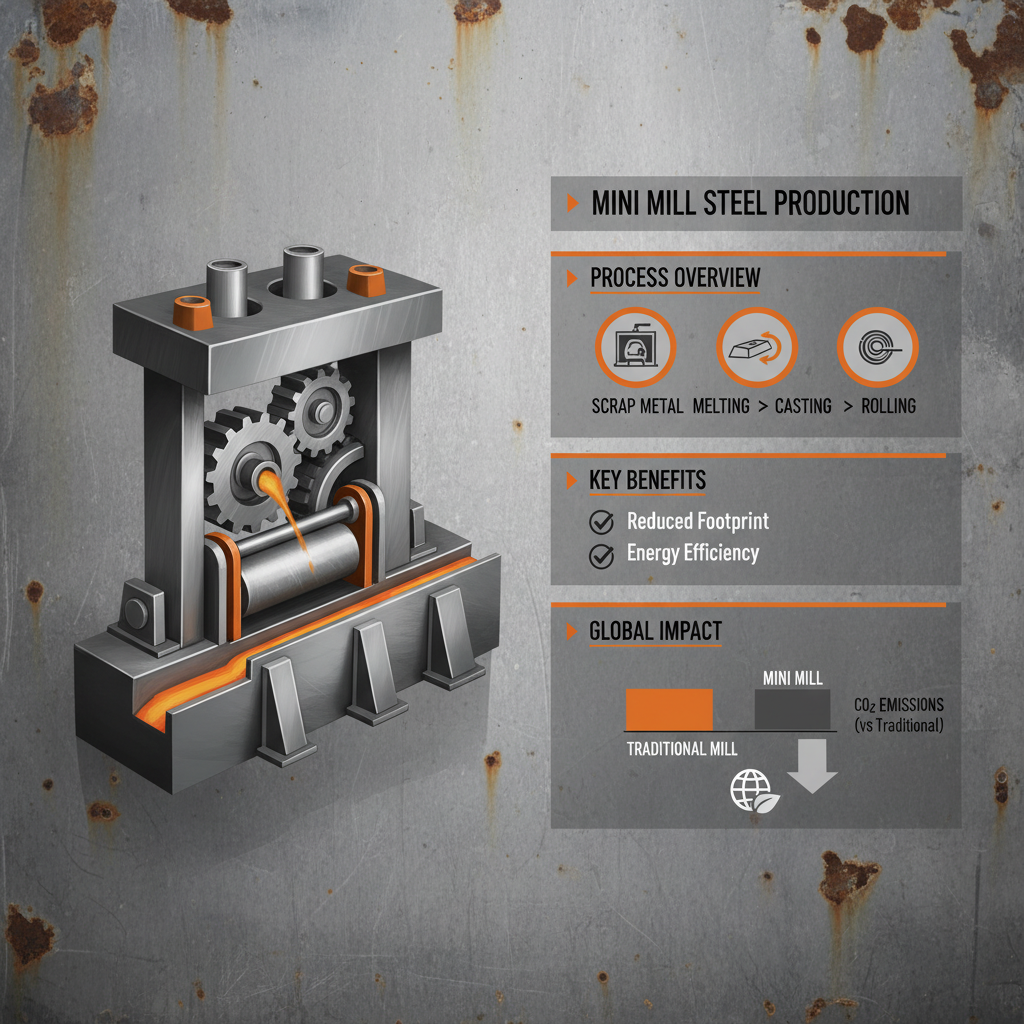
Mini mills steel represent a transformative force in the global steel industry, offering a more efficient, flexible, and often more sustainable alternative to traditional integrated steel mills. These facilities primarily utilize scrap metal as their raw material, drastically reducing the need for energy-intensive iron ore mining and processing. This shift is impacting everything from construction and infrastructure to automotive manufacturing and beyond. Understanding the nuances of mini mills steel is crucial for stakeholders across diverse sectors, from investors and policymakers to end-users seeking cost-effective and environmentally responsible solutions.

Globally, the demand for steel continues to rise, driven by urbanization, industrialization, and infrastructure development in emerging economies. However, traditional steelmaking processes are significant contributors to greenhouse gas emissions and resource depletion. Mini mills steel offers a pathway towards mitigating these environmental concerns, promoting a circular economy, and enhancing the resilience of supply chains. The ongoing evolution of mini mill technologies and their increasing adoption represent a pivotal trend in the industry's effort to meet sustainable development goals.

The proliferation of mini mills steel is not merely a technological shift; it's a strategic response to evolving market dynamics and growing environmental consciousness. Their ability to adapt quickly to changing demands, coupled with lower capital investment requirements, makes them particularly attractive in a volatile global landscape. As innovation continues to drive down production costs and enhance product quality, mini mills steel are poised to play an increasingly dominant role in the future of steel manufacturing.
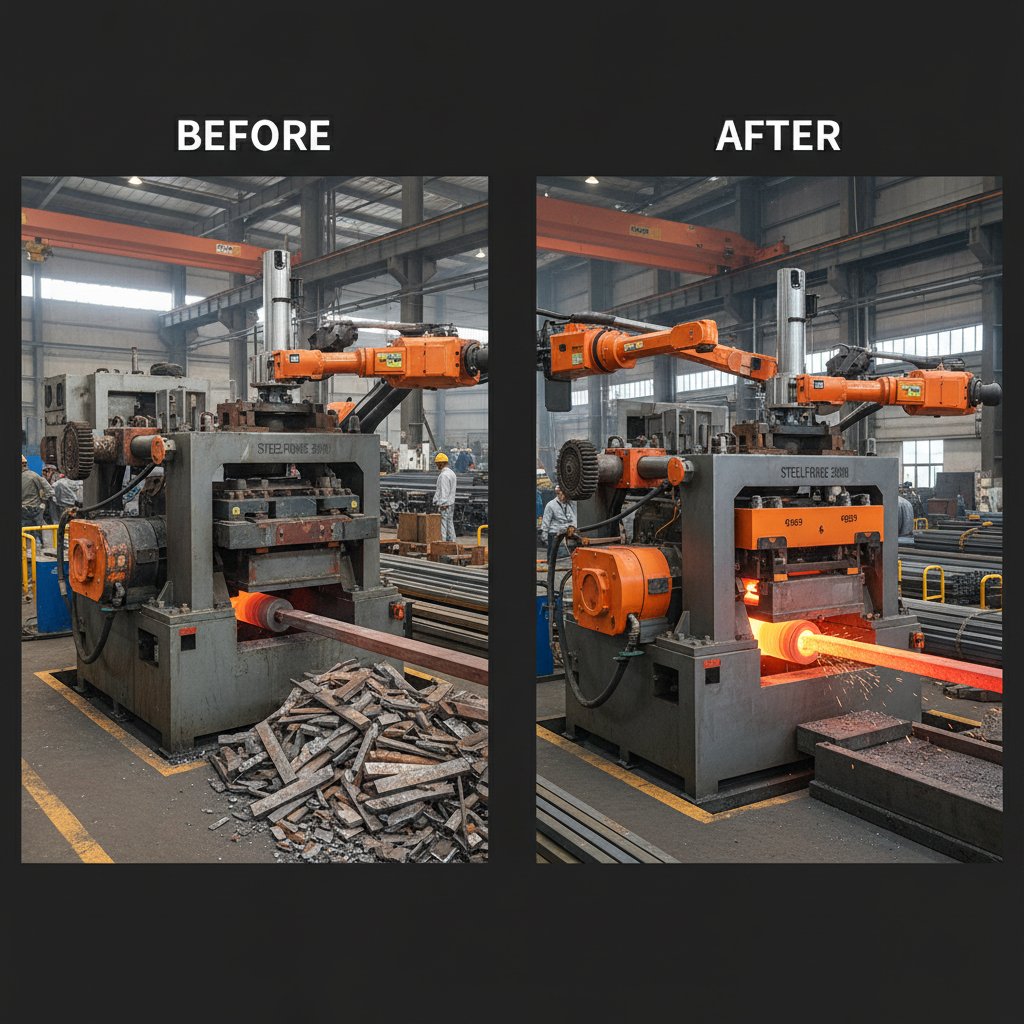
The Rise of Mini Mills Steel Transforming Global Steel Production

Introduction to mini mills steel

The Rise of Mini Mills Steel Transforming Global Steel Production

Mini mills steel distinguish themselves through their streamlined production process, focusing primarily on the recycling of scrap metal. This fundamentally alters the steelmaking landscape, minimizing environmental impact and reducing reliance on finite natural resources. The operational efficiency of these mills, coupled with their adaptive capacity, has made them key players in responding to fluctuating market demands.

This approach isn’t simply about cost savings, although those are significant. It's about forging a more sustainable industrial model. By efficiently utilizing existing materials, mini mills steel actively contribute to a circular economy, reducing waste and promoting resource conservation. This is becoming increasingly important as global attention turns towards environmental responsibility and sustainable practices.

The Global Impact of mini mills steel

The global steel industry represents a cornerstone of modern infrastructure and manufacturing, and mini mills steel are rapidly changing its structure. Regions such as North America and Europe have witnessed substantial growth in mini mill capacity, driven by factors like favorable scrap availability, stringent environmental regulations, and the demand for high-quality steel products. This growth is not limited to developed economies, with significant investment occurring in developing nations seeking to modernize their steelmaking capabilities.

Data from the World Steel Association highlights a continuous increase in the share of steel produced by electric arc furnaces (EAFs) – the core technology utilized by mini mills – globally. This trend demonstrates a clear shift towards more sustainable and efficient steel production methods. Furthermore, the localization of mini mill production strengthens regional supply chains, reducing transportation costs and enhancing responsiveness to local market needs.

The impact extends beyond economic factors. By minimizing reliance on iron ore extraction, mini mills steel alleviate pressure on sensitive ecosystems. They also create new opportunities for scrap metal processing and recycling industries, fostering local job creation and economic development within communities. The increased adoption of mini mills steel is thus intrinsically linked to broader sustainability objectives.

Defining mini mills steel

Mini mills steel refers to steel produced primarily through the use of electric arc furnaces (EAFs) that melt scrap metal, rather than the traditional integrated steelmaking process that relies on iron ore and blast furnaces. This distinction is critical, as it defines the core characteristics of mini mills: a smaller footprint, lower capital investment, and a significantly reduced environmental impact.

The connection to modern industry stems from the increasing demand for customized steel products and faster production cycles. Mini mills are more agile and flexible than integrated mills, allowing them to quickly adapt to changing market demands and produce specialized steel grades. This responsiveness is particularly valuable in sectors like automotive, construction, and machinery manufacturing.

Ultimately, mini mills steel are vital in meeting the growing global demand for steel while concurrently addressing the need for sustainable and efficient manufacturing practices. Their ability to transform waste into valuable resources positions them as a cornerstone of a circular economy, offering a viable path towards a more environmentally responsible steel industry.

Key Characteristics of mini mills steel

Several core characteristics define the strength and versatility of mini mills steel. First, Cost Efficiency is paramount; utilizing scrap metal significantly reduces raw material costs compared to iron ore. Second, Environmental Sustainability is a major advantage, as it lowers carbon emissions and reduces the need for resource extraction.

Third, Flexibility & Scalability allows mini mills to quickly adjust production to meet specific customer needs and expand capacity more easily than traditional mills. Fourth, Product Quality has greatly improved, with modern mini mills capable of producing high-grade steel that meets stringent industry standards.

mini mills steel Production Efficiency Comparison


Applications of mini mills steel

Mini mills steel finds application across a remarkably diverse range of industries. Construction is a major consumer, utilizing rebar, structural steel, and other steel products for building infrastructure. The automotive sector relies on high-strength steel produced by mini mills for vehicle frames and components, enhancing safety and fuel efficiency.

In remote industrial zones, mini mills provide a localized source of steel, reducing transportation costs and ensuring a consistent supply. Furthermore, they are playing an increasing role in the production of specialized steel grades tailored for specific applications, such as oil and gas pipelines, machinery components, and renewable energy infrastructure.

Advantages and Long-Term Value of mini mills steel

The advantages of mini mills steel extend beyond immediate cost savings. The reduced environmental footprint associated with scrap-based production contributes to long-term sustainability goals, aligning with growing corporate social responsibility initiatives. This enhanced sustainability fosters brand reputation and attracts environmentally conscious customers.

Furthermore, the flexibility of mini mills allows for quicker response times to market fluctuations, providing a competitive advantage in a dynamic global economy. The reliability of scrap metal supply, coupled with technological advancements in EAF operation, ensures a stable and secure supply chain for end-users.

Future Trends in mini mills steel

The future of mini mills steel is inextricably linked to ongoing innovation and the pursuit of greater sustainability. Increased automation and digitization of processes will further enhance efficiency and reduce operating costs. The integration of artificial intelligence (AI) and machine learning will optimize melt shop operations, improve product quality, and predict maintenance needs.

Research and development efforts are focused on expanding the range of steel grades that can be produced by mini mills, enabling them to compete more effectively with traditional integrated mills. The adoption of renewable energy sources to power EAFs, such as solar and wind, will further reduce the carbon footprint of mini mill steel production, accelerating the transition towards a circular economy.

Policy incentives and regulations promoting the use of recycled materials and supporting sustainable steelmaking practices will also play a crucial role in driving the growth of the mini mills steel industry. The ongoing pursuit of closed-loop systems and the development of advanced scrap processing technologies will further enhance the environmental and economic benefits of this transformative approach to steel production.

FAQS

What are the primary environmental advantages of mini mills steel compared to traditional steelmaking?

Mini mills steel significantly reduce environmental impact by utilizing primarily recycled scrap metal, drastically lowering the need for iron ore mining and processing, which are highly energy-intensive and environmentally disruptive. This results in lower carbon emissions, reduced water usage, and minimized waste generation. The focus on a circular economy through scrap utilization positions mini mills steel as a more sustainable alternative.

How does the quality of steel produced by mini mills compare to that of integrated mills?

Modern mini mills now produce steel that meets or exceeds the quality standards of steel produced by traditional integrated mills. Advancements in electric arc furnace (EAF) technology, coupled with precise control systems and advanced refining processes, allow mini mills to manufacture a wide range of high-grade steel products tailored to specific applications. Rigorous quality control measures ensure consistent performance and reliability.

What factors influence the availability and cost of scrap metal, the primary raw material for mini mills?

The availability and cost of scrap metal are influenced by several factors, including economic conditions, industrial activity, and collection infrastructure. Stronger economic growth typically leads to increased scrap generation, while robust collection networks and efficient sorting processes ensure a steady supply. Market dynamics, such as global demand for scrap metal and transportation costs, also play a role in determining pricing.

What is the role of technological innovation in the future development of mini mills steel?

Technological innovation is crucial for the future of mini mills steel. Advances in areas like automation, AI-powered process optimization, and the integration of renewable energy sources will enhance efficiency, reduce costs, and further minimize environmental impact. Research into advanced scrap processing techniques and the development of new steel grades will also be key to expanding the capabilities of mini mills.

Are there any geographic regions particularly well-suited for the growth of mini mills steel production?

Regions with abundant scrap metal availability, robust recycling infrastructure, and supportive government policies are particularly well-suited for the growth of mini mills steel production. North America, Europe, and parts of Asia, particularly those with developed industrial sectors, have seen significant expansion in mini mill capacity. Emerging economies with growing infrastructure needs also represent promising markets.

What are the potential challenges associated with scaling up mini mills steel production?

Scaling up mini mills steel production may present challenges related to securing consistent scrap metal supply, ensuring sufficient electrical grid capacity to power EAFs, and managing potential environmental concerns associated with scrap processing. Addressing these challenges requires strategic planning, investments in infrastructure, and the adoption of best practices in environmental management.

Conclusion

In conclusion, mini mills steel represent a paradigm shift in the steel industry, offering a compelling combination of cost efficiency, environmental sustainability, and operational flexibility. Their reliance on recycled scrap metal minimizes environmental impact, while their adaptability allows them to respond quickly to changing market demands. The ongoing innovation in EAF technology and the integration of renewable energy sources promise to further enhance the benefits of mini mills steel.

Looking ahead, the continued adoption of mini mills steel is crucial for building a more sustainable and resilient steel industry. Policymakers, investors, and industry stakeholders should prioritize initiatives that support the growth of scrap recycling infrastructure, incentivize the use of renewable energy, and promote the development of advanced steelmaking technologies. To learn more about how mini mills steel can benefit your organization, visit our website today.

Brian Taylor

Brian Taylor

Brian Taylor is a Technical Support Engineer at Yang Wang Li Xin, serving as a primary point of contact for clients regarding spare parts and technical assistance. He has a background in mechanical engineering and a strong understanding of our equipment’s design and operation. Brian is known for his prompt
Previous Exploring the Vital Role of the Aluminum Mill in Modern Manufacturing
Next Advancements in Bar Mills Technology for Efficient Material Processing