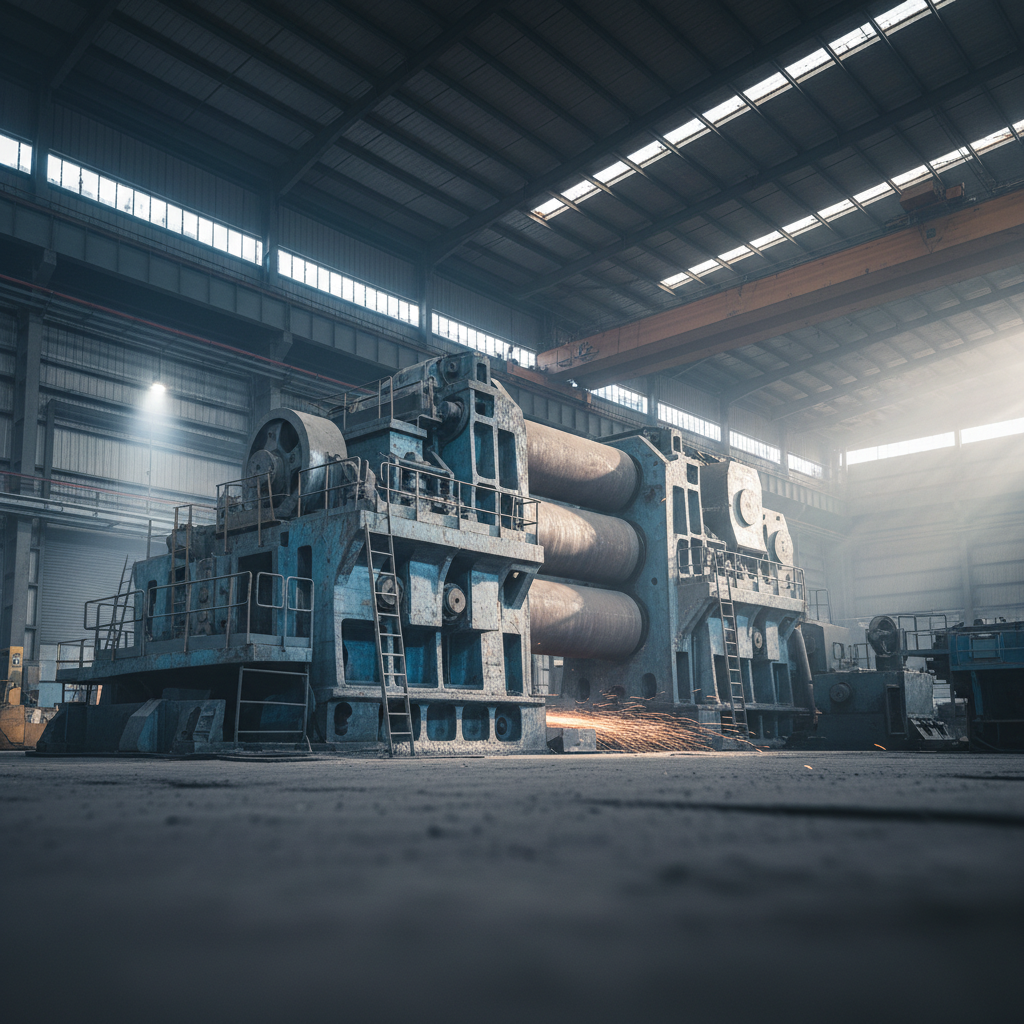
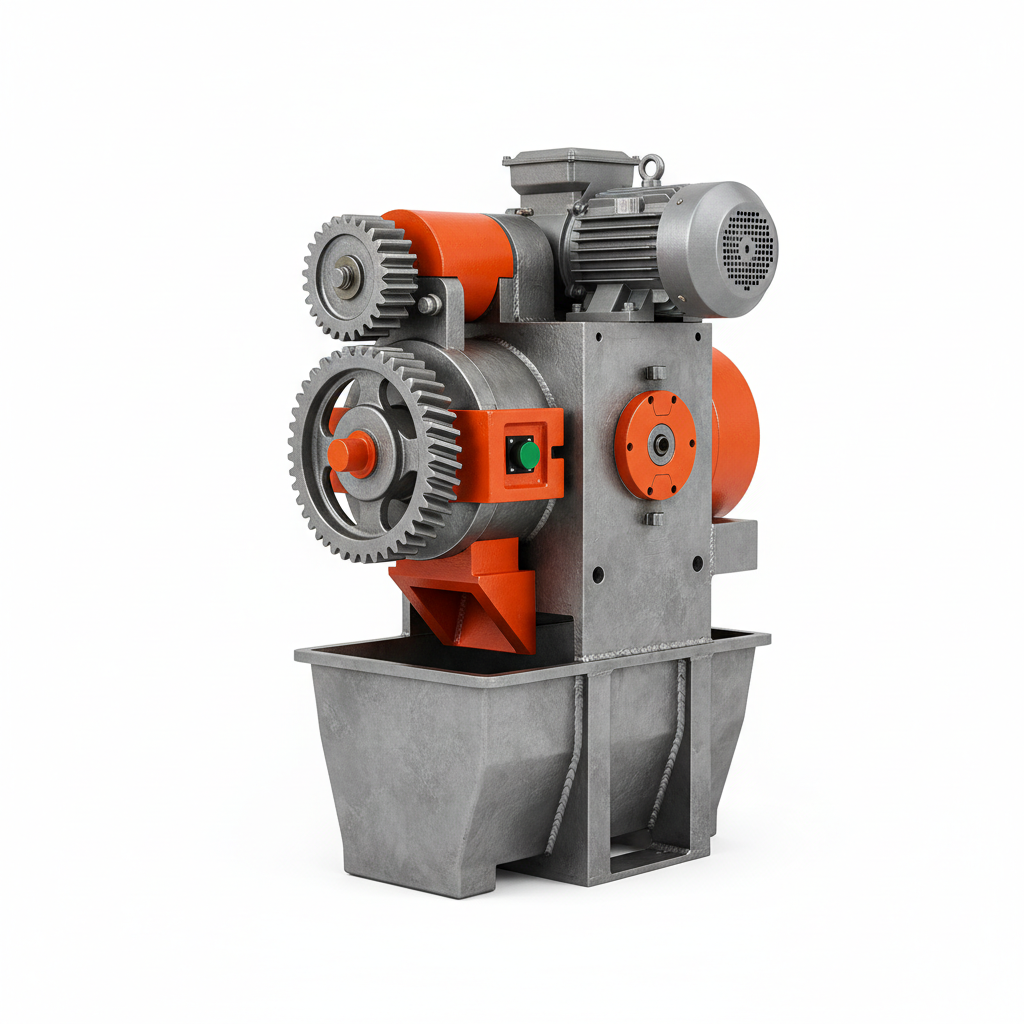
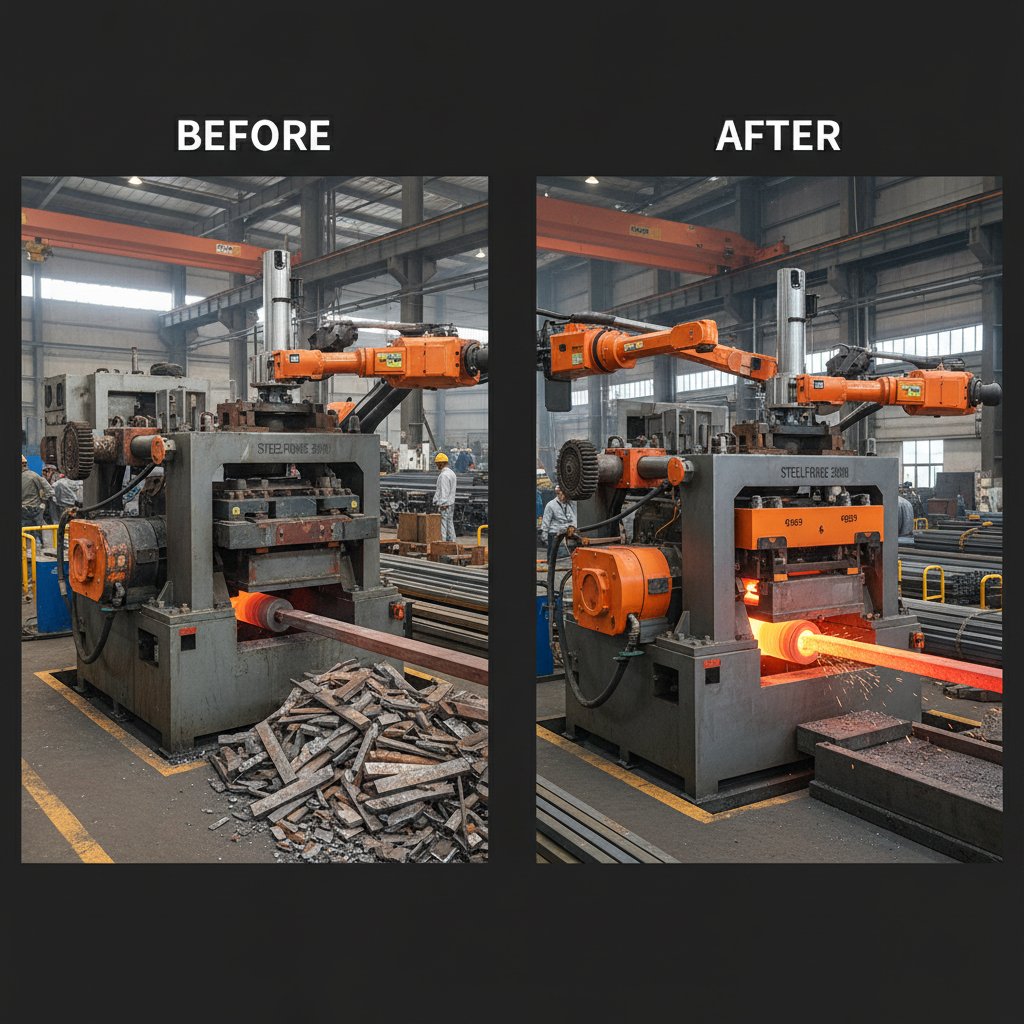
The global manufacturing landscape relies heavily on efficient metal forming processes, and the combination rolling mill stands as a cornerstone of modern production. This versatile equipment plays a critical role in shaping metal for diverse industries, from automotive and aerospace to construction and energy. Its ability to deliver high-quality materials with consistent properties makes it indispensable for meeting the ever-increasing demands of a globalized market.
The demand for high-strength, precision-engineered metal components continues to grow exponentially, fueled by advancements in technology and infrastructure development worldwide. This escalating need compels manufacturers to seek innovative solutions for optimizing their production processes. Combination rolling mills offer a powerful answer to this challenge, providing the capability to achieve complex geometries and tight tolerances efficiently.
Understanding the intricacies of combination rolling mill technology is paramount for engineers, production managers, and anyone involved in the metal manufacturing sector. By leveraging its capabilities effectively, companies can enhance their competitiveness, reduce costs, and ensure the delivery of superior products. This knowledge is fundamental to sustaining growth and innovation in an increasingly dynamic global marketplace.
Understanding the Core Principles of Combination Rolling Mill
At its heart, a combination rolling mill leverages the principles of plastic deformation to shape metal. This involves reducing the thickness of a metal workpiece by passing it between rotating rolls. The 'combination' aspect refers to the integration of multiple rolling stands, often with varying configurations, to achieve complex profiles and precise dimensional control in a single pass. This contrasts with simpler mills that may require multiple passes.
The efficiency of this process relies heavily on factors like roll geometry, material properties, rolling speed, and lubrication. Understanding and optimizing these parameters is crucial for maximizing throughput, minimizing defects, and achieving the desired mechanical properties in the finished product. Advanced control systems and simulation software are increasingly employed to fine-tune these variables.
The Definition and Significance of Combination Rolling Mill
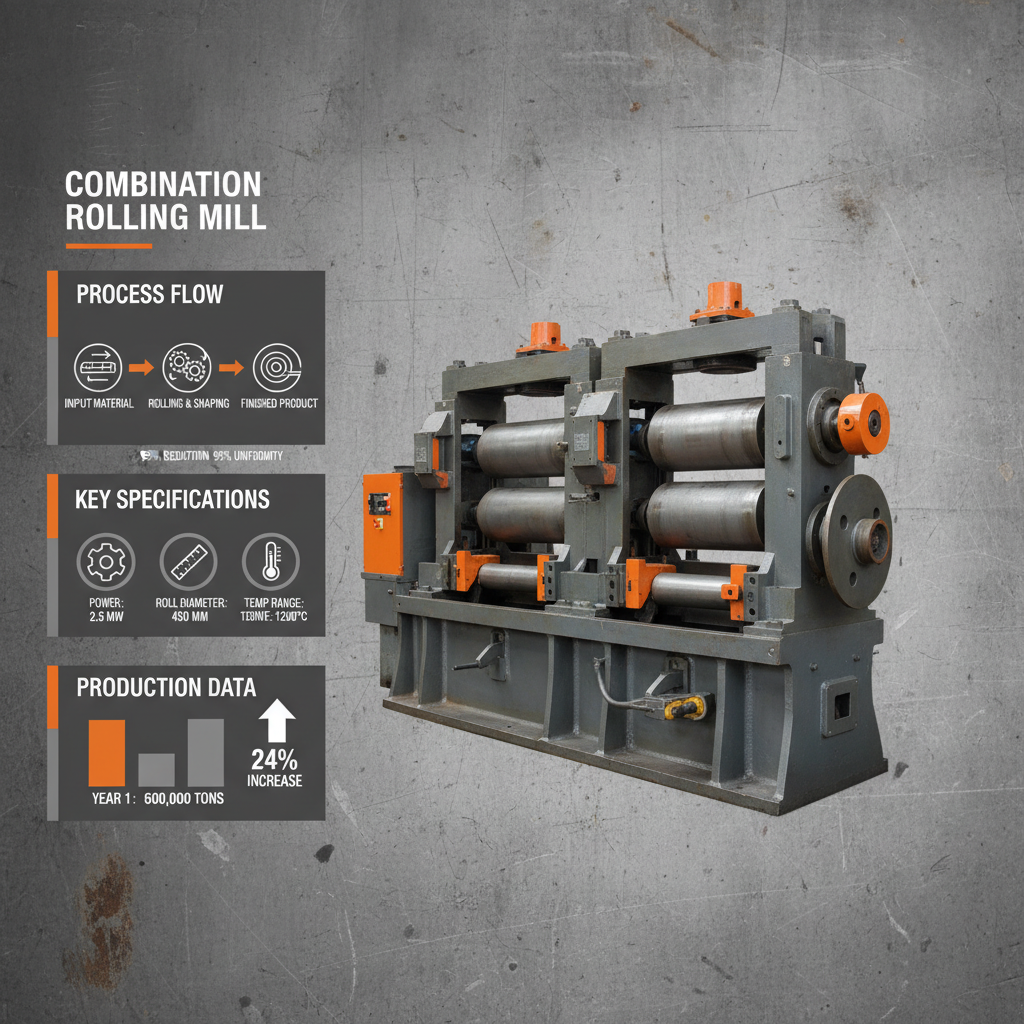
A combination rolling mill is a sophisticated metal forming machine designed to perform multiple rolling operations sequentially. Typically, it comprises a series of rolling stands—often including roughing, intermediate, and finishing stands—arranged in a specific order to progressively refine the metal’s shape and dimensions. This allows for greater control over the final product’s properties and reduces the need for subsequent processing steps.
The significance of this technology extends far beyond mere production efficiency. Combination rolling mills are instrumental in manufacturing critical components for industries where material integrity is paramount, such as aerospace, automotive, and defense. They enable the creation of specialized profiles, superior surface finishes, and enhanced mechanical strength—attributes vital for these demanding applications.
In the context of modern industry, the ability to produce complex metal shapes quickly and accurately is a key competitive advantage. Combination rolling mills directly contribute to this advantage by reducing lead times, lowering production costs, and improving product quality, ultimately driving innovation and economic growth.
Key Components and Operational Characteristics
Several key components define the functionality and performance of a combination rolling mill. These include the rolling stands themselves, each equipped with precisely engineered rolls crafted from high-strength alloys. The work roll bearing system ensures smooth and accurate roll rotation, while the screwdown system controls the roll gap, dictating the reduction in metal thickness.
The drive system is another critical element, providing the necessary power and control to rotate the rolls at the desired speed. Modern mills often employ sophisticated automation systems, including programmable logic controllers (PLCs) and human-machine interfaces (HMIs), to monitor and adjust operational parameters in real-time. This enables precise control and consistent product quality.
Operational characteristics such as roll gap, rolling speed, and reduction ratio significantly impact the final product’s properties. Operators carefully adjust these parameters based on the material type, desired shape, and required mechanical properties. Advanced monitoring systems provide feedback on factors like temperature and force, enabling proactive adjustments to maintain optimal performance.
Performance Metrics and Quality Control in Combination Rolling Mill
Assessing the performance of a combination rolling mill necessitates monitoring several key metrics. These include throughput, which measures the quantity of metal processed per unit of time; material yield, reflecting the percentage of input material converted into usable product; and surface finish quality, indicating the smoothness and integrity of the rolled surface.
Quality control procedures are paramount to ensure that the rolled metal meets stringent specifications. These typically involve dimensional measurements using laser scanners and coordinate measuring machines (CMMs), as well as non-destructive testing methods like ultrasonic inspection and eddy current testing to detect internal flaws.
Comparative Performance of Combination Rolling Mill Methods
Global Applications and Industry-Specific Use Cases
Combination rolling mills find widespread application across numerous industries globally. In the automotive sector, they are crucial for manufacturing high-strength steel components for chassis, suspensions, and safety systems. The aerospace industry utilizes these mills to produce precision parts for aircraft structures and engines.
The construction industry relies on combination rolling mills for manufacturing reinforcing bars (rebar) and structural steel sections. Energy sector applications include producing seamless pipes for oil and gas pipelines, as well as components for power generation equipment. Regions with robust manufacturing bases, such as China, Germany, and the United States, represent key markets for this technology.
Advantages and Long-Term Value Proposition
The advantages of employing a combination rolling mill are multifaceted. Enhanced production efficiency, improved product quality, reduced material waste, and lower operating costs all contribute to a compelling return on investment. The ability to create complex shapes and tight tolerances expands design possibilities and unlocks new product development opportunities.
The long-term value extends beyond immediate financial gains. Investing in a modern combination rolling mill demonstrates a commitment to innovation, sustainability, and customer satisfaction. The technology's robustness and longevity ensure years of reliable operation, minimizing downtime and maximizing productivity. This ultimately strengthens a company’s competitive position in the global market.
Future Trends and Technological Advancements
The future of combination rolling mill technology is poised for significant advancements. Digitalization and Industry 4.0 initiatives are driving the integration of artificial intelligence (AI) and machine learning (ML) to optimize rolling processes in real-time. This includes predictive maintenance, automated process control, and improved quality prediction.
Sustainable manufacturing practices are also gaining prominence, leading to the development of energy-efficient rolling mill designs and the use of environmentally friendly lubricants. The exploration of new materials, such as high-entropy alloys and advanced composites, will necessitate innovative rolling techniques and equipment modifications.
Furthermore, the increasing demand for lightweight materials is driving research into thinner gauges and more precise control over material properties during the rolling process. Automation and robotics will continue to play a larger role in reducing labor costs and improving safety.
Summary of Key Factors Influencing Combination Rolling Mill Performance
| Rolling Speed |
Roll Gap Accuracy |
Material Composition |
Lubrication Effectiveness |
| Higher speeds generally increase throughput but can compromise quality. |
Precise control ensures consistent dimensions and surface finish. |
Different materials require varying rolling parameters. |
Effective lubrication reduces friction and prevents defects. |
| Optimal speed is dependent on material and roll geometry. |
Calibration and maintenance are crucial for maintaining accuracy. |
Material properties affect the required rolling force. |
Type and application method influence lubrication effectiveness. |
| Advanced control systems can optimize speed in real-time. |
Sensor feedback helps maintain roll gap stability. |
Alloying elements influence rolling behavior. |
Regular monitoring ensures adequate lubrication coverage. |
| Speed limitations are imposed by roll and bearing capacity. |
Roll wear can affect gap accuracy over time. |
Material homogeneity is essential for consistent results. |
Contamination can reduce lubrication effectiveness. |
| Automated speed control minimizes human error. |
Automated gap adjustment enhances precision. |
Precise control of material temperature is critical. |
Selecting the correct lubricant is essential for specific materials. |
| Data analytics can identify optimal speed ranges. |
Laser scanning provides real-time gap monitoring. |
Material analysis ensures proper composition. |
Proper lubricant storage minimizes degradation. |
FAQS
A conventional rolling mill typically utilizes a single set of rolls to reduce material thickness in one pass. A combination rolling mill, however, employs multiple rolling stands in sequence, allowing for more complex profile shaping and tighter dimensional control. This translates to increased versatility and improved product quality, reducing the need for secondary finishing operations and enabling the production of more sophisticated metal components.
Combination rolling mills are highly versatile and can process a wide range of metal materials, including carbon steel, stainless steel, aluminum alloys, and titanium alloys. The specific parameters, such as roll speed and reduction ratio, are adjusted based on the material's properties to achieve the desired shape and mechanical characteristics. The ability to handle diverse materials makes it a valuable asset in industries with varied manufacturing needs.
Automation significantly enhances the efficiency of combination rolling mills. Automated systems precisely control roll gap, speed, and tension, leading to more consistent product quality and reduced material waste. Real-time monitoring and data analytics enable predictive maintenance, minimizing downtime and optimizing performance. Automation also reduces the need for manual intervention, improving safety and lowering labor costs.
Regular maintenance is critical for ensuring the long-term reliability of a combination rolling mill. This includes inspecting and lubricating rolling bearings, checking roll alignment, and monitoring screwdown systems. Preventive maintenance schedules should be established based on operating hours and material processed. Timely replacement of worn parts is essential to prevent breakdowns and maintain optimal performance.
Safety is paramount when operating a combination rolling mill. Personnel should be thoroughly trained in proper operating procedures and equipped with appropriate personal protective equipment (PPE). Guarding systems should be in place to prevent access to moving parts. Emergency stop mechanisms should be readily accessible and regularly tested. A comprehensive safety program is crucial for minimizing the risk of accidents.
Environmental concerns are increasingly influencing the design and operation of combination rolling mills. Manufacturers are focusing on developing energy-efficient designs, minimizing noise pollution, and reducing waste generation. The use of environmentally friendly lubricants and the implementation of closed-loop cooling systems help to minimize the environmental impact. Sustainable manufacturing practices are becoming a key differentiator in the industry.
Conclusion
In conclusion, the combination rolling mill represents a cornerstone technology in modern metal manufacturing. Its ability to deliver high-quality, precisely shaped metal components efficiently and reliably makes it essential across a wide range of industries. Understanding its core principles, components, and operational characteristics is vital for maximizing its potential and achieving a competitive advantage.
Looking ahead, the integration of digital technologies, sustainable practices, and advanced materials will drive further innovation in combination rolling mill technology. Embracing these advancements will be crucial for manufacturers seeking to meet the evolving demands of the global market and build a more sustainable future. Visit our website at www.bjywlx.com to learn more about our cutting-edge rolling mill solutions.