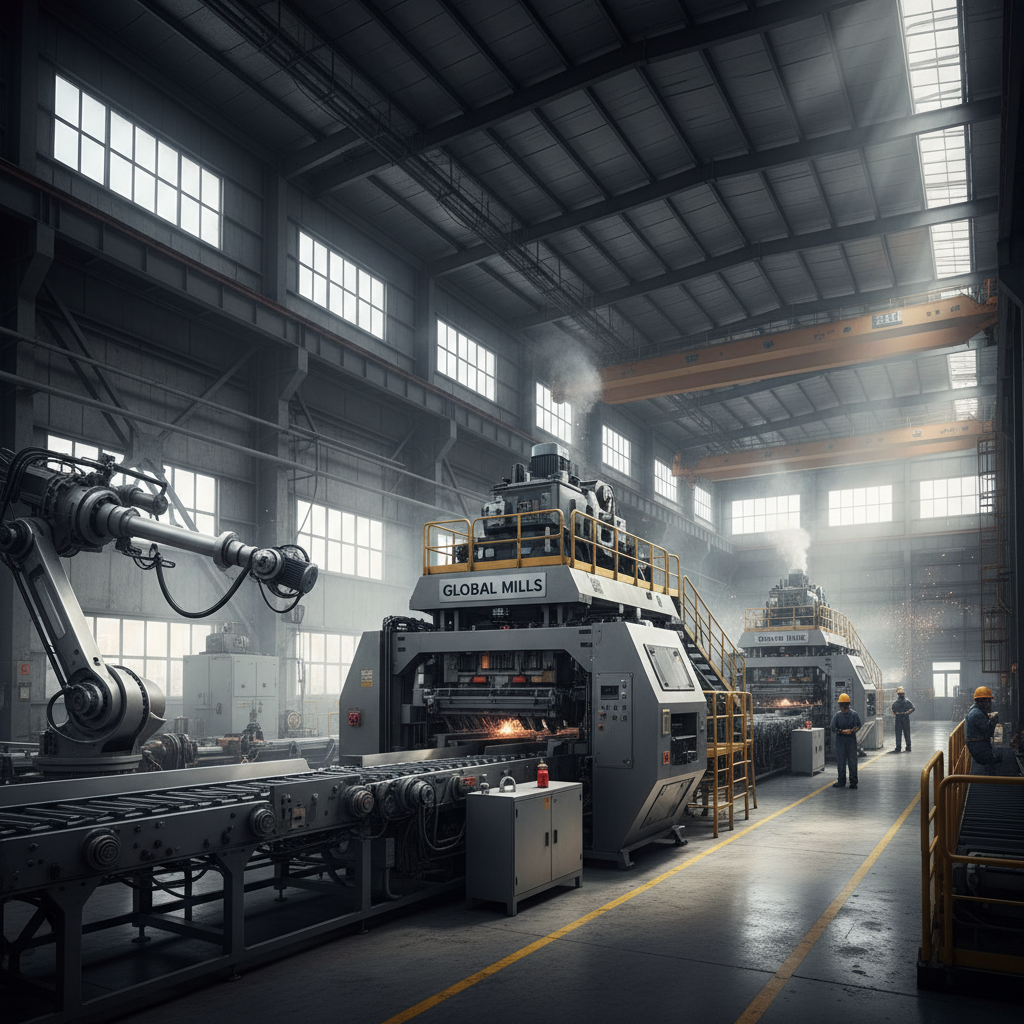
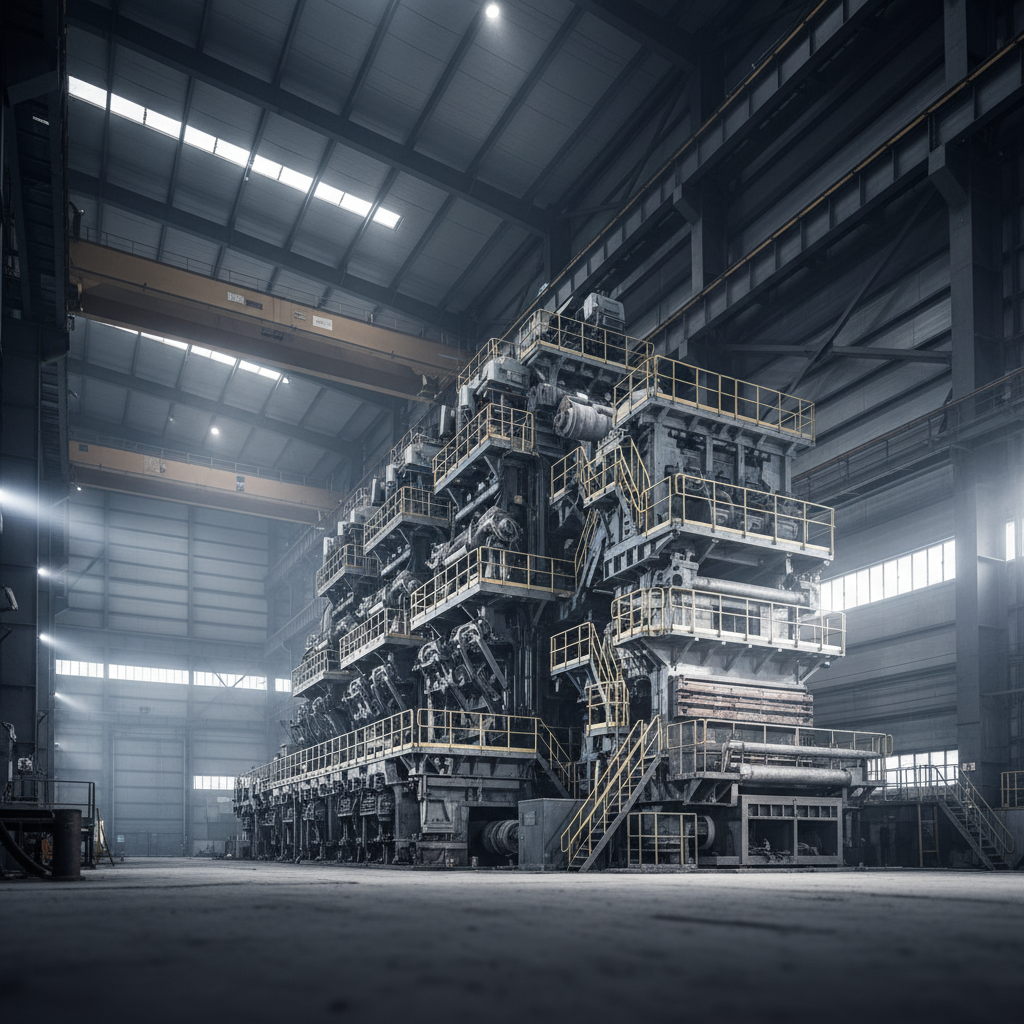
The global manufacturing landscape is undergoing a continuous shift towards specialized, high-precision equipment. Within this dynamic environment, the demand for adaptable and efficient metal processing solutions is paramount. A mini rolling mill represents a critical component in achieving these objectives, offering a versatile and cost-effective means of shaping metal for a diverse range of applications. This capability is increasingly important for businesses seeking to optimize production, reduce waste, and innovate with new materials.
The significance of mini rolling mills extends beyond mere metal forming. They empower smaller-scale operations and research facilities to conduct in-house metal processing, reducing reliance on external vendors and fostering rapid prototyping. Globally, these mills play a pivotal role in industries ranging from aerospace and automotive to medical device manufacturing and specialized tooling. The rise of customized manufacturing further amplifies their relevance.
Investing in a mini rolling mill isn’t just about acquiring equipment; it’s about investing in agility, control, and the ability to respond swiftly to market demands. It’s a strategic decision that unlocks potential for growth, innovation, and sustained competitiveness in the ever-evolving world of metalworking.
Understanding Mini Rolling Mill Technology
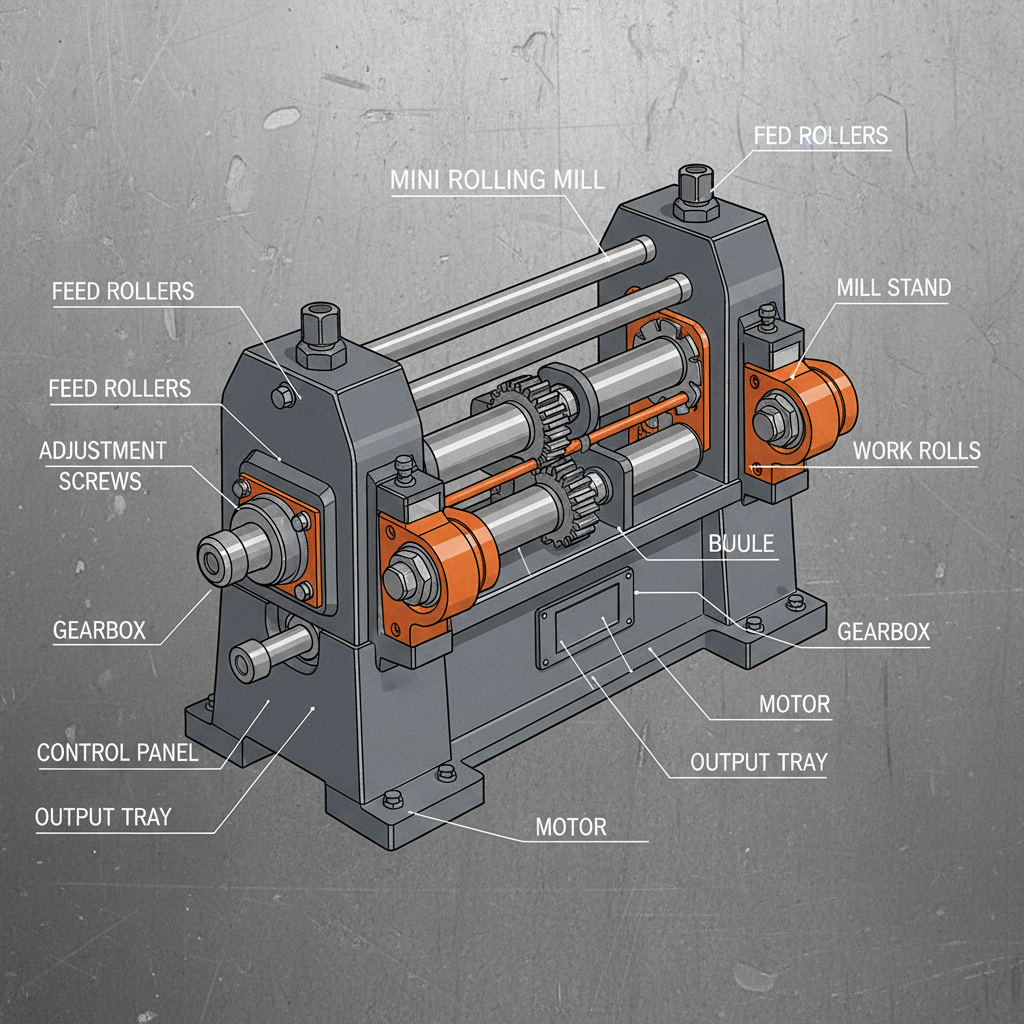
At its core, a mini rolling mill leverages the principle of plastic deformation to reduce the cross-sectional area of metal stock. Unlike large-scale rolling mills used in steel production, these compact units are designed for versatility, handling smaller volumes and a wider variety of materials. The process involves passing metal between rotating rolls, applying compressive forces to achieve the desired thickness and shape.
The technology has evolved significantly, with modern mini rolling mills incorporating features like variable speed controls, precise roll gap adjustments, and advanced automation systems. This evolution allows for greater control over the rolling process, resulting in consistent product quality and reduced material waste. The efficiency gains are a major draw for manufacturers of all sizes.
The Global Context of Mini Rolling Mills
The demand for mini rolling mills is inextricably linked to the growth of manufacturing industries worldwide, particularly in emerging economies. Regions like Southeast Asia, India, and South America are witnessing rapid industrialization, driving a corresponding need for metal processing equipment. According to the World Bank, global steel demand is projected to increase steadily, creating a favorable environment for manufacturers of rolling mill technology.
However, the industry also faces challenges. Rising energy costs, stringent environmental regulations, and the increasing complexity of metal alloys require innovative solutions. Mini rolling mills offer a pathway to address these challenges by providing energy-efficient processing, reducing waste through precision control, and accommodating a wider range of metal compositions. The trend toward localized manufacturing also strengthens the demand for localized metal processing capabilities.
The ISO standards surrounding metal processing equipment are becoming increasingly rigorous, emphasizing quality control and safety. Manufacturers who can demonstrate compliance with these standards gain a competitive advantage, and mini rolling mill manufacturers are actively working to meet these demands.
Defining the Mini Rolling Mill
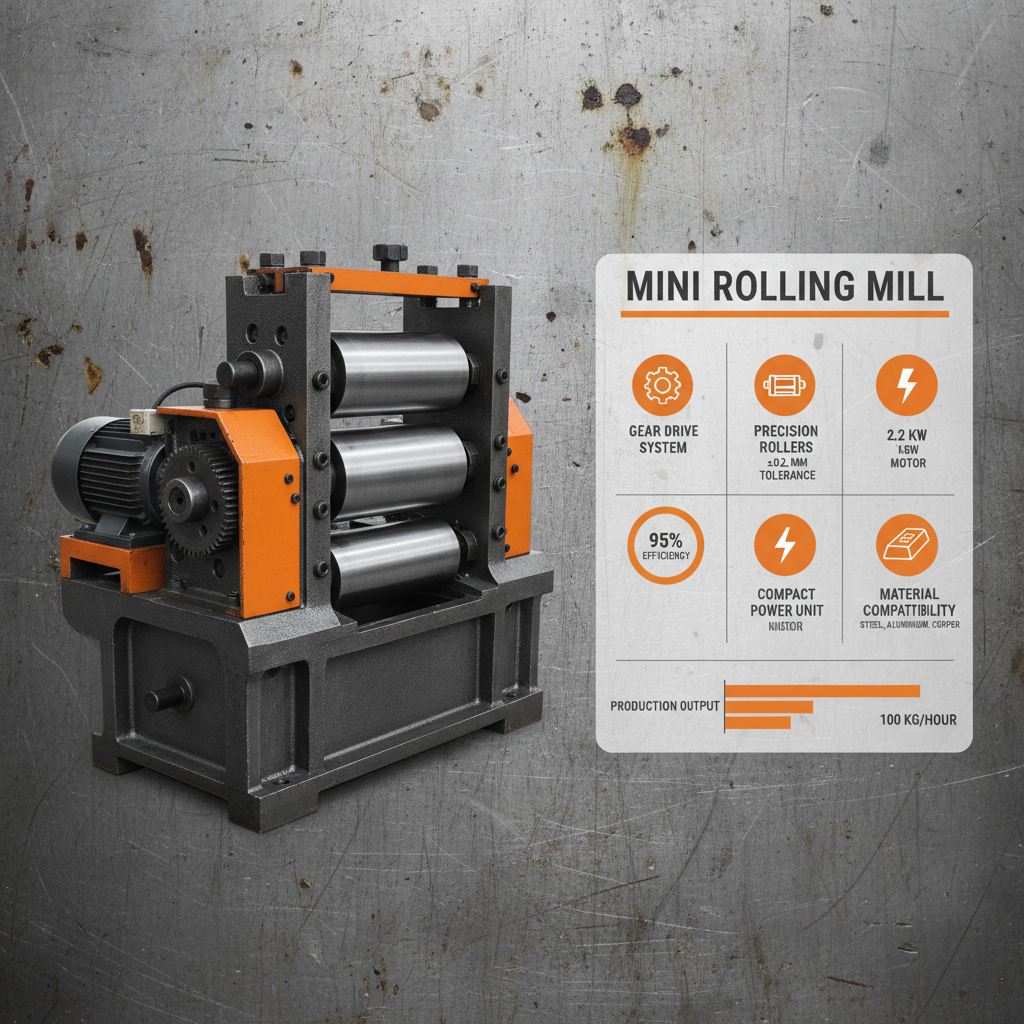
A mini rolling mill is a scaled-down version of a traditional rolling mill, engineered for smaller production runs, specialized materials, and greater operational flexibility. It is essentially a metal forming machine that uses rollers to plastically deform a metal billet or bar into a desired cross-sectional shape and thickness. Unlike massive production lines, these mills are often self-contained units suitable for laboratories, workshops, or specialized manufacturing facilities.
The connection to modern industry and even humanitarian needs is profound. In advanced manufacturing, they facilitate rapid prototyping and the creation of complex components. In resource-constrained environments or post-disaster situations, a portable mini rolling mill can be used to repurpose scrap metal into essential building materials or tools, demonstrating remarkable resilience and self-sufficiency.
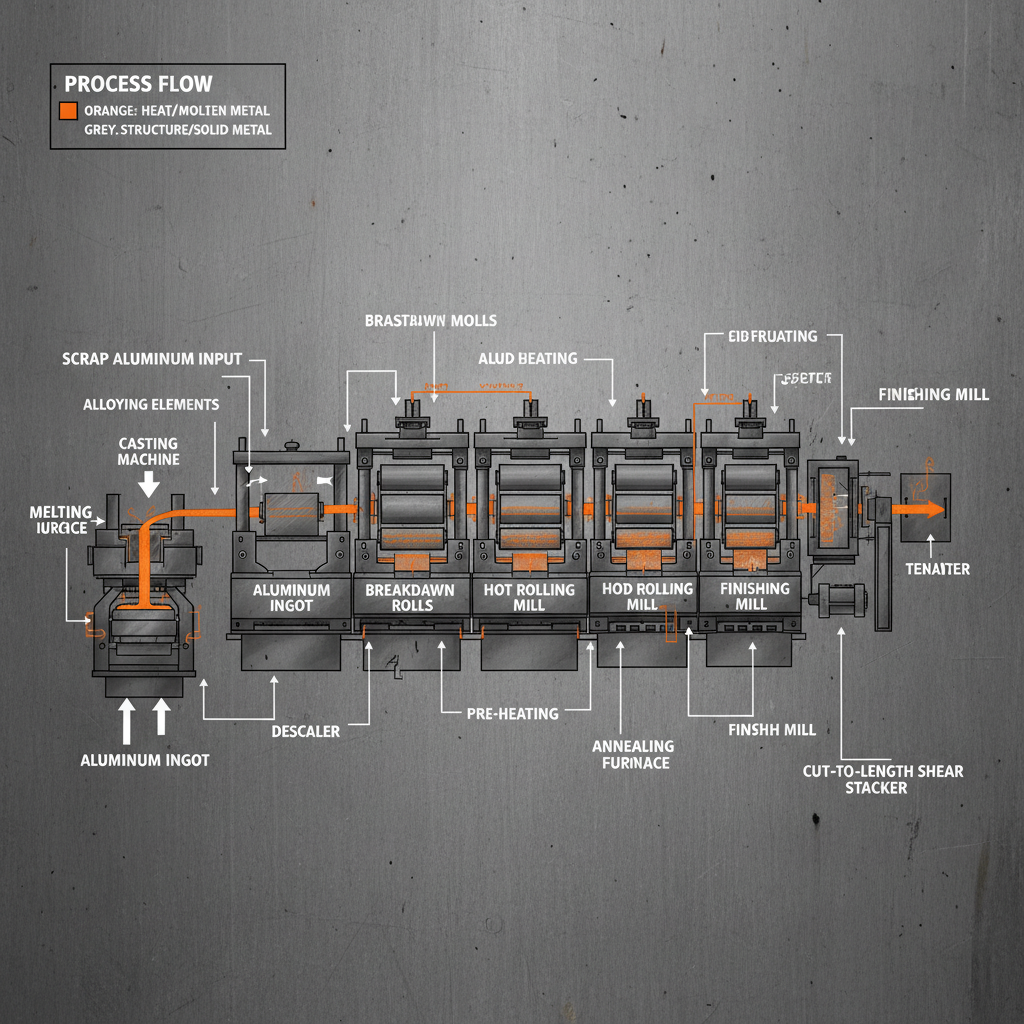
While often associated with steel, mini rolling mills can process a wide array of metals, including aluminum, copper, titanium, and their alloys. This versatility makes them indispensable tools for industries demanding precise metal forming capabilities across a diverse range of materials.
Key Factors Driving Mini Rolling Mill Performance
Several core factors contribute to the performance and effectiveness of a mini rolling mill. First is Durability, referring to the longevity and robustness of the mill’s components, particularly the rolls themselves. High-quality roll materials and proper maintenance are crucial for withstanding the stresses of continuous operation.
Second, Precision is paramount. Accurate roll gap adjustments and consistent speed control are vital for achieving the desired metal dimensions and surface finish. Third is Versatility, referring to the mill’s ability to handle different metal types, shapes, and thicknesses. This adaptability is a key advantage over specialized, single-purpose machines.
Performance Metrics of Different Mini Rolling Mill Methods
Applications Across Industries
The versatility of the mini rolling mill translates into applications across a broad spectrum of industries. In the aerospace sector, they are employed to create specialized alloy components with precise tolerances. Automotive manufacturers utilize them for producing prototypes and small-batch runs of customized parts.
The medical device industry relies on mini rolling mills for manufacturing surgical instruments and implants, where material purity and dimensional accuracy are critical. In the tooling sector, these mills are used to create custom dies, molds, and cutting tools. In remote industrial zones or for specialized projects, their compact size and self-sufficiency make them invaluable assets.
Benefits and Long-Term Value Proposition
Investing in a mini rolling mill delivers tangible benefits, starting with cost efficiency. Reduced reliance on external vendors lowers procurement costs and minimizes lead times. The inherent precision of the process leads to reduced material waste, enhancing sustainability and boosting profitability. The ability to quickly adapt to changing production needs offers a significant competitive advantage.
Beyond the financial gains, a mini rolling mill fosters innovation by enabling rapid prototyping and experimentation with new materials. The increased control over the manufacturing process enhances product quality and builds customer trust. A commitment to quality and sustainability enhances the brand’s reputation and attracts environmentally conscious consumers.
Future Trends and Innovations in Mini Rolling Mill Technology
The future of mini rolling mill technology is characterized by advancements in automation, materials science, and sustainable manufacturing practices. The integration of AI-powered control systems will enable even more precise and efficient operation. The development of new roll materials with enhanced wear resistance and thermal properties will extend mill lifespan and reduce maintenance costs.
The adoption of green energy sources to power these mills will contribute to a reduced carbon footprint, aligning with global sustainability goals. Digital twin technology will enable virtual simulations of the rolling process, optimizing parameters and minimizing downtime. Furthermore, the trend towards customized manufacturing will continue to drive demand for flexible and adaptable mini rolling mill solutions.
The integration of Industry 4.0 principles, such as real-time data analysis and predictive maintenance, will be crucial for maximizing the performance and longevity of mini rolling mills. This will require collaboration between equipment manufacturers, software developers, and end-users to create intelligent and interconnected manufacturing systems.
Analysis of Key Factors Influencing Mini Rolling Mill Selection
| Material Compatibility |
Production Capacity |
Automation Level |
Maintenance Requirements |
| Steel (Carbon & Alloy) |
Low-Volume (5-50 tons/month) |
Manual Control (Basic) |
High (Regular lubrication & adjustments) |
| Aluminum Alloys |
Medium-Volume (50-150 tons/month) |
Semi-Automatic (PLC control) |
Medium (Scheduled maintenance & parts replacement) |
| Copper & Brass |
Variable (10-100 tons/month) |
Advanced (Automated roll gap & speed control) |
Low (Predictive maintenance & minimal intervention) |
| Titanium Alloys |
Low-Volume (1-20 tons/month) |
Manual Control (High Precision) |
Medium (Specialized lubrication & inspection) |
| Stainless Steel |
Medium-Volume (30-80 tons/month) |
Semi-Automatic (Feedback Control) |
Medium (Regular cleaning & component checks) |
| Exotic Alloys (Nickel, etc.) |
Very Low-Volume (Under 10 tons/month) |
Fully Automated (Closed-Loop Control) |
Low (Remote monitoring & diagnostics) |
FAQS
Mini rolling mills are exceptionally versatile in small-scale fabrication. They're commonly used for creating custom metal shapes, reducing the thickness of stock material for specific projects, producing prototypes, and offering localized metal processing where larger mills aren’t practical. They are also ideal for creating specific finishes or textures on metal surfaces.
A wide range of metals can be processed, including steel (carbon and alloy), aluminum, copper, brass, titanium, and various alloys. The specific material capability depends on the mill’s construction, roll material, and power. Some mills are specialized for particular metals, while others are designed for versatility. Consideration of the metal’s ductility is also important.
While some models are relatively user-friendly, operating a mini rolling mill safely and efficiently requires a foundational understanding of metalworking principles, including material properties, rolling techniques, and safety protocols. Proper training on the specific mill model is vital. Regular maintenance, including lubrication and roll inspection, is also essential.
Safety is paramount. Operators must always wear appropriate personal protective equipment (PPE) including safety glasses, gloves, and hearing protection. Emergency stop mechanisms must be readily accessible and tested regularly. Proper guarding should prevent contact with moving parts. Adherence to all manufacturer’s safety guidelines is non-negotiable.
Power consumption varies widely based on mill size, capacity, and features. Smaller mills may require 2-5 kW, while larger units can consume 10 kW or more. Energy-efficient options include variable frequency drives (VFDs) that optimize motor speed and reduce energy waste, as well as efficient roll designs that minimize friction. Exploring regenerative braking systems can also recover energy.
Mini rolling mills are significantly less expensive than large-scale mills. While large mills can cost millions of dollars, mini mills typically range from $5,000 to $100,000+, depending on their capacity, features, and automation level. The lower cost makes them accessible to smaller businesses and research facilities. However, the throughput capacity is substantially lower.
Conclusion
In conclusion, the mini rolling mill stands as a powerful and versatile tool within the modern manufacturing landscape. Its ability to provide cost-effective, precision metal processing, coupled with its adaptability across a wide range of industries, positions it as a crucial asset for businesses of all sizes. From enabling rapid prototyping to supporting localized production and fostering innovation, the benefits are significant and far-reaching.
Looking ahead, the ongoing advancements in automation, materials science, and sustainability will further enhance the capabilities and appeal of mini rolling mills. By embracing these innovations, manufacturers can unlock new levels of efficiency, quality, and environmental responsibility. We invite you to explore the possibilities and discover how a mini rolling mill can transform your metal processing operations. Visit our website at www.bjywlx.com to learn more and request a quote.