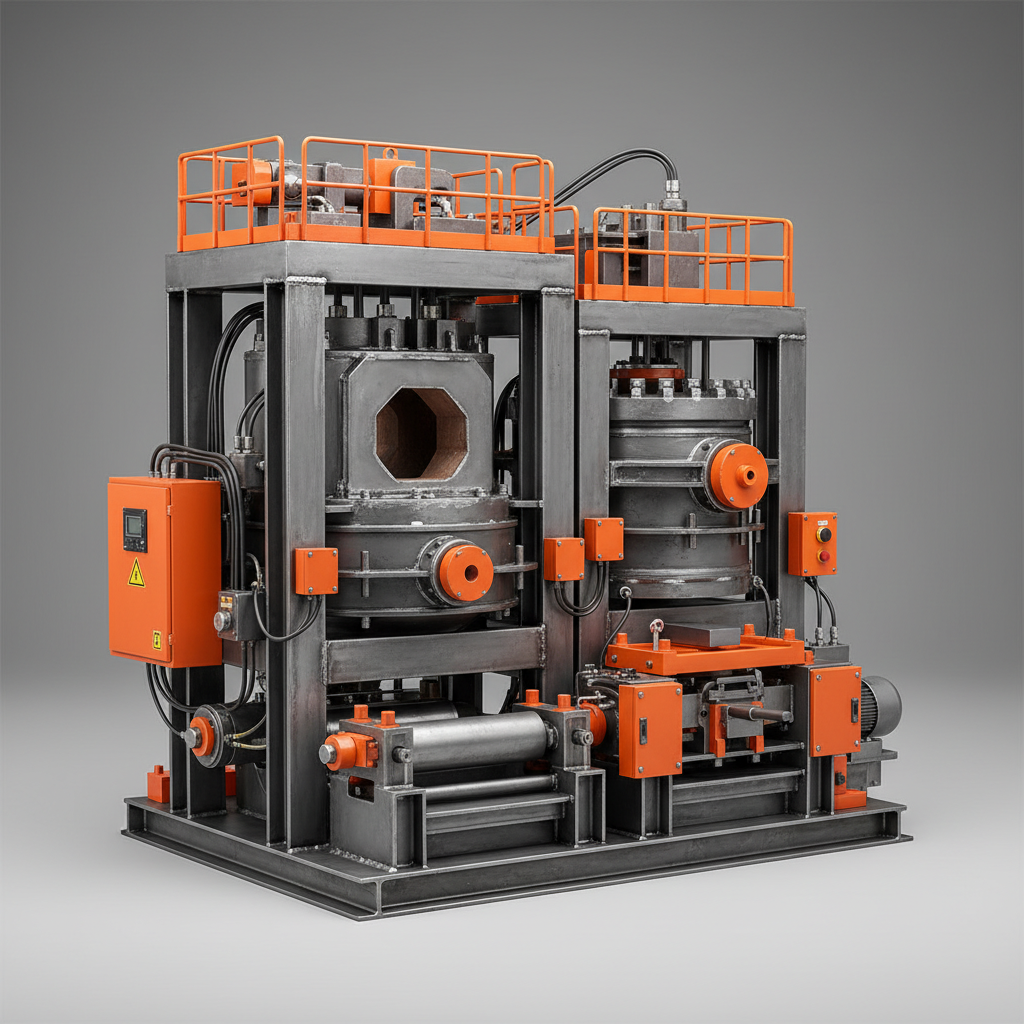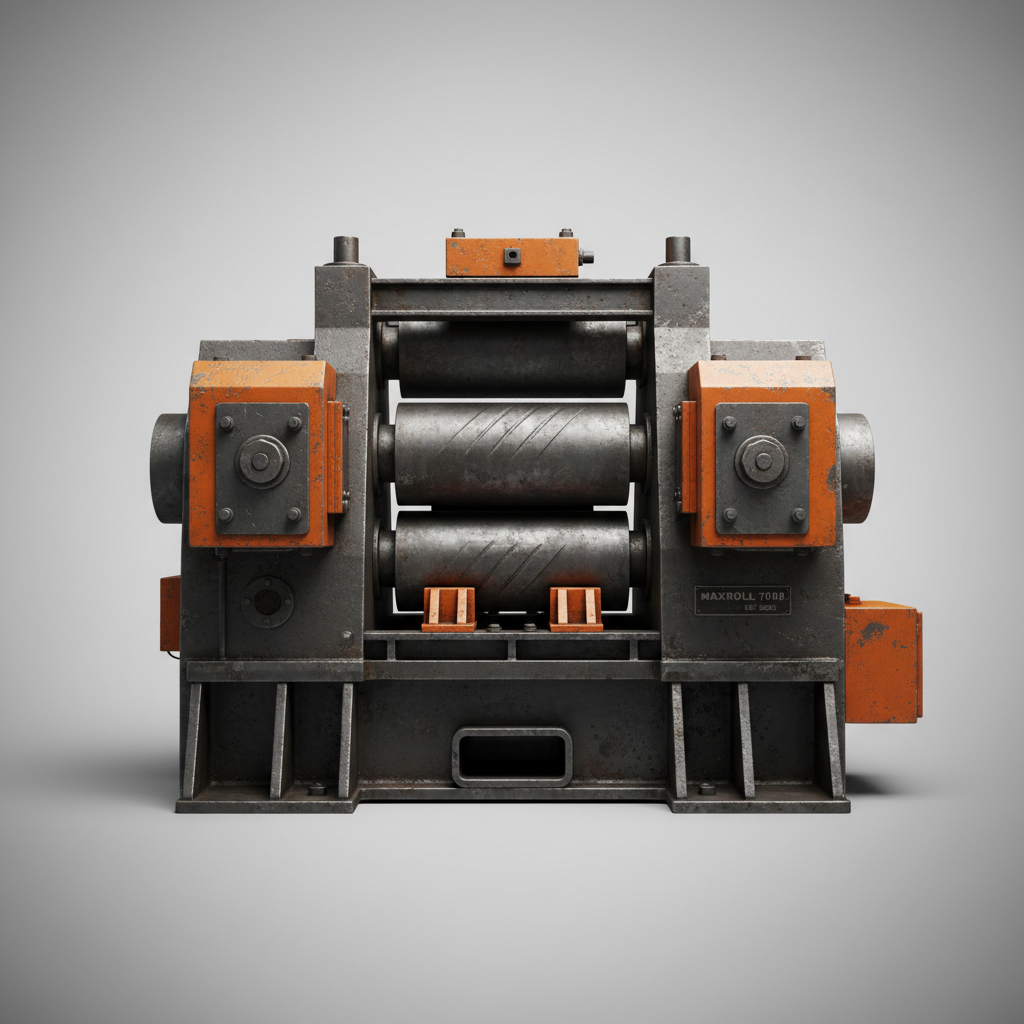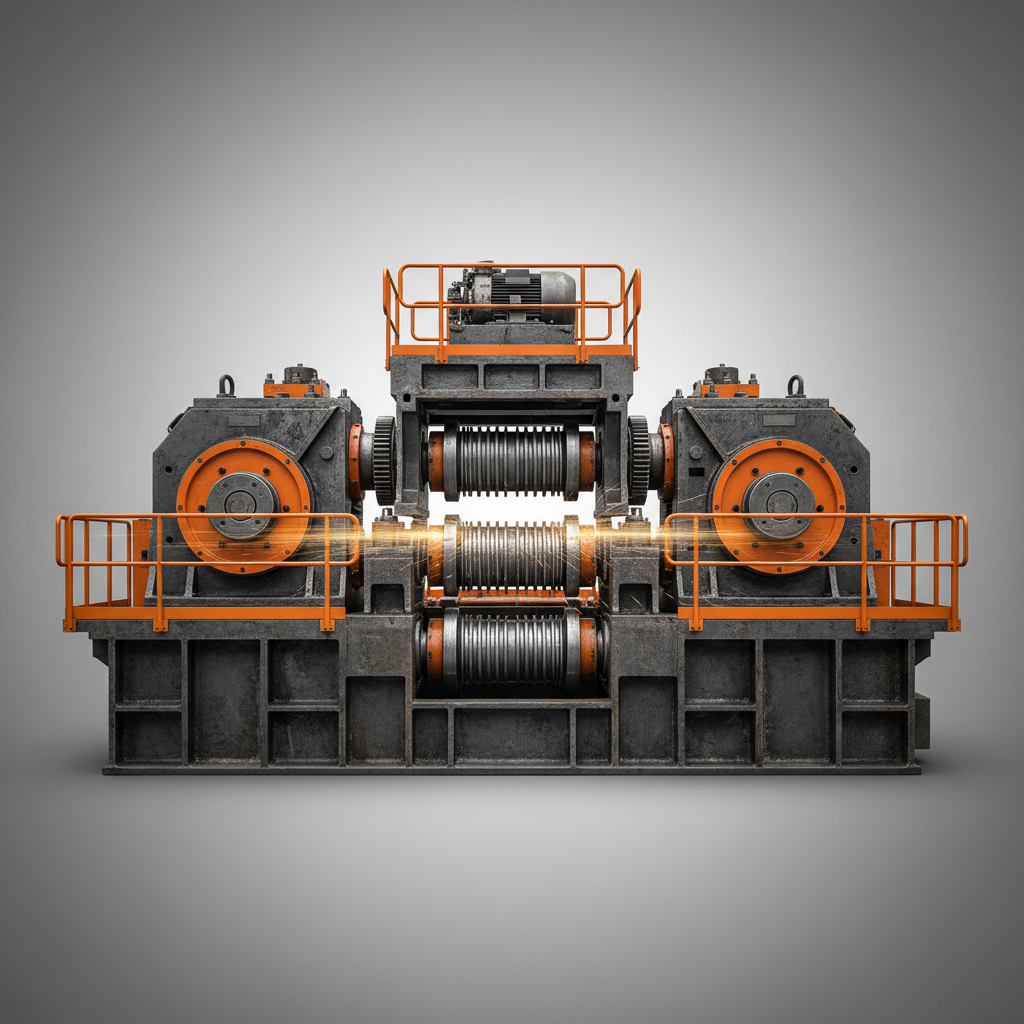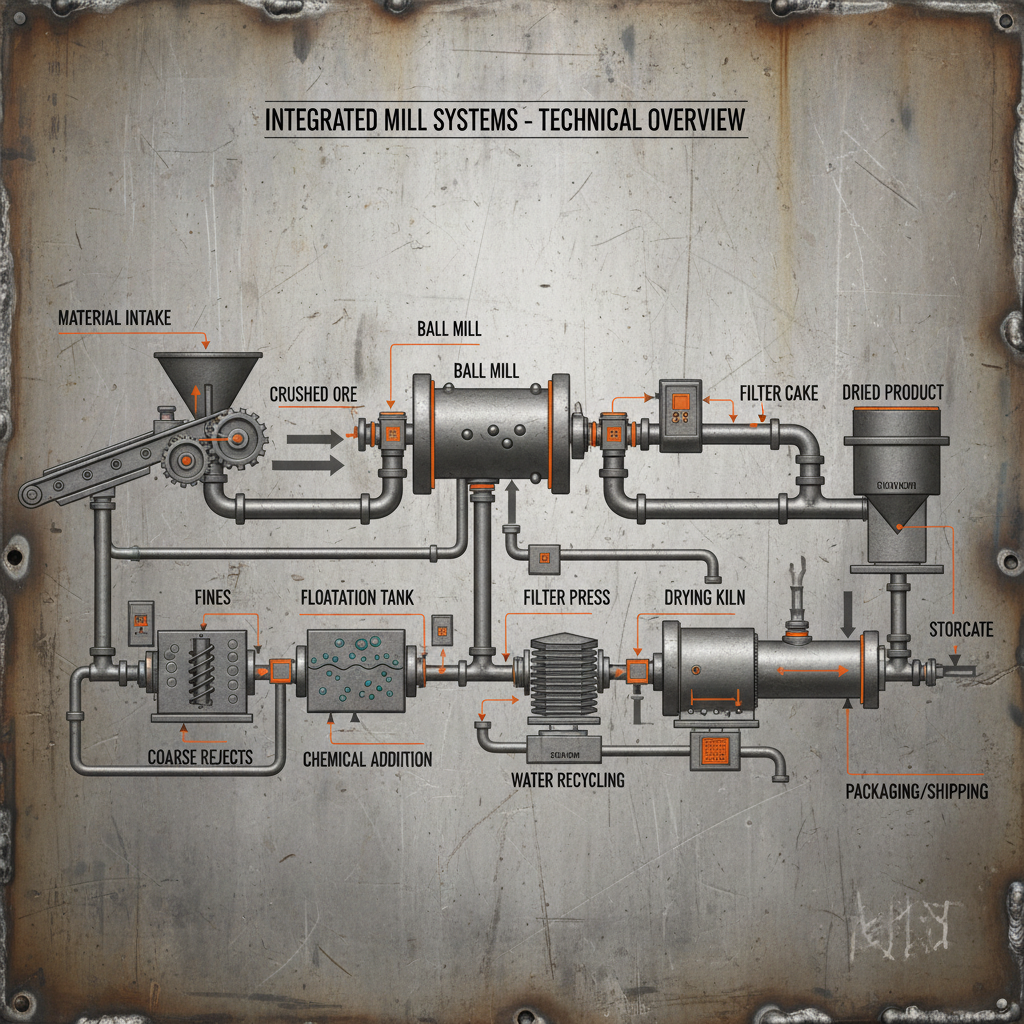
The world faces increasing demands for rapid deployment, sustainable, and cost-effective infrastructure solutions. From disaster relief and affordable housing to remote industrial projects, the need for adaptable building systems is paramount. minimill offers a compelling response to these challenges, representing a paradigm shift in construction and logistical capabilities. It’s a technology built to address urgent global needs.
The growing recognition of the limitations of traditional construction methods – slow build times, high costs, environmental impact – fuels the demand for innovative alternatives. minimill represents a leap forward, offering significant advantages in speed, scalability, and resource efficiency. The very nature of its modular design lends itself to a variety of applications.
Understanding minimill's principles and practical implementation is crucial for professionals in disaster management, humanitarian aid, construction, and sustainable development. By providing quick, dependable, and adaptable solutions, it directly contributes to improved resilience and quality of life in diverse settings around the globe.
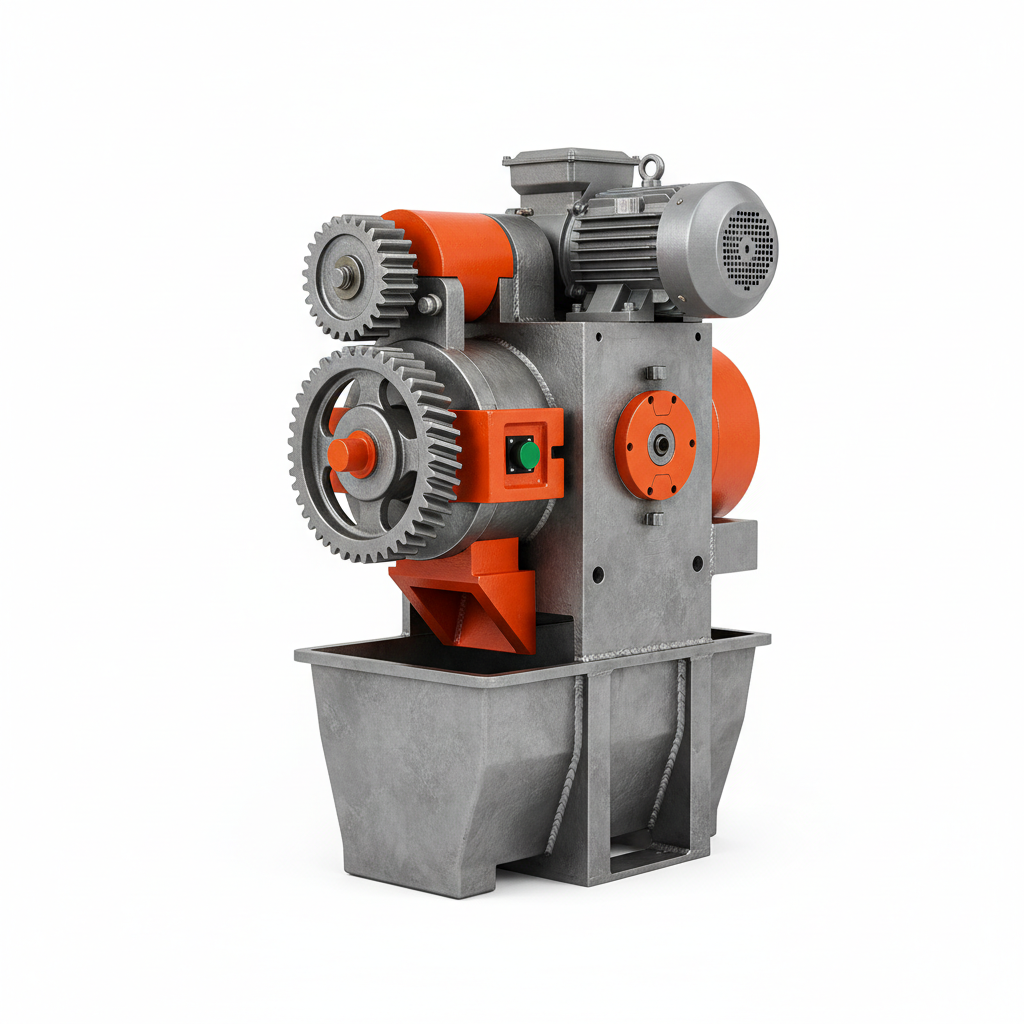
The Core Principles of minimill
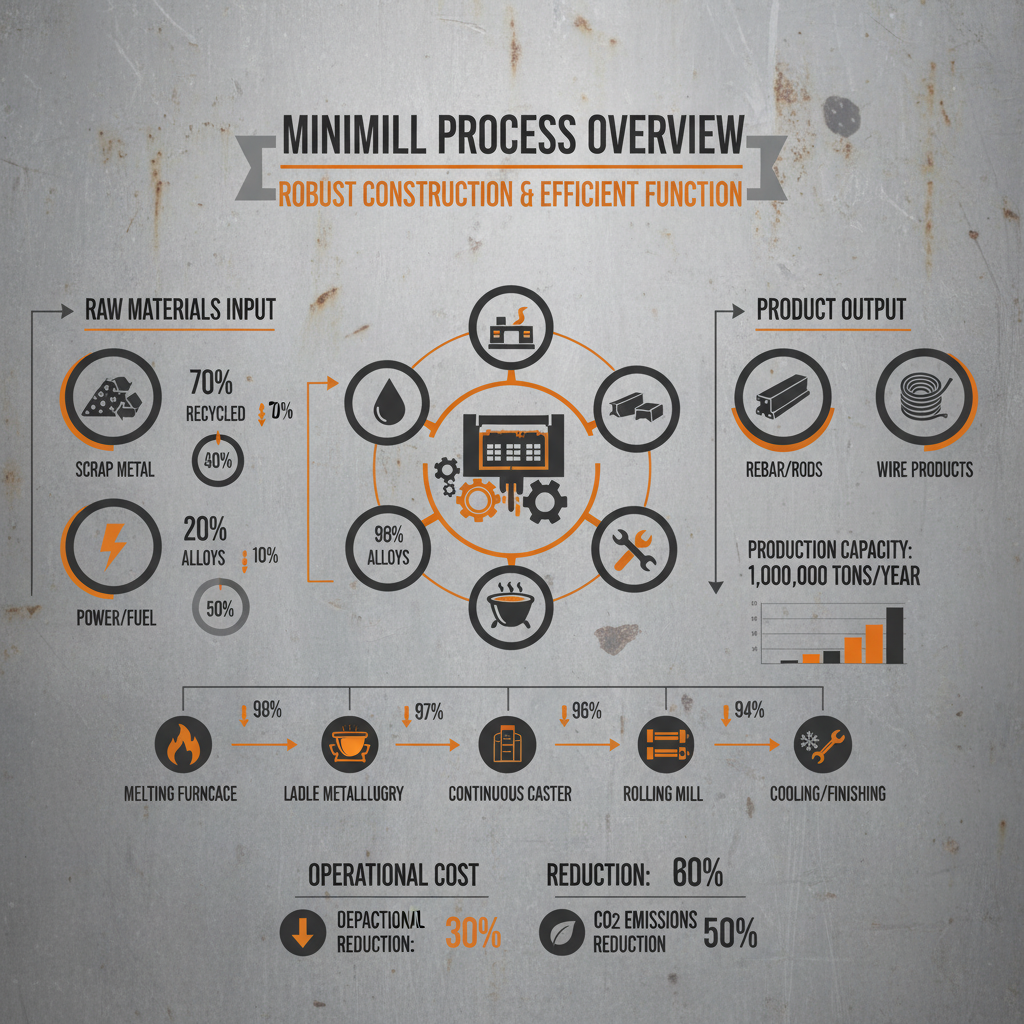
minimill’s design prioritizes modularity and rapid assembly. This means components are prefabricated and can be quickly connected on-site, drastically reducing construction time compared to traditional methods. The core principle centers around pre-engineering and efficient logistics, streamlining the entire building process.
At its heart, minimill is about adaptable and scalable solutions. Whether it’s a single unit for emergency housing or a complex designed for a full-scale industrial facility, the basic building blocks can be combined to meet varied requirements. This inherent flexibility is a key advantage.
FAQS
While both involve off-site construction, minimill emphasizes a more standardized, modular design for rapid deployment and scalability. Traditional prefab may offer more customization but typically lacks the speed and flexibility of a true minimill system. The focus is on ease of assembly and adaptability to diverse environments.
Assembly time varies depending on the size and complexity of the structure, but a typical minimill unit can be erected in a matter of days, often significantly faster than traditional construction methods. The prefabrication and standardized connections contribute to this speed. Proper site preparation is crucial for efficient assembly.
Yes, minimill generally offers a reduced environmental footprint compared to traditional construction. Off-site fabrication minimizes waste, and the use of sustainable materials can further enhance its eco-friendliness. The potential for incorporating renewable energy sources is also a key benefit.
minimill structures can be adapted to a variety of foundation types, including concrete slabs, piers, and even temporary foundations depending on the application and site conditions. The modular design allows for flexibility in foundation options.
Regulations vary depending on the location. It's essential to ensure compliance with local building codes and standards. minimill structures are increasingly being designed to meet international standards, and certifications are available to verify quality and safety.
Maintenance requirements are generally similar to those of conventional buildings, including regular inspections, cleaning, and repairs as needed. The durability of the materials used in minimill construction can often result in lower long-term maintenance costs.
Conclusion
minimill represents a paradigm shift in construction and infrastructure deployment, offering unparalleled speed, scalability, and sustainability. From disaster relief to remote industrial operations, its adaptability and cost-effectiveness address critical global needs. By embracing modularity and prioritizing efficient logistics, it delivers vital resources quickly and reliably.
Looking ahead, continued innovation in materials science, digital technologies, and sustainable practices will further enhance the capabilities of minimill. Investing in this technology is not merely about building structures; it’s about building a more resilient, equitable, and sustainable future. Visit our website at www.bjywlx.com to learn more about how minimill can transform your projects.