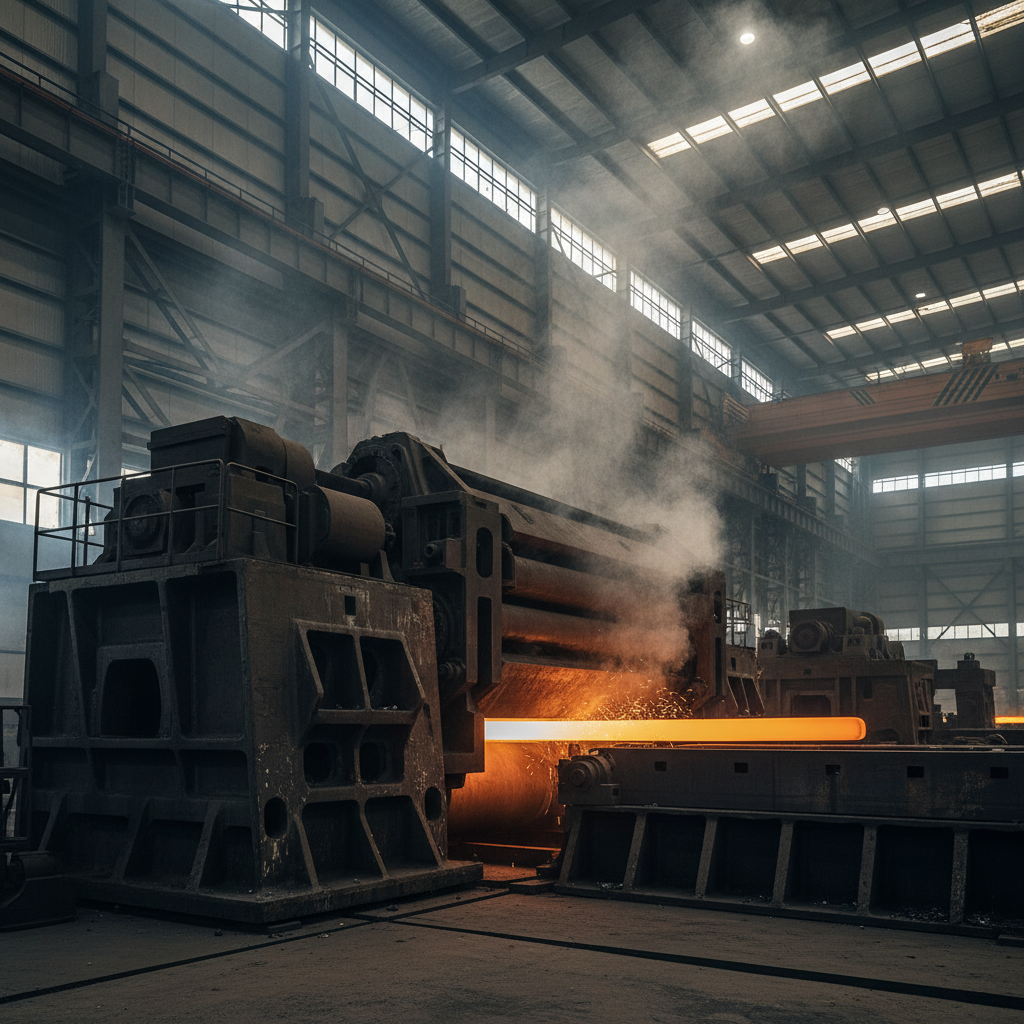
Mill plate, a robust and versatile steel product, plays a pivotal role in modern infrastructure and manufacturing. Its applications span a diverse range of industries, from construction and shipbuilding to energy and heavy equipment. Understanding the nuances of mill plate—its production, properties, and potential—is crucial for engineers, designers, and procurement professionals seeking durable and cost-effective materials. The global demand for high-quality mill plate continues to grow, driven by infrastructural development in emerging economies and a constant need for stronger, longer-lasting components in established markets.
The significance of mill plate extends beyond mere material strength. Its relatively low cost compared to other specialized steel products makes it a preferred choice for large-scale projects. Furthermore, advancements in steelmaking technologies are continually improving the characteristics of mill plate, enhancing its weldability, formability, and corrosion resistance. This makes it not only a viable, but often the optimal, solution for demanding engineering challenges. The efficient production and sourcing of mill plate directly impacts project timelines and budgets worldwide.
Finally, the increasing focus on sustainability within the steel industry is driving innovations in mill plate production processes. Manufacturers are actively seeking methods to reduce carbon emissions and improve resource efficiency, aligning mill plate with the growing demand for environmentally responsible materials. This shift is redefining the landscape for consumers and stakeholders alike, creating a need for constant awareness and adaptability.
The Significance of Mill Plate
Mill plate stands as a foundational material in a vast array of industrial applications. Its ability to withstand extreme conditions – high stress, temperature fluctuations, and corrosive environments – makes it indispensable in critical infrastructure projects. The very nature of mill plate’s production, involving hot rolling of semi-finished steel, imparts it with a unique grain structure contributing to its exceptional strength and toughness.
Beyond structural integrity, the versatility of mill plate allows for diverse fabrication methods, including cutting, bending, welding, and machining. This adaptability makes it suitable for both standardized components and custom-engineered solutions, catering to a broad spectrum of design requirements. Its widespread usage highlights its cost-effectiveness and reliable performance.
Understanding Mill Plate's Core Properties
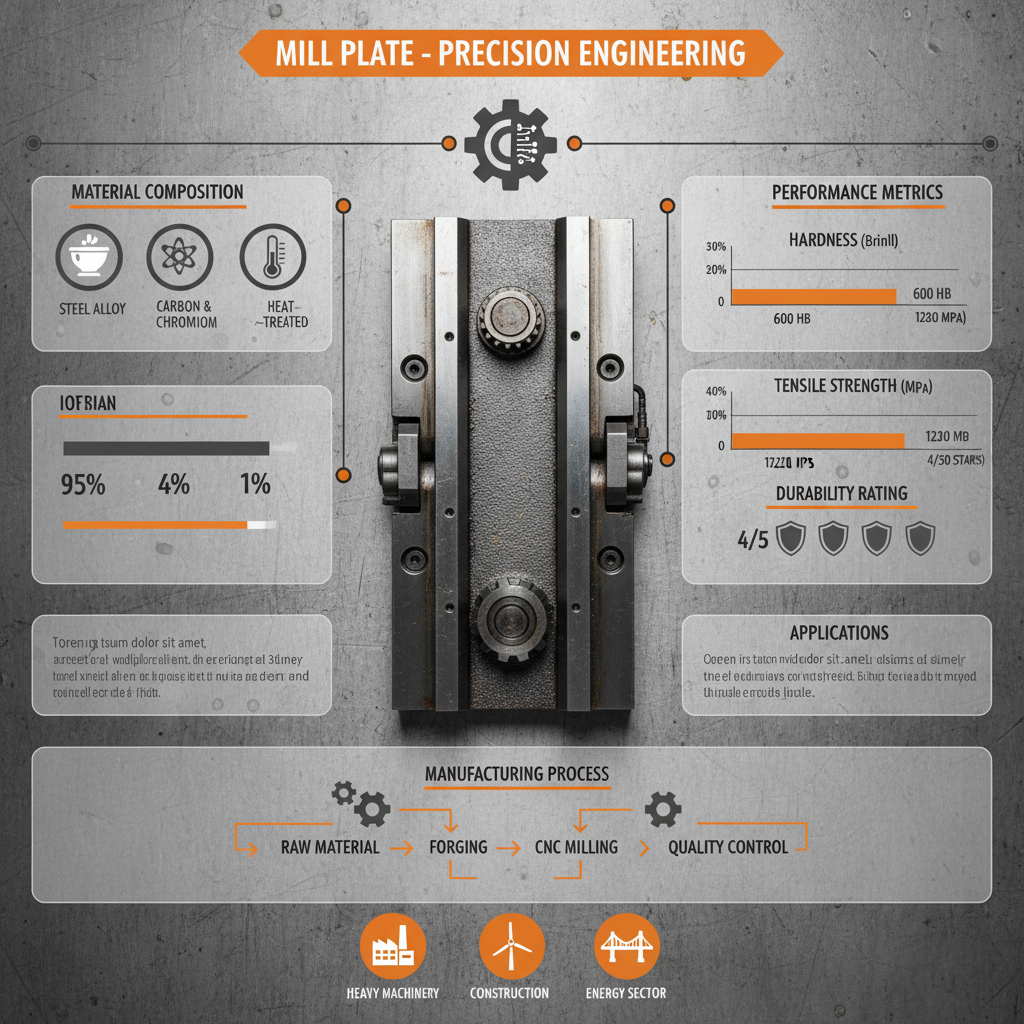
The fundamental properties of mill plate are critical to its performance. These include tensile strength, yield strength, elongation, and impact toughness. Tensile strength measures the material's resistance to being pulled apart, while yield strength indicates the point at which permanent deformation begins. Elongation defines the material's ductility, or its ability to stretch before fracturing, and impact toughness assesses its resistance to sudden stress. These parameters dictate the suitability of mill plate for specific applications.
Chemical composition also plays a significant role. Different grades of mill plate are alloyed with various elements, such as manganese, silicon, and carbon, to tailor their properties. For instance, higher carbon content generally increases strength but reduces weldability. Understanding these relationships is vital for selecting the appropriate grade for a given project.
Corrosion resistance, too, is a paramount concern. Depending on the intended environment, mill plate may be coated with protective layers like zinc or epoxy, or manufactured from weathering steels designed to form a stable rust layer that inhibits further corrosion. This adds an extra layer of protection and extends the lifespan of structures built with mill plate.
Defining Mill Plate: Production and Standards
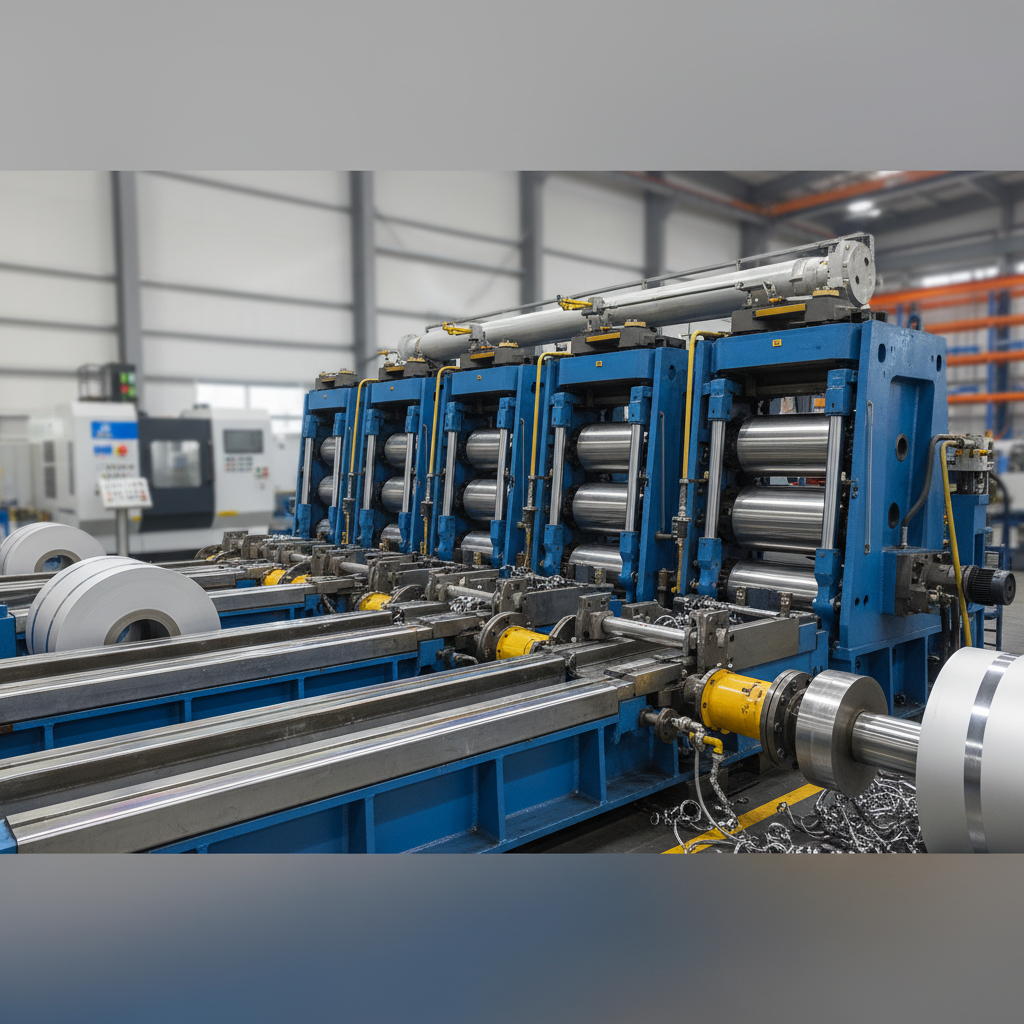
Mill plate is typically produced through hot rolling – a process where heated steel slabs are passed through a series of rollers to achieve the desired thickness and dimensions. This process refines the grain structure, enhancing the material’s strength and ductility. The hot rolling process allows for production of large, thick plates efficiently.
Several international standards govern the production and quality control of mill plate, ensuring consistency and reliability. These include ASTM (American Society for Testing and Materials), EN (European Norms), and JIS (Japanese Industrial Standards). These standards define specifications for chemical composition, mechanical properties, and dimensional tolerances, providing a framework for manufacturers and end-users alike. Adherence to these standards guarantees a certain level of performance and safety.
Quality assurance procedures, such as ultrasonic testing, magnetic particle inspection, and visual inspection, are employed throughout the production process to detect any defects or inconsistencies. This rigorous quality control is essential for delivering mill plate that meets the stringent requirements of demanding applications. Mill plate manufacturers invest heavily in these processes to build trust and maintain their reputation.
Key Attributes of High-Quality Mill Plate
High-quality mill plate exhibits several key attributes that set it apart. Firstly, dimensional accuracy is crucial, ensuring precise fit-up during fabrication and minimizing waste. Secondly, a smooth surface finish simplifies welding and coating processes. Thirdly, consistent mechanical properties across the entire plate are essential for predictable performance.
Mill Plate Performance Comparison
Global Applications of Mill Plate
Mill plate’s applications are incredibly diverse. In the construction industry, it's used for building frameworks, bridges, and pipelines. The shipbuilding sector relies on mill plate for hull construction and structural components, benefiting from its exceptional strength and corrosion resistance. Its prevalence can be observed worldwide, from large-scale infrastructure projects in China to offshore platforms in the North Sea.
The energy sector utilizes mill plate extensively in the construction of pressure vessels, storage tanks, and wind turbine towers. Furthermore, the automotive and heavy equipment industries employ it for chassis components, frames, and protective structures. In remote industrial zones, such as mining operations in Australia, mill plate is critical for the fabrication of durable and reliable machinery.
Advantages and Long-Term Value Proposition
The advantages of utilizing mill plate are multifaceted. Cost-effectiveness, stemming from its efficient production and readily available supply, is a primary driver. Its inherent durability translates to reduced maintenance costs and a longer service life, making it a financially sound investment. Furthermore, the ability to customize mill plate to specific requirements – through alloying and coating – adds significant value.
From a sustainability perspective, the increasing use of recycled steel in mill plate production minimizes environmental impact. The reliability and safety offered by mill plate foster trust and confidence in the structures and equipment it comprises. The continued innovation within the industry promises even greater benefits in the future, solidifying its position as a cornerstone material.
Future Trends and Innovations in Mill Plate
Several trends are poised to shape the future of mill plate. The development of high-strength, low-alloy (HSLA) steels offers enhanced performance with reduced weight, leading to greater efficiency. Advancements in digital technologies, such as predictive maintenance and remote monitoring, will optimize the lifespan and performance of structures built with mill plate.
The integration of automation in mill plate manufacturing processes will improve precision and reduce production costs. Furthermore, a growing emphasis on circular economy principles will drive the development of more easily recyclable and reusable mill plate grades. These innovations are essential for meeting the evolving demands of a sustainable future.
Core Analysis of Challenges and Potential Solutions for Mill Plate
| Challenge |
Impact on Mill Plate Use |
Potential Solution |
Implementation Difficulty (1-10) |
| Corrosion in Harsh Environments |
Reduced lifespan of structures |
Advanced coatings and weathering steels |
6 |
| High Production Costs |
Limited accessibility for smaller projects |
Process optimization and automation |
8 |
| Weldability Issues with Certain Grades |
Increased fabrication time and cost |
Specialized welding techniques and preheating |
5 |
| Supply Chain Disruptions |
Project delays and material shortages |
Diversification of suppliers and strategic stockpiling |
7 |
| Environmental Impact of Production |
Carbon footprint and resource depletion |
Increased use of recycled steel and renewable energy |
9 |
| Lack of Skilled Labor |
Reduced fabrication quality and efficiency |
Investments in training programs and skill development |
6 |
FAQS
Several factors contribute to the cost of mill plate, including steel prices, production volume, grade of steel, thickness, dimensions, and transportation expenses. Demand and supply dynamics in the global steel market also play a crucial role. Ultimately, the specific alloy composition and processing requirements influence the final price point, as does the chosen supplier’s location and overhead.
Mill plate is substantially thicker and heavier than sheet metal, making it suitable for high-stress applications. Compared to structural steel shapes like beams and angles, mill plate offers greater design flexibility as it can be cut and fabricated into a wider range of geometries. While structural steel excels in load-bearing capacity in specific orientations, mill plate's strength is more isotropic. The choice depends on the project’s requirements.
Weathering steel mill plate is ideal for outdoor applications where corrosion resistance is paramount. Common uses include bridges, railway cars, shipping containers, architectural facades, and sculptures. It forms a protective rust layer that eliminates the need for painting or other surface treatments, reducing maintenance costs over its lifespan. However, it's not suitable for submerged applications.
When specifying mill plate for welding, consider the grade of steel, its chemical composition, and its weldability. Preheating may be required for certain grades to prevent cracking. Selecting the appropriate welding process and filler metal is also crucial. Ensure the mill plate meets relevant welding standards, and qualified welders perform the work. Proper surface preparation is vital for sound weld quality.
Lead times for mill plate can vary considerably depending on the grade, thickness, quantity, and supplier availability. Standard grades and sizes often have shorter lead times, ranging from a few weeks to a month. Custom orders or specialized grades may require longer lead times, potentially several months. It is recommended to place orders well in advance of project deadlines.
Look for certifications that demonstrate adherence to relevant industry standards, such as ASTM, EN, and JIS. ISO 9001 certification indicates the supplier has a robust quality management system. Mill test reports (MTRs) provide detailed information about the chemical composition and mechanical properties of the specific plate. These certifications ensure the mill plate meets the required specifications and quality standards.
Conclusion
In conclusion, mill plate remains an indispensable material across diverse industries, celebrated for its strength, versatility, and cost-effectiveness. Understanding its properties, production processes, and applications is critical for optimizing design, ensuring structural integrity, and managing project budgets. The continuous advancements in steelmaking technology, coupled with a growing focus on sustainability, are further enhancing the value proposition of mill plate.
Looking ahead, the widespread adoption of digital technologies and automation in the steel industry will drive further improvements in mill plate production and quality control. Investing in research and development to create more durable, lightweight, and environmentally friendly mill plate grades is essential for meeting the evolving needs of a rapidly changing world. For high-quality mill plate and expert solutions, visit our website today.