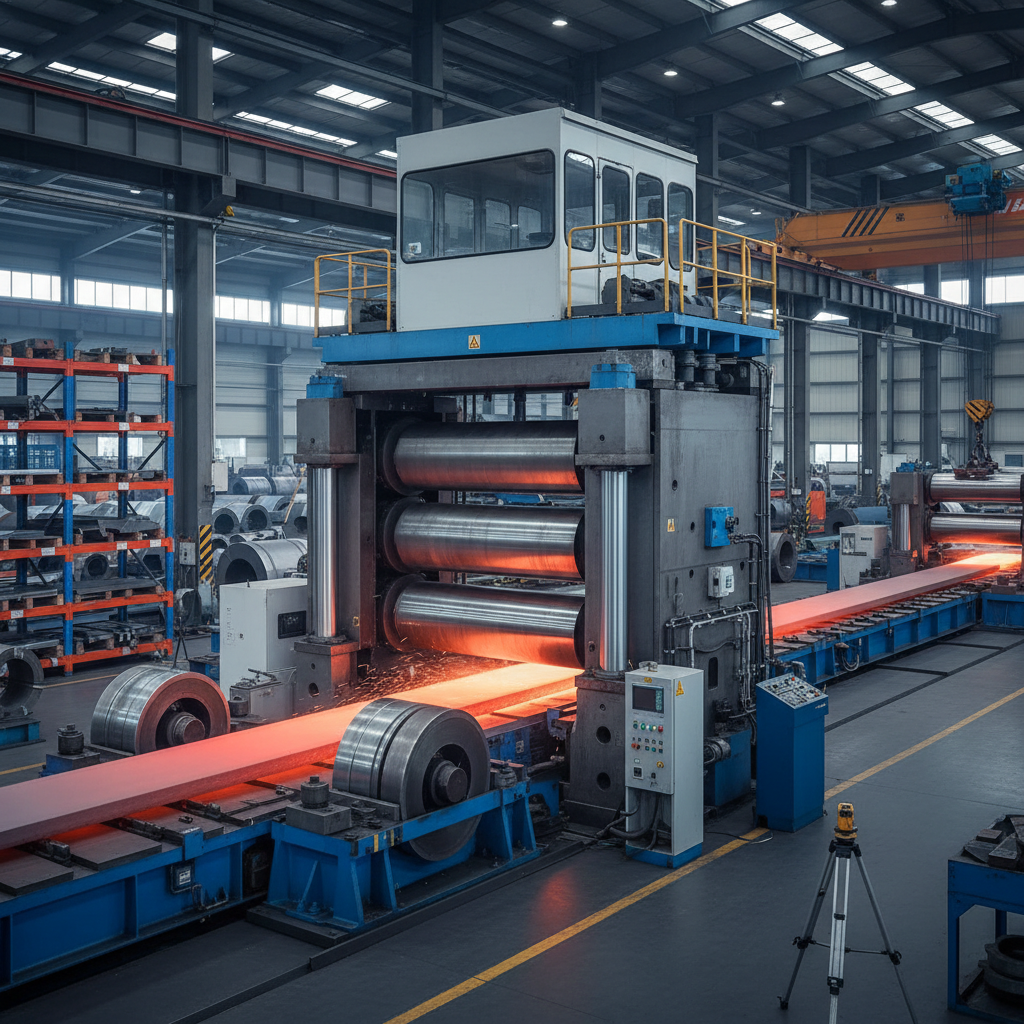
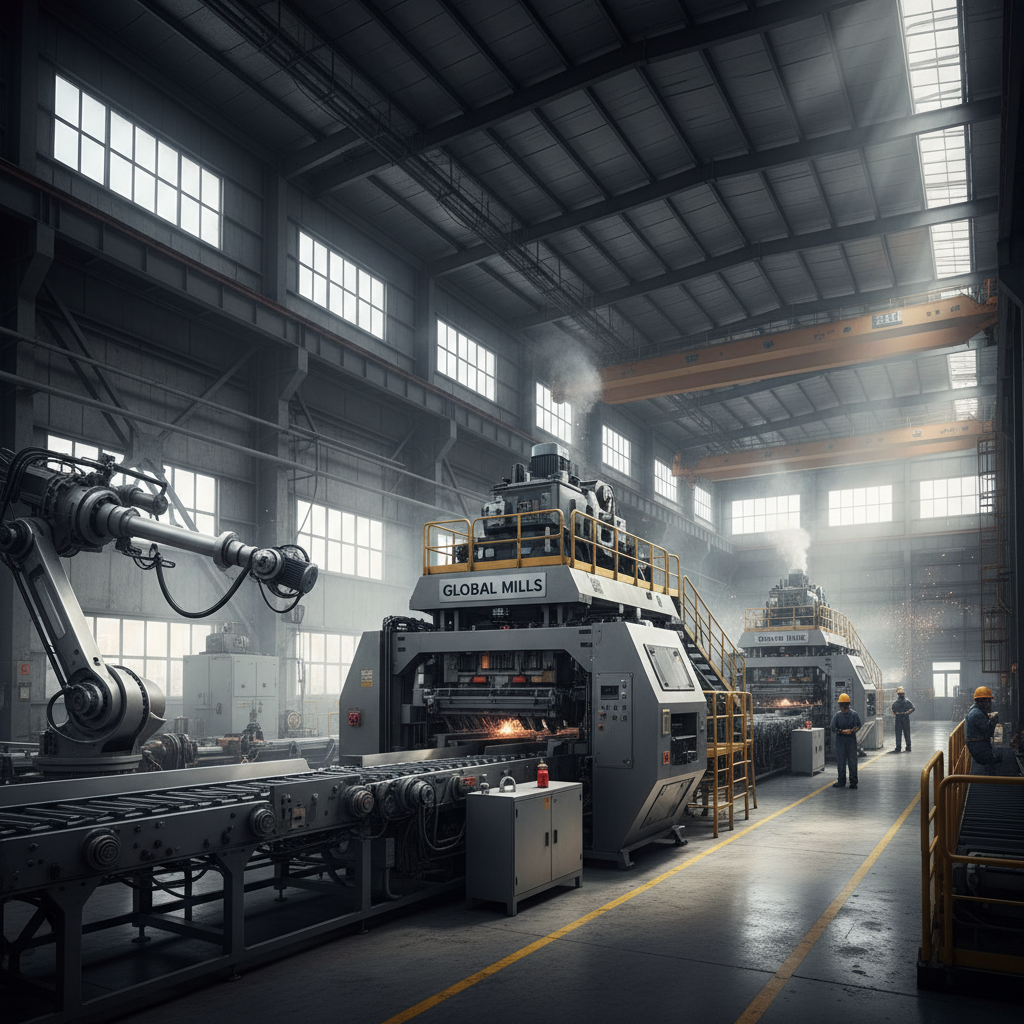
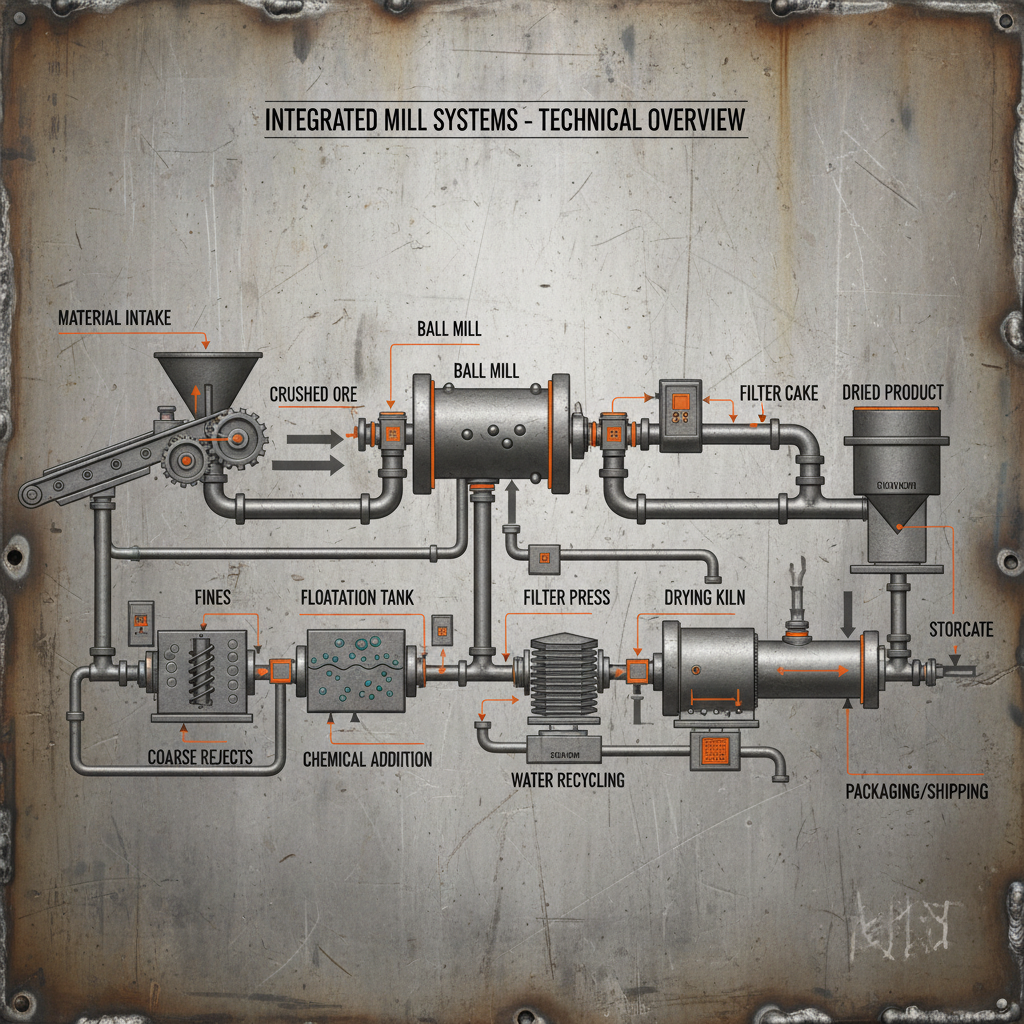
The four high rolling mill represents a pinnacle of precision engineering in the metal processing industry, designed specifically to handle the rigorous demands of cold rolling. By employing two smaller work rolls supported by two larger backup rolls, this configuration minimizes roll deflection, ensuring an exceptional level of thickness uniformity and surface quality across the entire width of the metal strip.
In a global marketplace where tolerances are shrinking and material strength is increasing, the adoption of advanced rolling technologies is no longer optional but a necessity for competitiveness. The four-high mill allows manufacturers to produce thinner, stronger, and more consistent sheets of steel, aluminum, and copper, which are critical for industries ranging from automotive manufacturing to aerospace electronics.
Understanding the operational nuances and structural advantages of the four high rolling mill empowers plant managers and engineers to optimize their production lines. By balancing load distribution and maximizing roll stiffness, these systems reduce scrap rates and energy consumption, directly contributing to the sustainability and profitability of modern metallurgical operations.
Global Industrial Context of Four High Rolling Mills
On a global scale, the demand for high-precision flat-rolled products has surged, driven by the evolution of the electric vehicle (EV) sector and advanced infrastructure projects. According to standards aligned with ISO quality management, the ability to control gauge deviation is paramount. The four high rolling mill addresses the critical challenge of "roll bend," a phenomenon where the rolls bow under high pressure, leading to uneven thickness in the center of the strip.
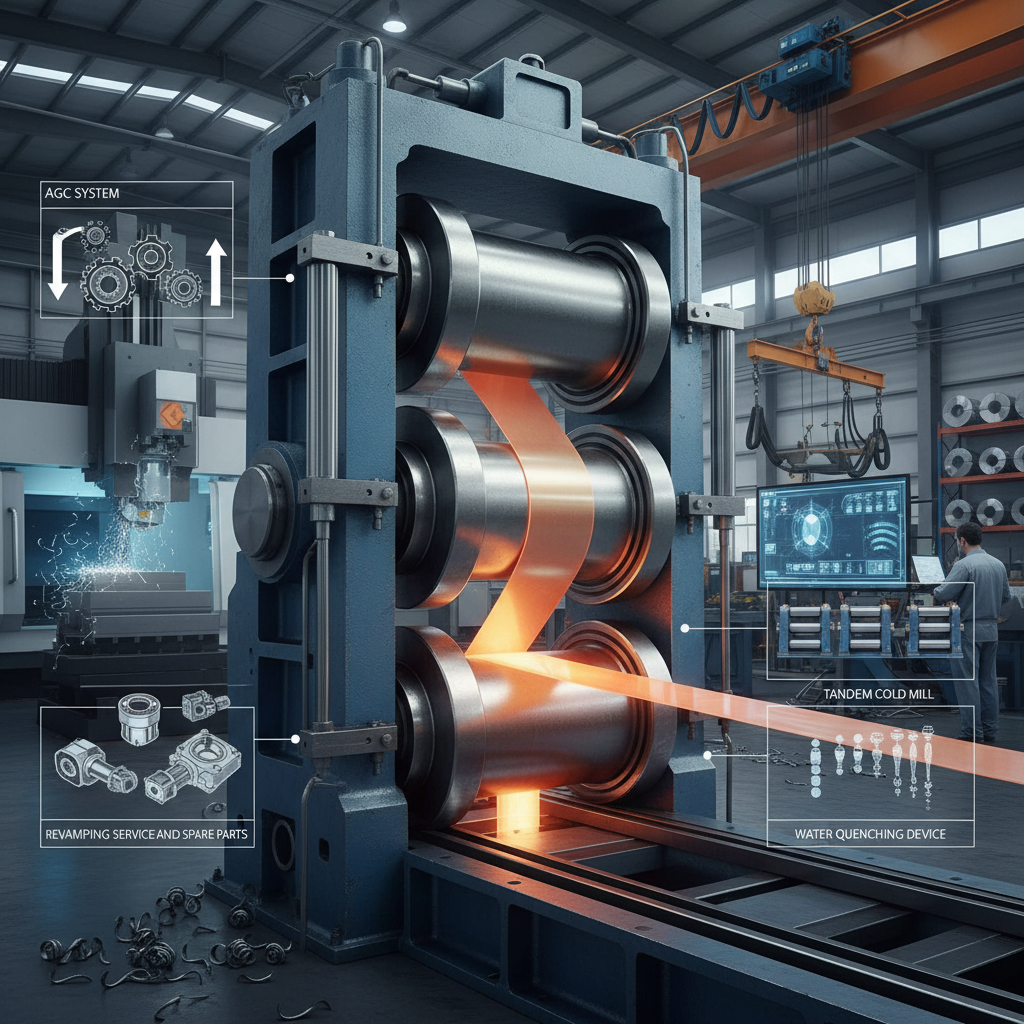
This technology is central to the supply chains of major industrial hubs in Asia and Europe, where the transition toward lightweight materials requires extreme precision. By integrating this mill configuration into Tandem Cold Mill or Skin Pass Mill lines, manufacturers can achieve the rigorous surface finish and mechanical properties required by modern engineering specifications, effectively bridging the gap between raw material casting and high-end finished products.
Defining the Four High Rolling Mill Mechanism
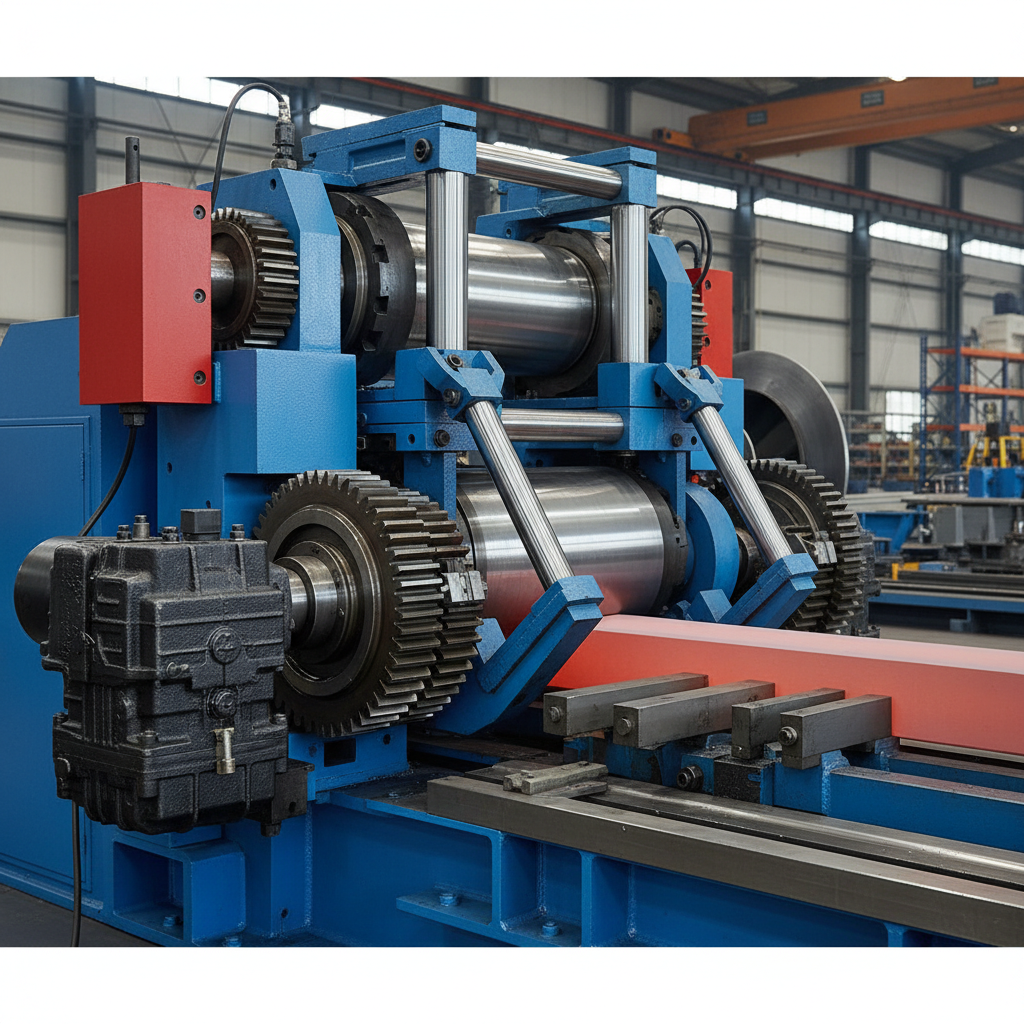
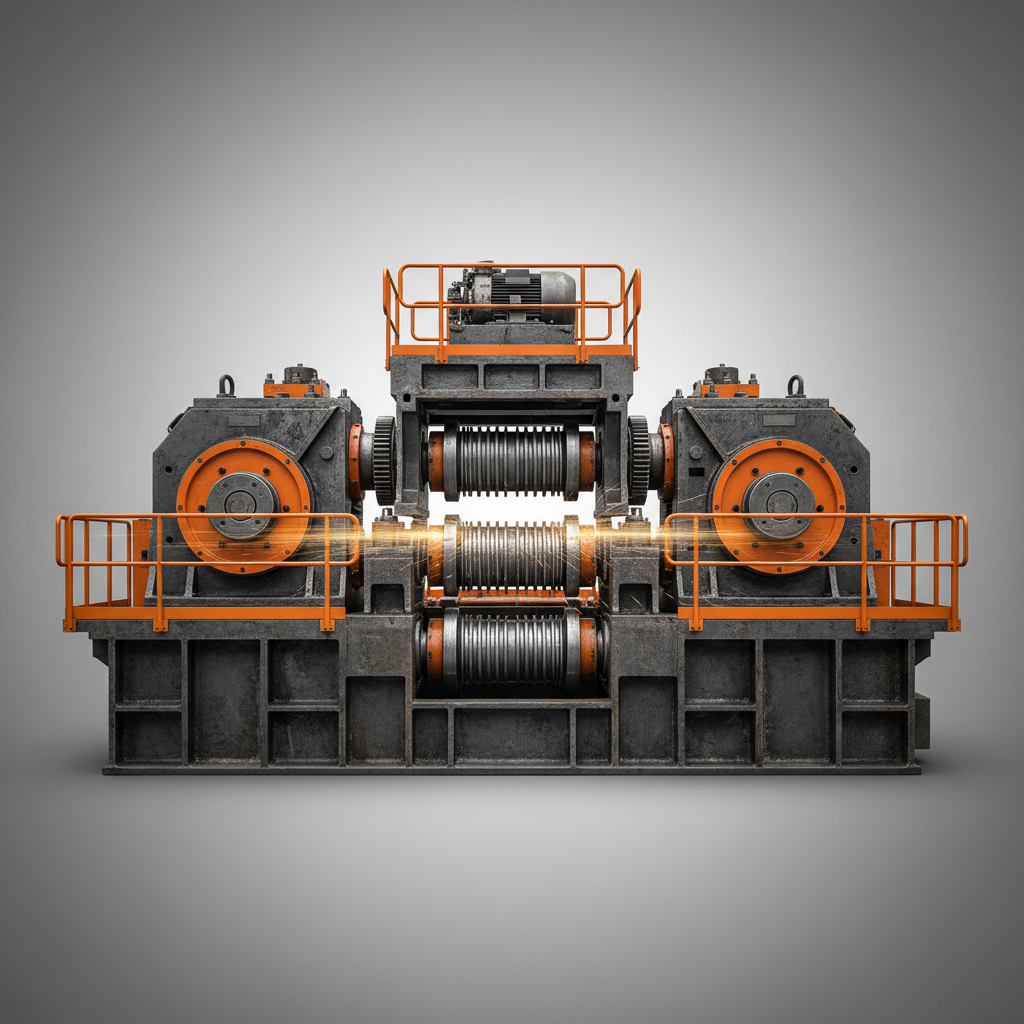
At its core, a four high rolling mill is a rolling machine consisting of four rolls: two small-diameter work rolls that come into direct contact with the metal, and two large-diameter backup rolls that support the work rolls. This arrangement is specifically designed to provide the necessary rigidity to prevent the work rolls from deflecting during the high-pressure rolling process, which is a common failure point in two-high mills.
The connection to modern industry lies in the pursuit of "zero-defect" manufacturing. By utilizing the backup rolls to absorb the massive rolling forces, the mill can apply higher pressures to the workpiece without risking structural deformation of the rolls. This allows for the production of thinner gauges and more complex alloy processing, meeting the humanitarian and industrial need for stronger, safer materials in construction and medical devices.
Unlike simpler configurations, the four-high system allows for a smaller work roll diameter, which reduces the torque required to drive the mill and improves the efficiency of the reduction process. This synergy of strength and agility makes it the gold standard for cold rolling operations where precision is the primary KPI.
Core Components and Structural Integrity
The primary strength of a four high rolling mill stems from its roll housing and bearing assembly. The mill housing must be engineered to withstand immense compressive loads while maintaining perfect alignment. High-grade forged steel is typically used to ensure that the mill frame does not yield under peak operating pressures, providing a stable foundation for the entire rolling process.
The interaction between the work rolls and backup rolls in a four high rolling mill is where the real magic happens. The backup rolls act as a rigid support system, effectively distributing the load and allowing for a tighter control of the "roll gap." This prevents the common issue of "crown" or "dish" in the finished metal sheet, ensuring a flat, uniform product that meets stringent industrial tolerances.
Furthermore, the lubrication and cooling systems integrated into the four high rolling mill are critical for maintaining operational longevity. Advanced water-cooling systems prevent thermal expansion of the rolls, which would otherwise alter the gauge of the product. When paired with AGC (Automatic Gauge Control) systems, these components ensure that the mill operates with surgical precision over long production runs.
Operational Efficiency and Performance Metrics
Evaluating the efficiency of a four high rolling mill involves analyzing the balance between reduction ratio and surface quality. Because the work rolls are smaller, they can achieve higher pressure concentrations, allowing for more significant thickness reductions in a single pass compared to traditional two-high mills. This increases the overall throughput of the production line.
The integration of digital sensors and real-time feedback loops allows operators to adjust the roll gap dynamically. This precision reduces the amount of material waste (scrap) and minimizes the need for secondary finishing processes, thereby lowering the total cost per ton of processed metal.
Comparative Efficiency of Four High Rolling Mill Configurations
Global Applications and Industrial Use Cases
The versatility of the four high rolling mill makes it indispensable across various sectors. In the automotive industry, it is used to produce high-strength steel sheets for chassis and body panels, where a precise gauge is required to ensure safety and aerodynamic efficiency. In remote industrial zones, these mills are often the centerpiece of smaller, specialized rolling plants that cater to local infrastructure needs.
Beyond heavy industry, these mills are applied in the production of high-end foil and thin strips used in capacitors and batteries. For instance, in the booming energy storage sector, the ability of a four-high mill to maintain extreme thickness consistency is vital for the performance and safety of lithium-ion battery current collectors.
Long-Term Value and Economic Advantages
Investing in a four high rolling mill provides substantial long-term economic value by reducing operational overhead. The increased precision leads to a higher yield of "Prime" grade material, allowing manufacturers to command a premium price in the market. Additionally, the durability of the backup roll system extends the life of the work rolls, reducing the frequency and cost of roll changes.
From a sustainability perspective, the efficiency of the four-high configuration means less energy is wasted on redundant passes. This lower energy footprint, combined with reduced material scrap, aligns with global green manufacturing initiatives and helps companies meet ESG (Environmental, Social, and Governance) goals.
Moreover, the reliability of these systems fosters a sense of trust between the manufacturer and the end client. When a company can guarantee a tolerance of ±0.01mm consistently, it establishes a reputation for quality and innovation that becomes a powerful competitive moat in the global metal market.
Future Innovations in Rolling Technology
The future of the four high rolling mill is inextricably linked to the digital transformation of the factory floor. We are seeing a shift toward "Smart Mills" that utilize AI-driven predictive maintenance. By analyzing vibration and temperature data from the backup rolls, the system can predict bearing failure before it occurs, eliminating unplanned downtime.
Material science is also evolving, with the introduction of new roll materials such as advanced tungsten carbides and ceramic coatings. These materials allow the four high rolling mill to process harder alloys and withstand more corrosive environments, expanding the range of applicable metals to include advanced titanium and nickel-based superalloys.
Automation is further refining the process, with fully autonomous gauge control systems that adjust parameters in milliseconds. As we move toward Industry 4.0, the rolling mill will transition from a piece of heavy machinery to an intelligent node in a connected production ecosystem, maximizing efficiency while minimizing human error.
Technical Analysis of Four High Rolling Mill Configurations
| Mill Type |
Precision Level |
Energy Efficiency |
Maintenance Cycle |
| Standard 4-High |
Moderate |
7/10 |
Quarterly |
| AGC Integrated |
Very High |
9/10 |
Biannual |
| Reversing Mill |
High |
8/10 |
Monthly |
| Tandem Cold Mill |
Extreme |
10/10 |
Annual |
| Skin Pass Mill |
High |
7/10 |
Quarterly |
| Custom Alloy Mill |
High |
6/10 |
Monthly |
FAQS
The primary advantage is the reduction of roll deflection. In a two-high mill, the rolls often bow under pressure, creating a thicker center in the strip. The four high rolling mill uses backup rolls to support the work rolls, maintaining a consistent gap across the width of the material, which ensures superior gauge accuracy and flatness.
While the initial investment for a four high rolling mill is higher, the backup rolls significantly reduce the wear and tear on the smaller work rolls. This means work rolls can be made from harder, more specialized materials without risking breakage, leading to longer service intervals and lower long-term consumable costs.
Although they are most commonly associated with cold rolling for precision, the four-high configuration can be used in hot rolling applications where high reduction and stiffness are required. However, the materials and cooling systems must be specifically engineered to handle the extreme thermal stresses associated with hot rolling.
The Automatic Gauge Control (AGC) system acts as the "brain" of the mill. It uses sensors to measure the strip thickness in real-time and automatically adjusts the hydraulic screw-downs of the four high rolling mill to compensate for any deviation, ensuring the final product stays within tight tolerance limits.
The automotive, aerospace, and electronics industries benefit most. These sectors require materials with extreme precision, such as thin-gauge high-strength steel for cars or copper foils for electronics, which can only be consistently produced by the high-stiffness environment of a four-high mill.
Yes, revamping is a common and cost-effective practice. Modernization typically involves upgrading the control systems to digital AGC, replacing old bearings with high-precision components, and installing energy-efficient motors, allowing old mills to achieve modern precision and efficiency levels.
Conclusion
The four high rolling mill stands as a cornerstone of modern metal processing, offering an unmatched balance of power, precision, and productivity. By effectively eliminating roll deflection through the use of backup rolls, it enables the production of high-quality, uniform metal strips that drive innovation in the automotive, aerospace, and energy sectors. From its structural integrity to its integration with AI-driven control systems, this technology ensures that manufacturers can meet the most demanding global standards.
Looking forward, the transition toward sustainable, "green" metallurgy will only increase the importance of efficient rolling technologies. We recommend that operators invest in AGC upgrades and predictive maintenance tools to maximize the lifecycle of their equipment. As the industry evolves, the four-high mill will remain essential for those striving for precision and excellence in metal fabrication. Visit our website for more information: www.bjywlx.com