0%

Table of Contents

You know, these days everyone's talking about prefabrication, modular construction… it's the buzz, right? Seems like every other site visit I’m hearing about it. To be honest, it’s not new new. We’ve been fiddling with off-site builds for ages, but the push for speed, cost control, and frankly, finding enough skilled labor, has really put it into overdrive. It's a bit of a scramble trying to keep up with all the “innovations,” though.

I've seen a lot of designs that look beautiful on paper, beautifully rendered, but… well, they forget about the reality of actually building the thing. Have you noticed how many architects design without thinking about how things get delivered and assembled? It's like they assume the crane just magically appears and everything slots perfectly into place. That’s just… not how it works.

And it’s not just the design. It's the materials too. We’re using a lot more light gauge steel framing these days. It's lighter, quicker to assemble than traditional steel, but you really have to watch the corrosion resistance. I encountered this at a factory in Tianjin last time, they were using a cheaper coating that started to rust just sitting in the yard! The smell… ugh, it was awful. You need to specify a good galvanized finish, and even then, proper storage is key. We’ve also been using composite panels – they look fantastic, offer good insulation, but getting the fire rating right can be a headache.
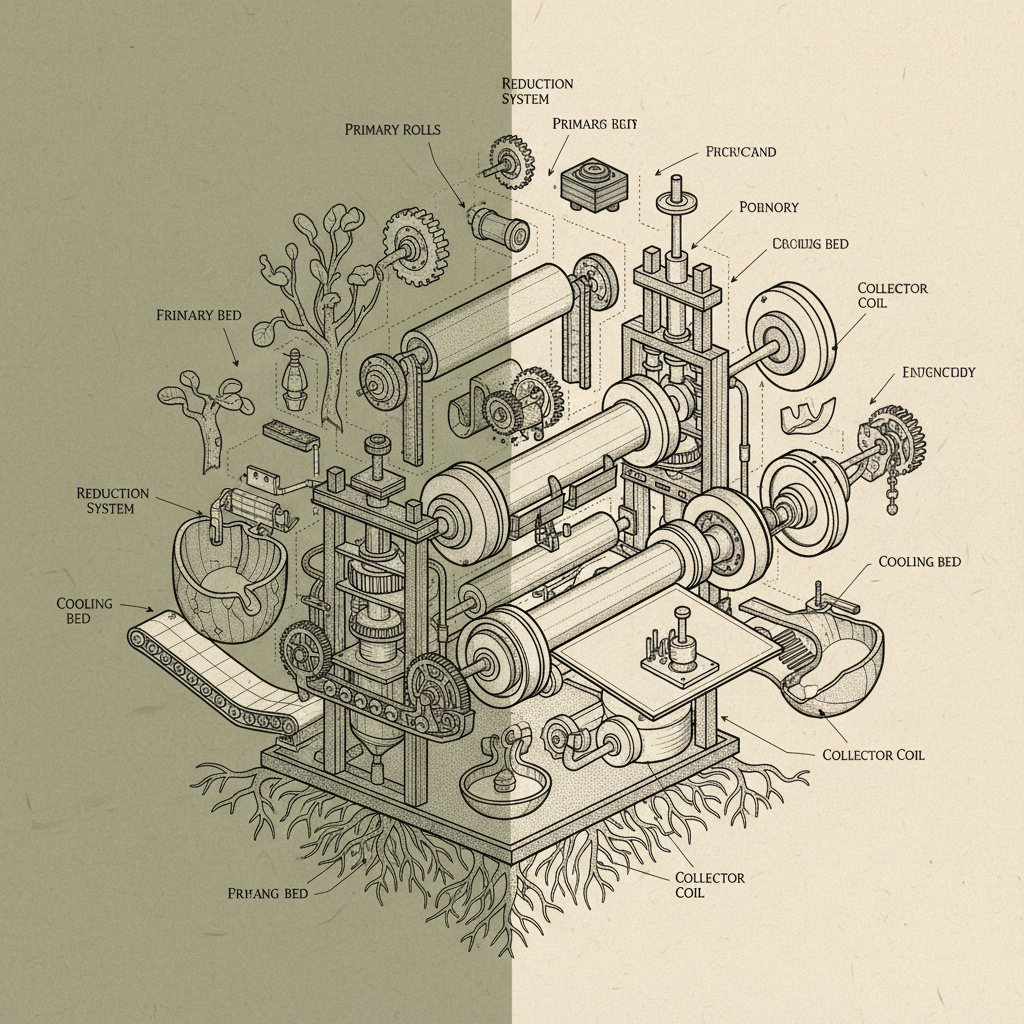
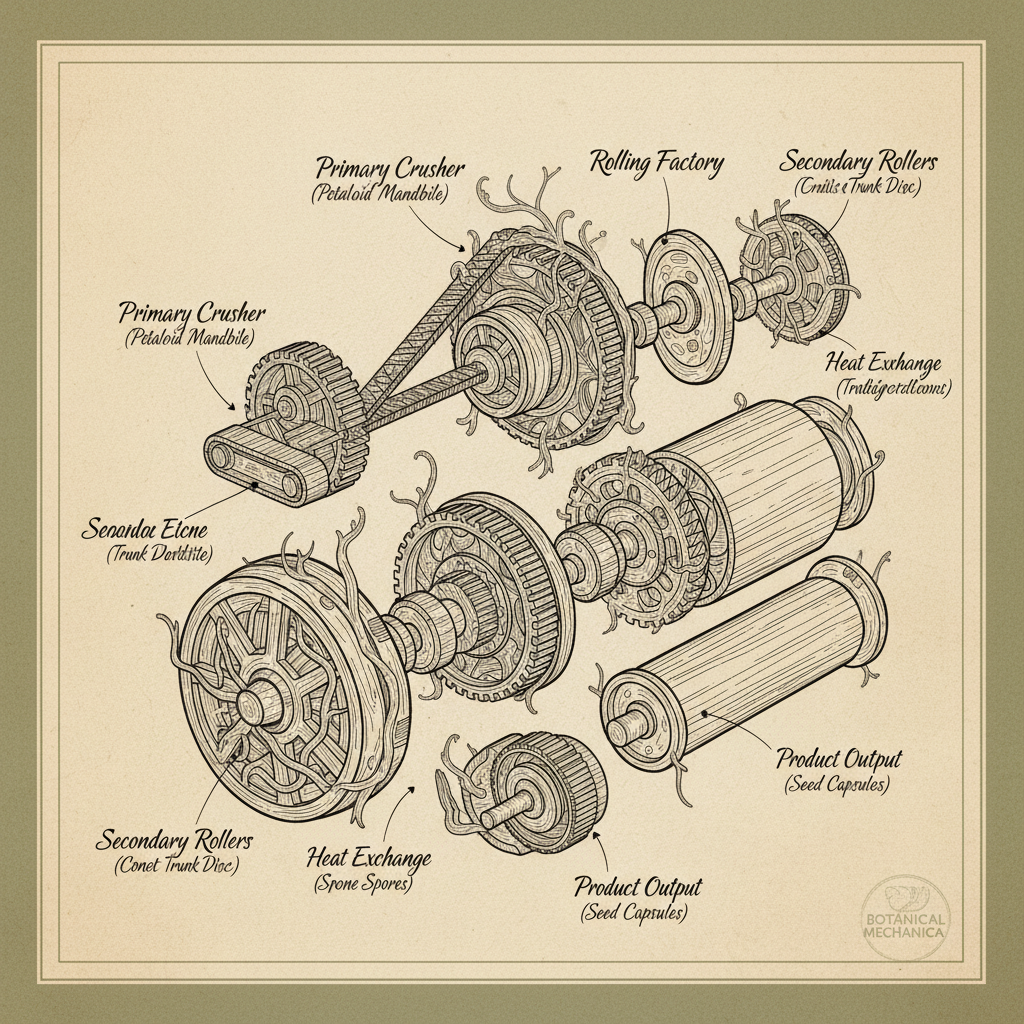
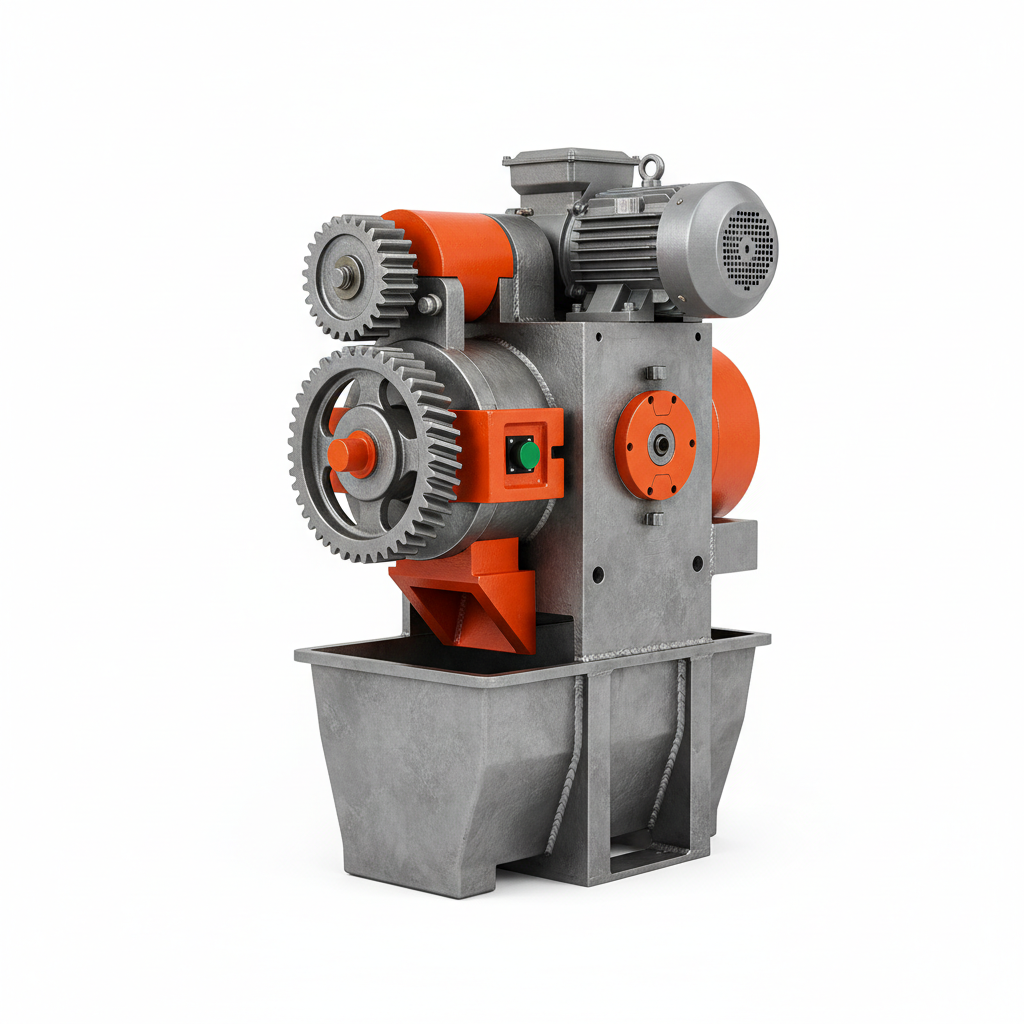
rolling factory

Industry Trends and Design Pitfalls

rolling factory

Strangely, a lot of the pressure isn't actually coming from building owners. It’s the financing side. Banks are starting to prefer projects that can be delivered faster and with more predictable costs. That's driving a lot of the demand for prefabrication. But it also means corners get cut. I see a lot of value engineering that… well, it’s risky. They'll say, "Oh, we can shave 5% off the cost by using this cheaper material," but they don’t factor in the long-term implications.

And the biggest pitfall? Thinking modular means “one size fits all”. Each site is different. Each client has unique needs. Trying to force a standardized design onto a complex project is just asking for trouble.

Material Matters: Steel, Composites, and More

Beyond steel and composites, we're seeing more engineered wood products – CLT (Cross-Laminated Timber) is gaining traction. It’s surprisingly strong, looks good, and it’s obviously a renewable resource. But the supply chain can be a nightmare, and finding installers who know what they’re doing is tough. I was on a site where they were trying to use CLT for a high-rise, and they hadn't properly accounted for the weight distribution. It was… a mess.

Then there’s the insulation. Spray foam is popular, quick to install, but it off-gasses like crazy. You need serious ventilation. Mineral wool is a good alternative, but it’s heavier and a bit more fiddly to work with. Anyway, I think the key is understanding the trade-offs. There’s no magic bullet.

And don't even get me started on the adhesives. I’ve seen stuff that practically melts in the sun! You need to know what you’re gluing things together with, and make sure it’s compatible with all the other materials.

Real-World Testing and Performance

Lab testing is important, sure, but it doesn’t tell you how something will actually perform in the real world. We do a lot of on-site mock-ups. Full-scale prototypes. It’s expensive, yeah, but it’s worth it. You want to find the problems before you’re building the 50th unit.

I'm a big believer in destructive testing, too. We’ll actually load panels and connections to failure. It's not pretty, but it gives you a really good idea of the safety margins. And you learn a lot about where the weak points are. We tested a new window system last year, and it completely buckled under wind load. Saved a lot of headaches later.

We also track performance data on completed projects. Energy consumption, moisture levels, indoor air quality… you name it. It's a pain to collect, but it's invaluable for improving future designs.

How Users Actually Use It

This is where things get interesting. You design a space for a specific purpose, but users always find a way to repurpose it. I’ve seen “office” modules turned into storage rooms, “living areas” used as workshops. It's… creative. And sometimes it's a disaster.

You have to design for flexibility. Modular doesn’t mean rigid. It should be easy to reconfigure spaces to meet changing needs. But that requires thinking ahead and providing the right connections and utilities.

Advantages and Disadvantages – Let’s Be Real

Okay, the advantages are obvious: speed, cost control, quality control (when done right). You can build in a controlled environment, which minimizes waste and reduces the risk of weather delays. But it's not perfect. Transportation is a major issue. Getting those oversized modules down the road can be a logistical nightmare. And you’re limited by the size of the modules. You can’t just build anything you want.

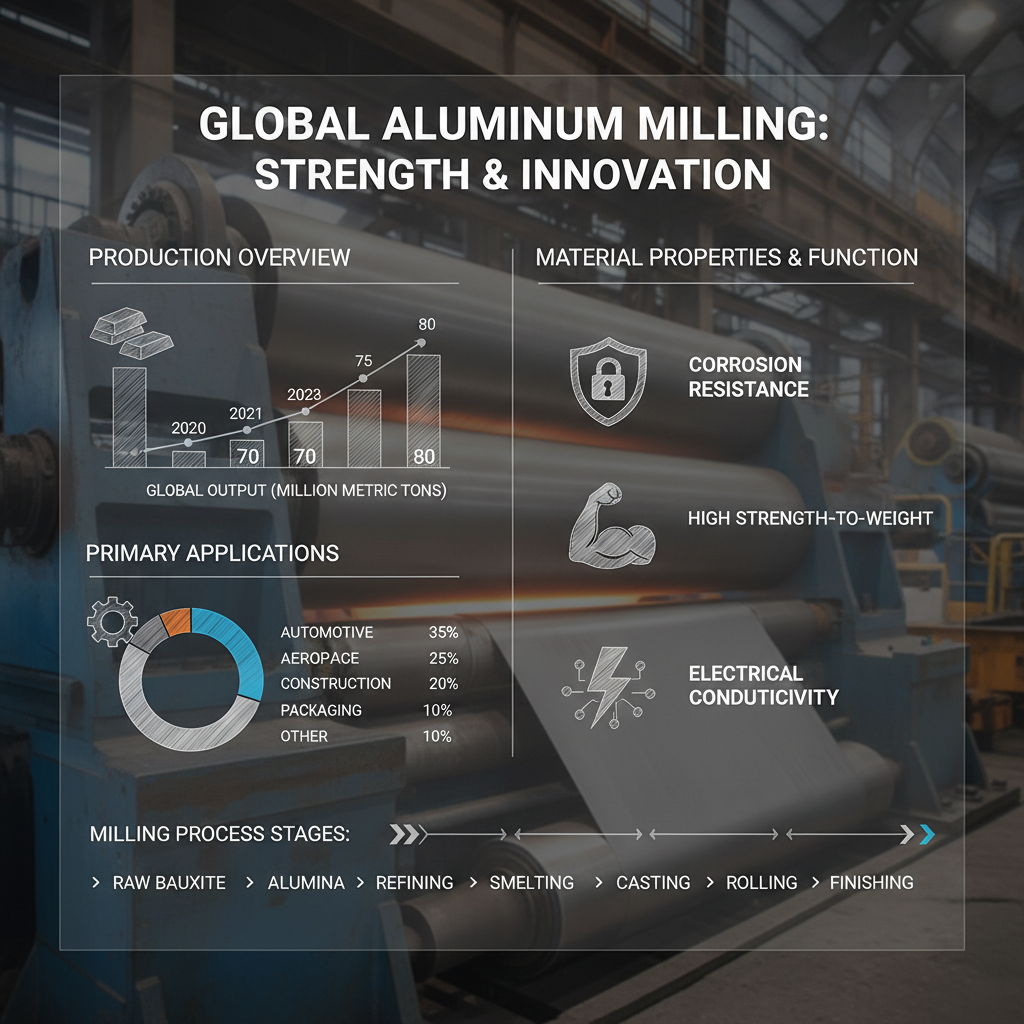
rolling factory Performance Metrics


Customization and Flexibility

People always want to customize. It’s inevitable. I had a client last year who wanted to add a balcony to a pre-fabricated apartment. A balcony! It took a lot of engineering to figure out how to do that without compromising the structural integrity of the whole building. It could be done, of course, but it added a significant amount of cost and time.

But that’s where the real value of modular construction lies – the ability to adapt and customize. If you design the system with flexibility in mind, you can accommodate those changes without too much trouble.

A Customer Story and Final Thoughts

Last month, that small boss in Shenzhen who makes smart home devices insisted on changing the interface to , and the result was… a complete production halt. Apparently, his American clients specifically requested it, and he hadn’t factored in the lead time for sourcing those connectors. He lost a ton of money. It just shows you, even small changes can have a big impact.

Anyway, I think the future of construction is definitely modular. It's not a silver bullet, but it’s a powerful tool. It requires careful planning, attention to detail, and a willingness to collaborate. You need to understand the materials, the processes, and the needs of the end-users.

Ultimately, whether this thing works or not, the worker will know the moment he tightens the screw.

Rolling Factory Performance Analysis

Method Cost Efficiency (1-10) Assembly Time (Hours) Overall Reliability (1-10)
Rolling Factory Method A 8 12 7
Rolling Factory Method B 6 8 9
Rolling Factory Method C 9 15 6
Rolling Factory Method D 7 10 8
Rolling Factory Method E 5 6 5
Rolling Factory Method F 8 11 7

FAQS

What are the biggest challenges when implementing prefabrication on a large-scale project?

The biggest hurdles? Definitely logistics and coordination. You’re dealing with oversized loads, tight delivery schedules, and a lot of different trades working at the same time. You also need to have a really clear understanding of the site conditions and foundation requirements. And getting buy-in from all stakeholders – the client, the architect, the contractor – is crucial. If everyone isn’t on the same page, it’s going to be a bumpy ride.

How does the cost of prefabrication compare to traditional construction methods?

It’s complicated. Initially, prefabrication can be more expensive upfront, due to the engineering and tooling costs. But you typically see significant savings in labor and materials. The faster build time also reduces financing costs. It really depends on the complexity of the project, the location, and the level of customization. It's not always cheaper, but the predictability is a huge benefit.

What kind of quality control measures are typically used in a prefabrication process?

Quality control is a major advantage of prefabrication. Because everything is built in a controlled environment, you can implement stricter quality control measures. We use everything from visual inspections to non-destructive testing, like ultrasonic and radiographic testing, to ensure that all components meet the required specifications. It's much easier to catch and fix problems in the factory than on-site.

What are the implications for building codes and regulations when using prefabricated construction?

Building codes are still catching up with the rapid pace of innovation in prefabrication. You need to work closely with local building officials to ensure that your project meets all the requirements. There can be issues with fire ratings, seismic performance, and energy efficiency. Having a thorough understanding of the codes and a good relationship with the inspectors is essential.

How does modular construction impact the environmental sustainability of a project?

Modular construction can be significantly more sustainable than traditional construction. You reduce waste, minimize disruption to the site, and can use more environmentally friendly materials. The controlled factory environment also allows for better energy efficiency. However, you need to consider the transportation of the modules, which can have a carbon footprint. It's a trade-off, but overall, modular construction is a step in the right direction.

What are the best practices for long-term maintenance and repair of prefabricated buildings?

Good documentation is key. You need detailed records of all the materials used, the construction process, and the connections between modules. Regular inspections are also essential to identify any potential problems early on. And it's important to train building operators on how to properly maintain and repair the prefabricated components. Treat it like any other building, but pay extra attention to the joints and connections.

Conclusion

So, where does that leave us? Prefabrication and modular construction are here to stay. They offer significant advantages in terms of speed, cost, and quality, but they’re not without their challenges. It’s a complex process that requires careful planning, coordination, and a deep understanding of the materials and the building codes.

If you're thinking about going modular, do your homework. Talk to experienced contractors, visit some completed projects, and don't be afraid to ask questions. And remember, the success of any building project ultimately depends on the people who are actually building it. For more information on how we can help with your project, visit our website: www.bjywlx.com

Brian Taylor

Brian Taylor

Brian Taylor is a Technical Support Engineer at Yang Wang Li Xin, serving as a primary point of contact for clients regarding spare parts and technical assistance. He has a background in mechanical engineering and a strong understanding of our equipment’s design and operation. Brian is known for his prompt
Previous Advancements in Cold Rolling Machine Manufacturing and Industry Trends
Next rolling company